21 Lower Leg Tattoos For Men
Nervous about picking a lower leg tattoo you’ll actually still love in ten years? You’re not alone, and honestly, that hesitation is a good sign — it means you’re taking this seriously instead of just picking the first cool image you scroll past.
So what are the best lower leg tattoos for men? The strongest options are bold blackwork bands, fine-line geometric shapes, Japanese-style wraps, and dotwork mandalas, since the calf and shin offer enough flat, muscular space for detailed linework and shading to heal cleanly and age well over years of visibility. Placement matters as much as the design itself.
Below, I’ll walk you through 21 real design directions, plus the stuff most lists skip entirely — pain levels by placement, healing timelines, how to actually brief your artist, and the mistakes that turn a good idea into a regretted one.
Why The Lower Leg Works So Well For Men’s Tattoos
Here’s the thing about the lower leg — calf, shin, and ankle — that makes it one of the most forgiving canvases on the body. You’ve got a big, mostly flat muscle group in the calf that holds detailed shading and bold linework without much distortion, even as the muscle flexes. The shin, while bonier, gives you a clean vertical or wraparound surface for scripts and geometric patterns. And unlike forearms or hands, this spot is easy to cover for work if you need to, but just as easy to show off in shorts or with rolled cuffs. That flexibility is a big reason it’s become such a popular zone for men who want something substantial without full visibility all the time.
Fine-Line Geometric Shin Piece
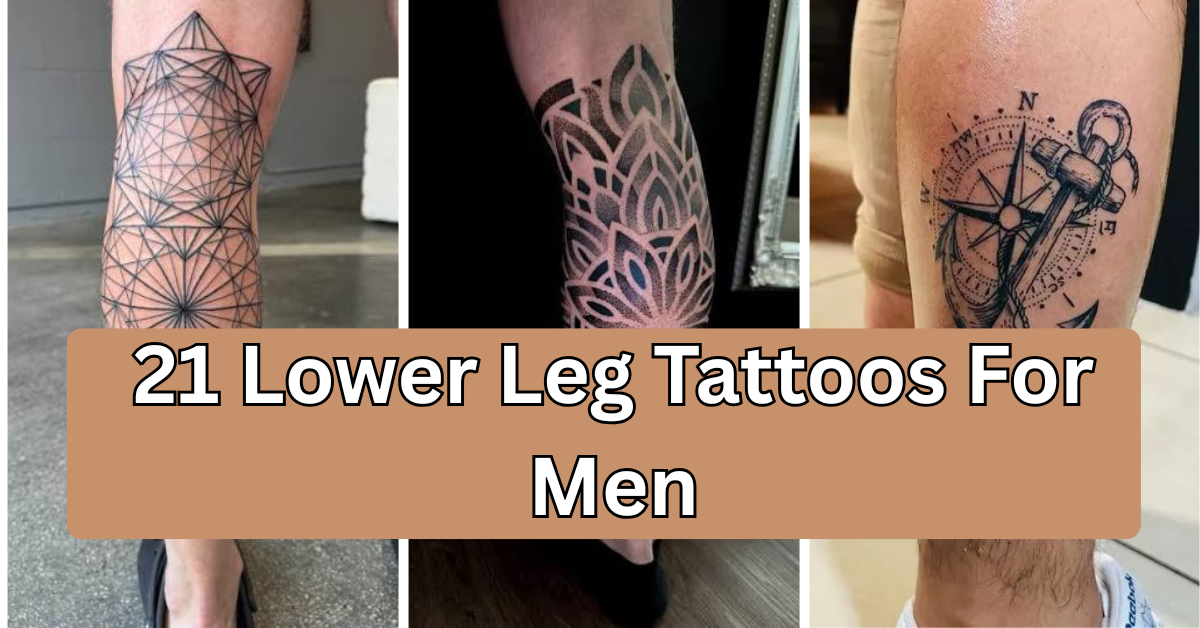
A fine-line geometric design uses thin, consistent needle work — usually a single needle or a small liner — to build triangles, hexagons, or interlocking shapes down the shin. There’s no shading here, just crisp black linework with maybe some negative space (areas of bare skin left intentionally blank to create contrast) built into the pattern. This works best on the flatter front portion of the shin, sized around 4 to 6 inches tall, so the geometry doesn’t warp around the muscle. Because the shin sits over bone, expect a sharper, more noticeable pain sensation than fleshier spots — most guys describe it as a persistent scratch rather than sharp pain. Healing typically runs 10 to 14 days. Bring a clean vector-style reference image so your artist can adjust proportions to your actual leg shape before stenciling.
Moving from clean geometry to something with more visual weight, blackwork bands take the opposite approach.
Bold Blackwork Calf Band
Blackwork relies on solid, saturated black ink applied in thick, deliberate passes rather than fine outlines. A calf band wraps horizontally or diagonally around the muscle, often incorporating tribal-inspired shapes or abstract patterns with sharp edges and zero color gradient. This design ages exceptionally well because solid black holds its saturation longer than thin gray-wash shading, even after a decade of sun exposure and normal fading. Ideal width is 3 to 5 inches, centered on the widest part of the calf. Pain here is moderate — the calf has more muscle and fat padding than the shin, so it’s more tolerable for most people. Ask your artist about using a larger liner needle for the solid fill sections; it saves time and produces cleaner edges than building up fine lines.
Dotwork Mandala Design
Dotwork builds an image entirely from small, individual puncture points instead of continuous lines. It’s slower and more labor-intensive, but it produces a soft, textured gradient that looks almost like stippled illustration. A mandala — a circular, symmetrical pattern — works beautifully on the outer calf where the curve of the muscle echoes the shape’s roundness. Keep it at least 5 inches in diameter; anything smaller and the dot spacing gets muddy after healing. This technique tends to feel like a buzzing vibration rather than a stinging pain, and sessions run long because of the detail. Healing takes closer to 2 to 3 weeks since dotwork can scab slightly more than solid linework. Bring high-resolution references so your artist can see exact dot density in different sections.
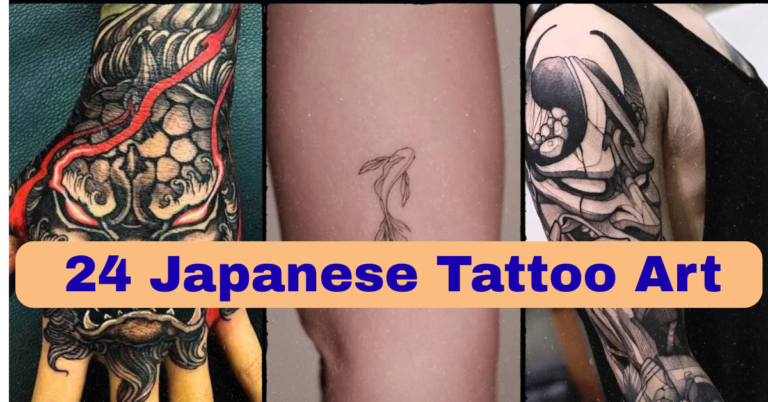
Japanese-Style Koi Fish Wrap
@ink.inc.tattoo
A traditional Japanese koi design wraps around the calf using bold, confident outlines combined with directional shading that mimics scales and flowing water. Artists trained in this style typically use a mix of needle sizes — thicker for the fish’s body outline, finer for water lines and background texture. This piece needs real estate, ideally 6 to 8 inches minimum, wrapping from the front of the shin around toward the back of the calf so the fish appears to swim around your leg naturally. Skin with more visible texture or hair may need extra prep during stenciling, so mention that during consultation. Expect moderate to high discomfort near the shin bone portion of the wrap. This is not a great first tattoo due to size and session length, but it ages beautifully if kept out of excessive sun.
Traditional Snake And Dagger
Classic American traditional tattooing uses bold outlines, minimal color palettes (usually red, green, and black), and simplified shading. A snake coiled around a dagger down the shin channels that old-school look with heavy, confident linework that won’t blur into a gray blob after 15 years — which is the biggest advantage traditional style has over fine line when it comes to long-term aging. Size around 5 to 7 inches works well vertically. Because traditional pieces rely on bold contrast, ask your artist about color saturation upfront; deeper reds hold up better over time than pastel tones. Pain is moderate on the shin, higher directly over the bone ridge. This style suits guys who want something that reads clearly from a distance, not just up close.
Negative Space Mountain Range
Negative space tattoos use the untouched skin itself as part of the image, letting gaps between black shapes form the subject. A mountain range silhouette across the shin might use solid black peaks with thin slivers of bare skin representing snow caps or sky. This creates a striking, minimalist look without relying on excessive shading. Best size is 3 to 5 inches wide, placed where the shin is flattest for a clean horizon line. This technique demands a skilled, experienced hand — ask to see healed (not just fresh) photos in a portfolio, since negative space can blur if lines aren’t spaced correctly. Pain sits in the moderate range. It’s a strong pick for a first tattoo since it’s visually simple but conceptually striking.
Script Quote Down The Shin
Vertical script running down the shin uses fine-line or single-needle work to keep letters crisp and legible. Font choice matters enormously here — thin cursive scripts can blur within 5 to 8 years, while slightly bolder script fonts hold readability much longer. Keep text under 4 inches wide so it doesn’t wrap awkwardly around the leg’s curve. This is a genuinely painful placement compared to the calf, since the shin has almost no cushioning over bone. Ask your artist to test the stencil while you’re standing, not lying down, so the words don’t warp when your leg bends. Great for a meaningful phrase you want visible but not shouting for attention.
Skull And Rose Blackwork
Combining bold blackwork skull imagery with rose shading creates contrast between hard, angular lines and soft, curved petal shading. The rose typically uses a lighter shading technique called whip shading — smooth gradients built with a moving needle motion — while the skull stays heavier and more graphic. Best placed on the outer calf, sized 5 to 6 inches. This is a design that photographs and ages well because the strong black outlines anchor the softer gray shading, preventing the whole piece from looking washed out later. Moderate pain on the calf muscle itself. A solid option for guys who want symbolism (mortality, beauty, contrast) without going fully abstract.
Single-Needle Compass
Single-needle tattooing uses one very fine point to create extremely delicate, thin lines — perfect for a compass design with intricate small details like directional markers or tiny text. Because the lines are so thin, this style tends to fade faster than bolder blackwork, often needing a touch-up (a follow-up session refreshing faded ink) within 5 to 7 years depending on skin type and sun exposure. Best kept to 3 inches on the front shin or side calf. Pain level is on the higher end for fine detail work near bone. If you love the delicate look, ask your artist directly how single-needle work has aged on their older clients — portfolio work alone won’t show you that.
Anchor And Rope Nautical Design

A nautical anchor wrapped in rope combines bold traditional linework with some finer rope texture detail. This design has natural vertical flow, making it a great fit for the shin, where the anchor’s shape can follow the leg’s natural line. Standard sizing runs 4 to 6 inches. Because the design mixes bold outline weight with finer rope texture, ask your artist to keep line weight variation intentional rather than accidental — that contrast is what makes it look sharp rather than sloppy. Moderate to high pain directly over the shin bone. Works well as a solo piece or as part of a themed leg sleeve later on.
Watercolor-Style Sunset
Watercolor tattoos mimic paint bleeds using soft color transitions without hard black outlines. It’s worth being upfront here: color-heavy, outline-free designs like this fade faster and blur sooner than blackwork or linework, since there’s no bold border holding the shape together as skin ages. If you love the aesthetic, ask your artist about adding a thin structural outline underneath the color to slow that breakdown. Best placed on the calf where there’s enough flat space for color blending, sized 4 to 6 inches. Healing runs slightly longer due to color saturation layering. This is a stylistic choice, not a low-maintenance one — go in expecting a touch-up sooner than with solid black work.
Celtic Knot Band
Celtic knotwork uses continuous, interlocking linework with no beginning or end, symbolizing connection or eternity depending on the pattern chosen. This design relies entirely on consistent line weight — any wobble in thickness breaks the illusion of the knot weaving over and under itself. Best suited to a calf band, 3 to 4 inches wide, wrapping the muscle’s natural curve. Bring a clear black-and-white reference so your artist can plan the stencil’s interlocking points precisely before tattooing. Pain is moderate on the calf. This design ages well since it’s pure black linework with no shading to fade unevenly.
Biomechanical Calf Design
Biomechanical tattoos create the illusion of mechanical parts or exposed structure beneath the skin, using heavy shading, sharp highlights, and deep black shadow work. This is an advanced style that requires an artist experienced specifically in biomechanical or realism shading — not every blackwork or traditional artist can execute the illusion convincingly. Sizing should be generous, at least 6 to 8 inches, since small biomechanical work loses its 3D illusion. Expect higher pain due to extended shading sessions. This isn’t a first-tattoo-friendly design; it’s better suited to guys already comfortable with longer sitting times and higher costs.
Sacred Geometry Line Art
Sacred geometry uses precise, symmetrical shapes — often circles, triangles, and interlocking polygons — built with a ruler-straight fine line technique. Precision is everything here, so ask specifically whether your artist uses a stencil machine or hand-draws freehand, since geometry this exact usually benefits from a printed, measured stencil. Best on the front shin, 3 to 5 inches, where the flat surface keeps lines from warping. Pain is on the higher side given the bony placement. This design suits minimalist guys who want visual interest without curves, color, or shading complexity.
Norse Wolf And Runes
Combining a wolf’s head with Norse runic symbols blends bold traditional-style shading on the wolf with fine, deliberate linework on the lettering. The contrast between heavy black shading and delicate rune strokes gives the piece visual depth. Calf placement works best, sized 5 to 7 inches, giving both elements enough room to breathe without crowding. Moderate pain on the calf muscle. Ask your artist about spacing the runes evenly before finalizing the stencil — cramped lettering is one of the most common regrets with this design.
Fine-Line Botanical Fern Wrap
A fern or leaf pattern winding up the calf uses fine-line botanical illustration — thin, organic strokes that mimic actual leaf veins and stem structure. This works especially well as a wraparound piece following the natural taper of the calf muscle. Keep it long and narrow rather than wide, roughly 6 to 9 inches vertically. Skin with more visible pores may hold fine detail slightly differently, so ask your artist how line spacing might need adjusting for your skin texture. Pain is lower to moderate since it avoids direct bone contact. A good pick for guys wanting something nature-themed without heavy symbolism.
Bold Traditional Eagle
An eagle done in bold traditional style uses thick black outlines, minimal shading, and often a small color palette — brown, black, sometimes red accents. The wings typically wrap around the calf’s curve, using the muscle’s shape to suggest motion. Size should be generous, 6 to 8 inches, since feather detail gets lost if shrunk too small. Moderate pain on the calf. This is one of the most durable design styles on this list purely because bold traditional work was engineered decades ago to survive fading and blurring better than fine detail.
Abstract Linework Wave Pattern

Abstract wave patterns use flowing, uneven-width linework to suggest movement without literal imagery. This design leans on line weight variation as its main visual tool — thicker where the “wave” peaks, thinner as it tapers. Great for wrapping the calf horizontally, sized 4 to 6 inches. Ask your artist to sketch the flow directly on your leg with a marker before tattooing, since abstract linework needs to follow your specific muscle contour to look intentional rather than random. Pain is moderate. A flexible option that works equally well solo or combined with geometric shapes later.
Clock And Hourglass Time Piece
Time-themed designs combine a clock face or hourglass with bold outline work and moderate shading to suggest depth and dimension. These often include small additional elements like flowers or birds worked into the design. Best placed on the calf, 5 to 6 inches, giving enough room for the clock’s internal detail to stay legible for years. Moderate to high pain depending on exact placement relative to the shin bone. Ask your artist to simplify internal clock details slightly if you’re going smaller than 5 inches, since overly fine numbers tend to blur first as ink settles.
Minimalist Mountain Line Icon
A small single-line mountain or nature icon uses continuous fine-line work with no shading at all — just one confident, unbroken stroke forming a simple silhouette. This is about as low-commitment as leg tattoos get, sized 2 to 3 inches, and works well on the outer ankle or lower shin. Pain is lower given the small size and short session time, though ankle placement over bone can still feel sharp. This is a genuinely strong first-tattoo option: quick to complete, easy to conceal, and simple enough that fading is barely noticeable even after many years.
Best Placement Ideas
- Calf (outer or back): More muscle padding means comparatively lower pain and better ink retention for bold or shaded work.
- Shin: Great flat canvas for geometric and script designs, but expect sharper pain due to minimal cushioning over bone.
- Ankle: Easiest to conceal or reveal depending on footwear; best suited to smaller, simpler designs.
- Full wraparound calf: Ideal for large Japanese-style or nautical pieces needing room to flow naturally around the leg.
Tips For Success
Look for an artist whose portfolio shows the exact style you want — not just similar subject matter. A blackwork specialist and a fine-line specialist use different equipment, ink density, and technique, so matching skillset to design is non-negotiable. During your consultation, ask to see healed photos, not only fresh ink shots straight after a session, since that’s the only real way to judge how their linework and shading age. Bring reference images, but also be open to your artist adjusting proportions to fit your actual leg shape and muscle contour.
Common Mistakes And How To Avoid Them
- Going too small for detailed work: Intricate shading or lettering under 3 inches often blurs together within a few years.
- Ignoring muscle movement: A design that looks great flat on paper can distort oddly when the calf flexes — ask your artist to sketch it directly on your leg first.
- Skipping aftercare instructions: Not following your artist’s specific aftercare sheet is one of the top causes of patchy healing and early fading.
- Copying a design exactly: A tattoo pulled straight from social media without personalizing size, placement, or small details often looks generic and dates quickly.
Similar Variations
Almost every design above can shift in tone with a few changes. A blackwork band can become a dotwork band by swapping solid fill for stippled texture. A fine-line mountain icon can scale up into a full calf wrap with added shading. Traditional pieces can drop color entirely for an all-black modern take, while script work can shrink down to a minimalist single word instead of a full quote. Talk through these variations with your artist during the consultation stage, before the stencil is finalized.
Aftercare Basics
General aftercare guidance from most licensed studios includes keeping the area clean, avoiding direct sun and swimming during initial healing, and applying a fragrance-free moisturizer as directed by your artist. Healing time varies by individual and by design size, but most lower leg tattoos settle within 2 to 3 weeks. Always follow the specific aftercare sheet your artist provides, and check in with a licensed professional or dermatologist if you notice unusual redness, swelling, or irritation beyond normal healing.
Technique Quick Reference
- Fine line vs. bold traditional: Fine line uses thin, single-needle strokes for delicate detail but fades faster over time; bold traditional uses thick outlines and minimal shading, built specifically to hold up for decades.
- Blackwork vs. dotwork: Blackwork relies on solid, saturated black fill for high contrast; dotwork builds shading and texture from thousands of individual dots, creating a softer, stippled gradient instead of flat color.
Quick FAQ
How much do lower leg tattoos for men typically cost?
Pricing varies widely by size, detail, and artist experience, but expect anywhere from $100 for a small ankle piece to $800 or more for a large, detailed calf wrap.
How painful are lower leg tattoos?
Pain varies by person, but generally the calf feels more tolerable due to muscle padding, while the shin and ankle feel sharper since they sit closer to bone.
How long does healing take?
Most designs heal within 2 to 3 weeks, though larger or more detailed pieces can take slightly longer. Individual healing time varies, so always follow your artist’s aftercare instructions.
Do lower leg tattoos fade faster than other placements?
Not inherently, but designs with fine, thin lines or light shading tend to show fading sooner than bold, solid blackwork, regardless of where they’re placed on the body.
Choosing from these lower leg tattoos for men really comes down to matching the technique to what you actually want long-term — bold and durable, delicate and subtle, or somewhere in between. Take your time, talk through the details with a licensed artist you trust, and you’ll end up with a piece that still looks sharp on your leg years down the road.