16 Feminine Arm Sleeve Tattoos That Actually Hold Up Over Time
Nervous about committing to something as big as an arm sleeve? That’s completely fair. A sleeve is a real commitment — more skin, more sessions, more decisions — and you deserve real answers before you sit in that chair.
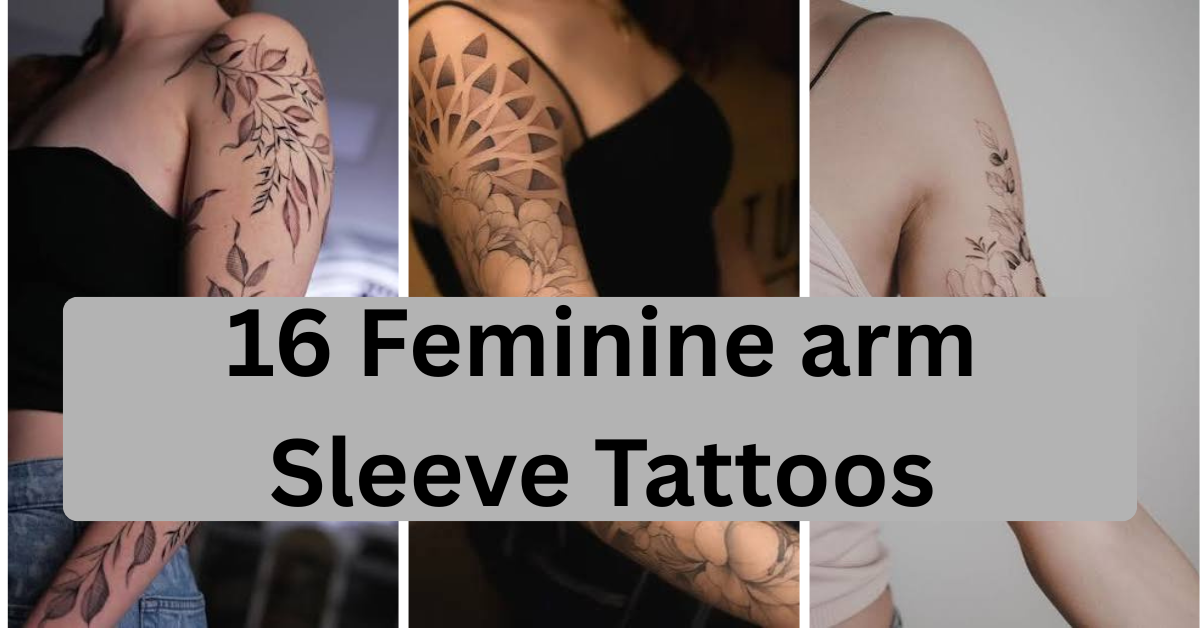
So what are the best feminine arm sleeve tattoos? The strongest options blend fine-line botanicals, soft blackwork florals, or delicate script with negative space (bare skin left intentionally blank) to keep designs elegant rather than heavy. These sleeves balance detail with breathing room, so they read as graceful up close and cohesive from a distance, even years after healing.
Stick around, because I’m also going to cover what these actually cost, how long they take to heal, how bad the pain really is, and how to brief your artist so you don’t end up with something that looked great as a sketch but falls apart on skin.
Why Feminine Sleeve Designs Work Differently Than Traditional Sleeves
Most people picture bold, saturated traditional sleeves when they think “arm tattoo” — thick outlines, solid color, heavy shading. Feminine sleeve designs usually take the opposite approach. They lean on fine line work (thin, precise needle strokes), soft gray-wash shading, and generous negative space to keep things airy instead of dense. The composition matters more than the individual images. A good feminine sleeve artist thinks about how the design wraps around the arm’s natural curve, how it flows when your arm bends, and where the eye rests when someone glances at it from across a room. That’s a very different skill set than packing a sleeve full of bold, saturated imagery, and it’s worth finding an artist who specializes in this lighter, more linear style.
1. Fine-Line Botanical Vine Sleeve
This design runs a single continuous vine from shoulder to wrist, with small leaves and occasional flowers branching off using thin, single-needle line work. There’s little to no shading — the appeal is in the delicate, almost hand-drawn quality of the lines. Best placement is the outer arm, where the vine can follow the natural muscle line without distortion. Size-wise, keep individual leaves at least a half-inch wide so they don’t blur together as the skin ages. Healing typically takes 10–14 days for the surface, though full settling takes about a month. Pain is moderate and fairly consistent along the vine’s path since it’s mostly fleshy tissue, but expect more sensitivity near the inner elbow. Bring a reference photo of an actual vine or plant you like — not just other tattoos — so your artist can adapt real botanical structure instead of copying someone else’s flash design.
2. Blackwork Floral Cluster on the Shoulder Cap
Unlike fine-line florals, blackwork florals use solid black fills and bold, confident outlines to create high-contrast blooms. This style holds up better over decades because solid black saturation fades more evenly than thin gray shading. A cluster of three to five flowers works well on the shoulder cap, where the curved surface gives the composition natural dimension. Aim for at least three inches of cluster width so petal details don’t merge into a blob after a few years. Healing runs about two weeks, and touch-ups every 8–10 years help maintain crisp edges. Pain here trends higher since the shoulder cap sits over bone. This placement is easy to cover for work but shows beautifully in sleeveless tops — a solid pick if you want boldness without going full traditional color.
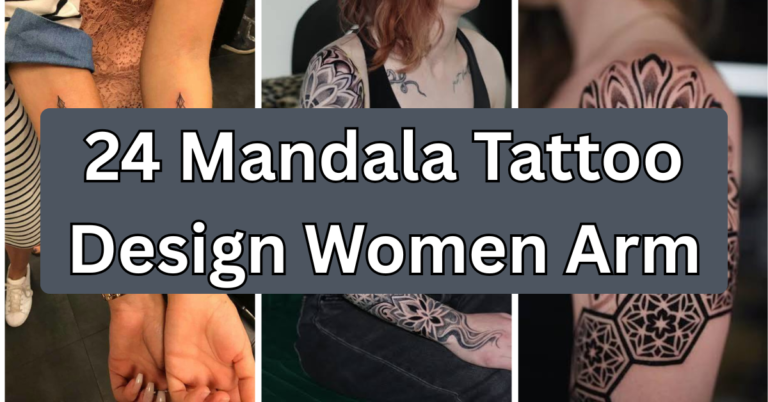
3. Dotwork Mandala Wrapping the Forearm
Dotwork builds shading and texture entirely from tiny dots instead of solid lines, creating a soft, almost textile-like gradient. A mandala — a symmetrical, geometric pattern — wraps cleanly around the forearm’s cylindrical shape, which is one of the best canvases for radial symmetry. Keep the mandala at least four inches in diameter; smaller versions lose the dot gradation that makes this technique special. Healing takes slightly longer than line work, around two to three weeks, since dotwork creates more surface trauma across a wider area. Pain is moderate, and steady rather than sharp, because the needle works in short, repeated taps. Ask your artist whether they use a single needle or a small cluster for dotwork — cluster needles cover ground faster but can look less refined at close range.
4. Watercolor-Style Wildflower Bouquet
This approach mimics loose, blended paint strokes using soft color saturation gradients instead of hard outlines. It’s genuinely one of the harder styles to execute well, so portfolio-checking matters more here than with any other design on this list. A bouquet works nicely on the upper arm or bicep, where there’s enough flat surface for color blending. Keep in mind that watercolor-style tattoos fade faster than blackwork because they rely on lighter pigment saturation — expect a touch-up within 5–7 years to keep colors vibrant. Healing is typically 2 weeks, similar to any color tattoo. Pain sits in the moderate range. This style isn’t ideal as a first tattoo if you’re pain-sensitive, since color work often involves more passes over the same area.
5. Negative Space Leaf Pattern
Negative space design flips the usual approach — instead of drawing the leaf, the artist tattoos the background around it, letting bare skin form the leaf shape itself. It’s a striking, minimal technique that reads as almost sculptural rather than drawn. This works best on lighter to medium skin tones, since the contrast needs to be visible; ask your artist directly during consultation about how the technique will look on your specific skin tone. Placement on the outer forearm gives the cleanest visual line. Healing takes about two weeks. Pain is comparable to standard blackwork since there’s still solid black fill involved, just arranged differently. This is a strong choice if you want something clearly custom — negative space work is hard to copy exactly, so it naturally personalizes itself.
6. Delicate Script Wrapped Around the Bicep
Script tattoos rely almost entirely on line weight consistency — thin, even strokes that don’t blur or bleed together during healing. A short phrase or word wrapping the bicep in cursive fine-line style stays legible only if letters are sized appropriately; anything smaller than a half-inch tall risks turning into an illegible smudge within five years. Healing takes 10–14 days. Pain is moderate on the bicep’s fleshier area. Bring a printed version of your exact wording and preferred font — don’t rely on verbal description, since spacing and letter connections change readability dramatically. Script ages better in black than in color, and it’s a solid choice for a first tattoo since it’s relatively quick to execute.
7. Fine-Line Birds in Flight Along the Forearm

A trio of small birds, rendered in single-needle line work, trailing diagonally from elbow to wrist creates visual movement without heaviness. The birds get progressively smaller to suggest distance, a classic composition trick that gives a static tattoo a sense of motion. Best placed on the inner or outer forearm where the diagonal has room to breathe. Keep each bird at least an inch long — smaller and the wing details vanish within a few years as fine lines soften slightly with age. Healing takes about two weeks. Pain is mild to moderate depending on exact placement. This design transitions well from workplace-appropriate (easily hidden under a sleeve) to bold statement piece depending on sizing.
8. Blackwork Geometric Sleeve with Floral Accents
Combining hard-edged geometric shapes — triangles, linear bands, hexagons — with softer floral elements creates contrast between structure and organic form. The geometric lines need to be razor-straight, so this is a technical style where portfolio quality really shows. Full sleeve or half-sleeve length both work, but the geometry should follow arm landmarks like the elbow crease and wrist bone for visual logic. Healing is around two weeks. Pain trends moderate to high near the elbow due to thinner skin over bone. This is a great option if you want something clearly modern and structured rather than purely soft and floral — it reads as feminine without being delicate.
9. Single-Needle Constellation Trail
Tiny dots and thin connecting lines mapping a real or stylized constellation down the inner arm create a subtle, almost secretive design. Single-needle work means extremely fine detail, but it also means faster fading at the finest points — expect a touch-up around year 6 or 7 to keep faint lines crisp. Best on the inner forearm or upper arm where skin is smoother. Keep star points small but connecting lines slightly thicker so they don’t disappear first. Healing takes about 10 days. Pain is generally mild since single-needle work causes less trauma per pass, though inner-arm skin can be more sensitive for some people.
10. Soft Blackwork Peony Bloom
Peonies rendered in blackwork with layered petal shading (achieved through varying needle pressure rather than color) create depth without a single drop of ink beyond black. This is a good middle-ground design between stark line work and full color — it has dimension but stays low-maintenance. A single large peony works beautifully on the shoulder or upper arm, ideally three to five inches wide so petal layering stays distinct. Healing runs about two weeks. Pain is moderate. This design ages exceptionally well since solid black holds saturation longer than gray wash or color, making it a smart pick if you want a bold statement piece without frequent touch-ups.
11. Fine-Line Feather Cascade

A series of feathers cascading down the outer arm, rendered in thin, feathered strokes (fittingly) that mimic the texture of real plumage. Each feather uses subtle line variation — thicker at the spine, thinner toward the edges — to create texture without shading. Best on the outer upper arm to lower forearm for a natural downward flow. Keep feathers at least two inches long individually. Healing takes 10–14 days. Pain is mild to moderate. This is an easy design to personalize by adding small charms, beads, or a single small bird at the end of the cascade, which also makes it a nice option for a meaningful matching tattoo with a sibling or friend.
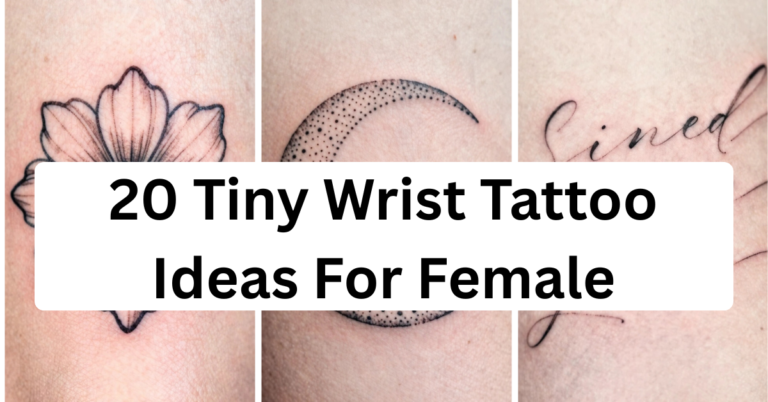
12. Dotwork Shaded Moon Phases

A row of moon phases — from crescent to full to crescent again — using dotwork shading to create smooth gradients between light and dark without hard lines. This works well running along the wrist to mid-forearm in a horizontal line. Keep each moon at least three-quarters of an inch so the dot gradation reads clearly rather than looking like scattered specks. Healing takes about two weeks given the dotwork’s broader surface coverage. Pain is moderate, more noticeable near the wrist bone. This design holds symbolic meaning for a lot of people (cycles, growth, phases of life) without needing text, which makes it a popular, low-explanation option for first tattoos.
13. Custom Blackwork Botanical Half-Sleeve
Rather than a single flower or vine, this design layers multiple botanical elements — ferns, small blooms, leaves — into a cohesive half-sleeve using varied line weights to create hierarchy (thicker lines for foreground elements, thinner for background). This requires real custom design work, not a flash template, so budget for a longer consultation and possibly multiple sessions. Best from shoulder to elbow for a classic half-sleeve. Healing takes 2–3 weeks given the larger surface area. Pain builds throughout longer sessions, especially near the elbow. This is not a first-tattoo-friendly option due to size and session length, but it’s a strong choice if you already have smaller pieces and want to connect them into one larger composition.
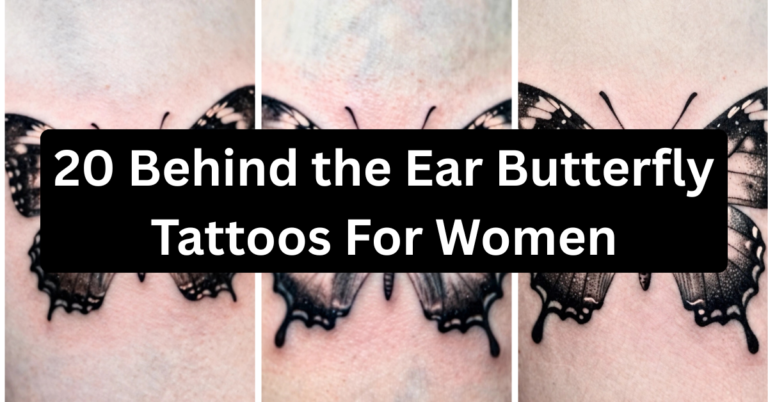
14. Fine-Line Butterfly Transformation Sequence

A sequence of three to four butterflies, each slightly more detailed than the last, moving up the arm to suggest transformation or growth. Uses consistent thin line work with minimal shading — just enough to suggest wing texture. Best on the outer forearm where the sequence has room to progress. Keep the largest butterfly at least two inches across so wing detail survives long-term. Healing takes about two weeks. Pain is mild to moderate. This design carries obvious symbolic weight (change, growth) without requiring any text, and works well as a personal milestone piece.
15. Negative Space Wave Pattern

Similar in technique to the negative space leaf design, this uses bare skin to form wave shapes while solid black fills the surrounding area. It’s a bold, graphic look that reads well from a distance, unlike most fine-line work on this list. Best on the outer forearm or bicep where there’s a flatter surface for the pattern to sit cleanly. Healing takes about two weeks given the solid black fill. Pain is moderate to high since black fill work involves more repeated passes. This is a striking option if you want something that photographs well and reads clearly even at a glance, rather than a design meant for close-up appreciation.
16. Fine-Line Hummingbird and Trailing Blossoms

A small hummingbird rendered in delicate line work, paired with a trail of small blossoms drifting from its beak or wingtip down the arm. The bird itself should have some line weight variation in the wings to suggest motion blur, a small technical touch that separates amateur flash designs from thoughtful custom work. Best on the inner or outer forearm. Keep the bird at least an inch and a half long so wing detail doesn’t blur over time. Healing takes 10–14 days. Pain is mild to moderate. This is a genuinely good first-tattoo option — small enough to be low-commitment, detailed enough to look intentional.
Best Placement Ideas
- Outer forearm — high visibility, moderate pain, easy for the artist to work with due to flat surface
- Inner forearm — more discreet, slightly more sensitive skin for some people, good for personal/meaningful designs
- Shoulder cap — easy to hide or show depending on clothing, moderate-to-higher pain due to bone proximity
- Bicep — fleshier area, generally more comfortable, good for wraparound designs like script or vines
- Full arm (shoulder to wrist) — maximum visibility and impact, longest healing and highest total cost, best for those who already have some tattoo experience
Tips for Success
Look for an artist whose portfolio shows consistent line weight and clean healed photos, not just fresh ink under studio lighting. Healed photos tell you how the work actually settles into skin over weeks and months. Bring reference images of the actual subject matter (real flowers, real birds) rather than only other tattoos, since this gives your artist room to create something custom instead of tracing someone else’s stencil. Ask directly about their experience with the specific technique you want — fine line, dotwork, and blackwork each require different skill sets, and a generalist may not be the best fit for a detail-heavy sleeve. Always confirm whether your first session will be a full sitting or a stencil-and-outline placement check first.
Common Mistakes and How to Avoid Them
- Sizing too small for the detail level — fine line and dotwork both need adequate space to age well; cramming detail into a tiny area guarantees blurring within a few years
- Choosing a placement that fights the design’s flow — wraparound patterns need curved surfaces like the bicep or forearm, not flat areas like the shoulder blade
- Skipping aftercare instructions — every artist’s aftercare sheet varies slightly based on their equipment and ink, and ignoring it affects how the final result looks
- Copying a design exactly from Pinterest or Instagram — a good artist can personalize proportions, spacing, and small details so the piece feels custom rather than duplicated
- Booking a walk-in slot for a large custom sleeve — complex sleeves need a proper consultation and often multiple sessions; walk-ins work better for small flash designs
Similar Variations
Nearly every design above can shift dramatically with small changes. A fine-line vine can become bolder by switching to blackwork with solid fill. A black-and-gray floral can add muted watercolor accents for softer color without full saturation. Smaller single-element designs (one flower, one bird) can later be combined into a larger half-sleeve as your collection grows — this is actually a common and smart approach if you’re unsure about committing to a full sleeve right away.
Aftercare Basics
General aftercare typically includes keeping the area clean, avoiding direct sun exposure, and avoiding soaking the tattoo (pools, baths) during the initial healing window. Avoid picking at any peeling skin, since this can affect how ink settles. Every studio has slightly different product recommendations, so always follow the specific aftercare sheet your artist provides rather than generic internet advice. If you notice unusual redness, swelling, or discharge beyond normal healing signs, consult a licensed dermatologist or your tattoo artist directly.
Quick FAQ
How much does a feminine arm sleeve tattoo cost?
Costs vary widely by region, artist experience, and design complexity, but a half-sleeve typically runs several hundred to a few thousand dollars, while a full custom sleeve can cost significantly more across multiple sessions. Always get a direct quote from your chosen artist.
How painful is an arm sleeve tattoo?
Pain varies by individual and by placement — bony areas like the elbow and wrist tend to feel sharper, while fleshier areas like the bicep and outer forearm are generally more tolerable. Pain tolerance differs from person to person, so consult your artist about pacing sessions if you’re concerned.
How long does a sleeve tattoo take to heal?
Surface healing generally takes two to three weeks, though full settling into the skin can take up to a month or slightly longer for larger, more detailed pieces.
Do fine-line sleeve tattoos age well?
Fine-line work can soften over time more than bold blackwork, so touch-ups every several years help maintain crisp detail, especially on high-movement areas like the forearm.
Finding the right feminine arm sleeve tattoo really comes down to matching the technique to what you actually want long-term — soft and detailed, or bold and graphic — and finding an artist whose portfolio proves they can execute that specific style well. Pain, healing, and cost are all real tradeoffs worth thinking through honestly before you book, not after. Take your time, ask real questions at your consultation, and you’ll end up with a sleeve that still feels like you years down the road.