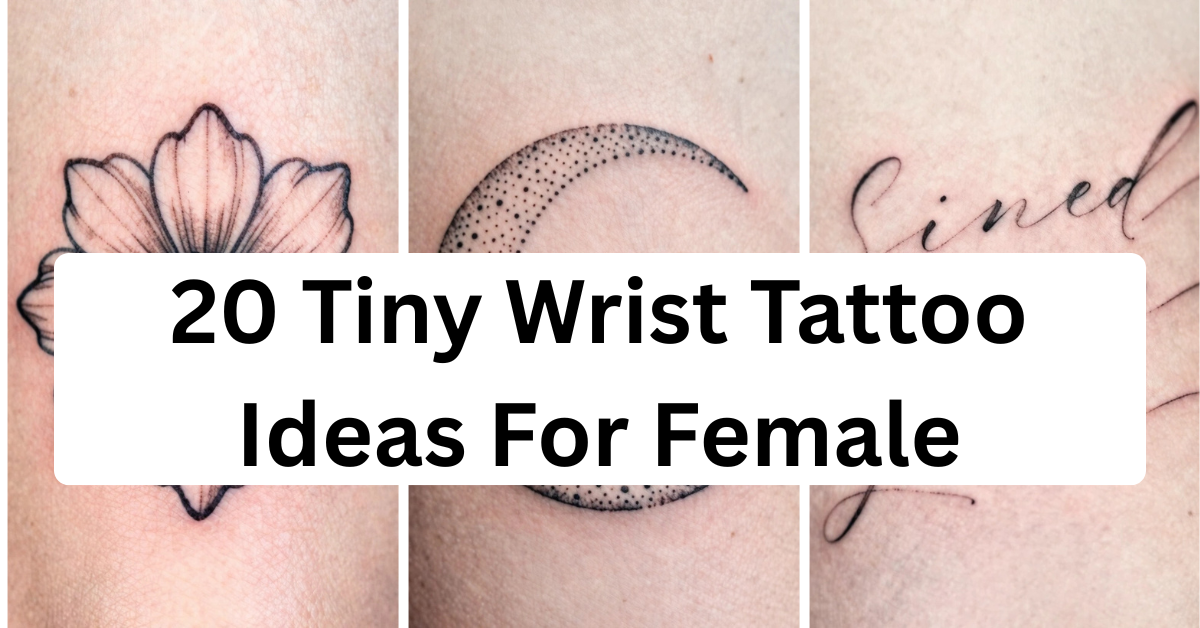
20 Tiny Wrist Tattoo Ideas For Female
Nervous about picking a tiny wrist tattoo design you’ll actually love in ten years, not just ten days? You’re not alone, and honestly, that hesitation is a good sign — it means you’re thinking this through instead of walking into a shop on a whim.
So what are the best tiny wrist tattoo ideas for female clients? Fine-line florals, single-needle script, dotwork moons, and negative-space bands work best because they hold detail well on a small, curved area and heal cleanly without blowing out over time. Simple linework with minimal shading tends to age far better on the wrist than dense, heavily saturated designs.
Stick around, because I’m not just listing pretty pictures. I’ll walk you through placement tradeoffs, realistic pain levels, how long healing actually takes, what to say to your artist so they understand your vision, and the mistakes that turn a cute idea into a blurry regret five years down the road.
Why Tiny Wrist Tattoos Work So Well
The wrist is one of the most requested spots for a first tattoo, and there’s a real reason behind that beyond it just “looking dainty.” It’s a naturally narrow canvas, which forces simplicity — you can’t cram in heavy shading or complex color gradients without the design turning muddy within a couple of years. That constraint is actually a gift. It pushes toward clean linework, small dot clusters, or negative space (areas of bare skin left intentionally blank to form part of the image) that reads clearly even at half an inch. The wrist also flexes constantly, which matters for healing and long-term crispness, something I’ll get into with each design below.
1. Fine-Line Single Flower Tattoo
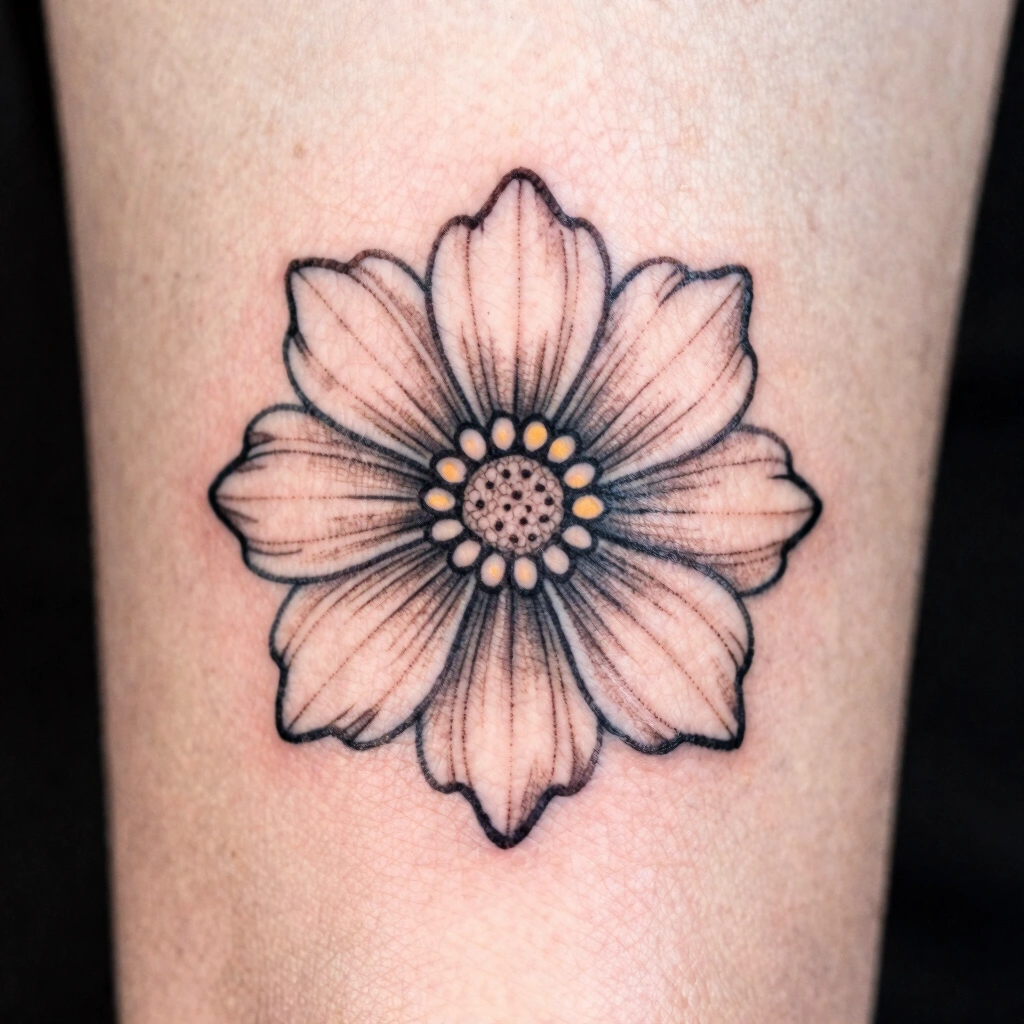
A single flower done in fine line work uses a thin, consistent needle line — usually a 1 or 3 round liner — to outline petals without any fill or shading. The result looks like a botanical sketch rather than a solid illustration. On the inner or outer wrist, keep it between 1 and 1.5 inches; smaller than that and petal detail starts to merge after a few years. Wrist skin here is fairly thin, so expect a moderate pinch, especially near the tendon side. Healing typically runs 10 to 14 days with light peeling. Bring your artist a real photo of the flower species you want, not a cartoon version — botanical accuracy holds up better under fine-line technique.
This one reads professional and workplace-friendly, which leads nicely into a bolder but still minimal option.
2. Minimalist Dotwork Moon Phases
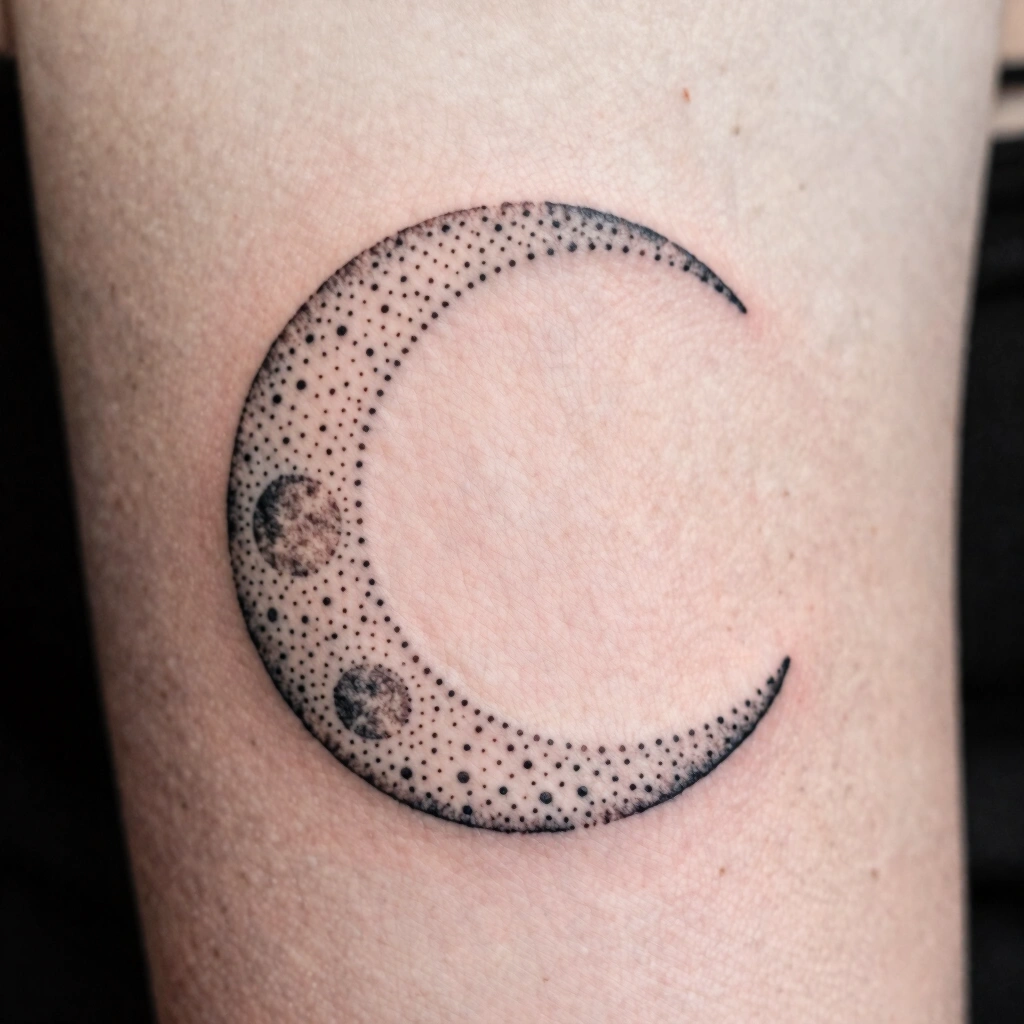
Dotwork is exactly what it sounds like: the image is built entirely from small individual dots instead of solid lines, creating texture and soft shading through density rather than continuous strokes. A moon phase sequence — three to five crescents fading from full to new — looks great wrapped along the wrist’s natural curve. Keep each moon under half an inch and space them evenly; too tight and the dots blend into a gray smudge after aging. The inner wrist stings more here since dotwork requires repeated needle contact over the same small zone.
Ask your artist about needle grouping (how many needles are clustered for the dot pattern) since finer groupings hold detail longer. This design suits anyone drawn to symbolism over realism, and it transitions well into other celestial ideas.
3. Single-Needle Script Word
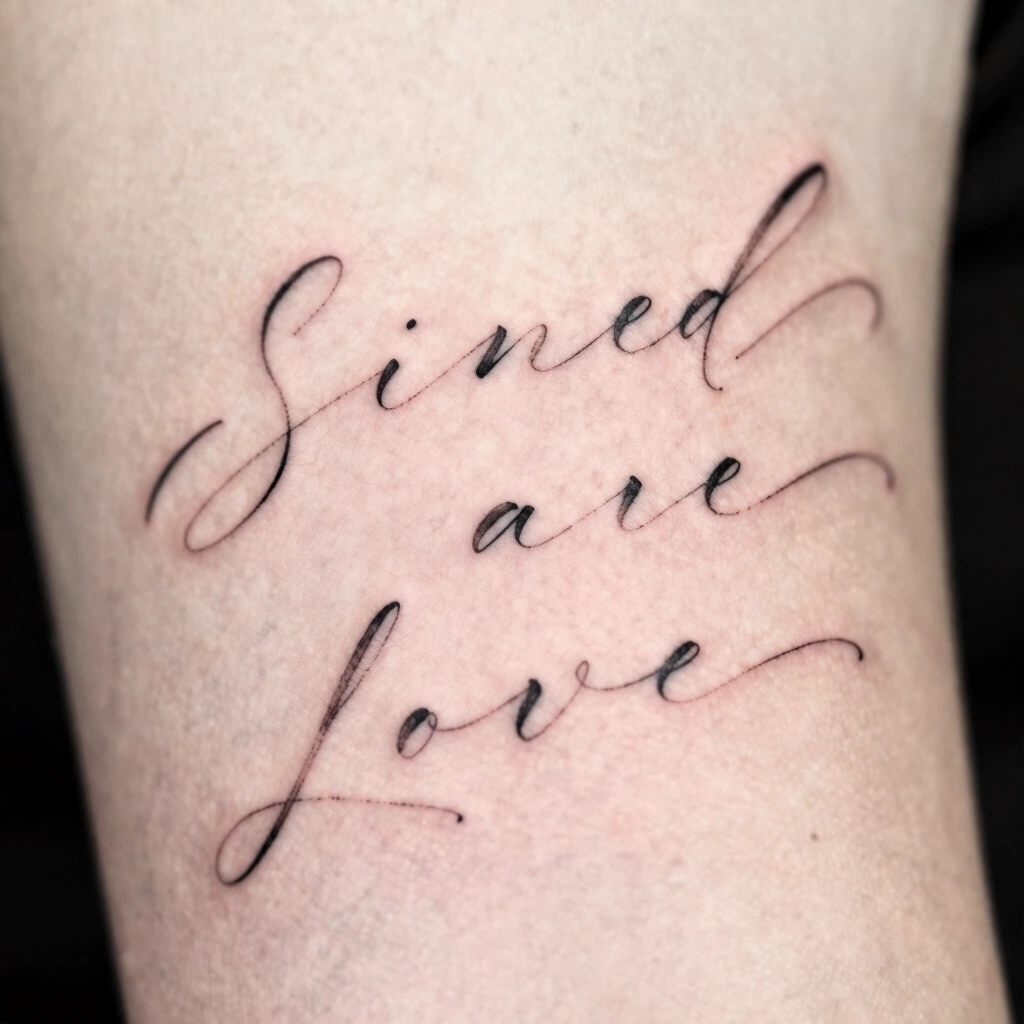
Single-needle tattooing uses one fine point to create extremely thin, delicate lines, often used for cursive script or small text. A one-word tattoo — a name, a mantra, a date spelled out — sits well on the wrist because the horizontal space matches how words naturally flow. Keep letters no smaller than a quarter-inch tall; single-needle script is beautiful but notoriously prone to fading into illegibility if sized too small. Healing takes about two weeks, and touch-ups (a follow-up session to refresh faded lines) are common within three to five years. Bring a printed sample of the exact font you want; verbal descriptions of cursive style get lost in translation.
This is a strong first-tattoo choice since it’s low-commitment and easy to cover with
a watch or sleeve for work.
4. Negative Space Wave Band
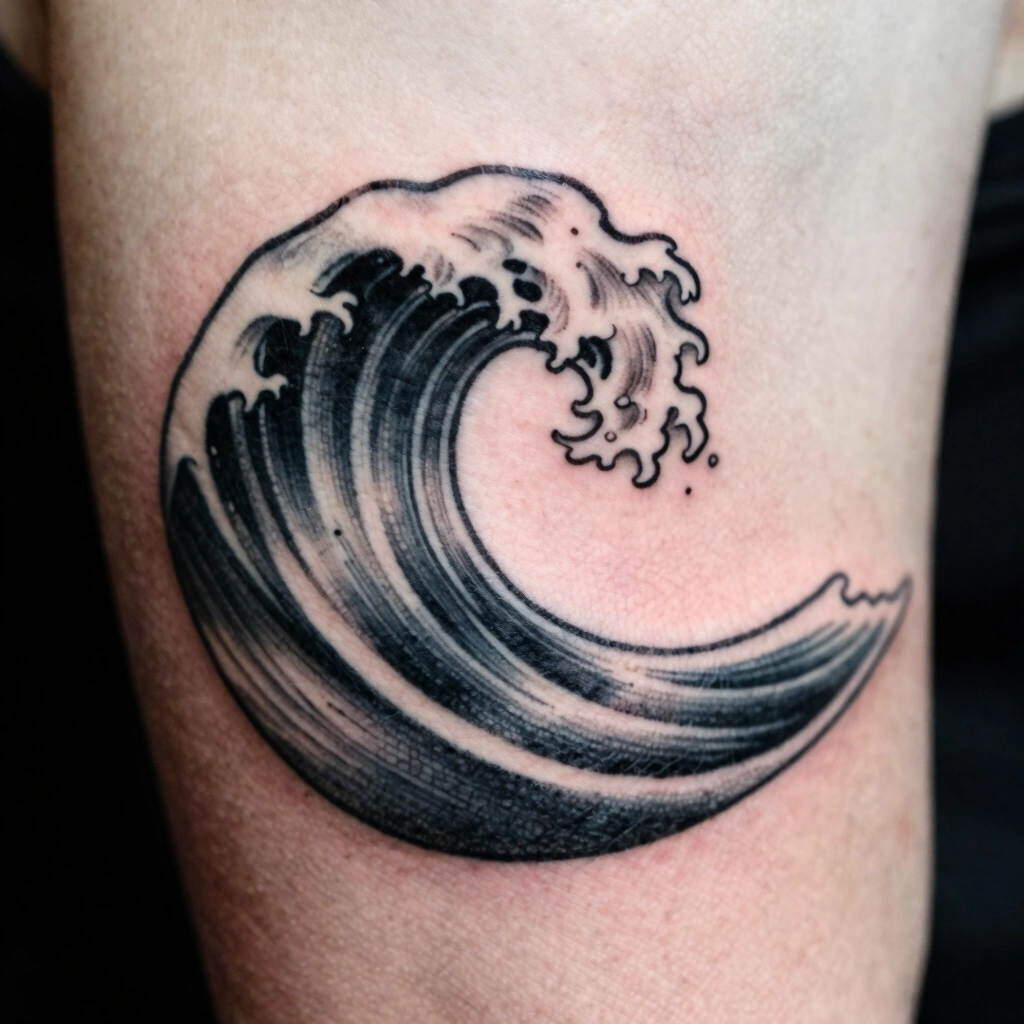
Negative space design flips the usual approach — instead of ink forming the image, bare skin does, with black ink shading the surrounding area. A thin wave band wrapping the wrist, where the “wave” is untouched skin bordered by solid black linework, creates a striking graphic effect. This works best on lighter to medium skin tones where the contrast between ink and skin reads clearly; on deeper skin tones, ask your artist about adjusting line thickness and saturation for visibility. Size should stay compact, about half an inch wide, wrapped fully around. Expect noticeable soreness since the border lines require solid, saturated blackwork. Healing runs 2 weeks with careful attention paid to cracking at the band’s edges since it wraps a joint.
This design ages into something bolder and more graphic than most tiny tattoos,
setting up well for the next blackwork option.
5. Tiny Blackwork Butterfly
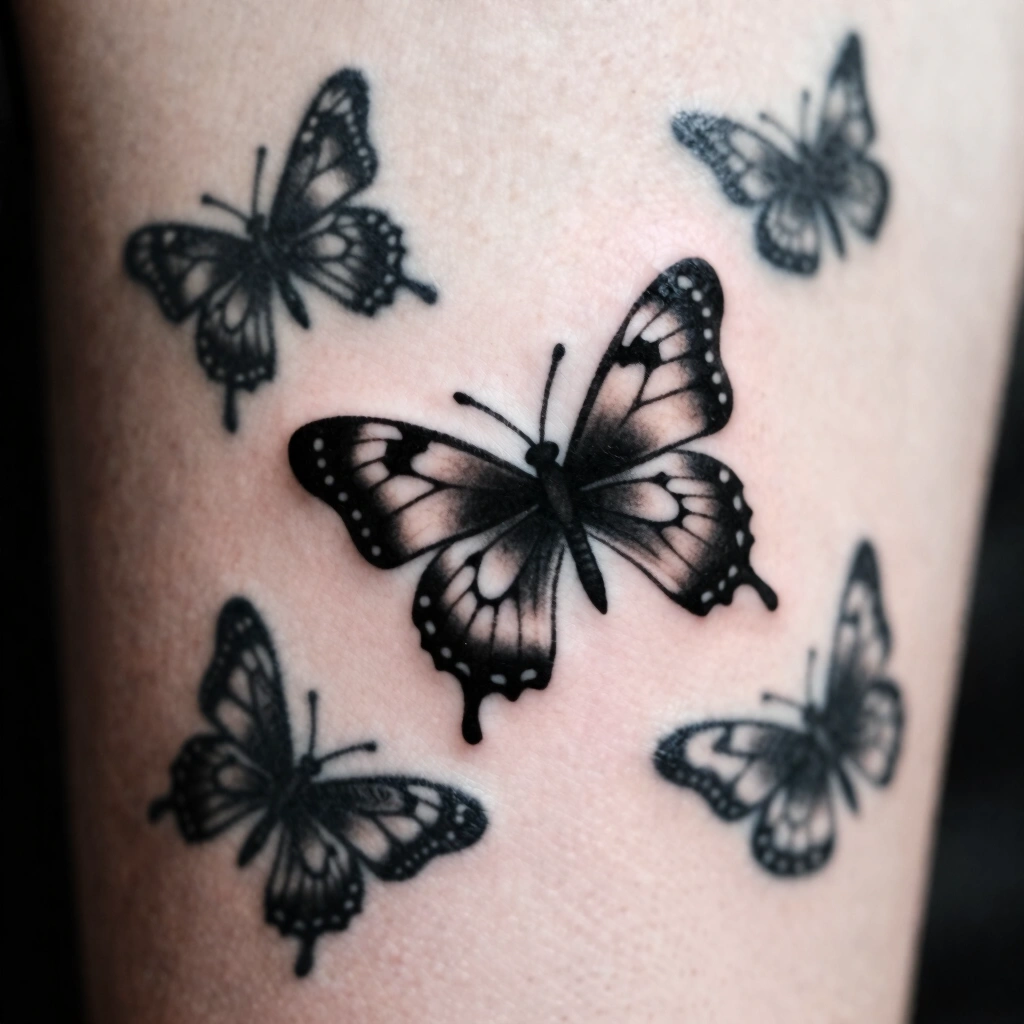
Blackwork refers to tattoos done in solid black ink with no color, often featuring bold fill alongside fine outlines for contrast. A tiny butterfly in this style uses thick black wings balanced against thin antennae lines, creating visual weight without needing large scale. Half an inch to one inch is the sweet spot; too small and the solid fill can turn into a dark blob within five years as skin cells turn over. Wrist bone areas near the base of the hand tend to hurt more during solid fill work than during outline-only passes. Ask specifically for “solid black fill with no gray wash” if you want it to stay crisp rather than fading into a soft gray tone.
This design suits people who want something graphic and durable rather than delicate, and it pairs nicely with matching friend tattoos.
6. Fine-Line Constellation Dots
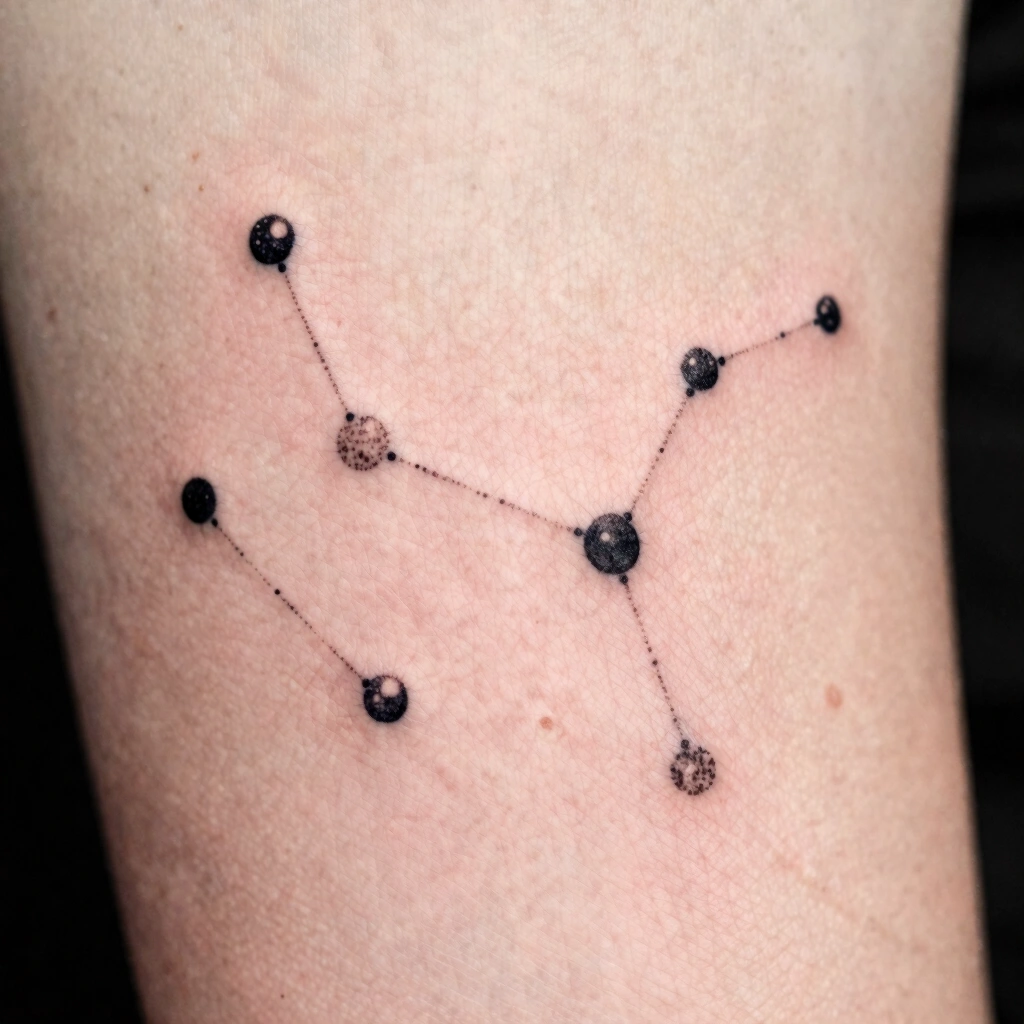
A constellation design connects small dots with thin straight lines to mimic real star patterns, often based on a zodiac sign or a meaningful date’s night sky. Keep the whole piece under 1.5 inches across the wrist’s width. Fine lines here should be done with a small needle configuration to prevent the connecting lines from thickening and losing the “sketched” look over time. This spot stings moderately, more at the tendon side than the fleshier underside. Bring your artist the actual star chart from a specific date and location — generic constellation flash art often doesn’t match your real story.
This design is popular for matching sibling or best-friend tattoos, since each person can get a different but related constellation.
7. Delicate Vine Wrap Around Wrist
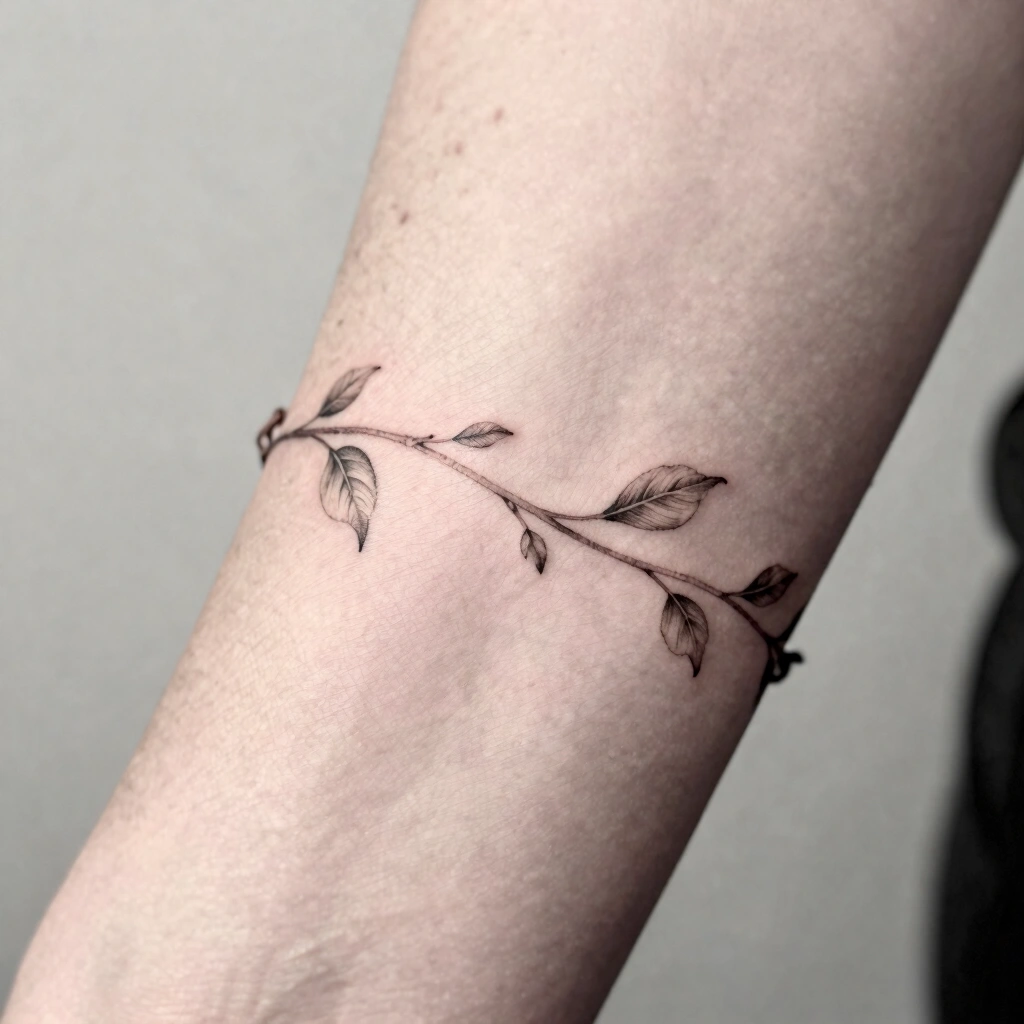
A thin vine, sometimes with two or three tiny leaves, wrapped partially or fully around the wrist uses continuous fine linework with slight variation in thickness to suggest organic movement. This design uses the wrist’s natural circumference well, following the joint’s curve rather than sitting flat. Stick to a quarter-inch width max; wider vines with added leaf detail tend to blur faster in this thin-skin zone. Healing generally takes 10 to 14 days, and gentle movement (typing, gripping) shouldn’t be restricted but may cause mild irritation the first few days.
Ask your artist to sketch the vine directly on your skin before stenciling so it follows your specific wrist shape. This is a great low-commitment option for a first tattoo and
looks intentional even at a tiny scale.
8. Micro Heart Outline
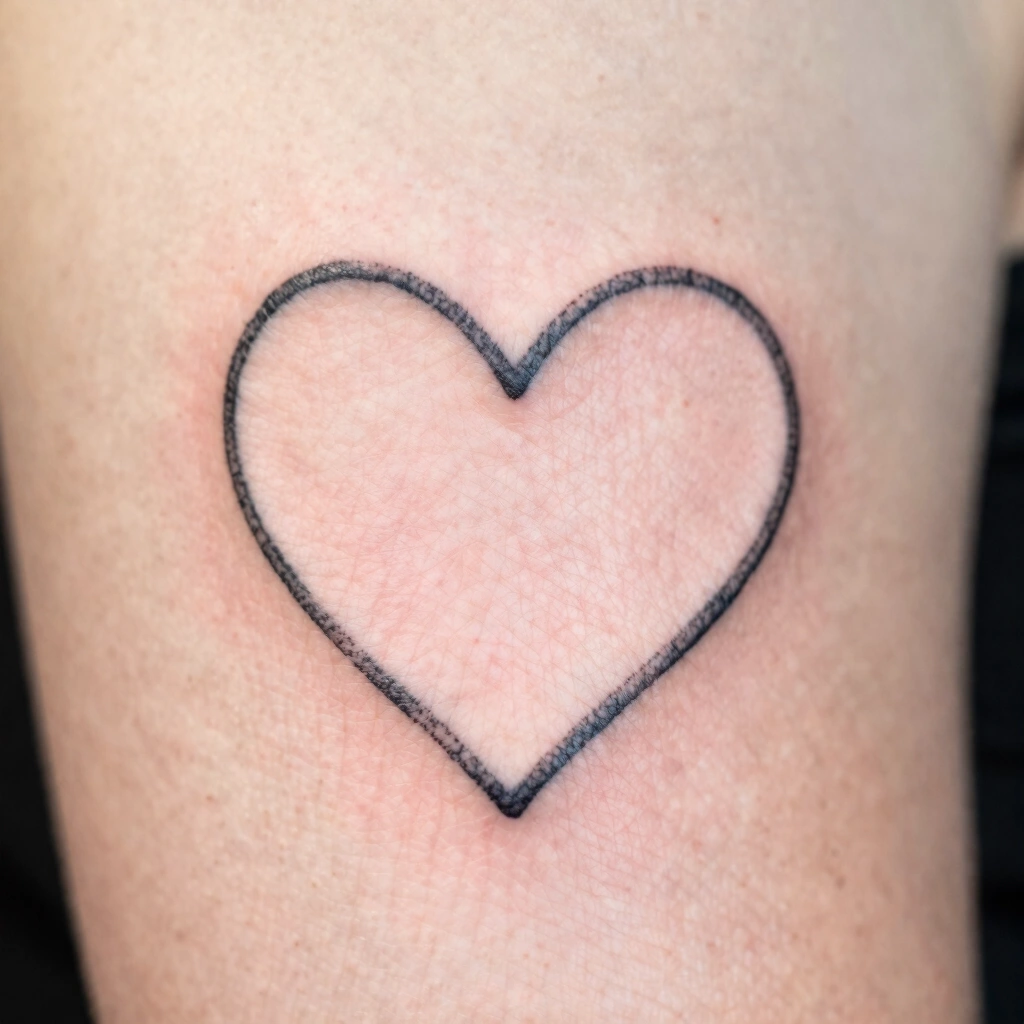
A heart outline, done in fine line with zero fill, is about as minimal as tattoo design gets, which is exactly its appeal. Kept around a quarter to half an inch, this works as a subtle nod to matching-tattoo trends among friends or family. Because there’s so little ink involved, healing is typically faster to look “settled,” often within 7 to 10 days, though full skin regeneration underneath still takes weeks. Pain is generally lower here since the outline requires fewer passes than shaded work.
A useful tip: ask for a slightly asymmetrical, hand-drawn look rather than a perfectly geometric heart — it reads as more custom and less like mass-produced flash art.
This size and style is easy to keep hidden for workplace dress codes.
9. Single Needle Sun and Moon
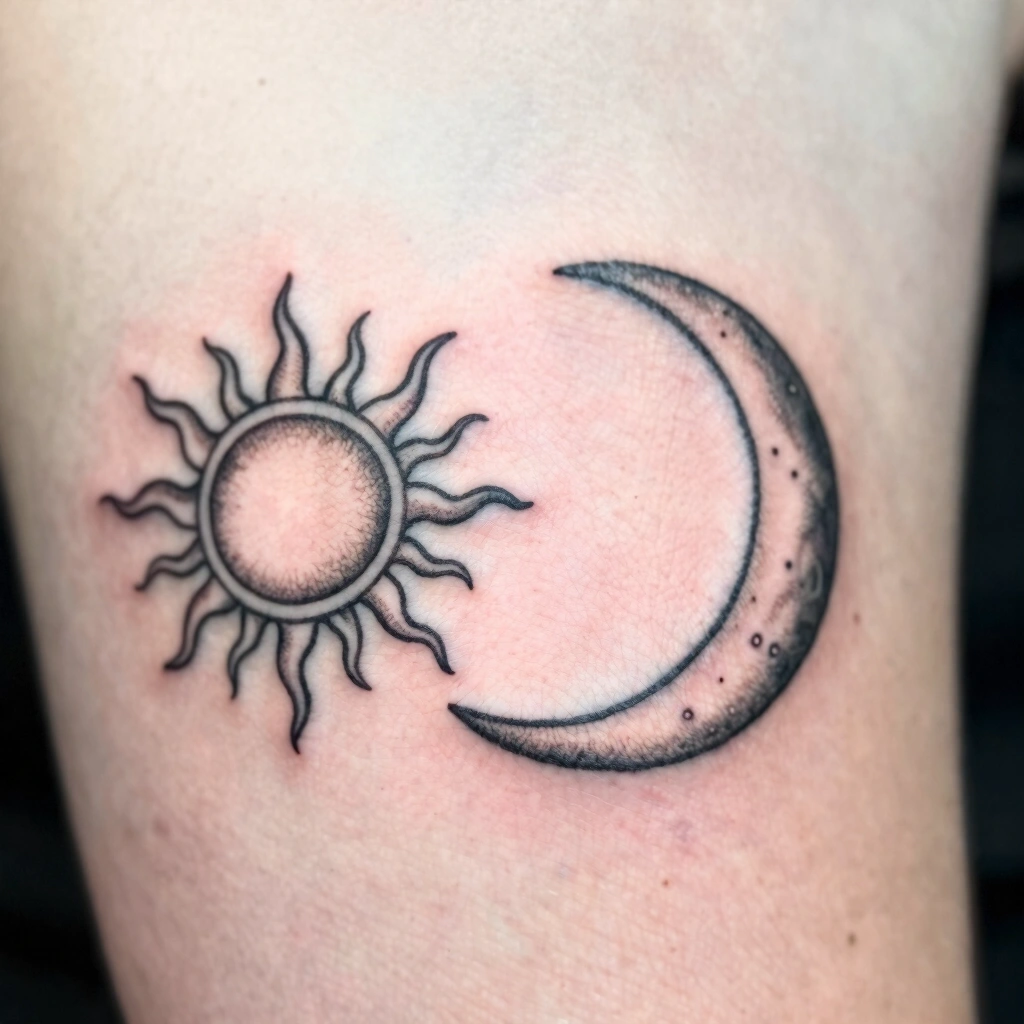
Pairing a tiny sun and crescent moon side by side, done in single-needle linework, creates a balanced symbolic design often chosen for meaning around duality or matching tattoos between two people. Keep each symbol under half an inch so they read as a paired set rather than crowding into one blurry shape. The sun’s rays should be spaced with visible gaps; cramming too many thin lines close together is one of the most common reasons this design turns into a solid dark circle after several years. This placement on the wrist stings moderately, with sharper sensation along the rays’ outward strokes. This design works well for two friends getting complementary halves, each taking one symbol.
10. Fine-Line Bird in Flight
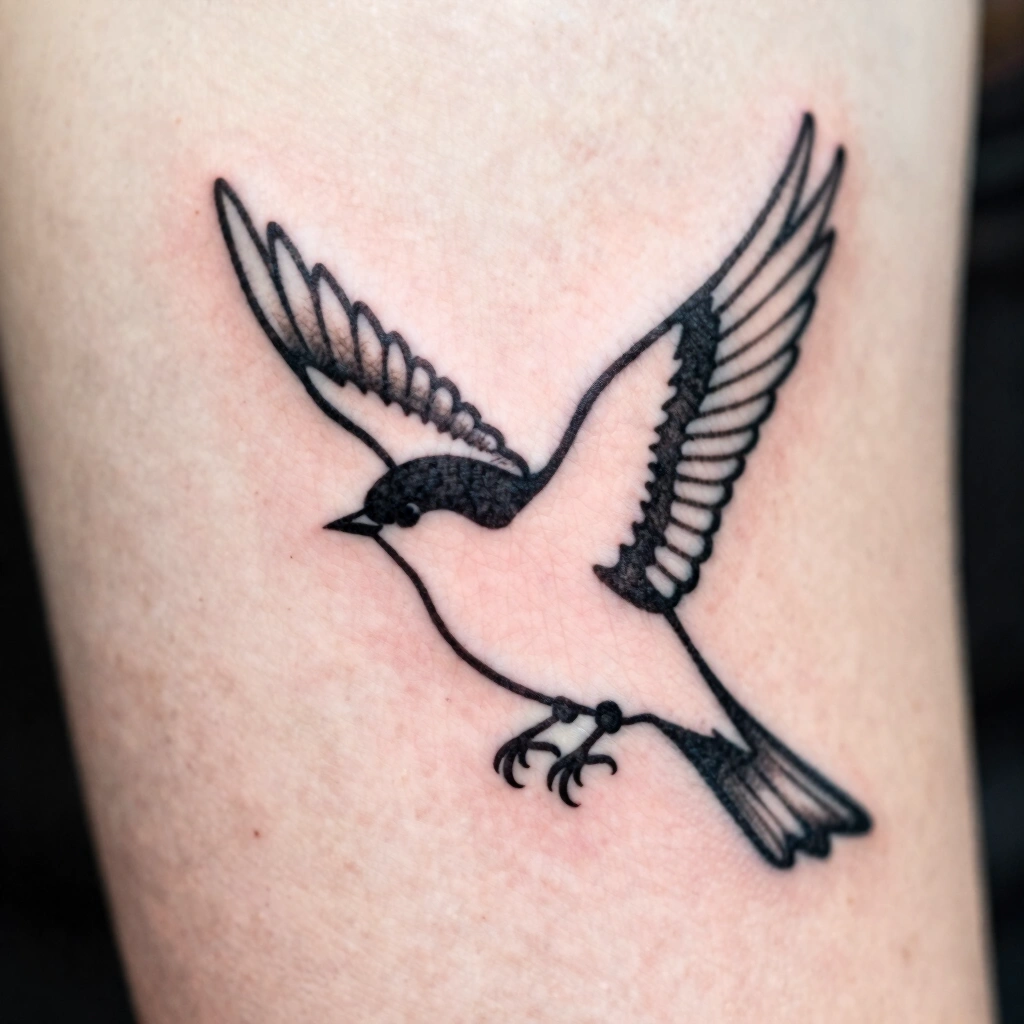
A small bird silhouette in mid-flight, rendered in fine line with minimal or no fill, captures movement through simple wing angles rather than detailed feathers. This design sits nicely angled diagonally across the wrist, following the natural line of the arm. Size should stay around one inch for wing detail to remain visible after aging; anything smaller tends to lose the wing tip definition within a few years. Healing takes the standard 10 to 14 days. Ask your artist to keep the line weight consistent throughout, since varying thickness on such a small bird can make wings look uneven once healed. This is a solid choice for someone wanting subtle symbolism around freedom or new beginnings without an overly literal image.
11. Tiny Geometric Triangle Cluster
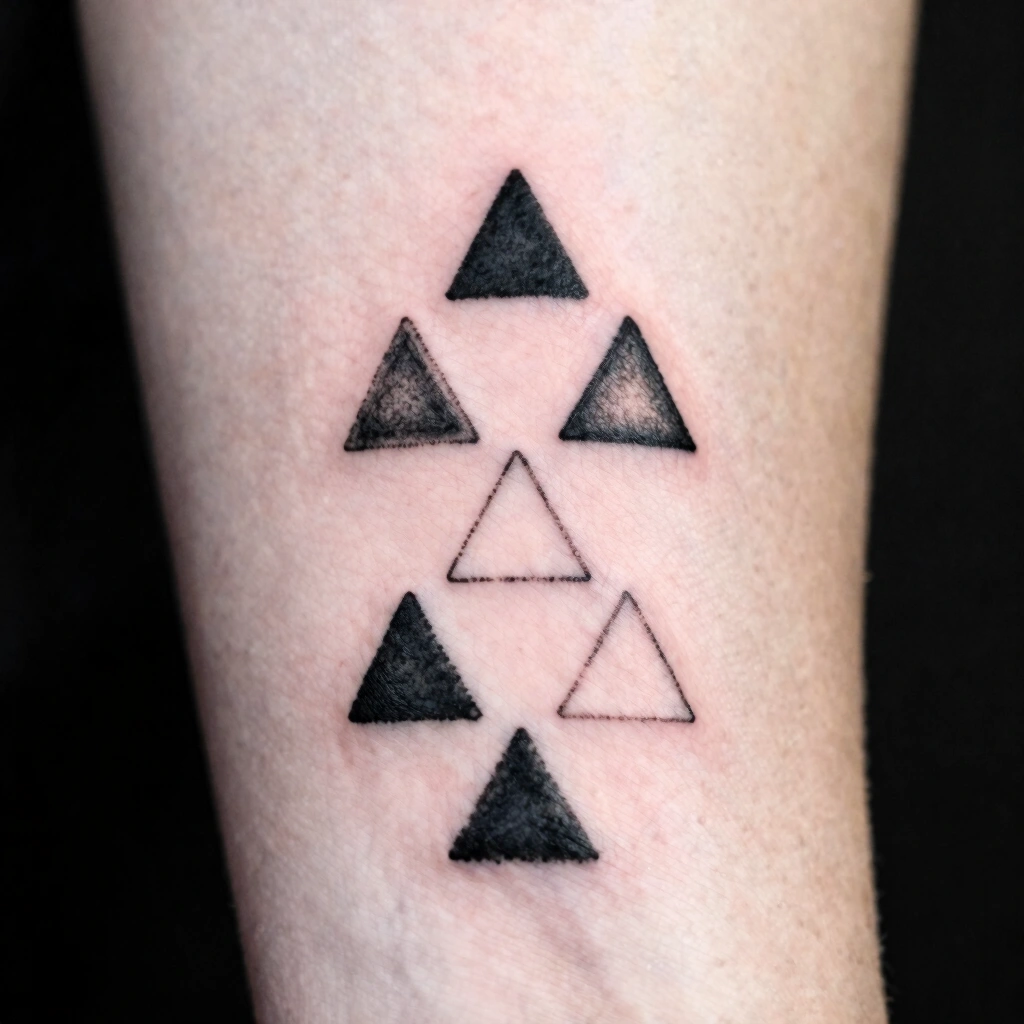
Three to five small triangles, either solid black or outline-only, arranged in an ascending or descending line along the wrist create a modern, architectural feel. This design relies on precise geometry, so ask your artist to use a ruler-guided stencil rather than freehand for crisp edges. Keep each triangle under a quarter inch; geometric shapes this small are especially prone to looking like smudges if line weight is inconsistent. Expect moderate discomfort since geometric linework often requires steady, repeated passes over the same short lines. This design suits people who want something graphic and clean rather than symbolic or floral, and it works well repeated on both wrists for a matched set.
12. Dotwork Mandala Fragment
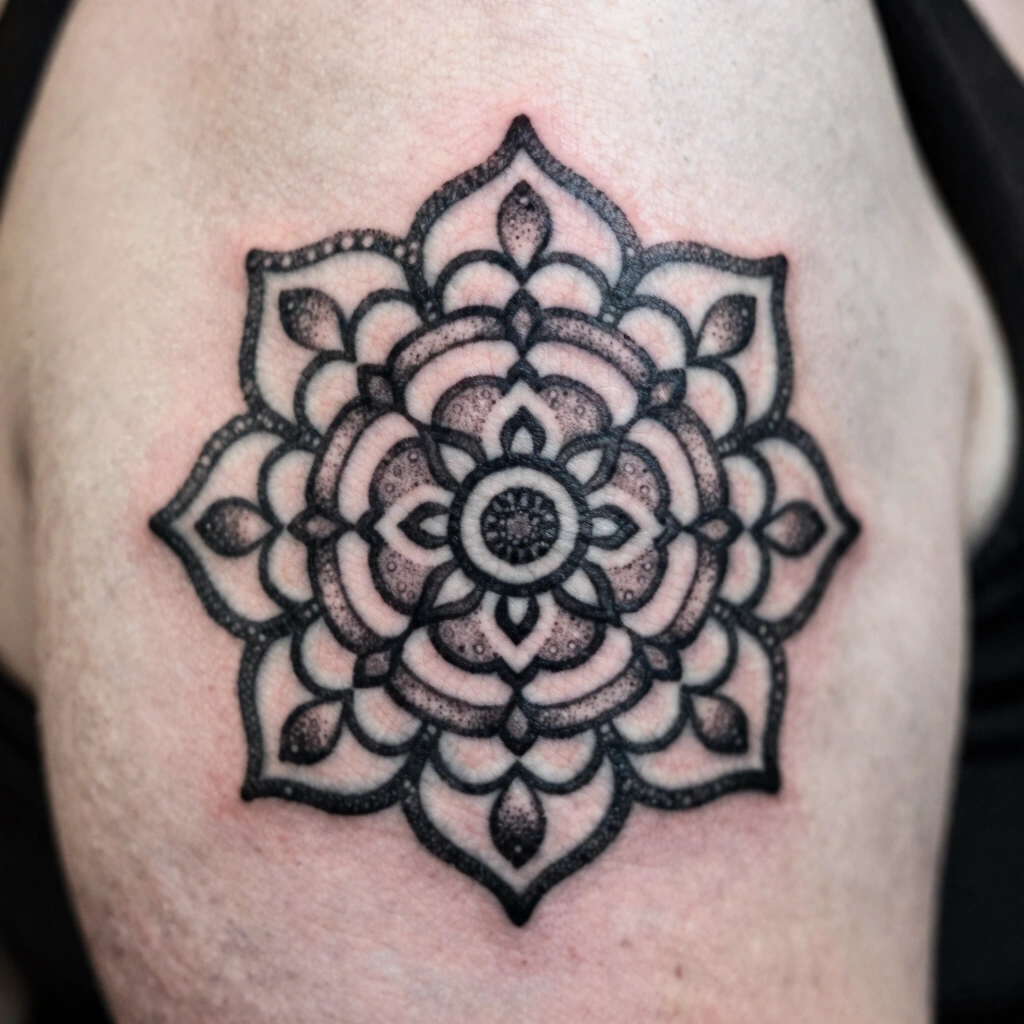
Rather than a full mandala (a circular, symmetrical pattern with layered detail), a small fragment or quarter-section uses dotwork shading to suggest the pattern without needing the full circle’s space. This works well curved around the wrist bone, using the joint’s natural shape as part of the composition. Keep it under an inch; full mandala detail rarely survives at wrist scale past three or four years without a touch-up. This spot is more sensitive during dotwork than fine line, since the technique means repeated dot placement over the same compact zone. This design gives you the intricate look of a larger mandala tattoo without the size commitment, appealing to first-timers who still want detail.
13. Fine-Line Feather
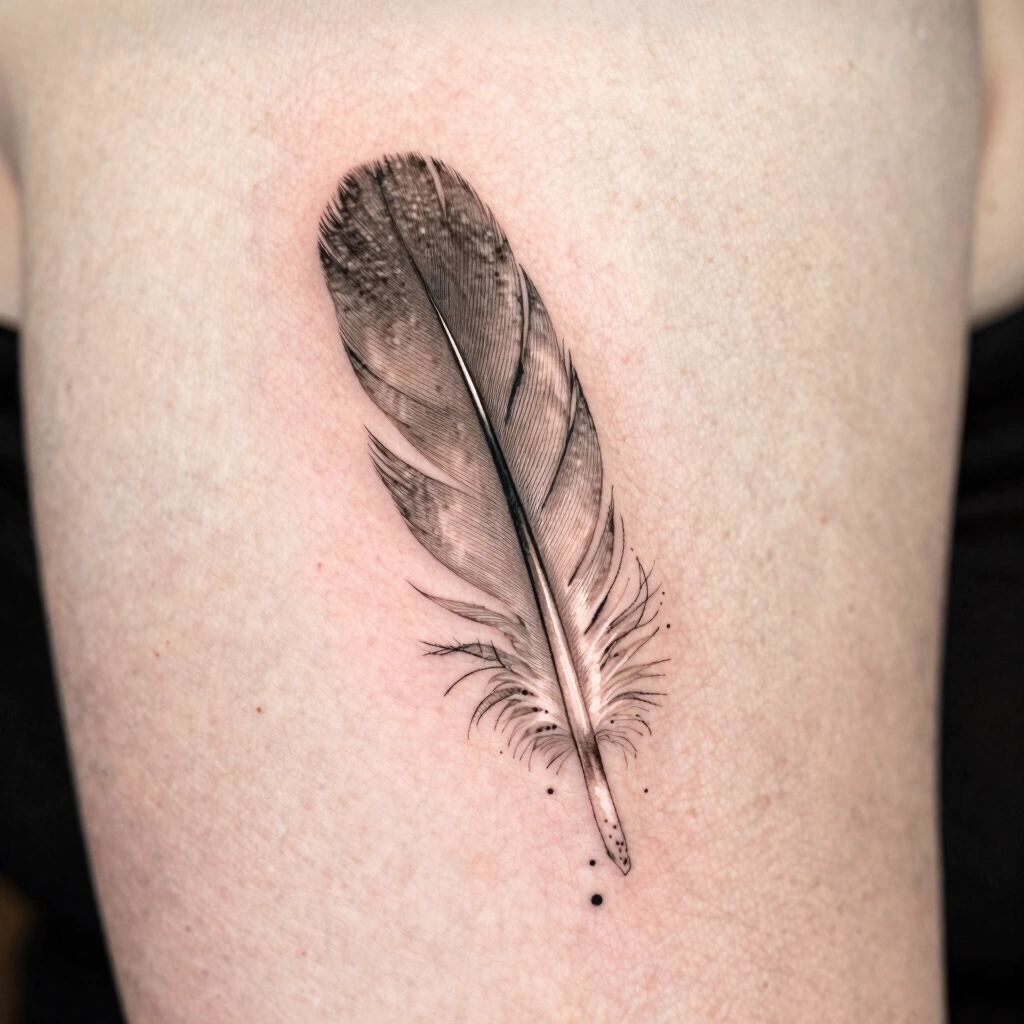
A feather done in fine line, sometimes with a few small dots trailing off the tip to suggest it’s dissolving into the air, is a classic minimalist choice that still offers visual texture through the feather’s barb lines. Angle it diagonally along the forearm-to-wrist line for natural flow. Keep it around one inch long; feather barbs finer than a hair’s width tend to fade into a solid shape over time. Healing takes about two weeks. Ask your artist to vary the spacing between barb lines slightly — perfectly even spacing can look stamped rather than organic. This works for both first-time and repeat clients wanting subtle, easy-to-dress-up-or-down symbolism.
14. Matching Arrow Tattoo
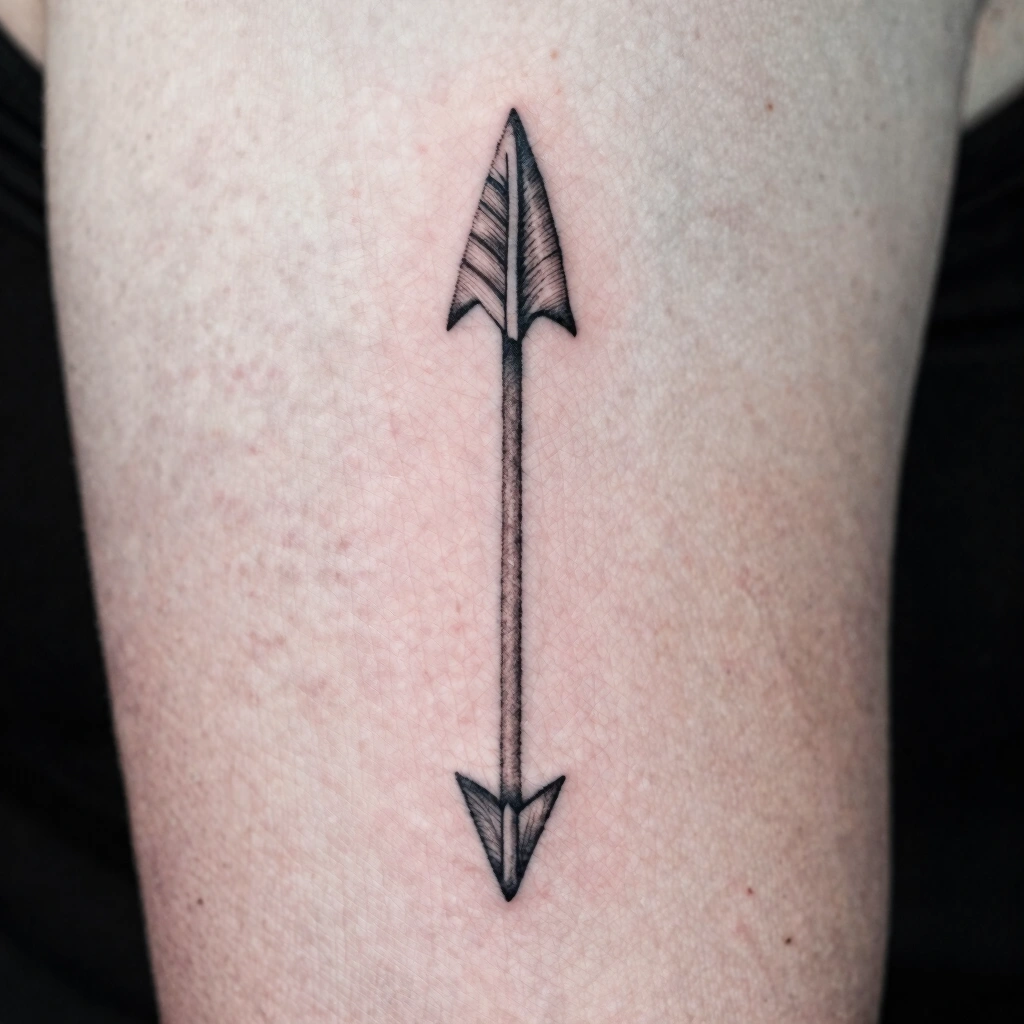
A simple arrow, done in solid fine line with a small triangular head, is one of the most requested matching-tattoo designs for friends, siblings, or couples. Direction matters symbolically for some — pointing toward or away from the hand — so ask your artist about orientation before the stencil goes on. Keep it around one inch, positioned horizontally across the wrist for the cleanest read. Pain is generally lower here since the design requires few passes. This tattoo ages well because there’s minimal fine detail to lose, making it a dependable choice for anyone worried about long-term blurring.
15. Single-Line Mountain Range
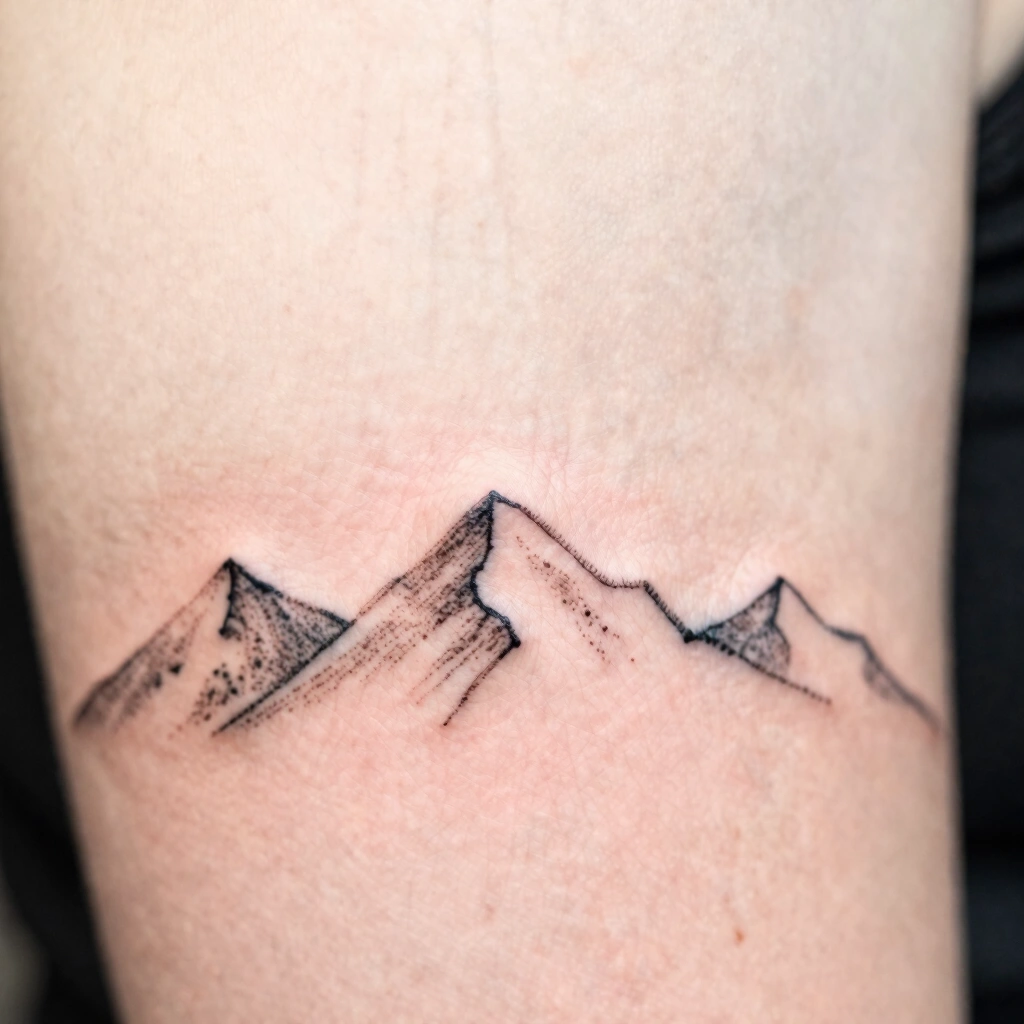
A row of small triangular peaks, drawn as one continuous line without lifting the needle, creates a simple mountain range silhouette. This single-line technique (sometimes called “one-line” tattooing) requires a steady-handed artist, so review their portfolio specifically for continuous-line work before booking. Keep the design under 1.5 inches wide to maintain peak definition. Wrist placement along the forearm’s edge works best for this horizontal composition. Expect moderate discomfort due to the sustained single pass. This design appeals to people wanting subtle symbolism around personal growth or travel, without an literal image like a compass or map.
16. Tiny Star Cluster
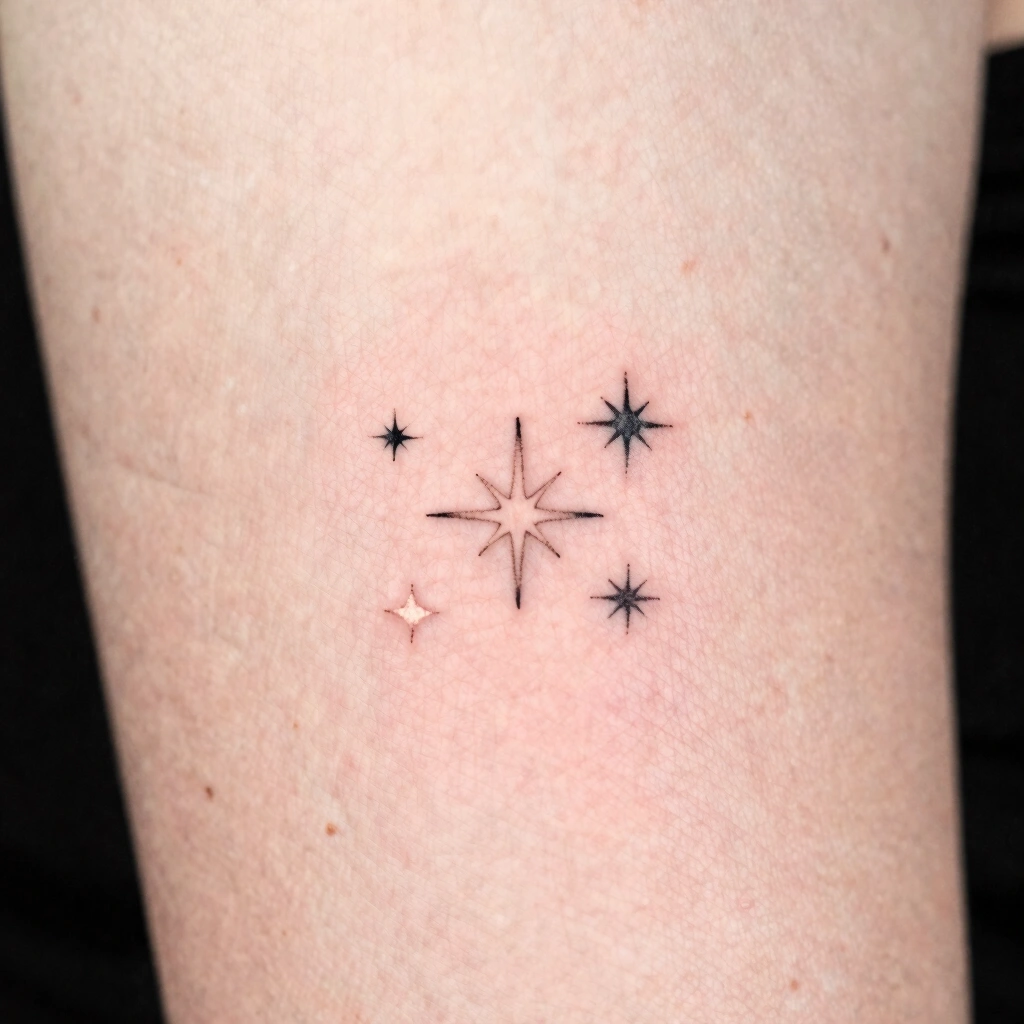
A small grouping of three to seven stars, mixing tiny solid-fill stars with a couple of outline-only ones, adds visual variety without needing color or shading. Scatter placement asymmetrically rather than in a straight line for a more natural night-sky feel. Keep total cluster width under an inch. This design has lower pain intensity than dotwork or solid blackwork since most stars are quick single passes. It’s an easy design to build onto later, adding more stars around it, which makes it appealing for people not ready to commit to a bigger piece yet.
17. Fine-Line Leaf Sprig
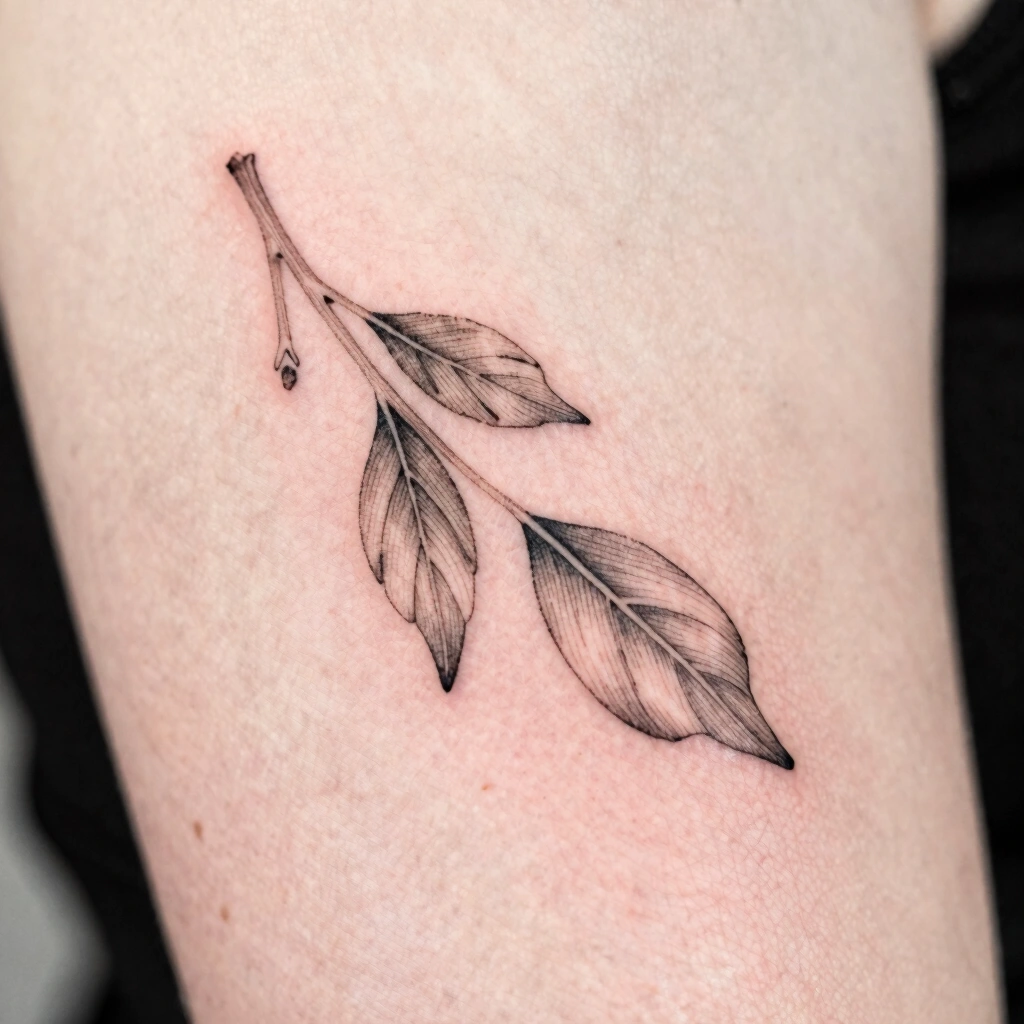
A small sprig with two or three leaves, done in fine line with subtle vein detailing, offers a botanical alternative to a full flower design. This suits the inner wrist especially well, where thinner skin lets fine lines sit close to the surface for a crisp look. Keep it around three-quarters of an inch; vein detail finer than that typically fades within a couple of years. This spot is more tender on the inner wrist than the outer side. Ask your artist whether they recommend a slightly thicker outer leaf line to prevent the whole design reading as one solid smudge later. This works well for anyone wanting something nature-inspired but understated.
18. Delicate Infinity Symbol
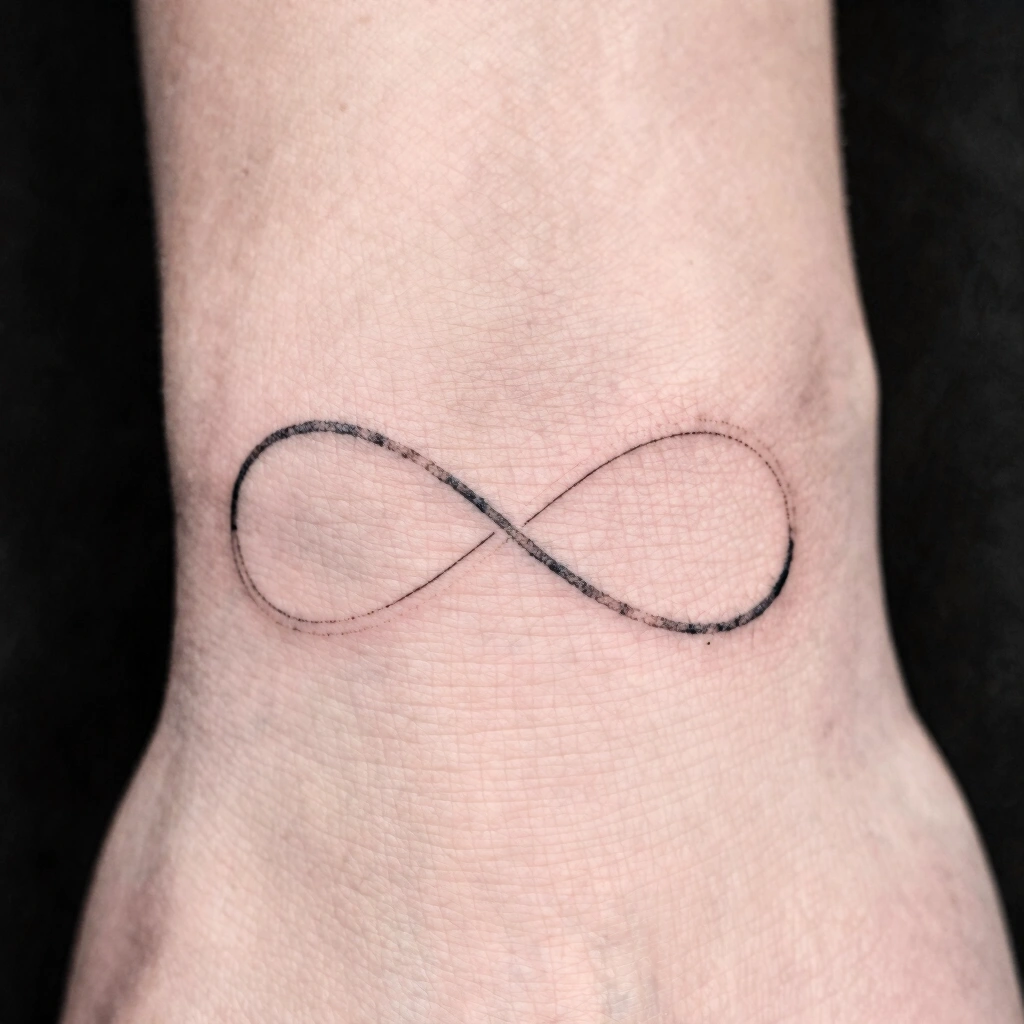
The infinity symbol, done in thin continuous fine line, remains one of the most requested minimalist wrist tattoos because of its simple shape and open-ended symbolism. Keep it around three-quarters of an inch wide and avoid adding extra elements like names woven through the loops at this size, since crowding tends to blur the loop shape over time. This design has a relatively low pain rating given its short, simple line path. It suits nearly any context, from workplace-visible spots to matching tattoos between partners or friends, and it ages reliably well because there’s so little fine detail to lose.
19. Single Needle Number or Date
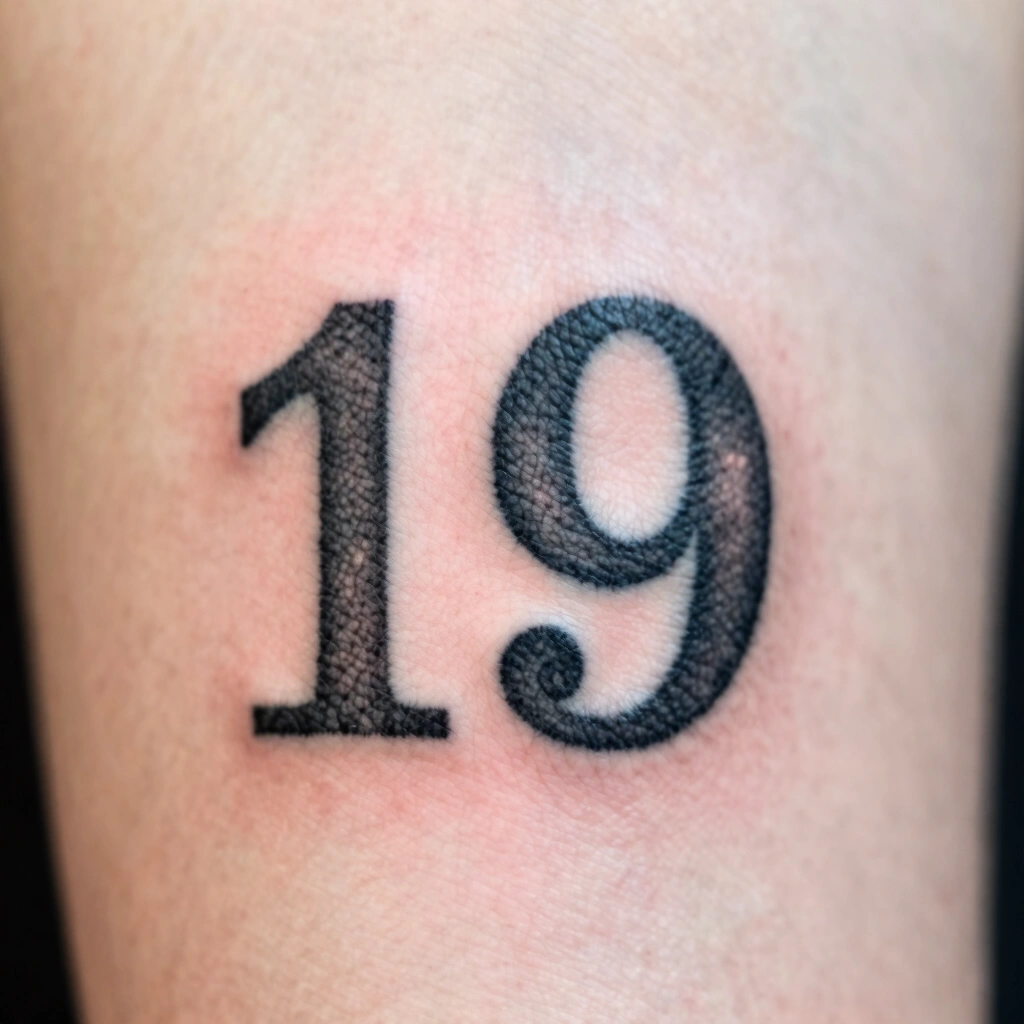
Small numerals, whether a birth date, anniversary, or meaningful number, done in single-needle work read cleanly at a small size when kept to simple, blocky numeral styles rather than elaborate cursive. Half an inch tall is generally the minimum for numbers to stay legible past the five-year mark. This design is quick to tattoo, which usually means less cumulative discomfort. Ask your artist to test the numeral spacing on paper first — even small gaps in spacing look very different once inked. This is a popular, deeply personal choice that works well as a solo piece or alongside a small symbol.
20. Tiny Blackwork Crescent Moon
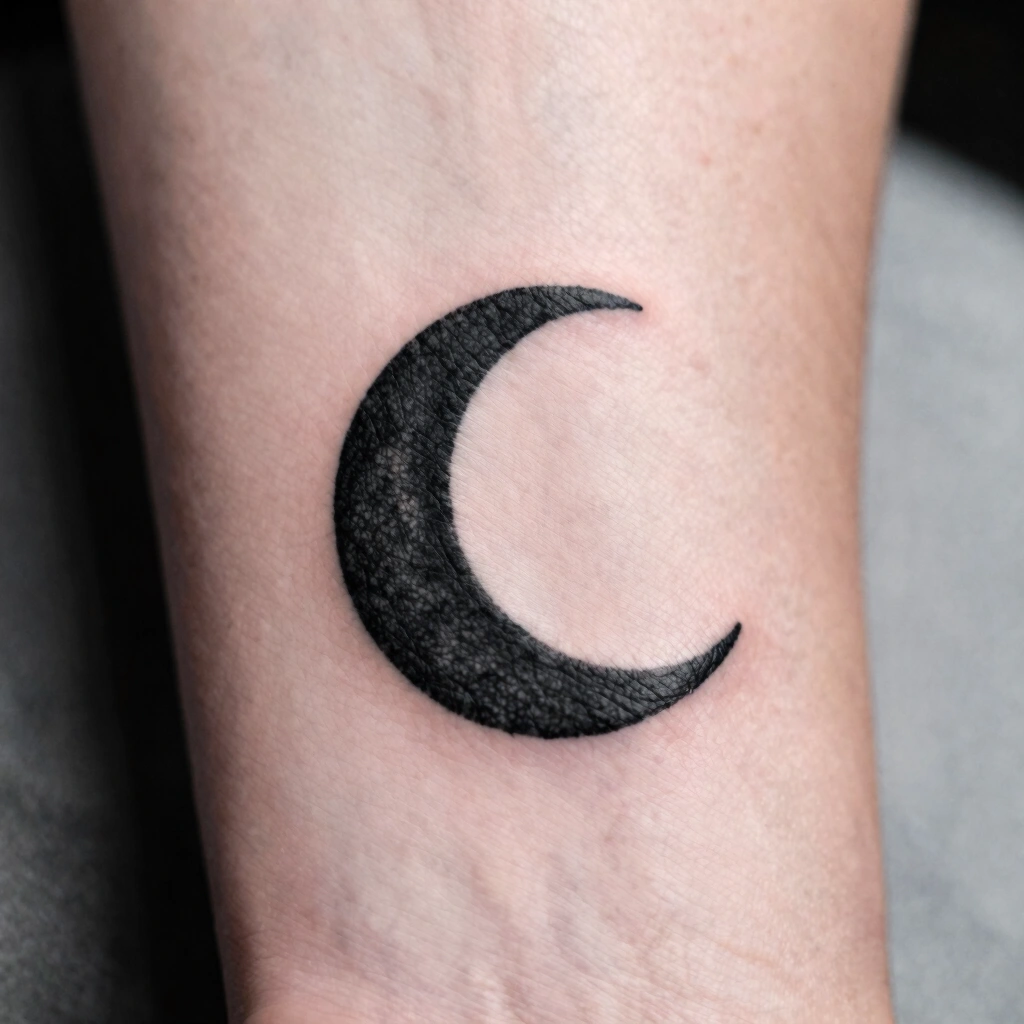
A solid black crescent moon, filled completely rather than outlined, offers bold contrast against the wrist’s thin skin without requiring much surface area. Keep it under half an inch; solid fill this small should still be simple enough that it doesn’t require gray wash shading to look complete. This design has a slightly higher pain rating than pure outline work because of the solid fill technique. It’s a durable, low-maintenance choice that reads well from a distance and holds its crisp edge longer than more detailed celestial designs, making it a strong closing choice for anyone who wants meaning without visual complexity.
Fine Line, Blackwork, Dotwork, and Single Needle: What’s the Difference?
Since these terms come up constantly when booking tiny wrist tattoos, here’s a quick breakdown so you can speak the same language as your artist during your consultation.
Fine line — A technique using a thin needle configuration to create delicate, low-saturation lines, often with little to no shading. Best for sketch-like, minimalist designs.
Blackwork — Tattoos using solid black ink, often with bold fill areas combined with contrasting fine outlines. Best for graphic, high-contrast designs that need to hold up long-term.
Dotwork — A technique building shading and texture from clusters of small dots instead of continuous lines. Best for designs wanting subtle gradient or symbolic texture without solid color fill.
Single needle — A specific fine-line approach using one needle point for extremely thin, precise lines, commonly used for script and tiny detailed imagery. Best for text and micro-detail work, though it fades faster than thicker linework.
Best Placement Ideas
- Inner wrist — highly visible, thinner skin means sharper sensation, easy to cover with a watch or sleeve
- Outer wrist (top side) — slightly less sensitive, more durable for daily wear and friction, good visibility for work settings
- Wrist bone / joint edge — bonier area with more sensitivity, but great for designs meant to wrap or follow a curve
- Side of wrist near thumb — moderate sensitivity, good for vertical or diagonal designs like arrows or feathers
- Full wrist wrap — more exposure to friction from watches or bracelets, so expect a slightly longer settling period
Tips for Success
Start by reviewing an artist’s portfolio specifically for the technique you want — a shop full of bold traditional tattoos isn’t automatically great at fine line or single needle work, and the reverse is true too. Look for consistent line weight, clean edges, and evidence of healed (not just fresh) photos, since fresh tattoos always look sharper than they will in six months. Book a real consultation rather than a walk-in slot if your design has any custom elements; walk-in booking works fine for simple flash designs but rushes the planning for anything personalized. Bring reference photos, be upfront about your pain tolerance and any skin sensitivities, and ask directly what needle size and technique they plan to use.
Common Mistakes and How to Avoid Them
- Sizing too small for the detail requested — fine lines and shading need minimum size thresholds to survive skin aging; ask your artist if your design idea is realistic at your desired size
- Choosing a placement that fights the design’s shape — a horizontal design squeezed into a vertical space often looks cramped; discuss orientation before the stencil stage
- Skipping aftercare instructions — even minimalist tattoos need proper care during healing to avoid patchy fading
- Copying a design exactly from Pinterest or Instagram — a good artist can personalize proportions and small details so the piece fits your specific wrist shape and skin tone
Similar Variations
Almost every design above can shift in feel with small changes. A fine-line flower can become a blackwork silhouette by filling the petals solid instead of leaving them outlined. A dotwork moon phase set can be resized larger and moved to the forearm for more visual impact. Matching arrow or heart tattoos can be recolored with a single small accent color, like a muted red or blue, instead of staying pure black, though color tends to fade faster than black ink at this small scale. Combining two smaller ideas, like a tiny star cluster paired with a crescent moon, is also common for people who want more visual interest without committing to a large single piece.
Aftercare Basics
General tattoo aftercare consensus, according to most professional studios, includes keeping the area clean, avoiding direct sun exposure during healing, and avoiding soaking the tattoo in pools, baths, or open water for the first couple of weeks. Loose clothing near the wrist helps reduce friction from watches, bracelets, or sleeves during the healing window. Every studio provides a specific aftercare sheet tailored to their preferred products and technique, and that sheet should always take priority over general advice found online. If you notice unusual redness, prolonged irritation, or anything that seems outside normal healing, consult a licensed dermatologist or your tattoo artist directly rather than guessing.
Quick FAQ
How much does a tiny wrist tattoo cost?
Most small wrist tattoos fall between $60 and $200, depending on the studio’s minimum rate, the complexity of the design, and whether it’s custom or flash. Highly detailed dotwork or custom fine-line pieces can run higher due to the time required for precision work.
Does a wrist tattoo hurt a lot?
Pain tolerance varies by individual, but the wrist is generally considered a more sensitive area due to thin skin and proximity to bone. Solid fill and dotwork techniques tend to feel more intense than simple outline work in the same spot.
How long does healing take?
Surface healing usually takes 10 to 14 days, though the deeper skin layers can take several weeks to fully settle. Following your artist’s specific aftercare instructions matters more than the general timeline.
Will a tiny wrist tattoo fade quickly?
Fine, detailed linework fades faster than bold blackwork simply because there’s less ink saturation to begin with. Sun exposure, friction from jewelry, and skin turnover all affect fading speed, and touch-ups every few years are common for very fine designs.
Picking the right tiny wrist tattoo really comes down to matching the design’s technique to how much detail you actually want to survive long-term, and being honest with yourself about placement, pain, and upkeep before you book. A good artist will walk you through all of this at your consultation, so don’t be afraid to ask direct questions about needle type, sizing, and healed results before committing.
At the end of the day, the best tiny wrist tattoo ideas for female clients are the ones that fit your skin, your lifestyle, and your patience for touch-ups — not just whatever looks best in a single photo online.