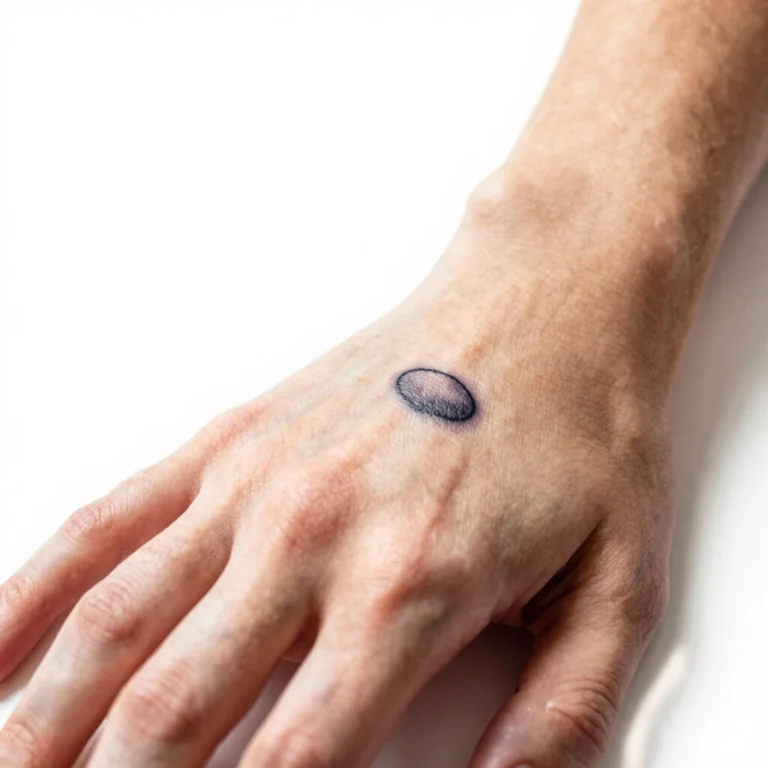
20 Tattoo Designs for Girls on Hand: A Complete Guide to Getting It Right
Nervous about picking a design you’ll regret in five years? Hand tattoos are visible, personal, and they change how you move through the world—so you want something that actually works. I’ve spent time around studios, watched artists adjust stencils for tiny wrists, and seen what heals well versus what fades into a blurry mess. This guide gives you real, practical advice for 20 hand tattoo designs, with placement tips, technique breakdowns, and honest tradeoffs. No fluff, no “you’ll love this!” without a reason.
So what are the best tattoo designs for girls on hand? Small, fine-line motifs like minimalist flowers, single-needle symbols, and delicate geometric patterns work best because they complement the hand’s natural curves, heal quickly on small surface areas, and stay readable over time. Simple linework with intentional negative space ages better than heavily shaded designs at this size. You also need to consider placement (wrist, back of hand, fingers) and how the design will move with your skin.
Ready to get a design that actually fits you? Below, I’ll walk through 20 ideas with specific technique names, placement advice, pain levels, healing tips, and how to describe each one to your artist. Plus, I’ll cover aftercare, common mistakes, and what to ask before you book.
Why Hand Tattoos Need Extra Thought
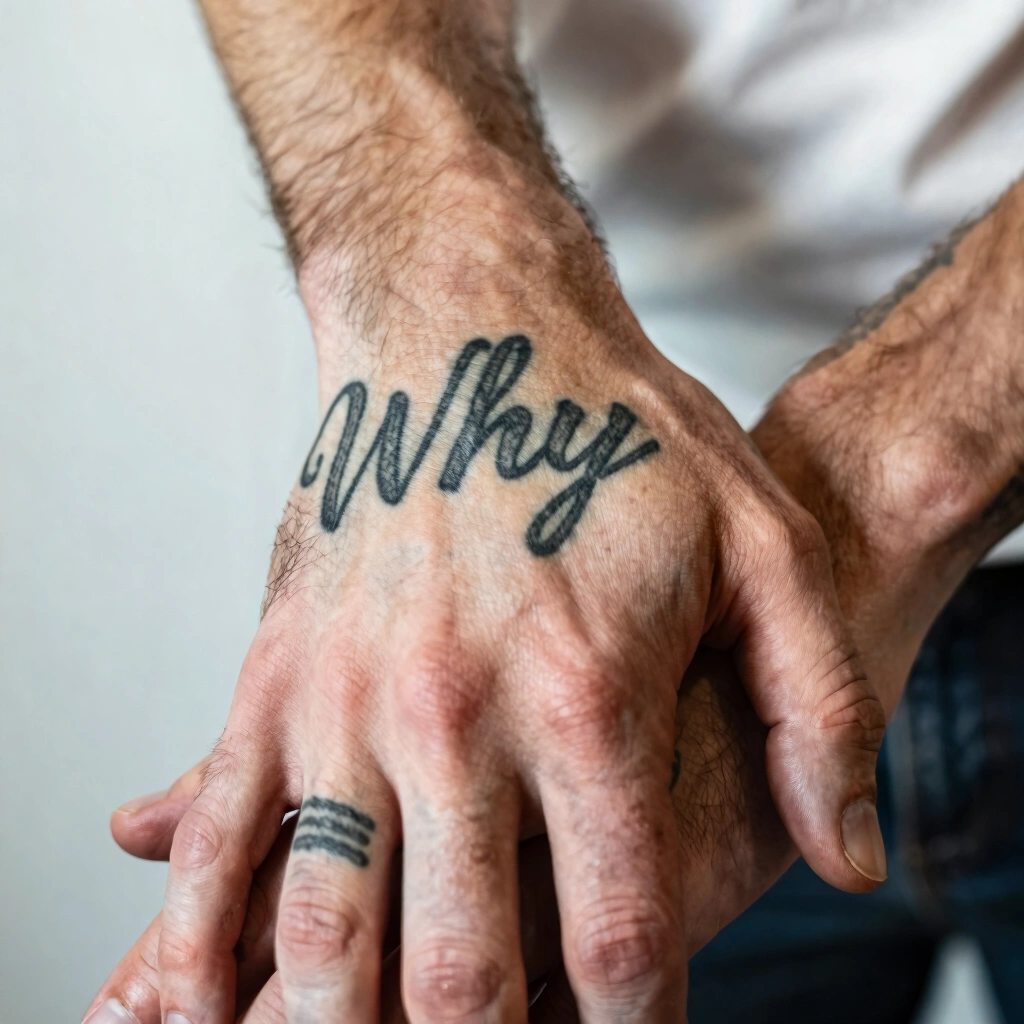
Your hands work hard. They bend, stretch, and see the sun more than any other body part. That means a hand tattoo faces constant movement and UV exposure, which affects how the ink settles. A knowledgeable artist will adjust line weight, shading depth, and placement to account for this. Fine-line designs (single needle or 3RL) tend to hold up well if they’re not too tiny. Bold traditional lines can also work, but they feel heavier on the hand. The key is choosing a design that matches the hand’s natural geometry—curves, creases, and small flat areas. Let’s dive into 20 specific ideas, each with the details you need.
1. Fine-Line Floral Stem

A single thin stem with two tiny leaves and a small bud, drawn in fine line (3RL or 5RL needle). The line weight is consistent—about 0.25mm—with no shading, just clean contour. This works best on the inner wrist, starting at the palm crease and curving toward the forearm. Ideal size: 1.5 to 2 inches. Healing takes about 2–3 weeks, but the wrist area is prone to rubbing against sleeves, so keep it moisturized (unscented, no alcohol). Tip: Bring a photo of a real flower stem, not a sketch, so your artist can trace the exact shape. Pain level: moderate—bony area, but a small design is quick. This design is subtle enough for visible workplaces (easily covered by a watch or bracelet), and it ages well because the lines are thick enough to stay distinct. Transition: If you prefer a bolder floral look, try a single rose outline next.
2. Single-Needle Rose Outline

A single-needle (1RL) outline of a rose, no fill, just the petals, stem, and one leaf. The needle creates a very fine line—almost like a pen drawing—with delicate variations in pressure for depth. Place it on the back of the hand, just above the knuckles, about 1 inch wide. Because it’s all outline, it heals faster than shaded designs (2–3 weeks) and fades less. Tip: Ask your artist to use a stencil that follows the hand’s natural curve, not a straight-on angle. Pain level: medium—the back of the hand has thin skin, but the process is quick. This design works for a first tattoo because it’s small and easy to cover. Over time, the lines may spread slightly, but that’s part of the charm. Transition: For a geometric take, consider a single-line mountain.
3. Continuous Line Mountain

A single unbroken line (0.5mm) that forms a mountain peak with a tiny sun, all in one stroke. The technique is “continuous line”—the artist never lifts the needle. This creates a fluid, minimal look. Best placement: the side of the wrist, about 1.5 inches. Size: 1–2 inches. Healing: 2 weeks. Tip: Show your artist a reference of a continuous line drawing (not a real mountain) so they understand the style. Pain level: low to moderate. This is ideal for a matching tattoo with a friend because the line can be mirrored. It also ages well—the single line stays clear. Transition: If you want something more abstract, go for a dotwork circle.
4. Dotwork Minimalist Circle

A circle created entirely from tiny dots (dotwork, using a 3RL tight liner). The dots are spaced evenly, forming a soft, textured ring. Inside the circle, leave negative space. Place it on the webbing between thumb and index finger, about 1 inch. This spot sees less friction, so healing is easier (2–3 weeks). Tip: Ask for a dotwork stencil to ensure the dots are placed precisely. Pain level: medium—the webbing is sensitive. This design is great for a first tattoo because it’s hidden and small. Dotwork ages well if the dots are deep enough; avoid artists who pack dots too lightly. Transition: Another geometric option is a micro triangle.
5. Micro Triangle With Negative Space

A tiny triangle (about 0.5 inch) outlined in blackwork (3RL) with the center left empty—negative space. The lines are bold enough to hold but thin enough to feel delicate. Place it on the back of the hand, near the wrist bone. Healing: 2 weeks. Tip: Bring a photo of a geometric tattoo with negative space (not just a triangle) to show the exact effect you want. Pain level: low. This design is symbolic (triangle = change, strength) and works for a group of three friends. Over time, the negative space stays clean because there’s no ink to fade. Transition: For a softer symbol, consider a small star.
6. Fine-Line Star Constellation

A cluster of 5–6 tiny stars connected by fine lines (1RL), forming a specific constellation (like the Big Dipper or Cassiopeia). Each star is a small dot or asterisk-like shape. Place it on the inner wrist, about 1.5 inches. Healing: 2–3 weeks. Tip: Choose a constellation that has personal meaning (birth month, favorite sky pattern) and bring a clear star chart. Pain level: low. This design is easy to cover with a bracelet and is a popular matching tattoo for siblings or best friends. The fine lines may need a touch-up after 5–10 years, but the small dots hold better. Transition: If you want a celestial symbol that’s more bold, try a moon phase.
7. Blackwork Moon Phase

A crescent moon in blackwork (solid black fill) with a small dot for the moon’s shadow, no outlines. The fill is dense (saturated black) with a curve that follows the hand’s shape. Place it on the side of the index finger, about 1 inch long. Healing: 2 weeks, but finger tattoos fade faster—expect a touch-up within 6 months. Tip: Ask your artist to use a 9RL shader for the fill to minimize passes. Pain level: high—finger bones are close to the skin. This is a bold statement piece, but it may not be workplace-appropriate. Transition: For a more delicate celestial, try a single needle sun.
8. Single-Needle Sunburst

A small sun with 8 rays, all drawn with a single needle (1RL). The lines are extremely thin, giving a delicate, ethereal look. Place it on the back of the hand, near the wrist, about 1 inch. Healing: 2–3 weeks. Tip: The sunburst should be asymmetrical—irregular rays look more organic. Pain level: medium. This design is subtle enough for a first tattoo and ages well because the thin lines fade gracefully. Transition: If you want a botanical instead, try a fern leaf.
9. Fine-Line Fern Leaf

A single fern frond with small leaves branching off a central stem, drawn in fine line (3RL). The leaves are slightly spaced to use negative space. Place it on the outer wrist, curving along the bone, about 2 inches. Healing: 2–3 weeks. Tip: Bring a real fern leaf (or a photo) for the artist to trace. Pain level: low. This design is popular for nature lovers and works well as a matching tattoo. The negative space helps it age—lines don’t blur into each other. Transition: Another leaf option is a eucalyptus branch.
10. Eucalyptus Branch With Dotwork Leaves

A thin branch with small oval leaves, each leaf filled with a dotwork gradient (lighter dots at the edges, darker in the center). The technique uses a 3RL for dots and a 5RL for the branch outline. Place it on the inner wrist, about 2 inches. Healing: 3 weeks. Tip: Ask for a reference photo of a dotwork leaf to show the desired shading. Pain level: low. This design is slightly more complex, so it’s better for someone with at least one tattoo. The dotwork ages well if the artist uses dense, consistent dots. Transition: If you want animal imagery, consider a tiny bird.
11. Negative Space Bird

A bird silhouette created by leaving the bird shape empty (negative space) and tattooing the background around it with blackwork (9RL shader). The result is a white bird on a black hand. Place it on the back of the hand, about 1.5 inches. Healing: 2–3 weeks. Tip: Make sure the bird shape is simple (a swallow or dove) so the negative space is clear. Pain level: medium—the background fill takes longer. This design is bold and unique, but it’s harder to cover. Touch-ups are rare because the black fill holds well. Transition: For a smaller animal, try a cat silhouette.
12. Fine-Line Cat Silhouette

A tiny cat outline (1RL), sitting or stretching, with minimal detail (just the ears, tail, and body curve). No fill. Place it on the side of the pinky finger, about 0.5 inch. Healing: 2 weeks, but expect fading on the finger. Tip: Bring a simple silhouette image—not a realistic cat—so the artist can trace it. Pain level: high. This is a subtle tribute to a pet. Because it’s so small, you may need a touch-up after 2–3 years. Transition: Another pet option is a paw print in dotwork.
13. Dotwork Paw Print

A paw print where the pads are created from dots (dotwork, 3RL) and the toes are small lines. The dots form a gradient—denser in the center of each pad. Place it on the inner wrist, about 1 inch. Healing: 2–3 weeks. Tip: Show your artist a photo of a real paw print, not a generic icon. Pain level: low. This is a classic for pet lovers. The dotwork gives it a softer look than a solid black print. It ages well because the dots are spaced. Transition: If you want a symbol for a relationship, try a matching heart.
14. Matching Single-Needle Heart

Two tiny hearts (one for each person), each drawn with a single needle (1RL) and filled with a light wash of grey (not solid black). The lines are imperfect—slightly different sizes—to feel organic. Place on the inner wrist or side of the hand. Healing: 2 weeks. Tip: Get the hearts done at the same time by the same artist for consistency. Pain level: low. This is a classic BFF tattoo. Over time, the grey wash fades more than black, so you may need a touch-up after 5 years. Transition: For a romantic symbol, try a lock and key.
15. Fine-Line Lock and Key

A tiny lock (outline only) and a separate key, each about 0.5 inch, drawn with a 3RL. The key has a small bow (the handle) and simple teeth. Place the lock on one hand’s wrist and the key on the other. Healing: 2–3 weeks. Tip: Bring a photo of a vintage lock and key for the artist to simplify. Pain level: low. This works for couples or best friends. The design is small enough to hide under a watch. Fine lines may need a touch-up after 10 years. Transition: Another pairing idea is a puzzle piece.
16. Puzzle Piece With Negative Space

A single puzzle piece outline (3RL) with the inside left empty (negative space) and a small dotwork pattern inside the tab. The tab extends outward. Place it on the back of the hand, near the wrist. Healing: 2 weeks. Tip: Make sure the puzzle piece is oriented so the tab points toward the thumb—it looks more natural. Pain level: low. This is a matching tattoo for a group. The negative space helps it age without blurring. Transition: If you want a script, try a single word.
17. Blackwork Script Word

A single word (like “hope” or “love”) in a sans-serif font, all blackwork (solid fill, 3RL outline). The letters are about 0.5 inch tall, with no extra flourishes. Place it along the side of the ring finger, reading up toward the knuckle. Healing: 2–3 weeks, but finger script fades fast—expect a touch-up. Tip: Choose a short word (3–5 letters) and ask the artist to use a stencil that follows the finger’s curve. Pain level: high. This is a bold statement, but it’s not ideal for first-timers due to placement. Over time, the letters may spread, so choose a font with thick enough lines. Transition: For a more decorative script, try a cursive initial.
18. Fine-Line Cursive Initial
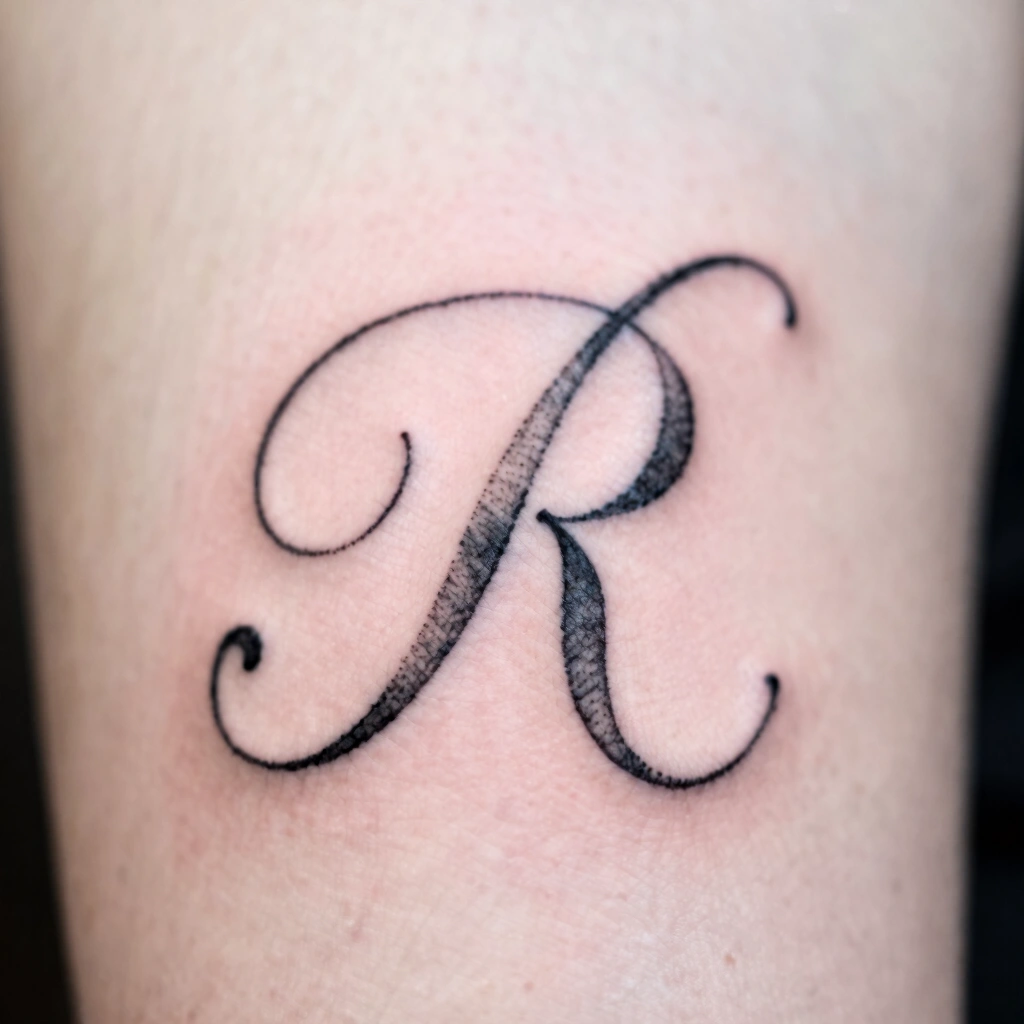
A single cursive letter (your first initial or a partner’s) drawn with a fine line (1RL), no fill, with a small tail that loops. Place it on the side of the wrist, about 0.5 inch. Healing: 2 weeks. Tip: Bring a photo of your handwriting or a calligraphy sample so the artist can match the style. Pain level: low. This is very subtle and can be a first tattoo. The fine line ages gracefully, but may need a touch-up after 10 years. Transition: If you want a nature-inspired symbol, try a wave.
19. Single-Needle Wave
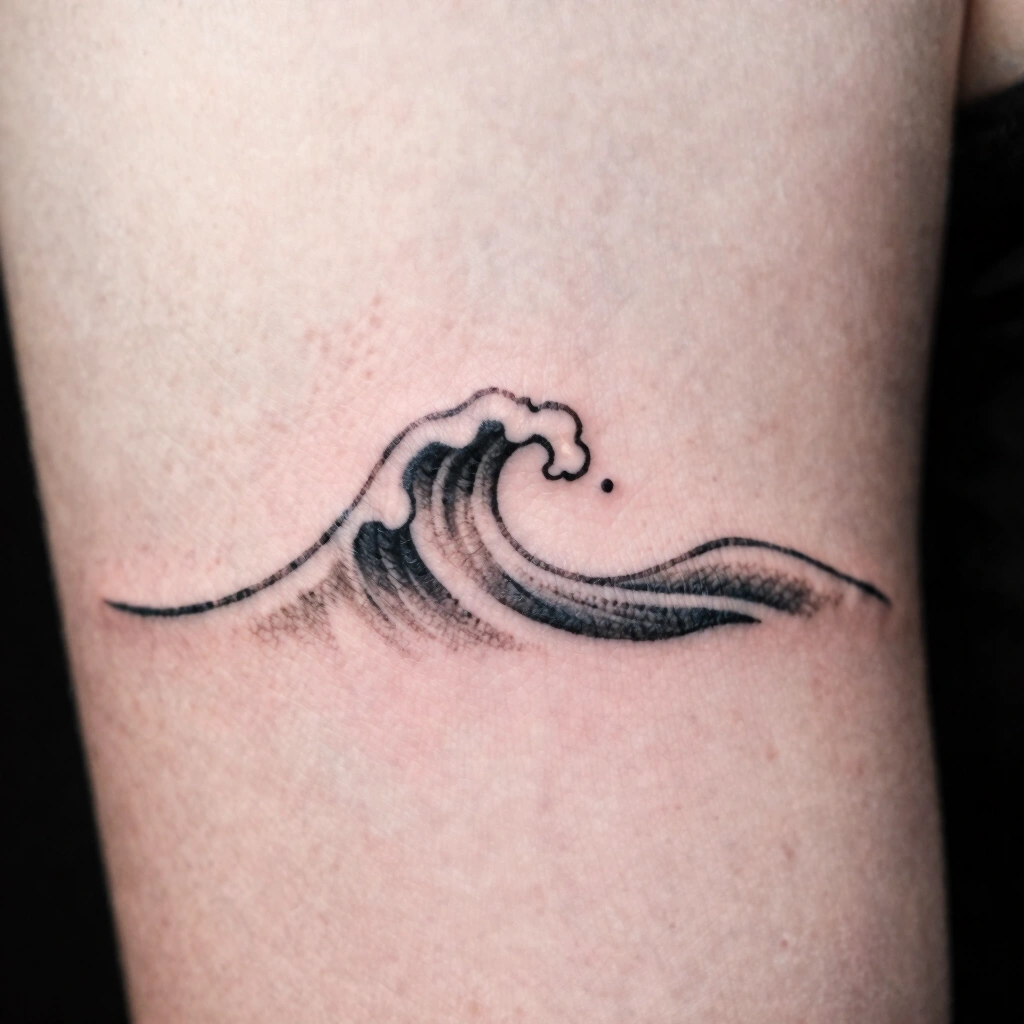
A single wave line (1RL) that curves like a sine wave, with a small dot at the peak. No shading. Place it on the inner wrist, about 1.5 inches. Healing: 2 weeks. Tip: Show the artist a photo of a Japanese wave pattern for inspiration. Pain level: low. This is a minimalist symbol for change or travel. The line is thin but holds up well because there’s no fill. Transition: Our last design is a tiny lightning bolt.
20. Dotwork Lightning Bolt
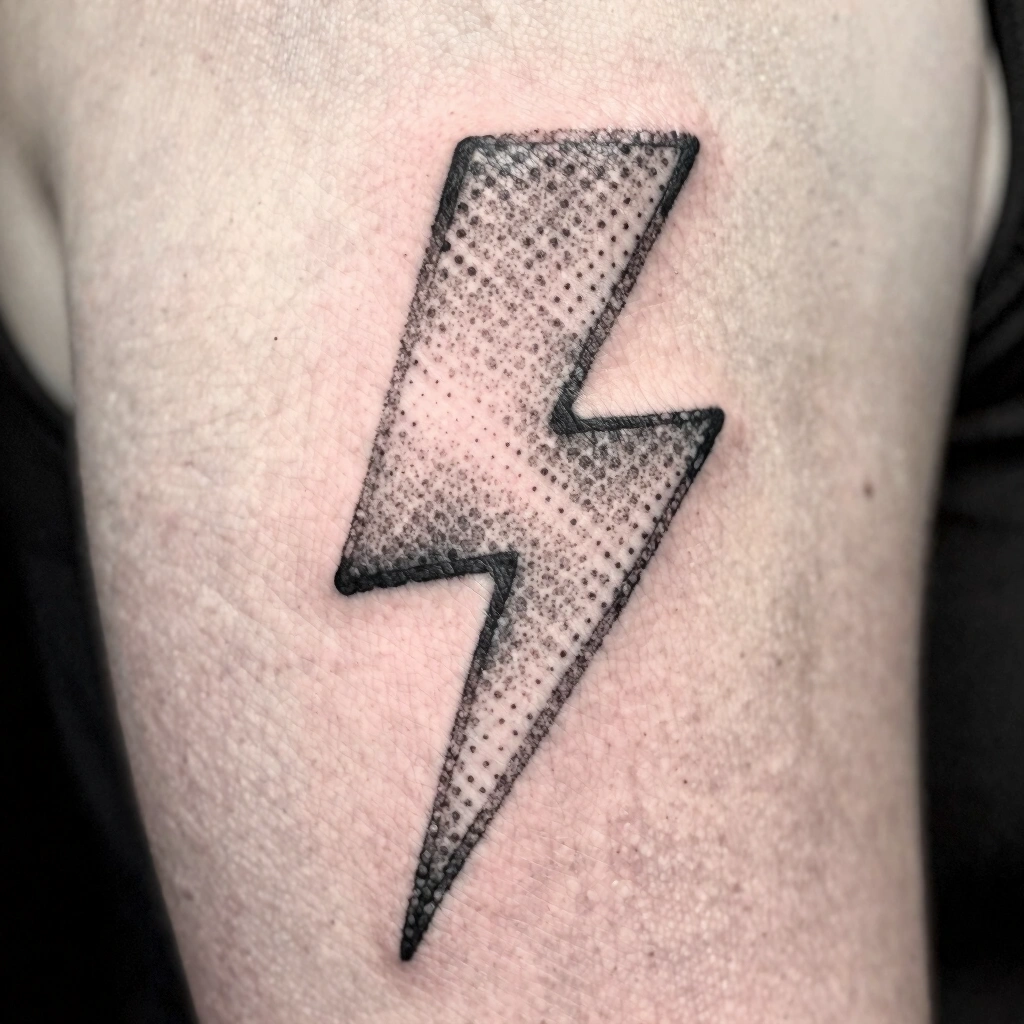
A lightning bolt shape drawn with dotwork (3RL), where the dots create a jagged outline filled with a gradient of dots (denser at the center). Place it on the side of the index finger, about 1 inch. Healing: 2–3 weeks, but finger tattoos fade faster. Tip: Ask for a stencil that shows the bolt’s angle—it should look like it’s striking, not just sitting. Pain level: high. This is a bold symbol of energy. The dotwork gives it a unique texture. Touch-ups may be needed every 3–5 years.
Best Placement Ideas for Hand Tattoos

- Inner wrist: Low pain, easy to cover, good for fine lines. Heals in 2–3 weeks. Avoid thick designs here—they may distort when you bend your wrist.
- Back of hand: Medium pain, visible, good for bold outlines. Heals in 3 weeks. Fades faster due to sun exposure—use SPF.
- Fingers: High pain, fast fading, best for tiny symbols. Heals in 2 weeks but needs frequent touch-ups. Avoid thick lines—they’ll spread.
- Side of hand (between thumb and index): Medium pain, hidden, good for dotwork. Heals in 3 weeks. Less friction than fingers.
- Outer wrist: Low pain, easy to cover, works for curved designs. Heals in 2 weeks. Good for first-timers.
Tips for Success

- Choose an artist with hand tattoo experience. Look at their portfolio for healed hand work, not just fresh photos. Ask about their approach to finger or wrist tattoos.
- Bring 2–3 reference images that show the exact style (fine line, dotwork, blackwork) you want. Don’t just describe it—show them.
- Ask about the needle type. Fine line uses 1RL or 3RL. Blackwork uses 9RL or 7RL shaders. Dotwork uses 3RL for dots. Know what you’re getting.
- Schedule a consultation before booking. The artist will adjust the stencil on your hand to match your anatomy. This is crucial.
- Expect a higher cost for hand tattoos. Because of the difficulty, artists often charge $100–$200 per design, even for small ones. Custom work costs more.
Common Mistakes and How to Avoid Them
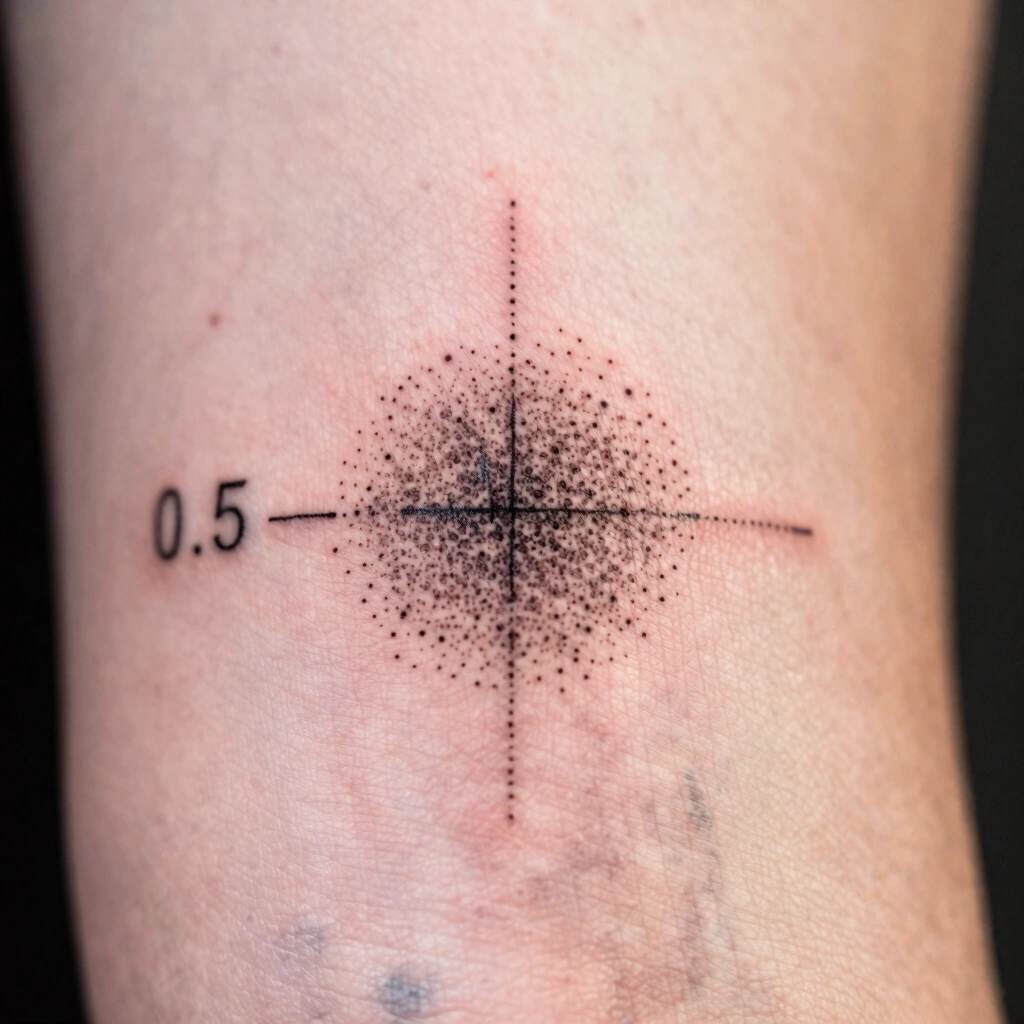
- Sizing too small. A 0.2-inch design will blur into a blob within a year. Minimum size for fine line: 0.5 inch. For dotwork: 0.75 inch.
- Choosing a poor placement for the design. For example, putting a horizontal line on the inner wrist—it will distort when you bend your hand. Always follow the hand’s natural curves.
- Skipping aftercare. Hand tattoos are exposed to germs, water, and friction. Follow your artist’s aftercare sheet exactly. Don’t pick at scabs.
- Copying a design exactly. Tattoos are permanent. Personalize it—change a flower’s leaf shape, add a small detail that means something to you. A custom design is always better.
- Not considering aging. Fine lines spread slightly over time. Thick lines hold their shape. Dotwork can fade if dots are too light. Ask your artist about their work’s longevity.
Similar Variations

- Resize it: A 1-inch design can be scaled to 0.5 inch for a finger or 2 inches for a wrist. But keep in mind that detail shrinks—simpler is better at smaller sizes.
- Recolor it: Most hand tattoos are black or grey, but if you want color, choose a single hue (like deep blue or red) and use it sparingly. Color fades faster on hands.
- Combine designs: A flower stem with a small bird on the leaf. A triangle with a moon inside. Just make sure the combined piece fits the placement area.
- Change the technique: A flower outline can become a dotwork flower. A paw print can become a solid black silhouette. Ask your artist what technique they recommend for the design you want.
Aftercare Basics

- Keep the tattoo clean and dry for the first 24 hours. Wash gently with unscented soap and pat dry (don’t rub).
- Apply a thin layer of unscented moisturizer or aftercare balm (like Aquaphor or Hustle Butter) for the first week. Don’t over-moisturize—it can clog pores.
- Avoid submerging the hand in water (baths, pools, oceans) for at least 2 weeks. Showers are fine, but don’t scrub the tattoo.
- Wear loose sleeves or gloves if you work with your hands. Avoid tight jewelry on the wrist.
- Use SPF 50 on the tattoo once it’s healed (after 3 weeks). Hand tattoos fade faster with sun exposure.
- Disclaimer: Pain tolerance and healing vary by individual. Always consult a licensed professional tattoo artist for specific advice about your skin and aftercare plan.
Quick FAQ

Q: How much does a hand tattoo cost?
A: Expect $100–$200 for a small fine-line design (1–2 inches). Custom work or larger pieces cost more. Shop minimums often apply ($50–$100).
Q: How painful is a hand tattoo?
A: Pain level depends on placement. The wrist is low to moderate. The back of the hand is moderate. Fingers are high (thin skin over bone). Most people describe it as a sharp scratching sensation.
Q: How long does healing take?
A: Initial healing (peeling, scabbing) takes 2–3 weeks. Full healing (deep layers) takes 6–8 weeks. Avoid rigorous activities during that time.
Q: Will a hand tattoo last?
A: Yes, but it will fade faster than other body parts due to sun and friction. Fine lines may need a touch-up every 5–10 years. Finger tattoos need touch-ups every 2–3 years. Bold blackwork lasts longer.
Q: Can I get a hand tattoo as my first?
A: Yes, but it’s not recommended by many artists because hand tattoos are highly visible and heal differently. If you’re sure, pick a small, simple design on the wrist.
Whether you go with a fine-line fern, a dotwork moon, or a matching heart, the best hand tattoo designs for girls are the ones that feel like you. They’re small enough to be personal, but bold enough to be seen. And they’re a conversation starter, a piece of art you carry with you every day. So take your time, find the right artist, and don’t settle for a design that’s just “cute”—make it something that fits your hand, your style, and your life. After all, this is your skin, your story, and your 20 tattoo designs for girls on hand.