18 Mother and Daughter Tattoo Ideas with Meaning
Nervous about picking a design you’ll regret in five years? That’s a fair worry, especially when you’re choosing something meant to represent a bond as important as the one between a mother and daughter. I’ve spent enough time hanging around tattoo studios, watching consultations and healing check-ins, to know that the best mother and daughter tattoo ideas aren’t just cute — they’re built to age well, hurt less than you’d think in the right spots, and actually mean something years down the road.
So what are the best mother and daughter tattoo ideas? Fine-line florals, matching symbols, shared quotes in linked scripts, and small single-needle icons work best because they stay meaningful without being identical, heal predictably, and hold their shape well over time. The strongest designs balance sentiment with smart technical choices — line weight, placement, and size that actually suit skin type and lifestyle.
Stick around, because I’m also going to walk you through pain levels by placement, realistic healing timelines, how to brief an artist so you don’t end up with a generic Pinterest copy, and the mistakes I see people make constantly when picking matching ink.
Why Mother-Daughter Tattoos Work as a Category
Matching tattoos between a mom and her daughter work differently than, say, a couple’s tattoo or a friend tattoo. There’s usually an age gap, different skin types, and sometimes different pain tolerances or lifestyles to consider — one of you might have an office job that limits visible placement, the other might not care at all. Good mother-daughter designs account for that. They’re often “linked” rather than “identical” — a half-heart, a shared symbol rendered at two different sizes, or the same line art placed on different spots on the body. That flexibility is exactly why this category has so much room for personalization instead of just copying a flash sheet design off the internet.
1. Matching Fine-Line Heart Outlines
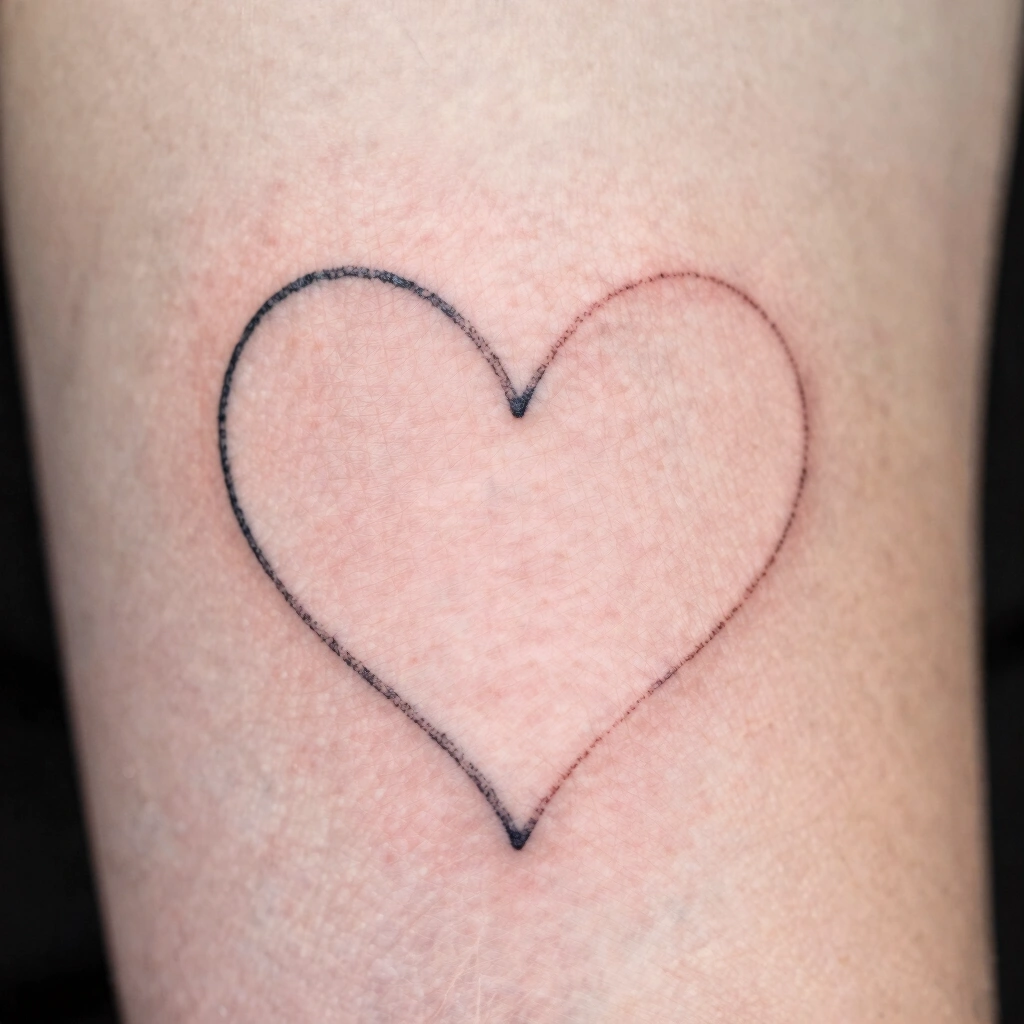
A fine-line heart tattoo uses a thin, consistent line — usually done with a single needle — to outline a simple heart shape without any fill or shading. What makes it visually distinct is the lack of bulk: no bold traditional outline, no color block inside, just a clean contour that reads as delicate rather than heavy. This works well at a small size, roughly half an inch to an inch, and ages best on smoother skin areas that don’t stretch much, like the inner wrist or upper forearm. Healing typically runs seven to fourteen days for a design this size, though healing time varies by individual and skin care habits.
When briefing your artist, bring a reference image but ask them to adjust the line weight slightly between the mother’s and daughter’s version — a fraction thicker or thinner line keeps them connected without being carbon copies. Pain on the wrist tends to run moderate since it’s a bony, thin-skinned area.
This design suits first-timers well and stays subtle enough for most workplaces. From here, a lot of people extend the heart concept into something with more symbolic weight.
2. Linked Infinity Symbol With Two Names
The infinity symbol tattoo, done in blackwork (solid black linework with no shading gradient), represents a bond without an end date — which is why it’s a popular choice for this relationship. The line is usually medium-weight, thick enough to stay crisp for a decade, since infinity loops with hairline-thin strokes tend to blur faster as skin ages. Names can be worked into the loops in a small script font, though cramming too much text into a tiny symbol is one of the more common sizing mistakes I’ll cover later.
Best placement is the ankle, collarbone, or side of the wrist — areas with enough flat space to keep the loop legible. Aim for at least two inches in width if you’re adding lettering. Ask your artist about a slightly bolder outline than a typical fine-line piece; it holds up better long-term. Pain on the collarbone runs moderate to high due to thin skin over bone.
This design works nicely as a matching piece since each person can angle or mirror the symbol slightly differently.
3. Botanical Line Art of a Shared Birth Flower
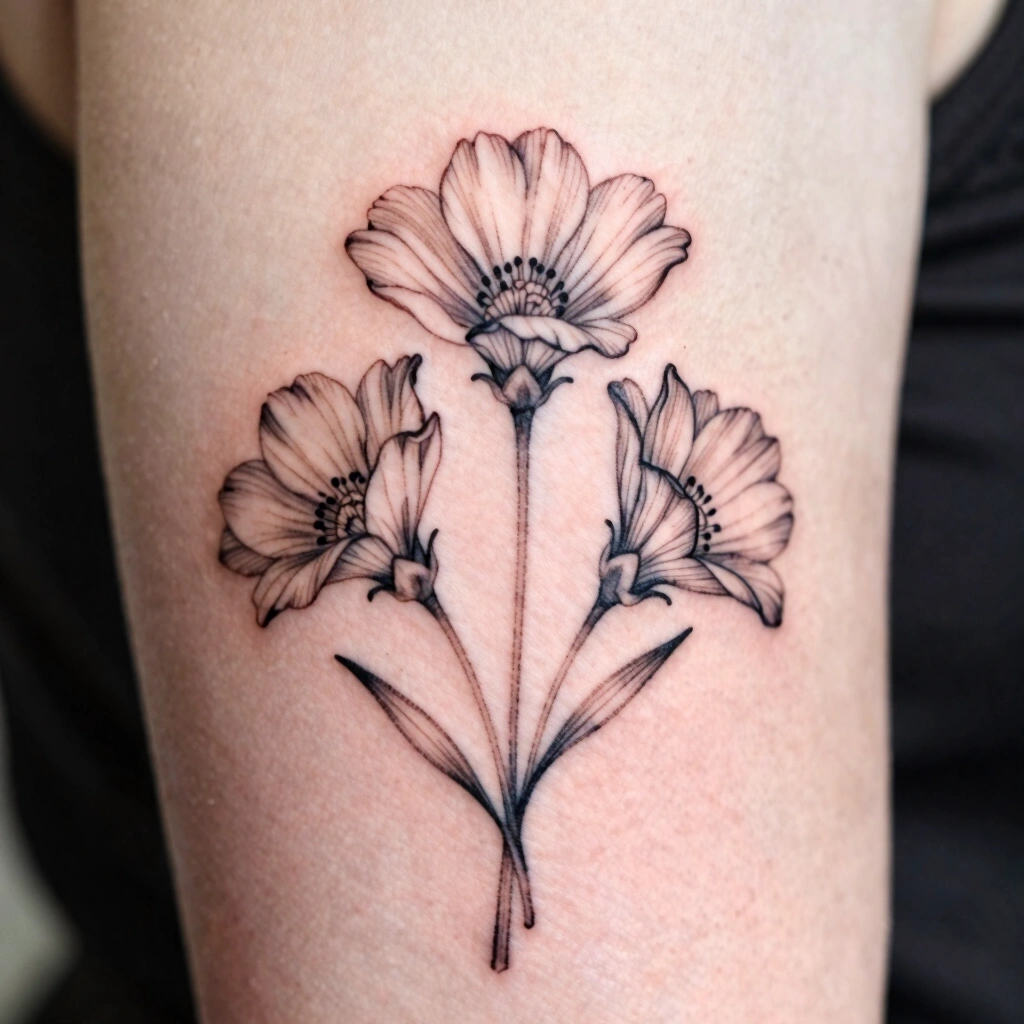
Birth flower tattoos rendered in fine-line botanical style use thin, precise outlines to capture petal detail without heavy shading. If the mother and daughter share a birth month, this becomes a literal shared symbol; if not, two different flowers can be combined into one linked stem design. The visual appeal comes from negative space — the untouched skin between linework — which keeps the design airy instead of looking like a solid inked patch.
This works best sized between two and four inches, placed on the forearm, shoulder blade, or ribcage where there’s enough room for stem and petal detail to stay readable after healing. Ribcage tattoos carry a higher pain rating because of thin skin and proximity to bone, so mention that during booking if pain tolerance is a concern. Healing generally takes two to three weeks for linework this size.
This design ages well because fine botanical line art doesn’t rely on saturation (color density) to stay visible — it holds its shape even as skin naturally changes over the years. Next, let’s look at a bolder alternative for people who want more visual weight.
4. Bold Traditional Rose With Banner
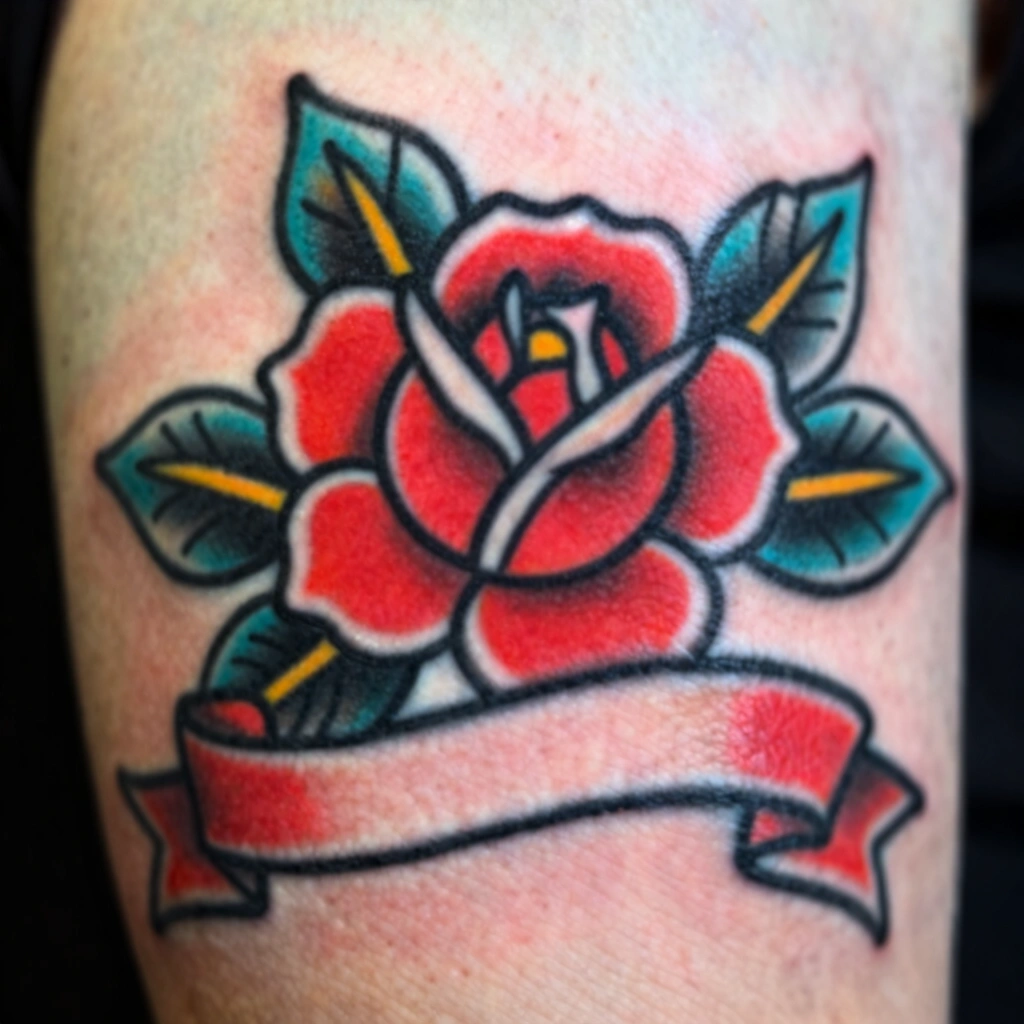
Unlike the fine-line florals above, a bold traditional rose uses thick black outlines, solid color fill, and heavy shading to create contrast and depth. This is a classic American traditional style, and it’s built to last — the thick lines resist the blurring that thinner work can experience over decades. A banner underneath can hold a name, date, or short word.
Because of the shading and color saturation involved, this design needs more space — think four to six inches — and works best on the upper arm, thigh, or shoulder where the skin is flatter and less likely to distort the artwork with movement. Healing takes roughly two to four weeks, and scabbing is more noticeable with solid color fill than with fine line work.
Pain on the upper arm and thigh tends to be lower than bony areas like the ribs or ankle. This is a strong pick if one of you wants a first tattoo that reads as bold and intentional rather than delicate — and it transitions nicely into other traditional-style symbolism.
5. Matching Sun and Moon Design
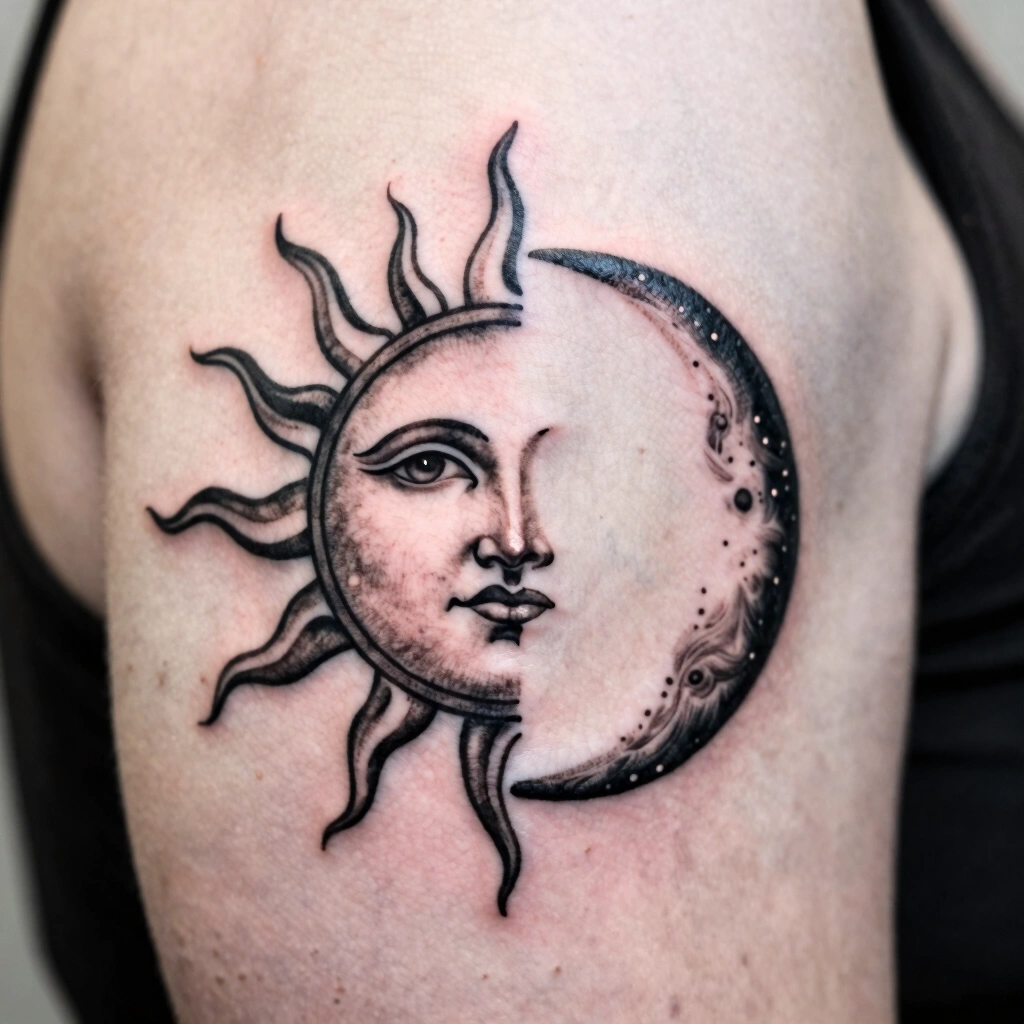
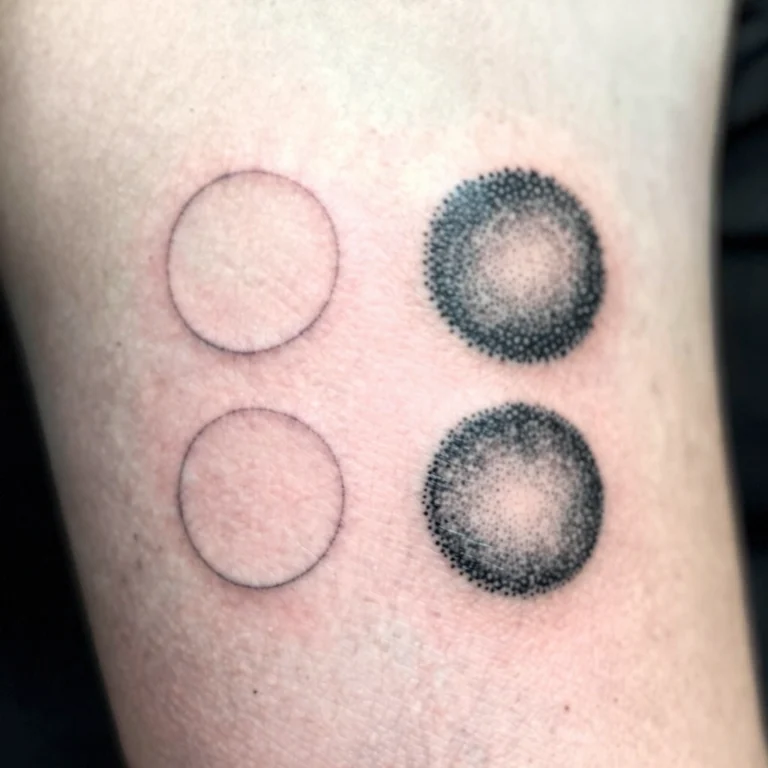
The sun and moon combo works as a split concept — one person gets the sun, the other the moon — usually done in blackwork with dotwork shading (small dots built up in density to create gradient and texture instead of solid shading). Dotwork gives the design a slightly textured, almost stippled look rather than the flat fill of traditional style.
This pairs well at two to three inches, placed on the forearm or upper back where the dot pattern has room to breathe. Ask your artist specifically about dotwork technique versus solid blackwork fill during your consultation — the two look different once healed, and not every artist specializes in both. Healing takes about two weeks; dotwork can appear slightly raised during the first several days before settling. Pain is moderate on the forearm.
This design is popular for its symbolism of two halves making a whole, and it ages gracefully since dotwork holds contrast well over time.
6. Single-Needle Fingerprint or Handprint
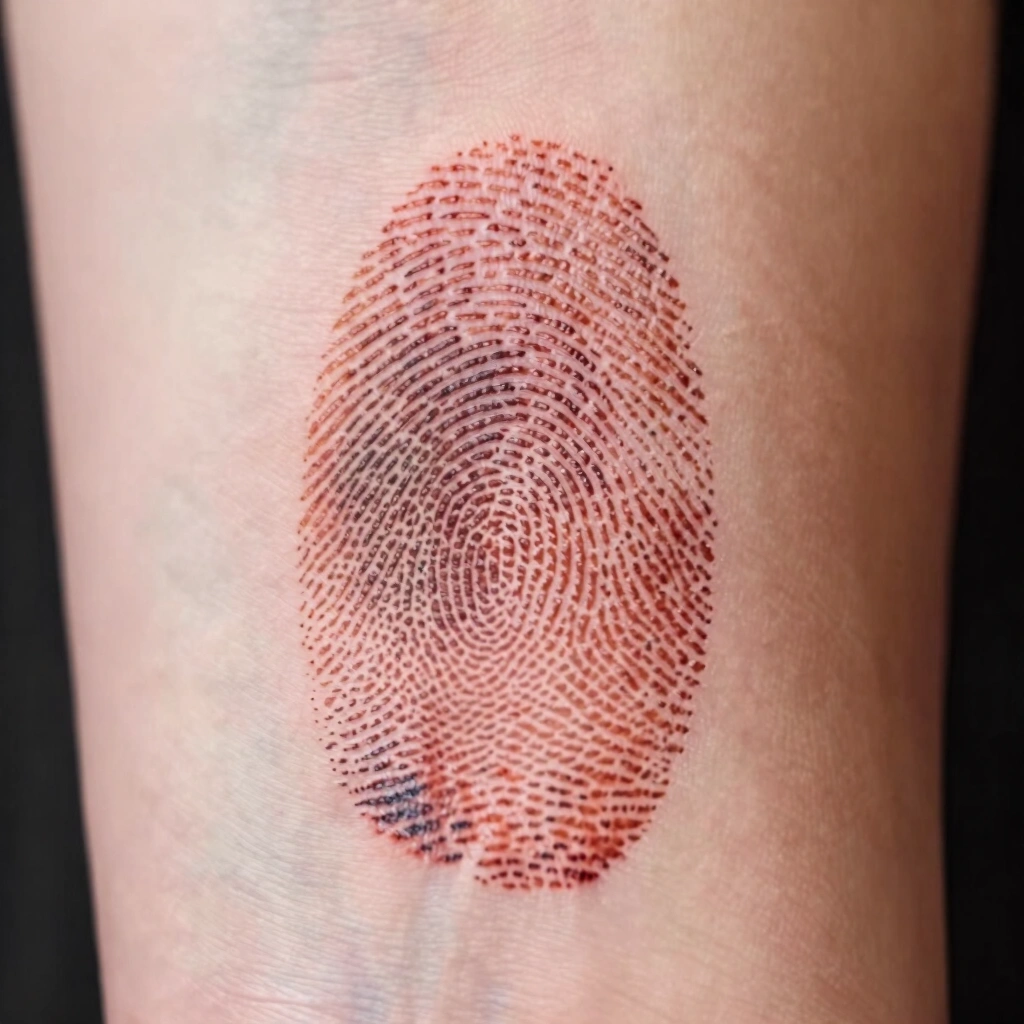
A single-needle fingerprint tattoo replicates the actual print pattern of the mother’s or daughter’s finger, rendered in extremely fine, precise linework. It’s one of the most personal designs on this list because no two are identical — the print itself is the whole design, sometimes with a small heart or initial worked into the pattern.
This needs a skilled fine-line or single-needle specialist, since fine detail work like this is unforgiving of shaky technique. Best placement is the inner arm, wrist, or behind the ear — small, flat areas. Keep it under an inch and a half; larger sizes start to distort the print pattern. Healing runs one to two weeks. Behind-the-ear placement carries a higher pain rating due to thin skin and cartilage proximity.
Bring an actual inked fingerprint (pressed onto paper) to your consultation rather than a digital scan — it gives the artist a cleaner reference to trace from.
7. Watercolor-Style Floral Splash
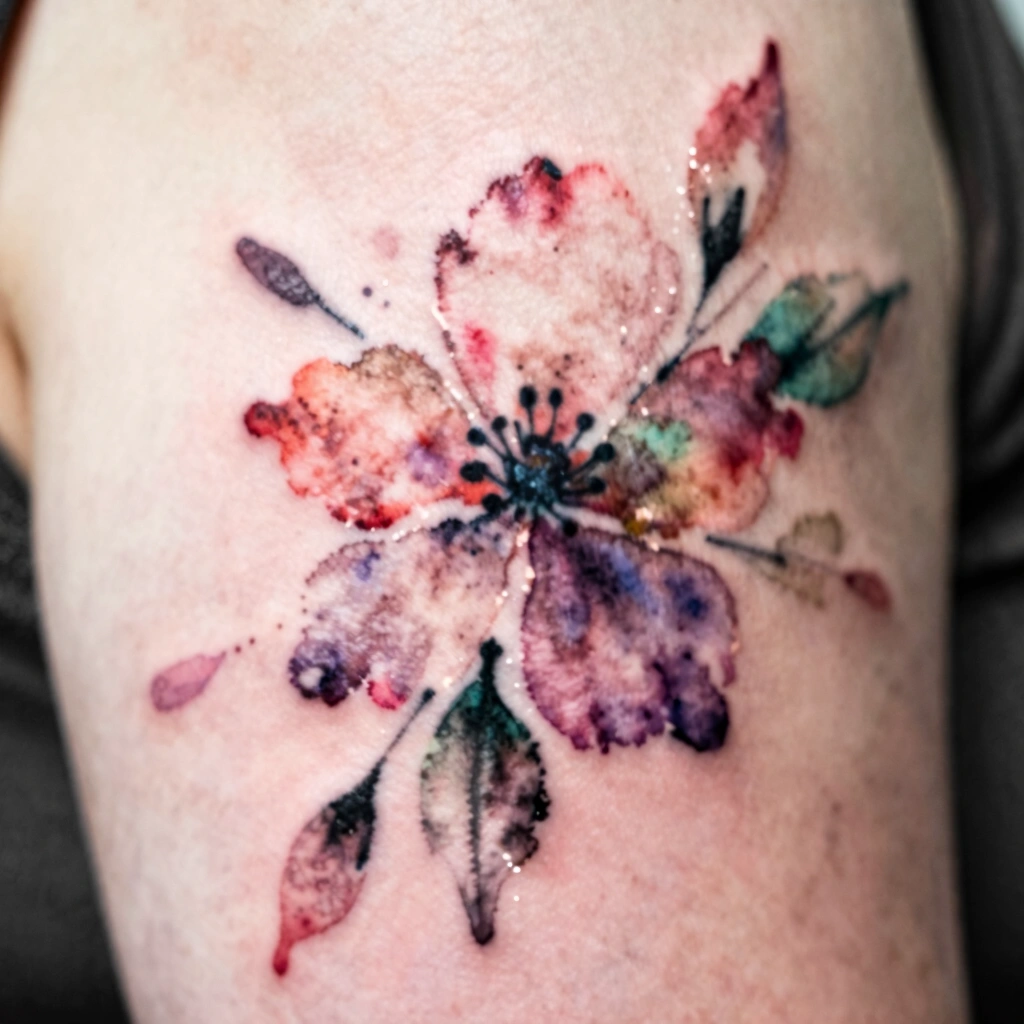
Watercolor tattoos mimic the loose, blended look of a watercolor painting using soft color gradients and little to no black outline. It’s a striking technique, but worth knowing upfront: color-heavy watercolor work tends to fade faster than blackwork or fine line, since it relies on lighter saturation and softer edges that break down more visibly as skin cells turn over.
If you go this route, plan for touch-ups every few years to maintain color vibrancy. Best placement is the shoulder, upper back, or thigh — larger, flatter areas that showcase the color blend. Size should be at least three inches to let the gradient read properly. Ask your artist about their specific color-mixing process, since watercolor quality varies a lot between artists. Healing takes two to three weeks. This design suits people who already have a tattoo or two and understand the touch-up commitment that comes with lighter saturation.
8. Matching Constellation Tattoos
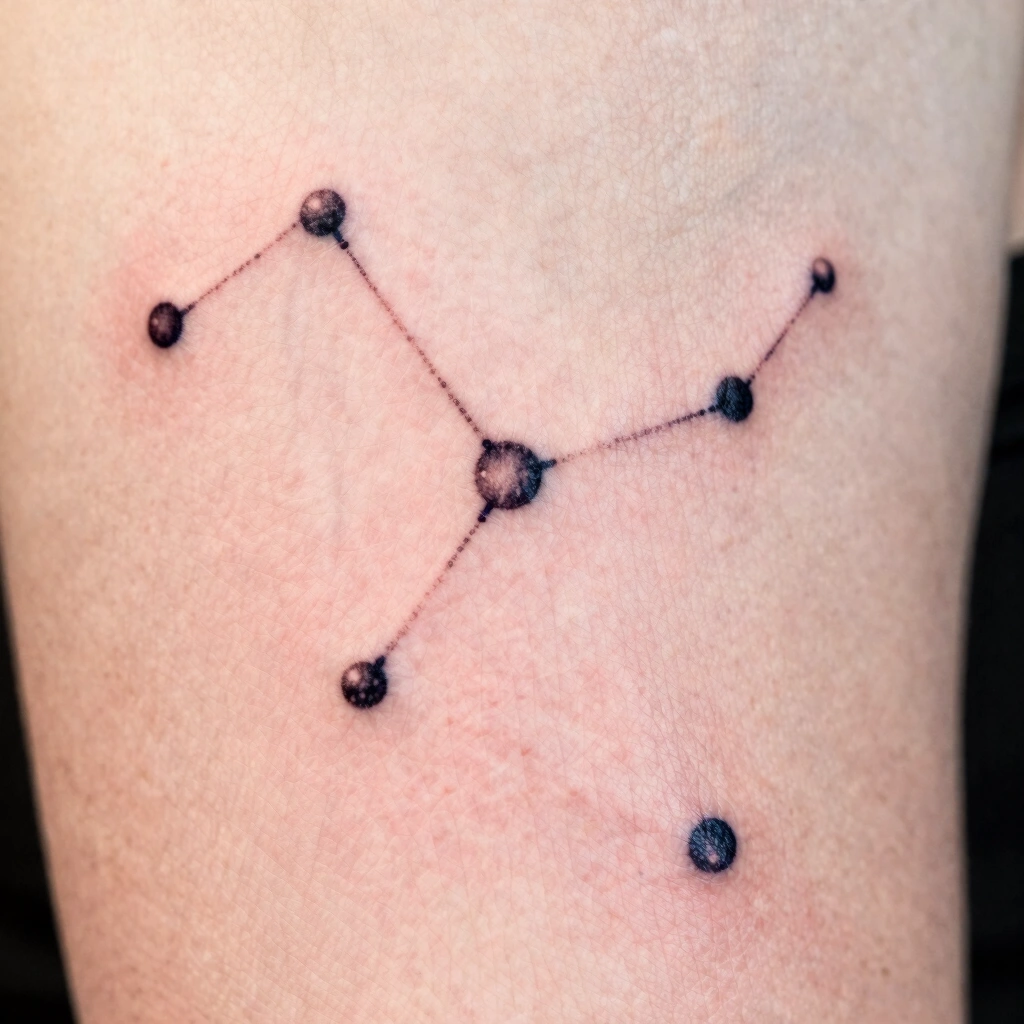
Constellation tattoos use small dots connected by thin straight lines to represent a specific star pattern — often tied to a birth month zodiac sign or a meaningful date. The dotwork-meets-linework combination gives it a minimalist, almost scientific look rather than an overtly sentimental one.
This works well small, around one to two inches, placed on the collarbone, forearm, or behind the ear. Because the design is mostly negative space with small connecting points, it holds up well over time — there’s less linework to blur. Pain varies by placement, but collarbone and behind-the-ear spots rate higher on sensitivity. A good tip: ask your artist to slightly vary the star size in each dot for a more natural, less “connect-the-dots” look. This design is workplace-friendly and suits people who want something meaningful but understated.
9. Shared Quote in Matching Script
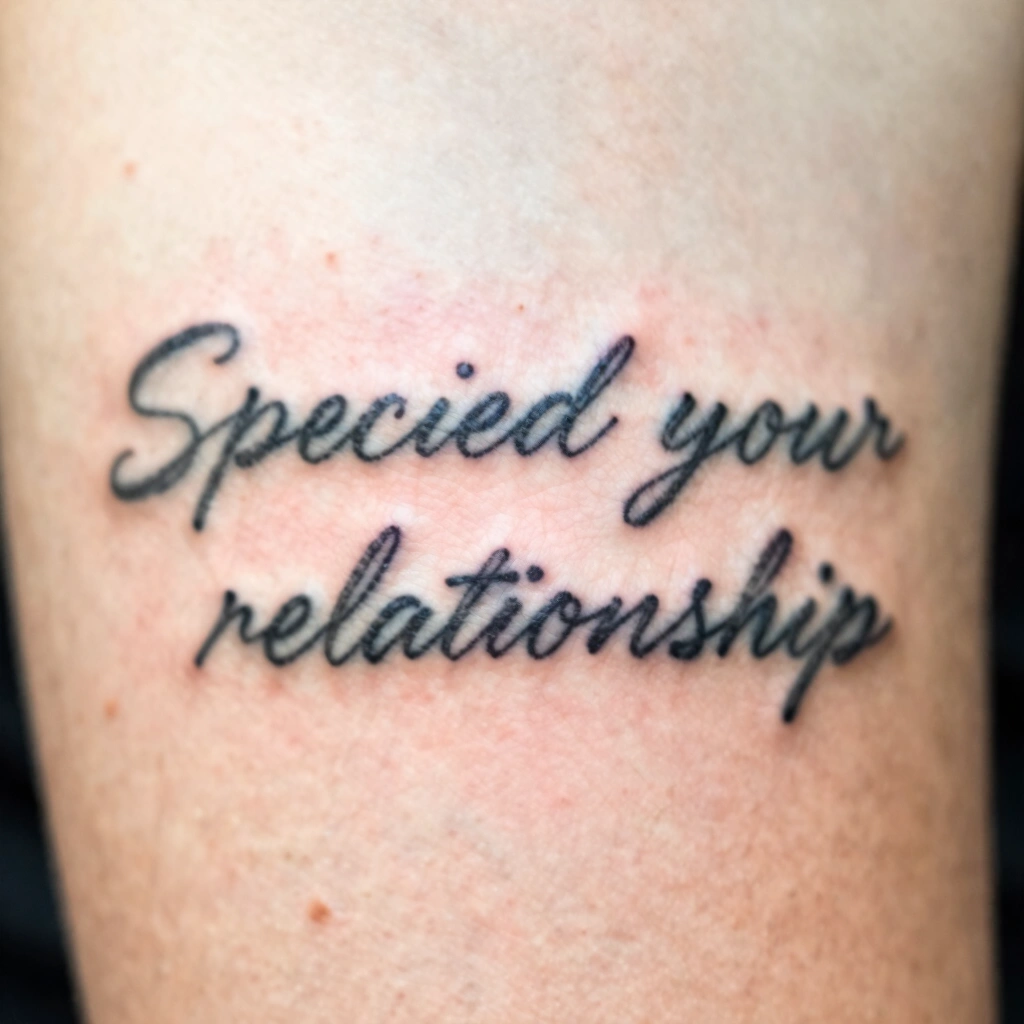
A short phrase — a nickname, a line from a song, or a saying specific to your relationship — tattooed in matching cursive script. The key technical detail here is consistency: both tattoos should use the same font weight and spacing so they visually “match” even if the words themselves differ between mother and daughter.
Placement along the forearm, ribcage, or ankle gives script room to stay legible; script crammed into too small a space often blurs within a few years since fine serif details are the first thing to fade. Keep single-word tattoos around two inches minimum; full phrases need three or more. Ribcage placement rates higher on pain due to thinness of skin. Ask your artist to write out the phrase by hand first (many do custom lettering) rather than using a generic tattoo font — it gives the piece a more personal, less templated feel.
10. Puzzle Piece Tattoo Duo
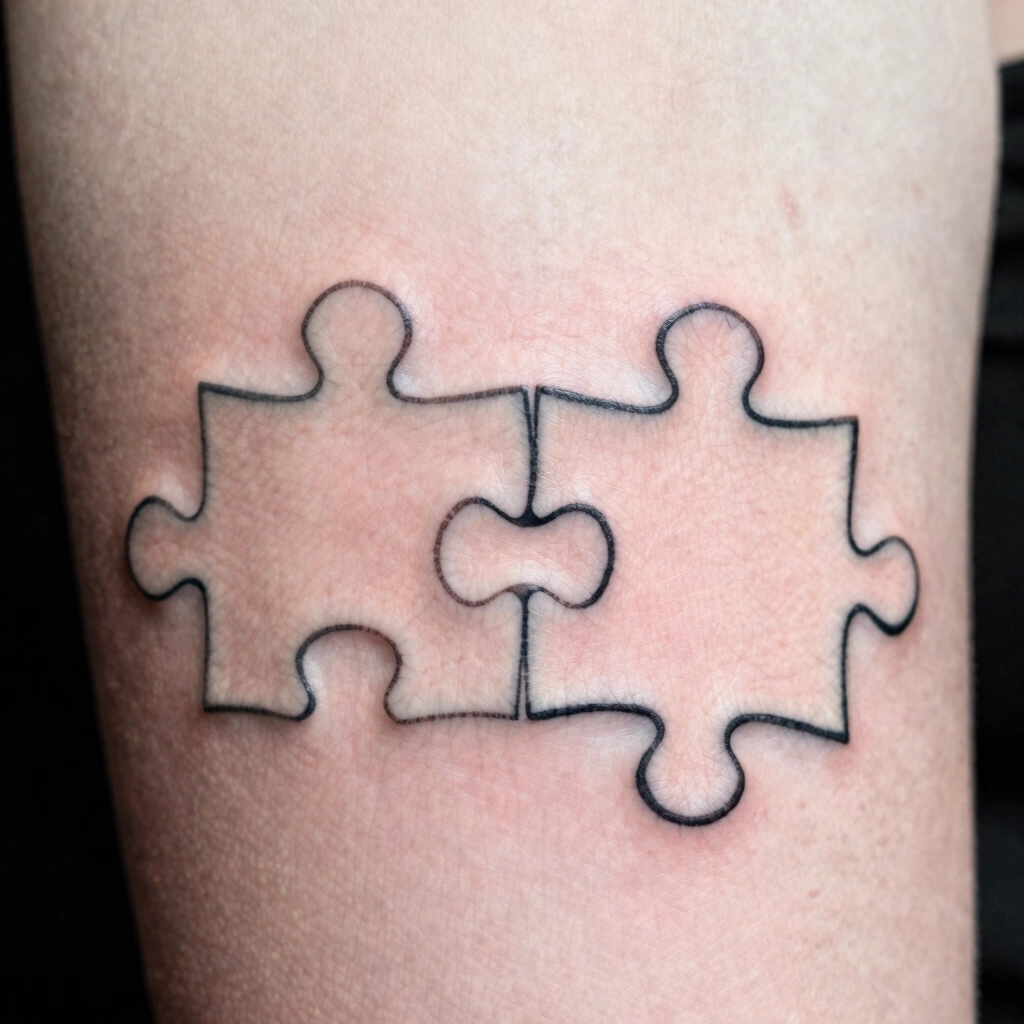
Two interlocking puzzle piece outlines, done in simple blackwork linework, split between mother and daughter so the pieces only “complete” when placed together — literally or symbolically. It’s a straightforward concept, but the execution matters: uneven line weight between the two pieces makes them look mismatched rather than complementary.
Best kept small, around one to two inches, on the wrist, ankle, or shoulder. Healing takes about ten days to two weeks. Pain on the ankle rates moderate to high due to less fat padding over the bone. A practical tip: have the same artist tattoo both people in the same session if possible, so the line weight and proportions match exactly. This is a solid first-tattoo option since it’s low on detail complexity, which keeps cost and pain manageable.
11. Tree of Life With Two Birds
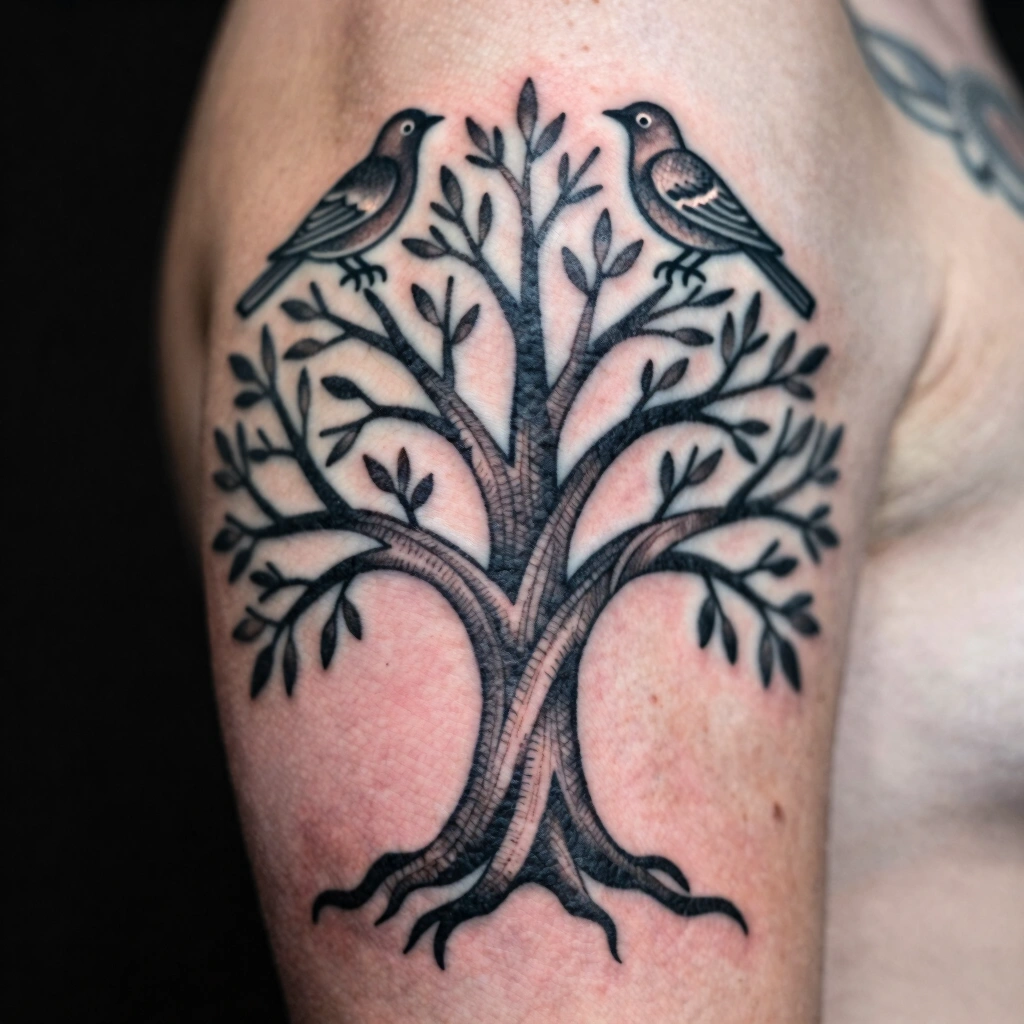
A tree of life design, often rendered in blackwork with fine branch detailing, symbolizes growth and connection across generations. Adding two small birds — one larger, one smaller — perched on the branches personalizes it as a mother-daughter piece without needing text.
This design needs more space than most on this list, ideally three to five inches, placed on the forearm, calf, or upper back where branch detail won’t get muddy at healing. Fine branch lines packed too tightly are a common misstep — ask your artist to leave adequate negative space between branches so the design doesn’t turn into a solid blob once fully healed. Healing takes two to three weeks. Calf placement tends to be lower on the pain scale compared to bonier spots. This works well as a larger statement piece for someone getting a second or third tattoo.
12. Minimalist Wave or Ocean Line
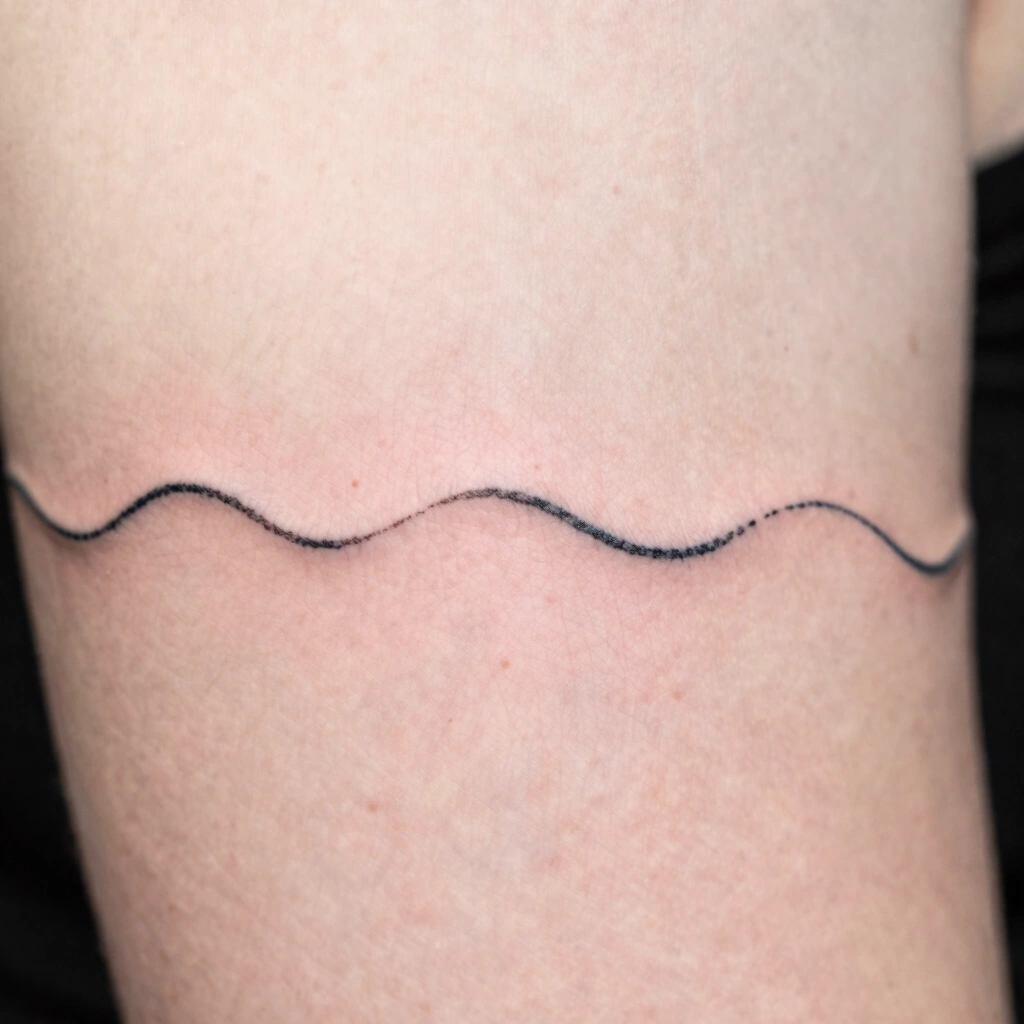
A single wavy line, sometimes doubled, representing an ongoing connection — popular because of its sheer simplicity. Done in fine line, it’s one of the fastest tattoos on this list, often completed in under thirty minutes for a small version.
Best on the wrist, finger side, or behind the ankle. Keep it under two inches; the appeal is in its minimalism, and adding too much detail defeats the purpose. Finger-adjacent placements tend to fade faster than other body areas due to frequent hand-washing and friction, so mention that if longevity matters to you. Healing runs about a week. Pain is generally low to moderate depending on exact spot. This is a strong choice for someone who wants meaning without commitment to a large, detailed piece.
13. Matching Birthstone-Colored Dots
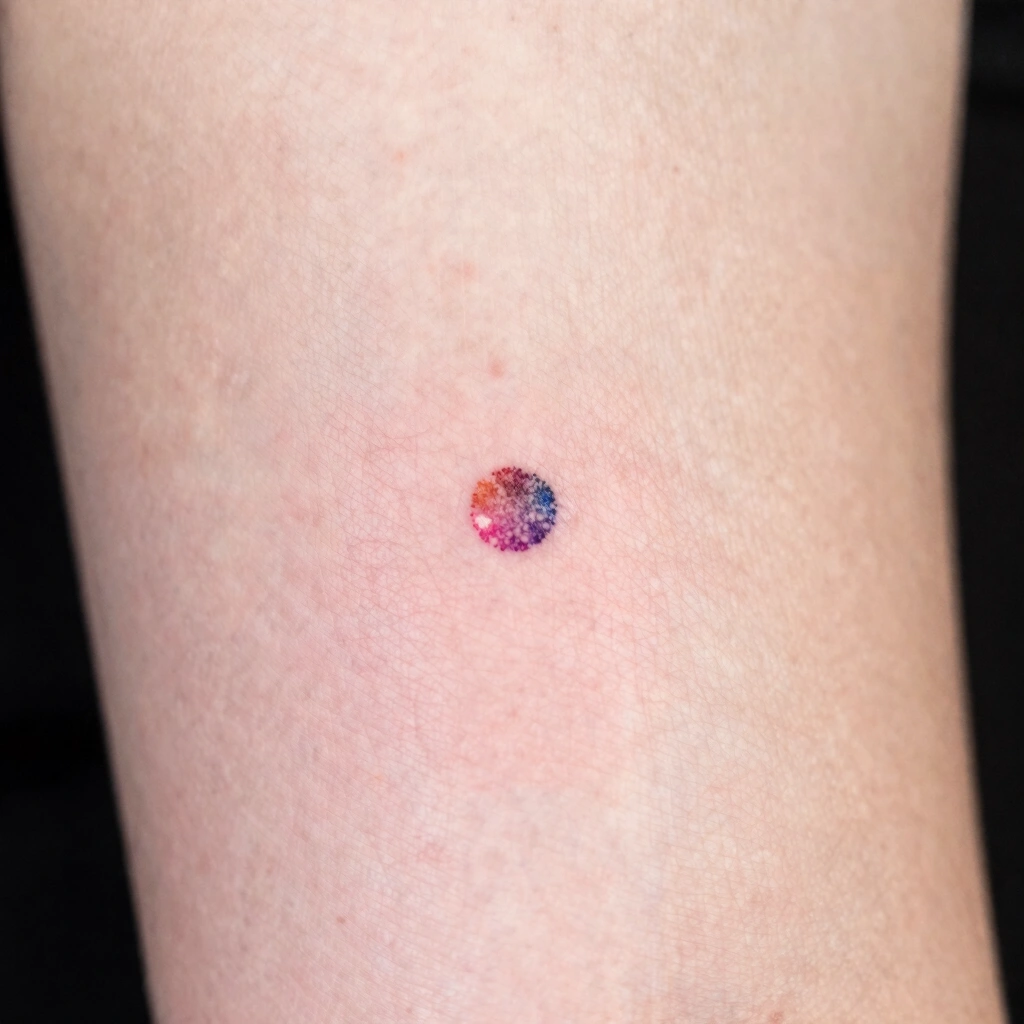
Instead of a shape, this design uses a single small dot or cluster of dots tattooed in a color matching each person’s birthstone. It’s about as minimal and low-commitment as tattoos get, using color saturation rather than linework to carry the meaning.
Place it on the finger, wrist, or behind the ear — tiny spots that don’t need much skin real estate. Because it’s color-based rather than line-based, ask your artist about which pigments hold saturation best long-term in small doses; some colors fade faster than black ink at this scale. Healing takes about a week. This is an easy “yes” for someone who’s hesitant about a first tattoo but still wants to participate in a matching design.
14. Anchor and Rope Symbol
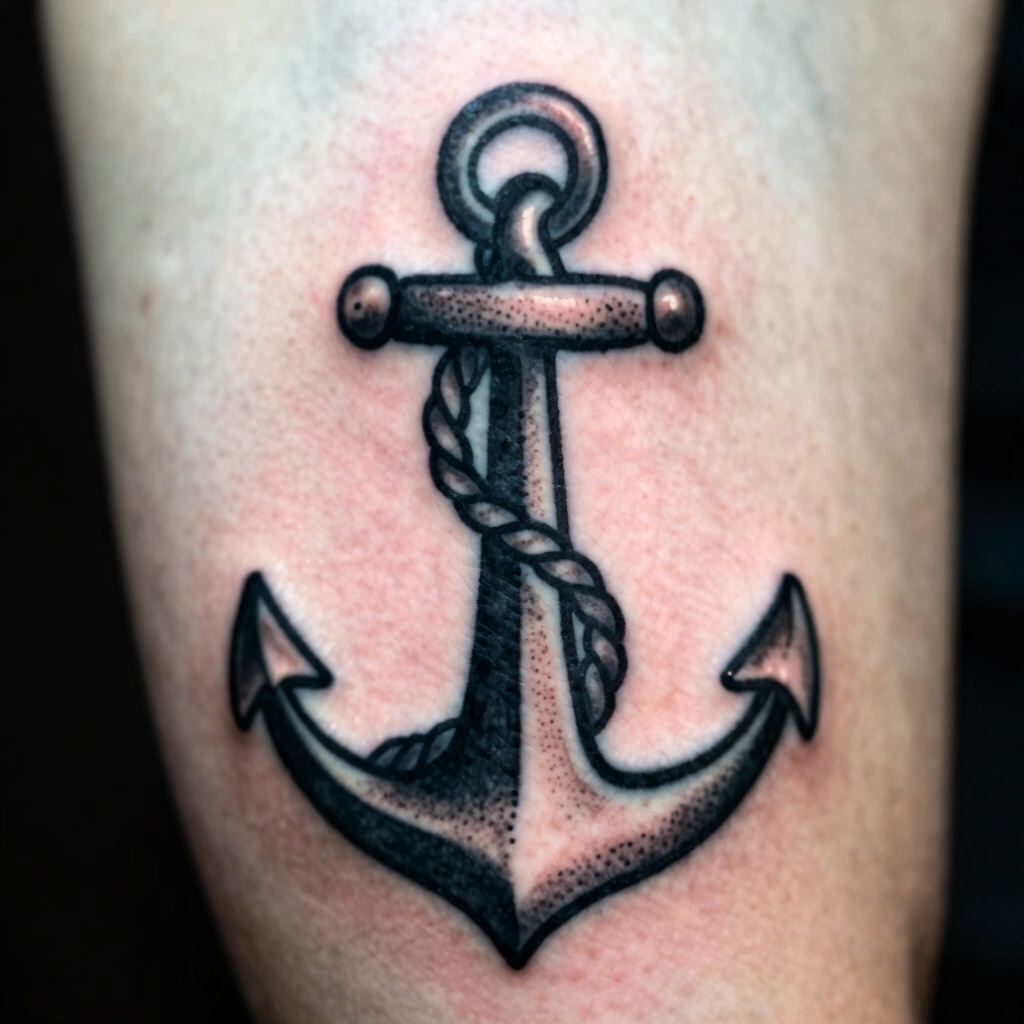
An anchor tattoo, typically done in bold blackwork with moderate shading, symbolizes stability — a fitting concept for a grounding relationship like this one. The rope detail wrapped around the anchor adds visual texture without needing color.
This design needs a bit more room, around two to three inches, and works well on the forearm, calf, or shoulder. Densely packed rope texture in too small a space is a common problem — ask your artist how they plan to simplify the rope detail if you’re going smaller than three inches. Healing takes about two weeks. Forearm pain is generally moderate. This piece suits someone who wants a more traditional, masculine-leaning symbol rather than an overtly delicate design.
15. Latitude and Longitude Coordinates
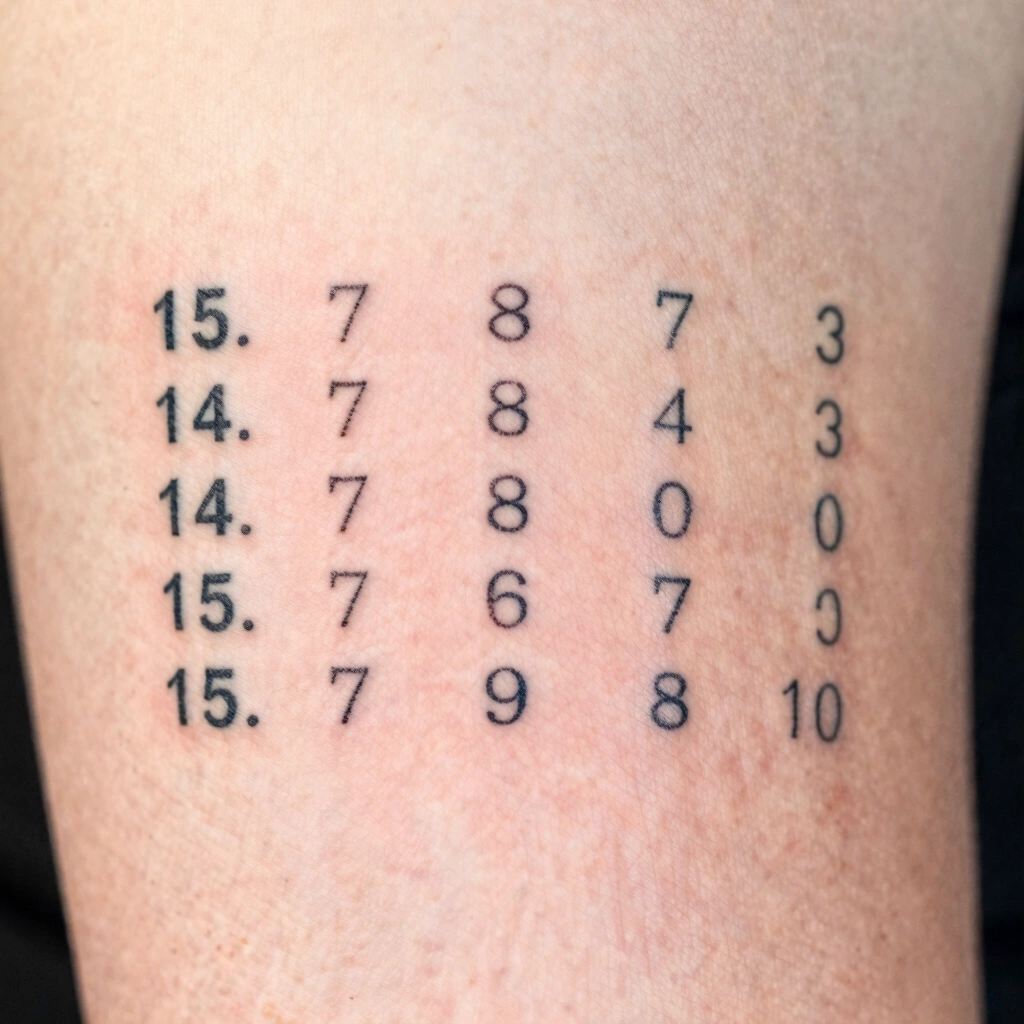
Numeric coordinates marking a meaningful location — a hospital, hometown, or family property — tattooed in a clean, thin sans-serif font. This is a quieter, more private way to encode meaning since most people won’t recognize what the numbers mean without being told.
Coordinates need enough horizontal space to stay legible, so the forearm, ribcage, or upper back work better than curved areas like the wrist. Keep font size consistent between both tattoos so they visually pair. A tip worth knowing: numbers in fine line tend to blur faster than bold lettering, so ask your artist about a slightly heavier line weight for numerals specifically. Healing takes one to two weeks. Ribcage placement rates higher on pain.
16. Matching Butterfly Outlines
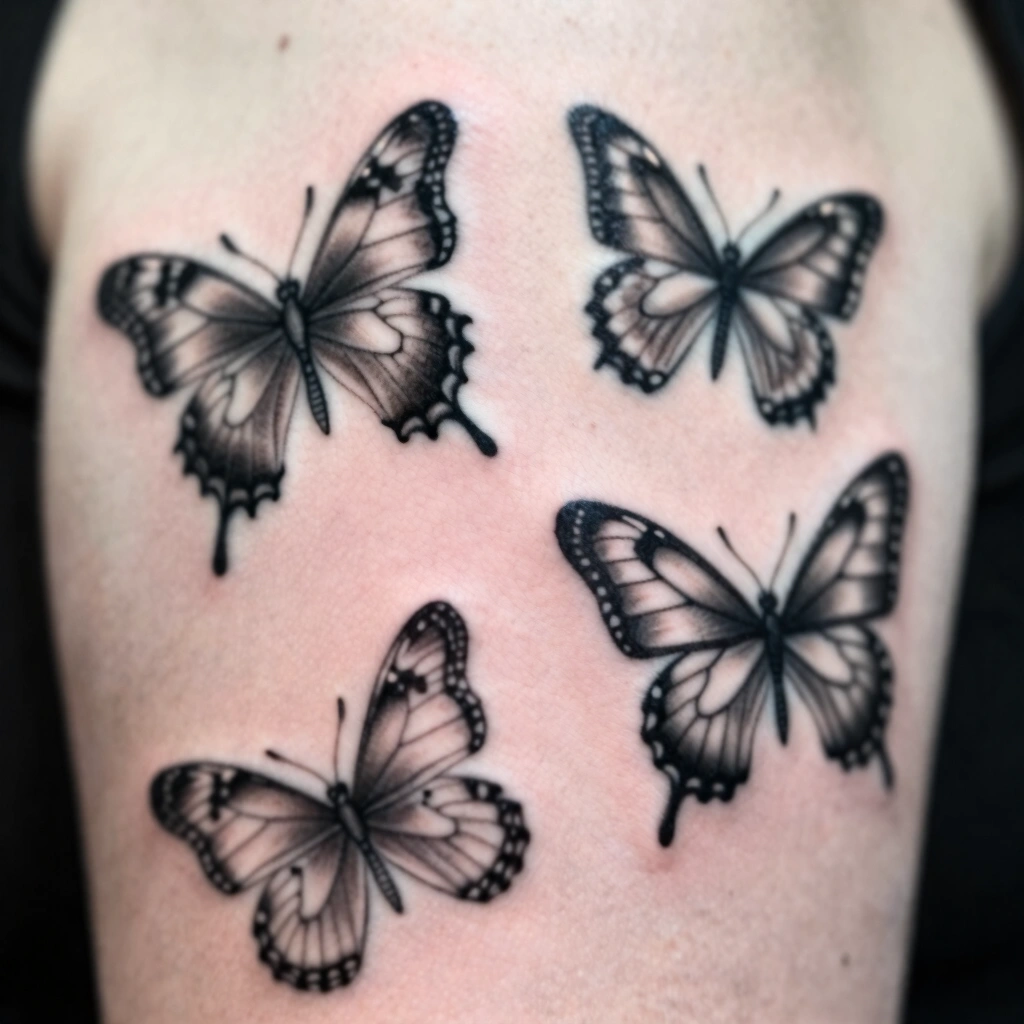
A butterfly done in fine-line style with minimal shading, sometimes using negative space (unshaded gaps within the linework) to suggest wing texture instead of filling every section solid. This gives the design a lighter, more open look compared to a fully shaded traditional butterfly.
Best at one and a half to three inches, placed on the shoulder, ankle, or behind the ear. Because negative space is doing a lot of visual work here, ask your artist how they plan to balance line density so the wings don’t look unfinished once healed. Healing takes one to two weeks. This is a popular pick for a first tattoo since the shape reads clearly even at small sizes, and it ages reasonably well due to the simplicity of the linework.
17. Custom Hand-Drawn Signature Tattoo
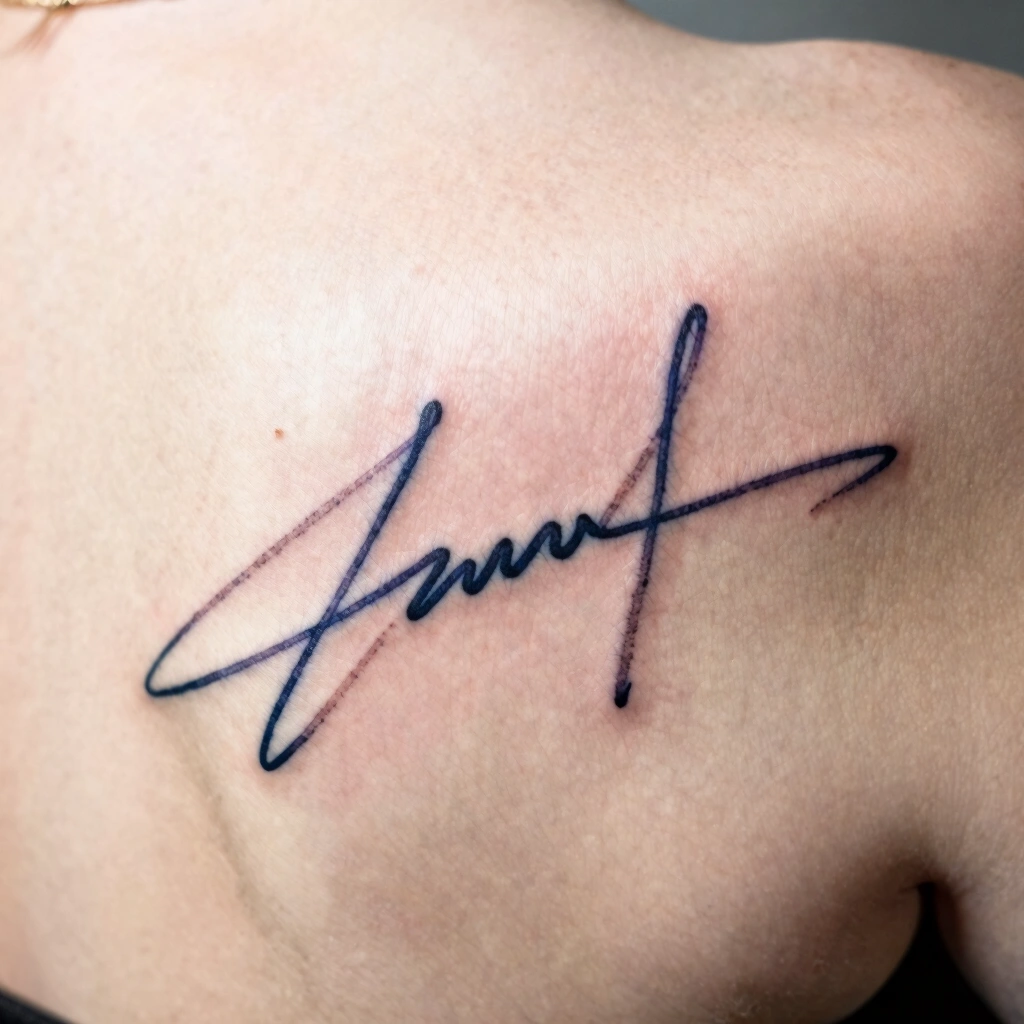
Rather than a generic symbol, this uses an actual handwritten signature — the mother’s or daughter’s real handwriting — reproduced as closely as possible in fine-line tattoo form. It’s one of the most personal options here since no template or flash design applies.
This requires bringing a genuine handwriting sample to your consultation; ask the artist whether they trace it directly or redraw it digitally first, since that affects how closely the final linework matches the original. Best placement is the inner forearm or upper back, sized around two to four inches depending on how many words are involved. Healing takes about two weeks. This design carries strong sentimental value but does require more prep work before the appointment than most designs on this list.
18. Layered Generational Portrait Silhouette
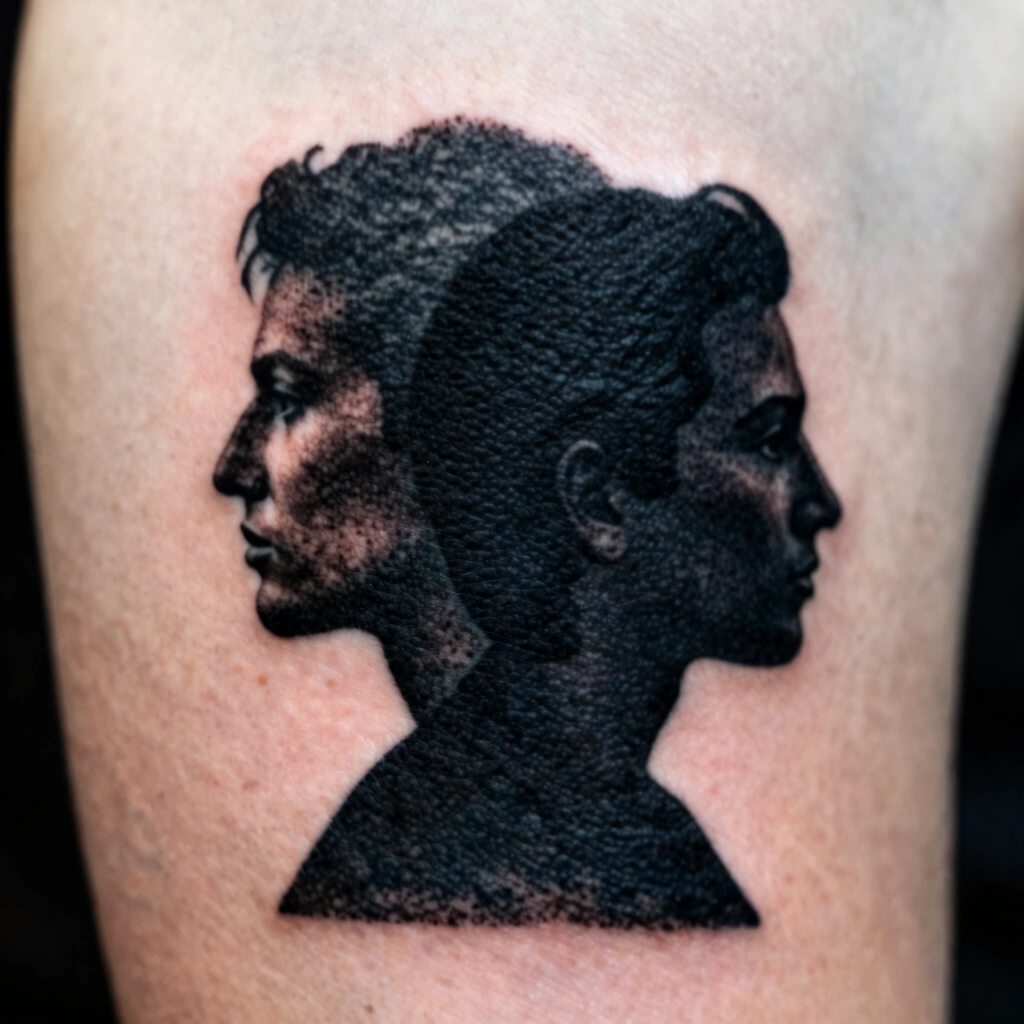
A simple silhouette-style tattoo, often in solid blackwork, showing two connected figures or profile outlines representing mother and daughter. It’s a more abstract, artistic approach compared to literal symbols, relying on shape and negative space rather than detail.
This needs a decent amount of space to read clearly — three to five inches — and works best on the upper arm, thigh, or back. Because it’s solid black fill, ask about linework cleanup during healing, since solid blackwork can sometimes need a touch-up session to even out saturation in spots that healed unevenly. Healing takes two to three weeks. This is a strong option for someone wanting a larger, more artistic statement piece rather than a small symbolic accent.
Best Placement Ideas
Placement affects visibility, pain, and how well a design ages — here’s a quick breakdown:
- Wrist — highly visible, moderate pain, best for small fine-line or single-needle designs
- Behind the ear — easy to hide or show, higher pain due to thin skin, good for tiny symbols
- Forearm — flexible for size, low to moderate pain, great for detailed linework or lettering
- Ribcage — easy to conceal, higher pain due to thin skin over bone, suited to script or vertical designs
- Ankle — moderate pain, higher fading risk from friction and socks/shoes
- Upper arm/shoulder — lower pain, good for bolder or larger traditional-style pieces
- Collarbone — higher pain, visually striking for symmetrical or linked designs
- Calf/thigh — lower pain, best for larger detailed or shaded pieces
Tips for Success
Start by reviewing an artist’s portfolio specifically for the style you want — a portfolio full of bold traditional work doesn’t necessarily mean they’re strong at fine line or dotwork. Look for consistent line weight, clean saturation in colored pieces, and healed photos, not just fresh ink, since fresh tattoos always look sharper than they will in six months.
Book a consultation before committing. Bring reference images, but also bring context: your pain tolerance, lifestyle (visible job or not), and any skin sensitivities you’re aware of. A good artist will tell you honestly if your chosen size or placement won’t hold detail well over time. Ask direct questions — what needle configuration they’re using, how they handle touch-ups, and what their aftercare recommendations are. Consult a licensed, professional artist or dermatologist if you have any concerns about skin conditions before booking.
Common Mistakes and How to Avoid Them
- Sizing too small for the detail level — intricate line work or lettering needs enough space to stay legible after healing; shrink the size but simplify the design, not the other way around
- Choosing a trendy placement that fights the design’s shape — a long vertical phrase doesn’t sit well on a round area like the shoulder cap
- Skipping aftercare instructions — every artist’s aftercare sheet varies slightly based on their technique and the products they use
- Copying a design exactly instead of personalizing it — small tweaks like line weight, size differences, or added details make the tattoo feel earned rather than borrowed from a Pinterest board
- Not asking about touch-ups upfront — color and dotwork pieces especially may need a follow-up session for even saturation
Similar Variations
Almost every idea above can shift depending on preference. A fine-line heart can become bold traditional with color fill. A constellation design can drop the connecting lines for a scattered dot pattern instead. Matching quotes can be resized dramatically — tiny on a finger, or expanded across the ribcage. Color can be added to originally black-and-grey designs like the anchor or tree of life for a different mood entirely. The core symbolism stays flexible; it’s the technique, size, and placement that shift the final look.
Aftercare Basics
General aftercare typically includes keeping the tattoo clean, avoiding direct sun exposure and swimming during initial healing, and avoiding tight clothing over the area. Most artists recommend a fragrance-free moisturizer once the tattoo starts to peel, generally after the first few days. Healing time and skin response vary by individual, so always follow the specific aftercare sheet provided by your artist rather than generic advice found online, and consult a dermatologist if you notice anything that concerns you.
Quick FAQ
How much do mother and daughter tattoos usually cost?
Cost depends heavily on size, detail, and the artist’s hourly rate, but small designs like fine-line hearts or dots often fall in the range of a shop’s minimum charge, while larger detailed pieces (like a tree of life or portrait silhouette) run into multiple hourly sessions.
Which placement hurts the least?
Generally, areas with more fat padding and less bone proximity — like the outer upper arm, calf, or thigh — tend to rate lower on pain compared to wrists, ribs, or behind the ear, though pain tolerance varies by individual.
How long does healing take?
Most small to medium tattoos heal visibly within one to three weeks, though full healing beneath the surface can take longer; watercolor and solid color work often takes slightly longer than simple fine-line pieces.
Will the design still look good in ten years?
Blackwork and solid line designs generally hold shape better long-term than very fine, delicate linework or light watercolor shading, which are more prone to fading and blurring as skin naturally changes over time.
Choosing from these mother and daughter tattoo ideas really comes down to matching the design’s technical demands — line weight, size, placement — with your actual lifestyle and pain tolerance, not just picking whatever looks best in a photo. Take your time, talk through the details with a licensed professional, and let the meaning behind the design guide the final decisions rather than trends alone.