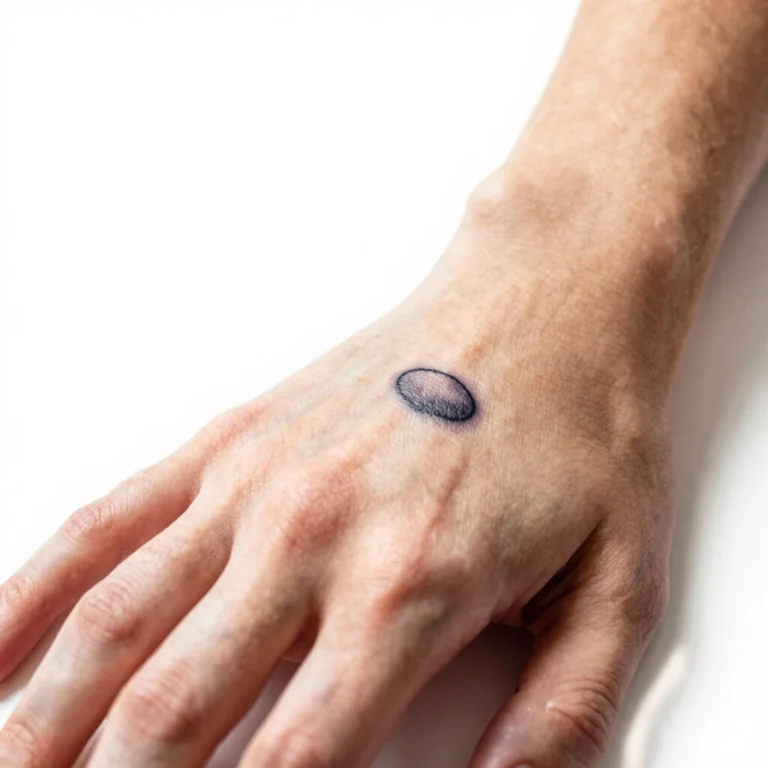
16 First Tattoo Ideas for Women: A Practical Guide Before You Book
Nervous about picking a design you’ll regret in five years? That’s probably the most common worry I hear from people scheduling their first session, and honestly, it’s a fair one. This guide pulls together real technical guidance — not just pretty pictures — so you can walk into a studio knowing exactly what to ask for.
So what are the best first tattoo ideas for women? Fine-line florals, small blackwork symbols, minimalist line art, and single-needle script tend to work best for first-timers because they’re less painful, heal faster than large shaded pieces, and look intentional even at a small scale. These styles also age more predictably on skin over the years.
Stick around, because I’m also going to walk you through placement tradeoffs, pain levels by body area, roughly what things cost, and how to actually brief an artist so you don’t leave the studio with something that doesn’t match what was in your head.
Why First-Timers Gravitate Toward Simple, Meaningful Designs
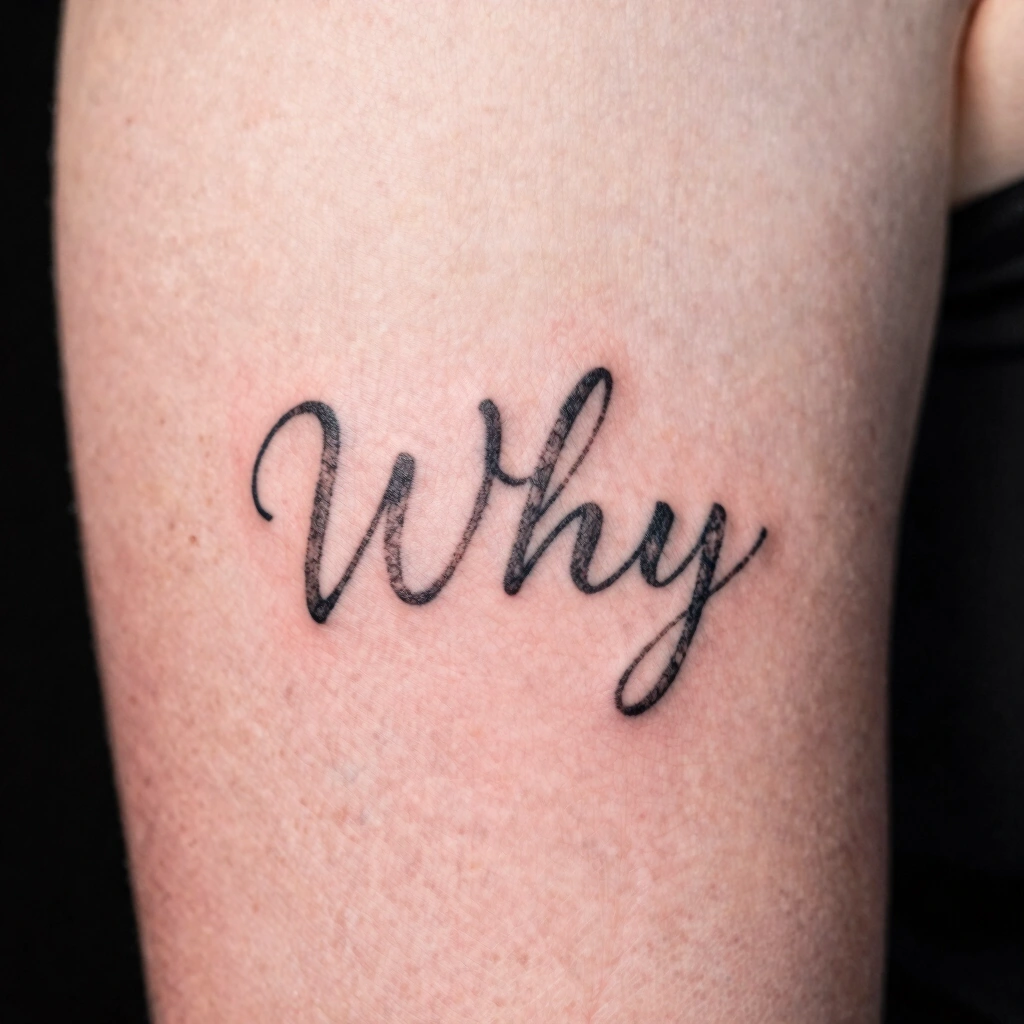
There’s a reason most people don’t walk in and ask for a full back piece on day one. First tattoos work best when they’re small enough to manage pain and cost, but distinct enough in technique that they don’t fade into a blurry blob after five years. Simple linework, controlled shading, and smart placement choices matter more than the design concept itself. A mediocre idea executed with clean technique will outlast a great idea done sloppily. Let’s get into the sixteen ideas.
1. Fine-Line Floral Wrist Tattoo
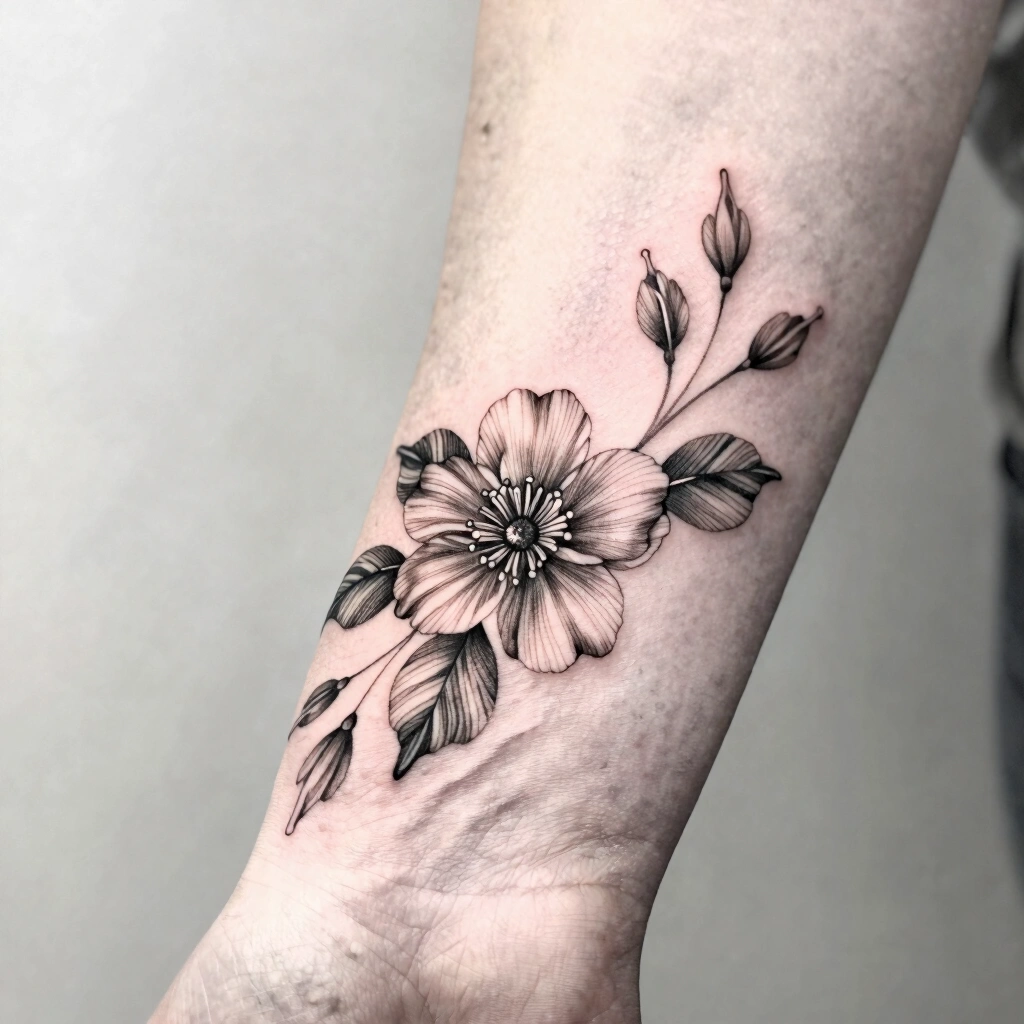
Fine-line work uses a thinner needle configuration, usually a single needle or small round liner, to create delicate, almost sketch-like botanical designs. Think a single stem, a small bundle of wildflowers, or one open blossom rendered with minimal shading. The line weight stays consistent and thin throughout, which gives it that airy, drawn-with-a-pen look rather than bold traditional saturation. Best placement is the inner or outer wrist, sized around 1.5 to 3 inches. Wrist skin is thin over bone, so expect more sensitivity than fleshier areas. Healing typically runs 10–14 days. Bring a botanical reference photo and ask your artist about line consistency — thin lines can blur over a decade if they’re inconsistent width. This style suits workplaces with visible-tattoo policies since it reads as subtle rather than statement-making.
2. Single-Needle Constellation on the Shoulder
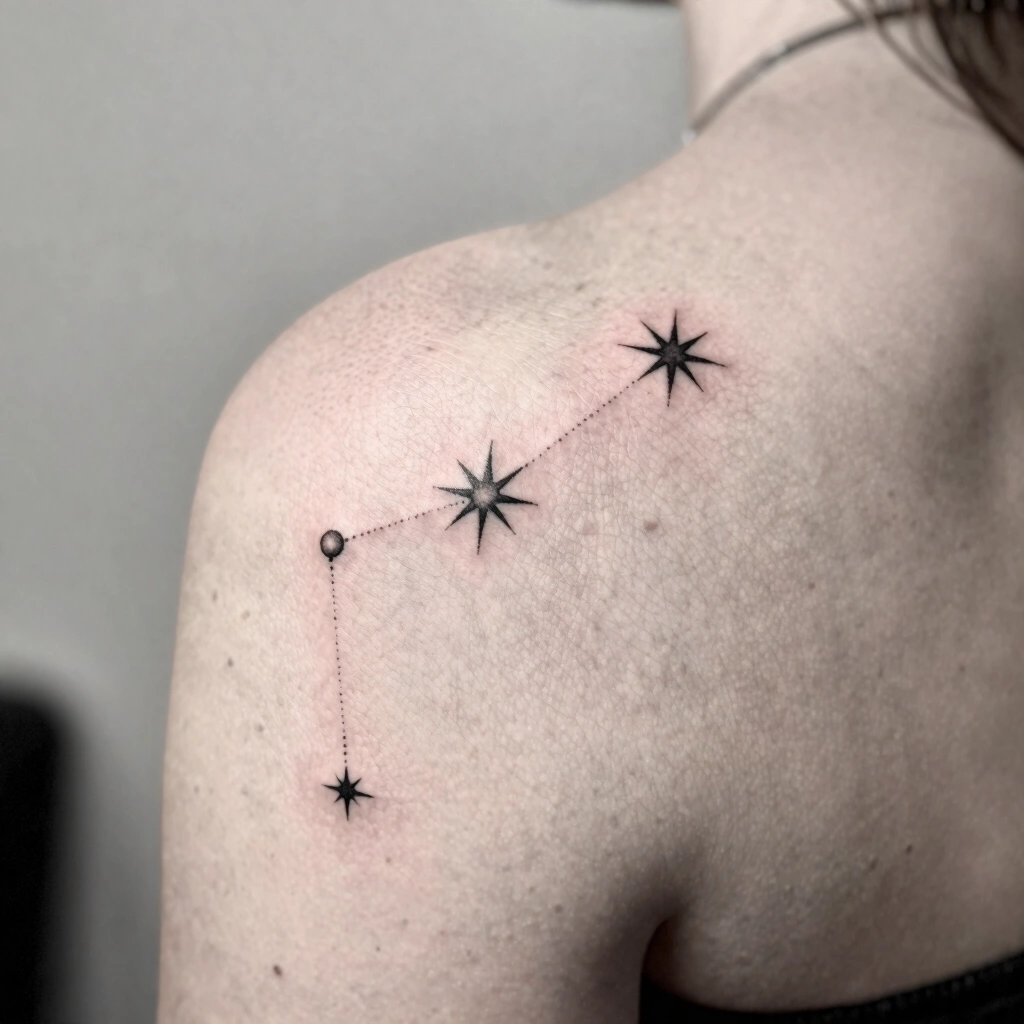
Single-needle tattoos use one tiny needle point, creating extremely fine, precise dots and lines — ideal for star maps or constellations tied to a birth date or meaningful night. The shading is minimal to none; it’s mostly dot placement and thin connecting lines. Shoulders offer more cushioning than wrists or ribs, so pain tends to sit in the moderate-low range. A 2–4 inch design works well here without overcrowding. Healing runs about two weeks. Ask your artist whether they use a single needle or a small round shader, since the latter creates a slightly thicker dot. This design ages well because there’s little shading to blur — just make sure dots aren’t placed too close together, or they’ll merge into a smudge as skin cells turn over.
3. Minimalist Line-Art Animal Outline
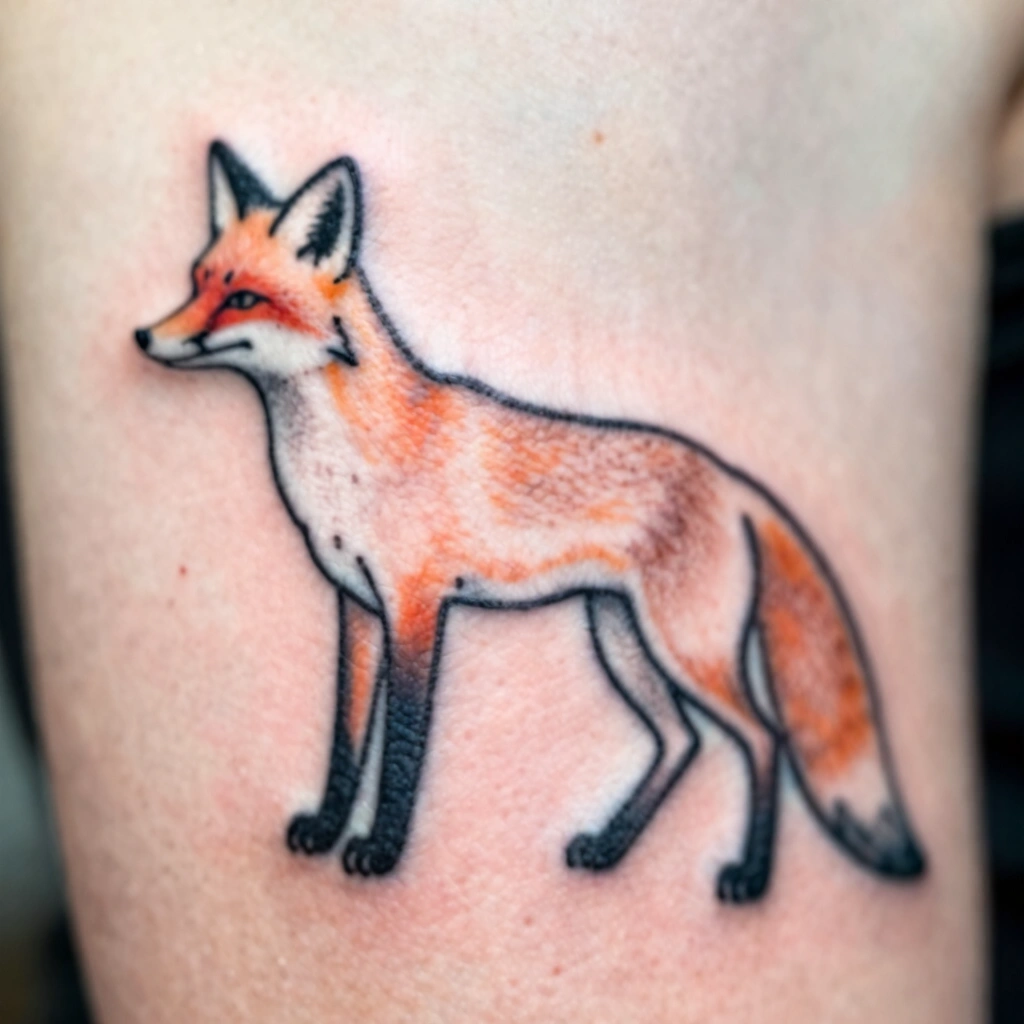
This is a continuous or near-continuous line drawing of an animal — a fox, a bird, a cat — done in one consistent weight with zero shading and zero color. The appeal is in its restraint: the artist has to capture the animal’s character using contour alone. Forearms and ankles both work well, sized 2–3 inches. Ankles see more friction from socks and shoes, which can affect healing, so ask your artist about placement if you’re active. Pain is moderate on the ankle bone, lower on the forearm. This is a strong first-tattoo choice because there’s no shading to age unevenly — just clean linework that either holds up or doesn’t, with little in between.
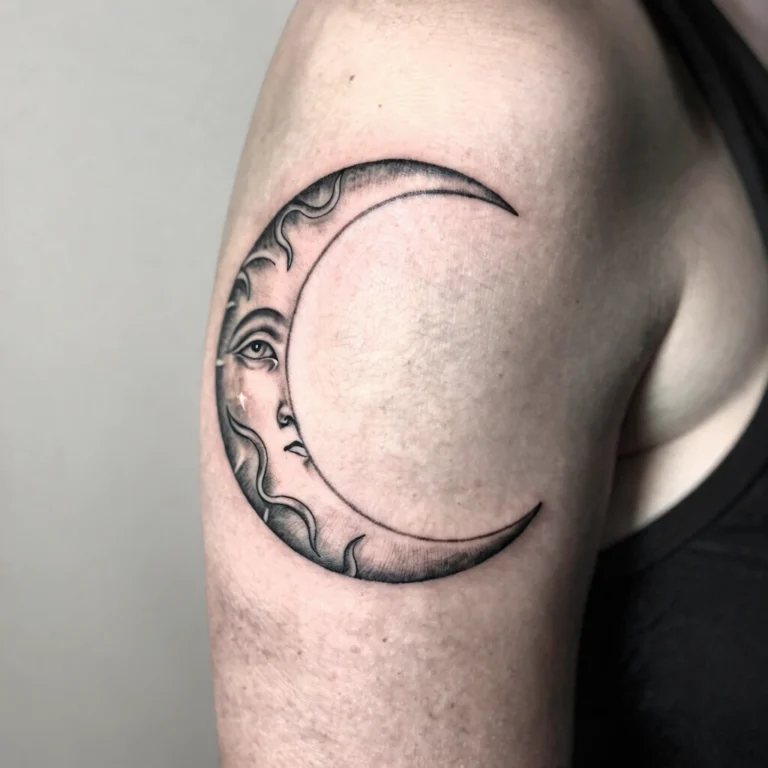
4. Small Blackwork Symbol Behind the Ear
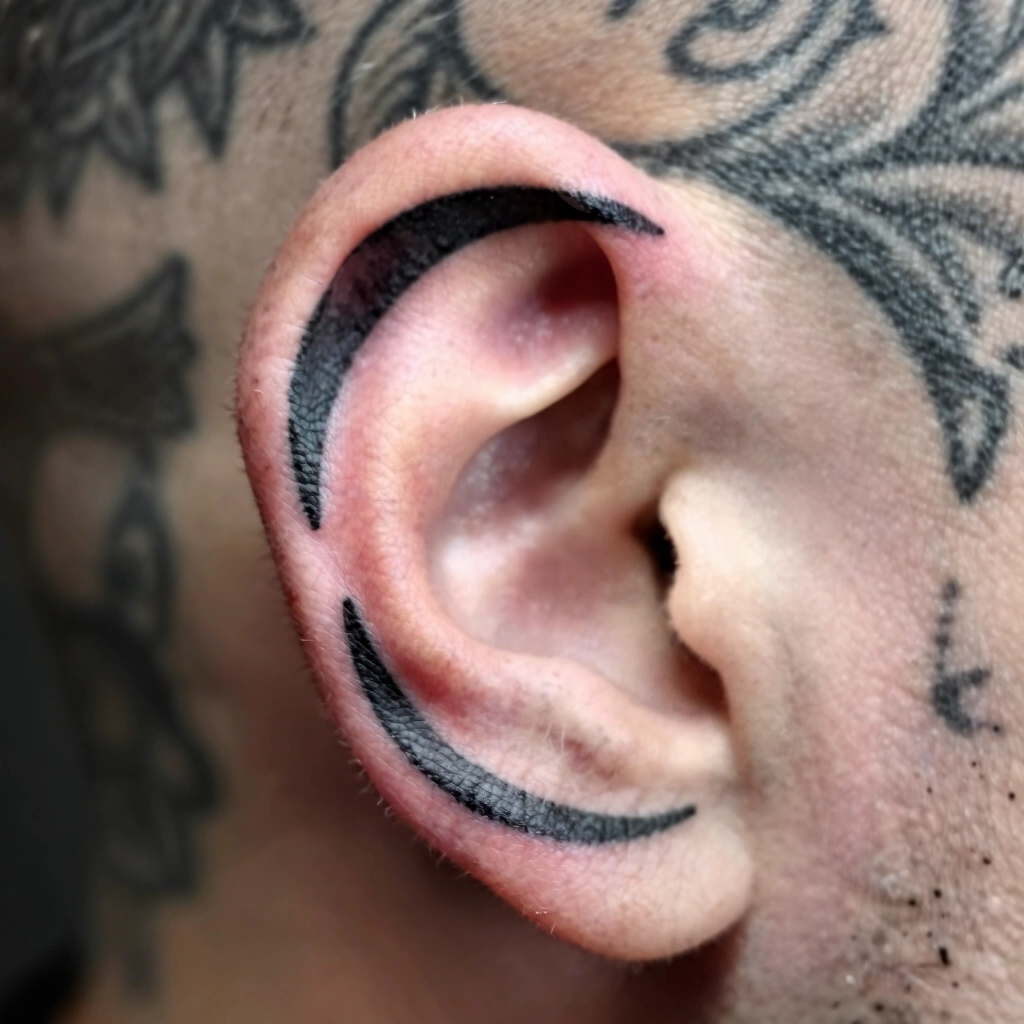
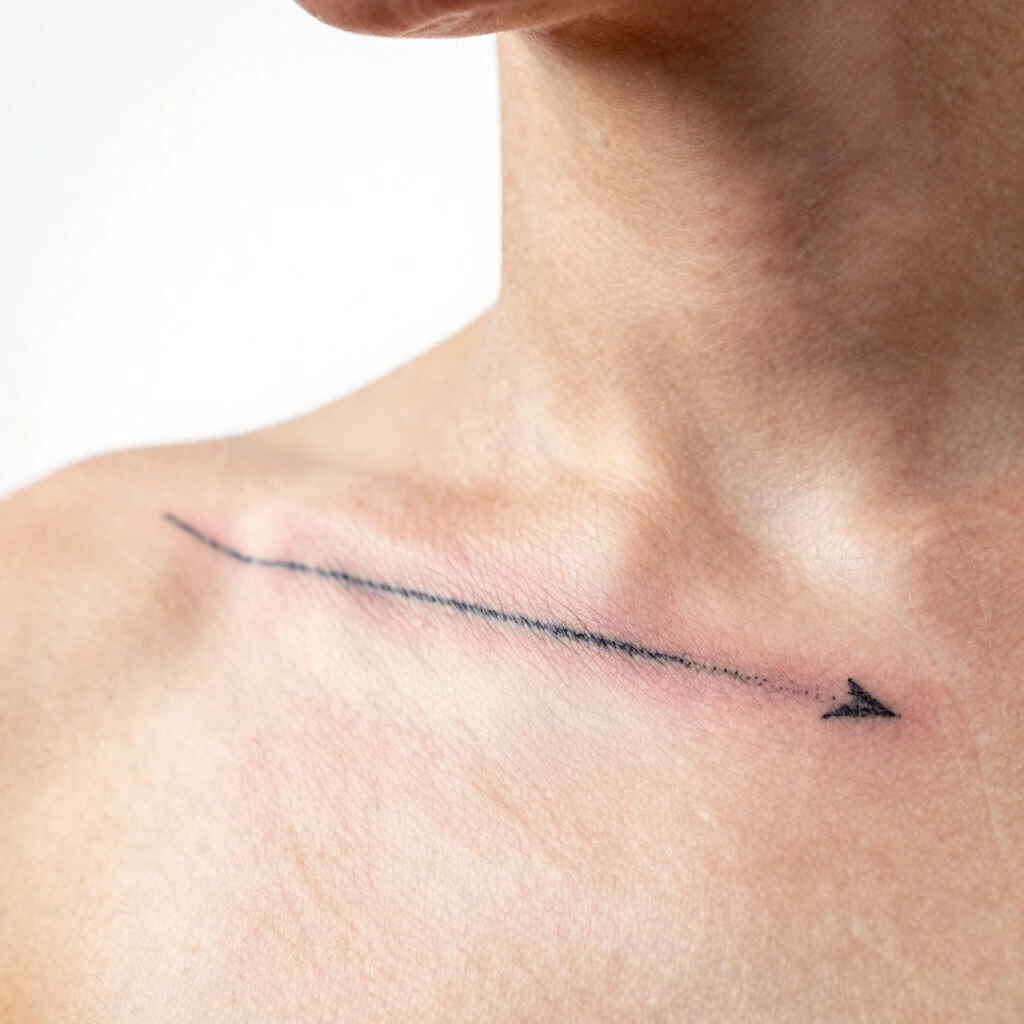
Blackwork uses solid black ink with no color and typically heavier saturation than fine line — think a solid crescent moon, an arrow, or a geometric shape filled completely in. Behind the ear is a popular spot for something private that’s easy to reveal or hide with hair. Because the skin is thin and close to cartilage, expect a sharper, more concentrated pain sensation, though it’s over quickly given the small size (usually under an inch). Healing takes about 1–2 weeks; keep hair pulled back during this period so it doesn’t tug on the healing skin. Ask your artist about saturation — solid blackwork needs even, complete fill, or it’ll look patchy once healed.
5. Dotwork Mandala Fragment
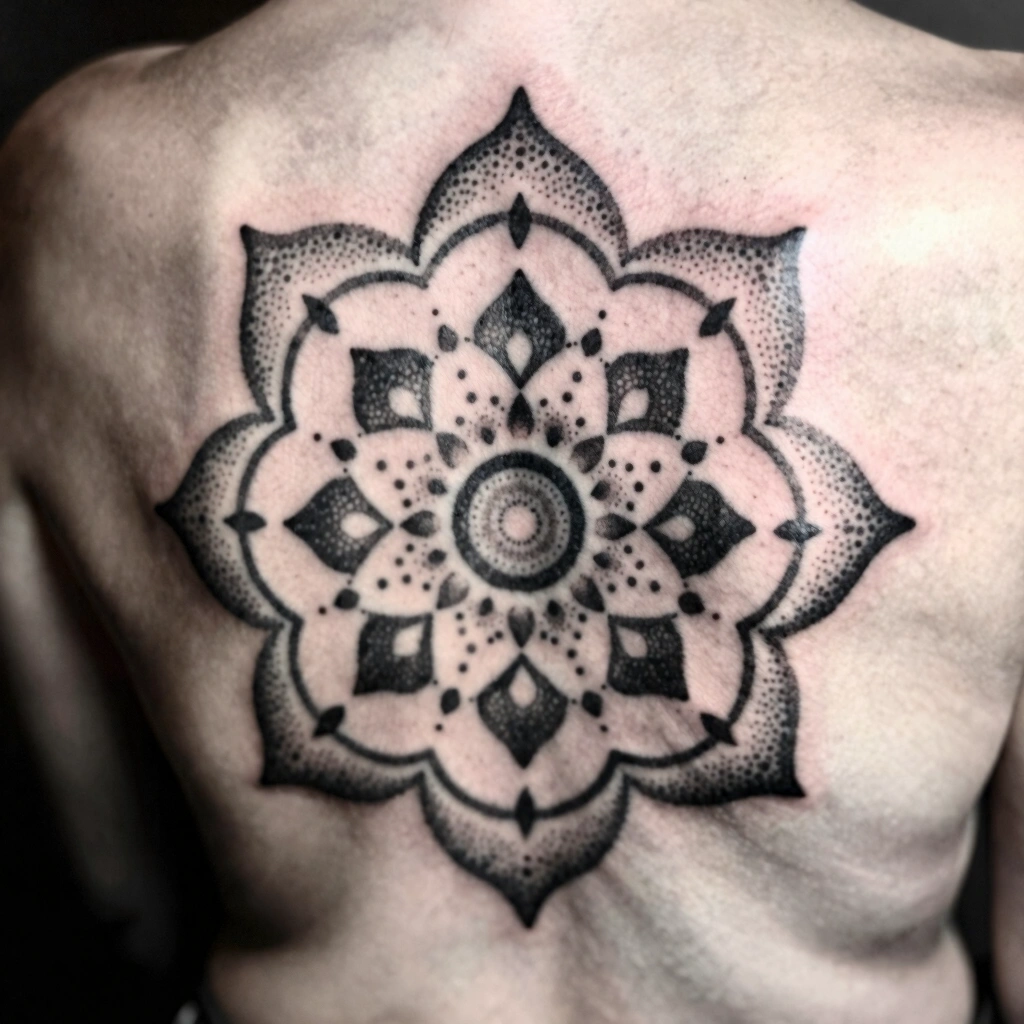
Dotwork builds an image entirely from small dots rather than solid lines or fills, creating texture and gradient through density. A mandala fragment — just a quarter or half section rather than a full circular design — gives you the intricate look without covering a huge area. The upper arm or shoulder blade handles this well, sized 3–4 inches, since flatter skin helps the dot spacing stay even. This technique takes longer in the chair than linework, so expect a longer session and higher cost. Ask to see healed (not just fresh) portfolio photos of the artist’s dotwork specifically, since dot density that looks great on day one can spread slightly as skin heals.
6. Negative Space Moon Phases
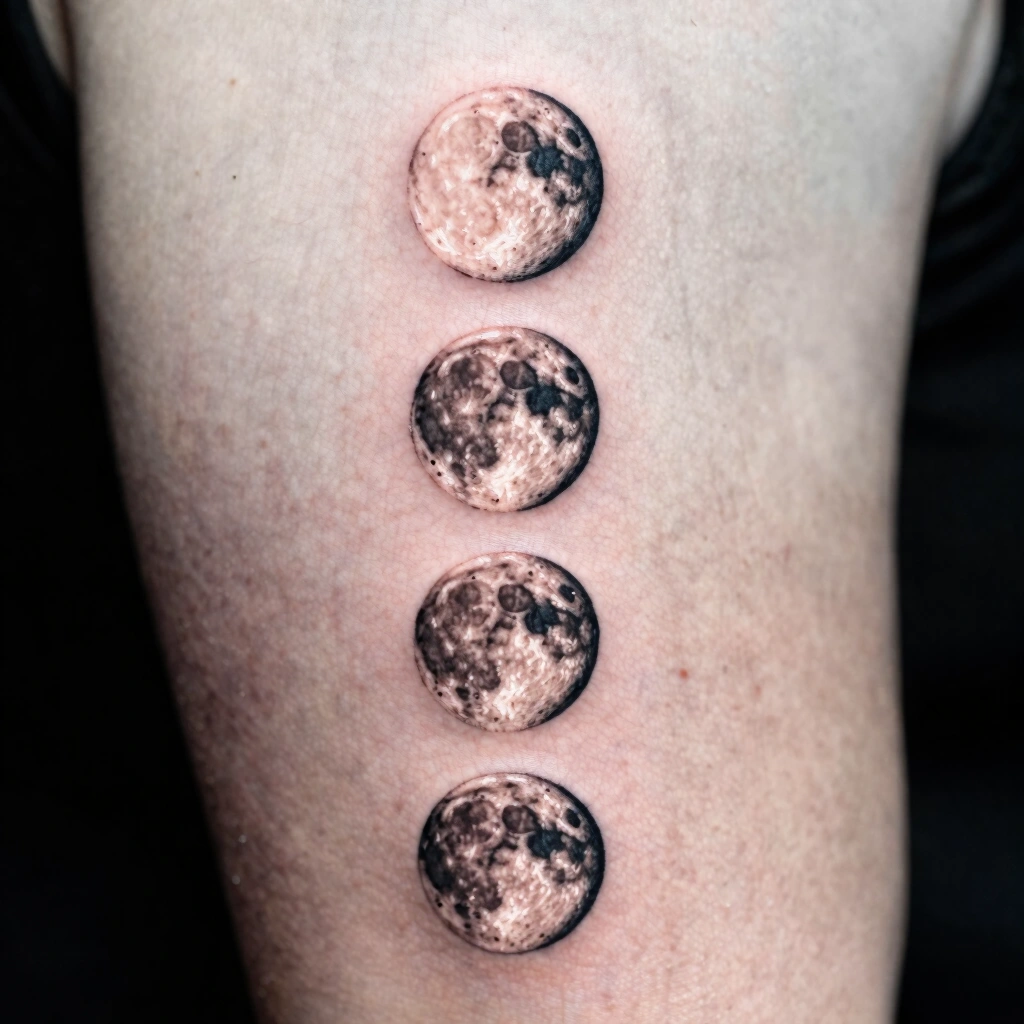
Negative space tattooing uses the untouched skin itself as part of the design, rather than filling everything with ink. A moon-phase sequence — several small circles where some are solid black and others are outlined with the “shadow” side left blank — plays with this contrast directly. This works well on the forearm or upper back where there’s a flat, visible canvas, sized around 3–5 inches for the full sequence. Pain is moderate depending on placement. Ask your artist to sketch the negative space areas on your skin first with a marker so you can confirm the balance before they start. This is a smart choice if you want something visually clever rather than purely decorative, and it photographs well against most skin tones.
7. Delicate Script Tattoo
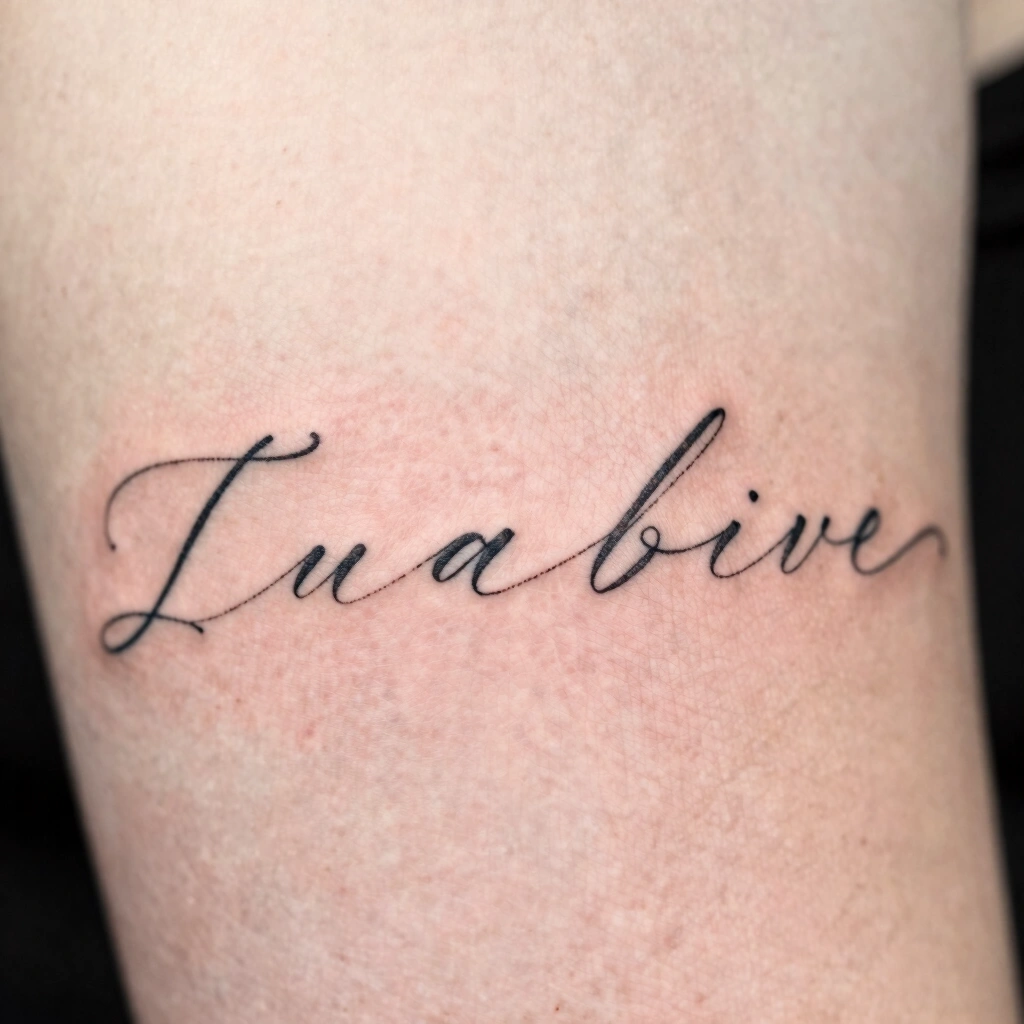
Script tattoos render a word, name, or short phrase in a chosen font, usually done in fine line for a handwritten look or in slightly bolder single-needle strokes for more permanence. Ribs, collarbone, and the side of the torso are common spots, though ribs rank among the more painful placements due to thin skin over bone and limited padding. A word or short phrase usually runs 2–4 inches. Healing takes about two weeks, and clothing friction on ribs can slow things down, so loose clothing helps. Bring a printed version of the exact wording and spacing you want — script tattoos are notoriously easy to get slightly wrong on curve and letter spacing if you just describe it verbally.
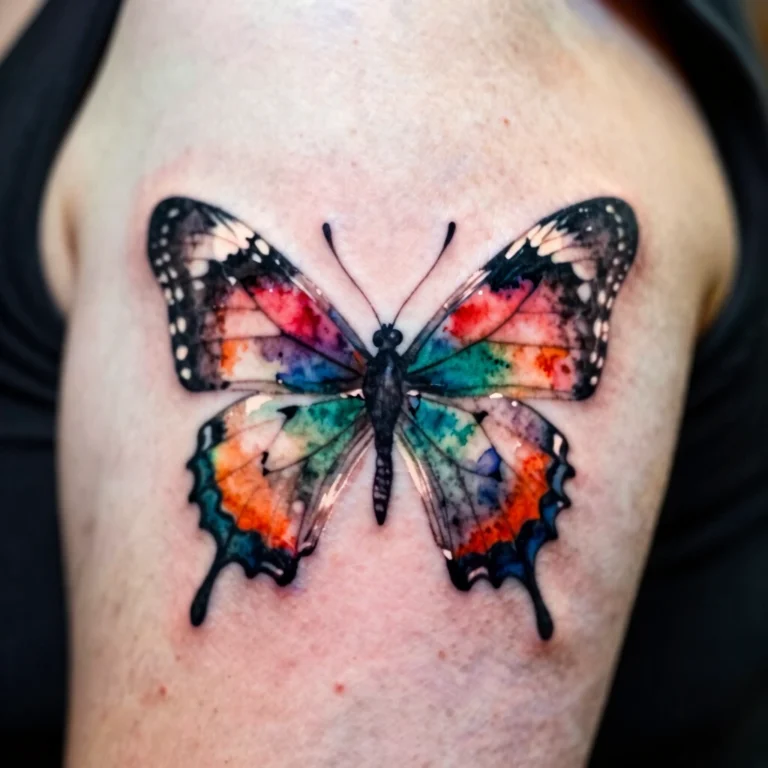
8. Watercolor-Style Floral Accent
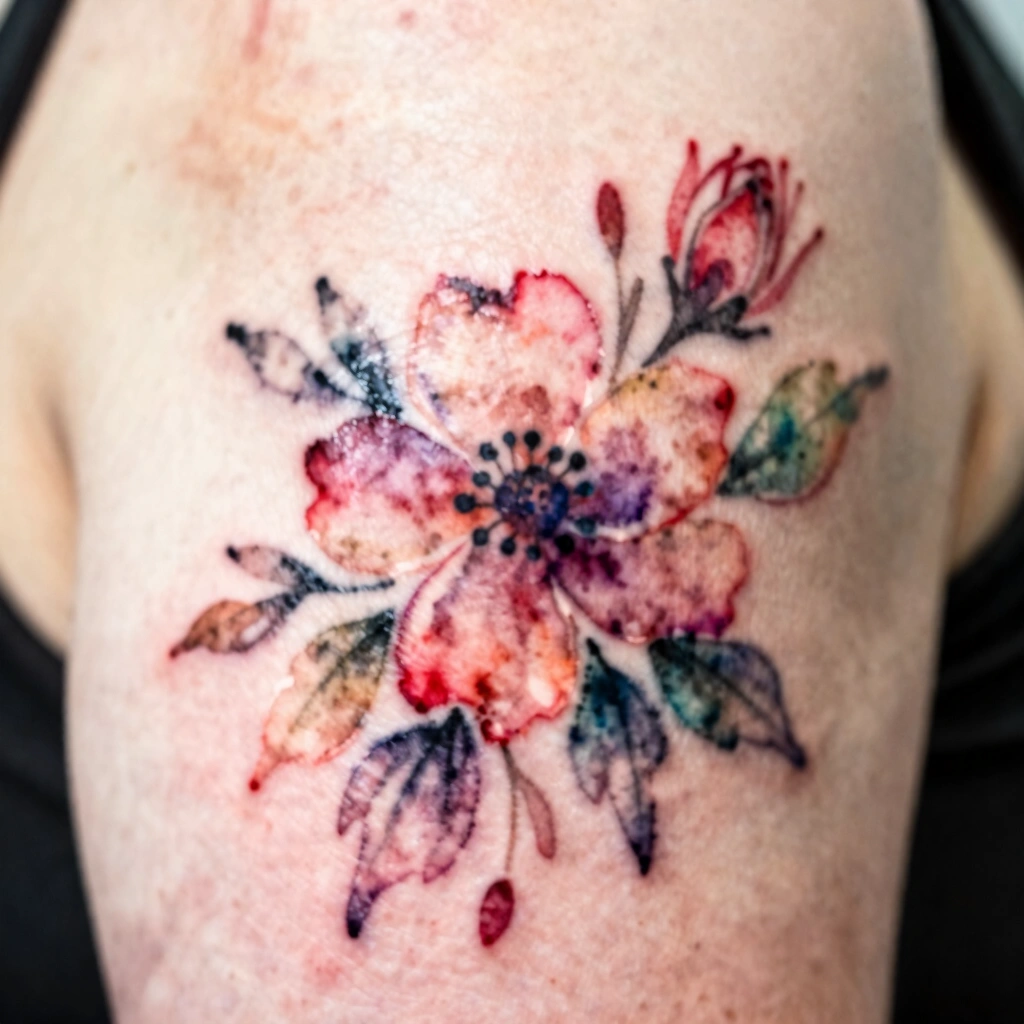
Watercolor tattoos use color blended with lower saturation and soft edges to mimic paint bleeding on paper, often paired with fine-line botanical outlines. This style tends to fade faster than solid blackwork or bold traditional pieces because the color saturation starts lower, so touch-ups every few years are common and worth planning for. Shoulder or upper arm placement gives the color room to breathe, sized 3–4 inches. Ask your artist directly how they handle long-term fading with this technique, since not every studio is equally skilled at watercolor blending. This is a good option if you want color without full commitment to solid, dense ink.
9. Bold Traditional Mini Flash Design
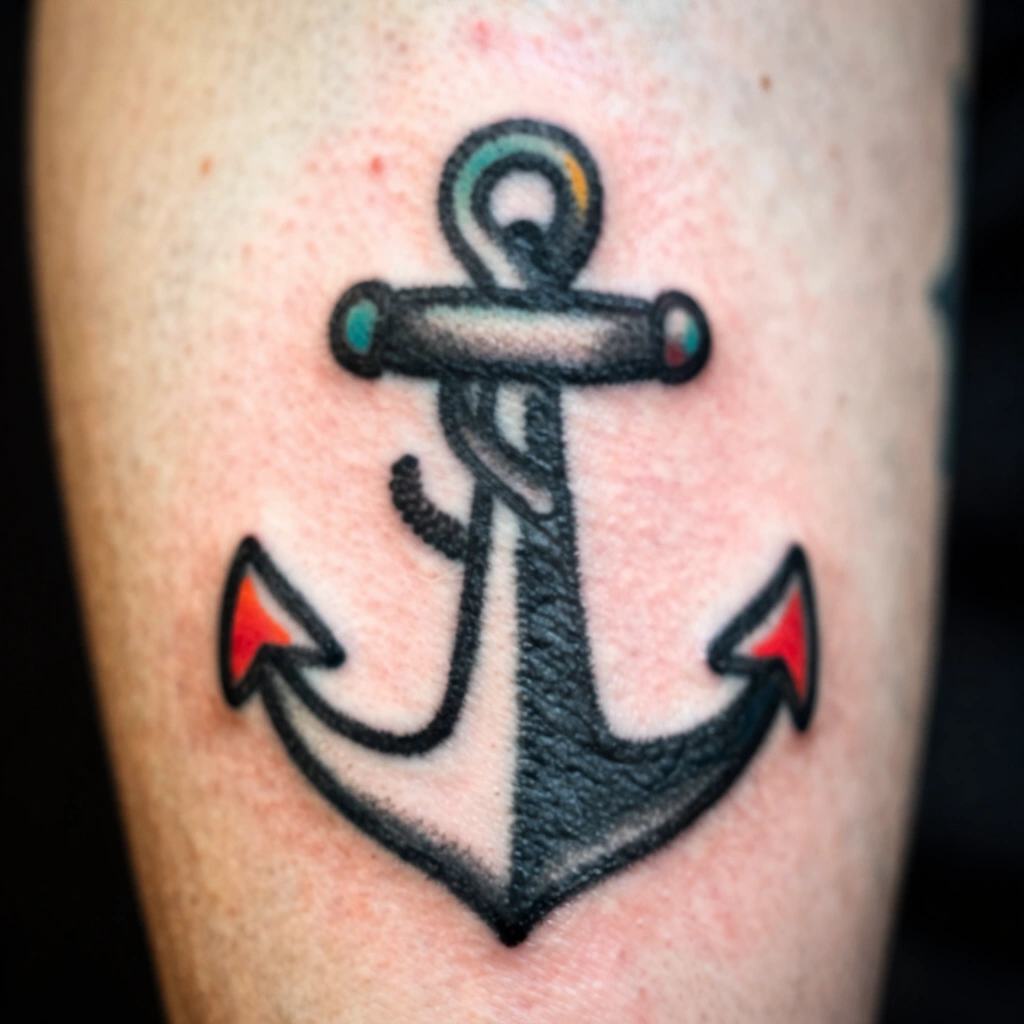
Traditional tattoos use thick, bold outlines with solid color fill and heavy black shading — think classic anchors, swallows, or roses. A mini flash version (flash meaning a pre-drawn design rather than a custom one) shrinks this style down to 2–3 inches while keeping the bold line weight intact. Calves and upper arms handle this well. Because the linework is thick and heavily saturated, this style actually ages better than fine line over decades — the ink holds shape longer. Pain is moderate on fleshier areas like the calf. If you like a shop’s flash sheet design as-is, that’s a legitimate walk-in option and usually costs less than a custom piece.
10. Fine-Line Feather or Leaf on the Collarbone
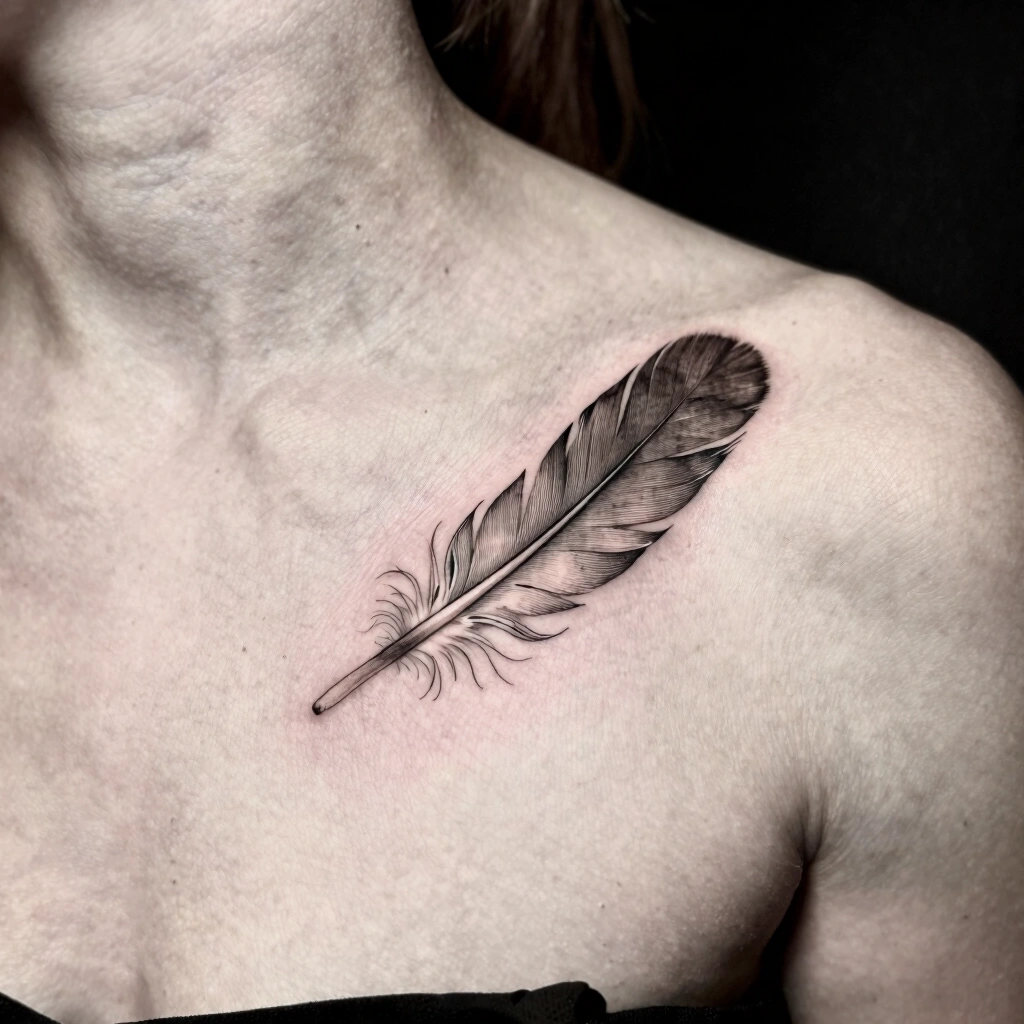
A single feather or leaf rendered in fine line along the collarbone follows the bone’s natural curve, giving the design built-in movement. Line weight stays thin and even, sized around 2–3 inches to fit the space without crowding. The collarbone is a bonier area, so expect noticeably higher discomfort here compared to the arm or thigh. Healing takes 10–14 days; sleeping position matters since side-sleeping can cause friction on fresh ink. This is highly visible in off-shoulder or lower-neck tops, so think through workplace and event visibility before booking.
11. Tiny Symbol Cluster on the Ankle
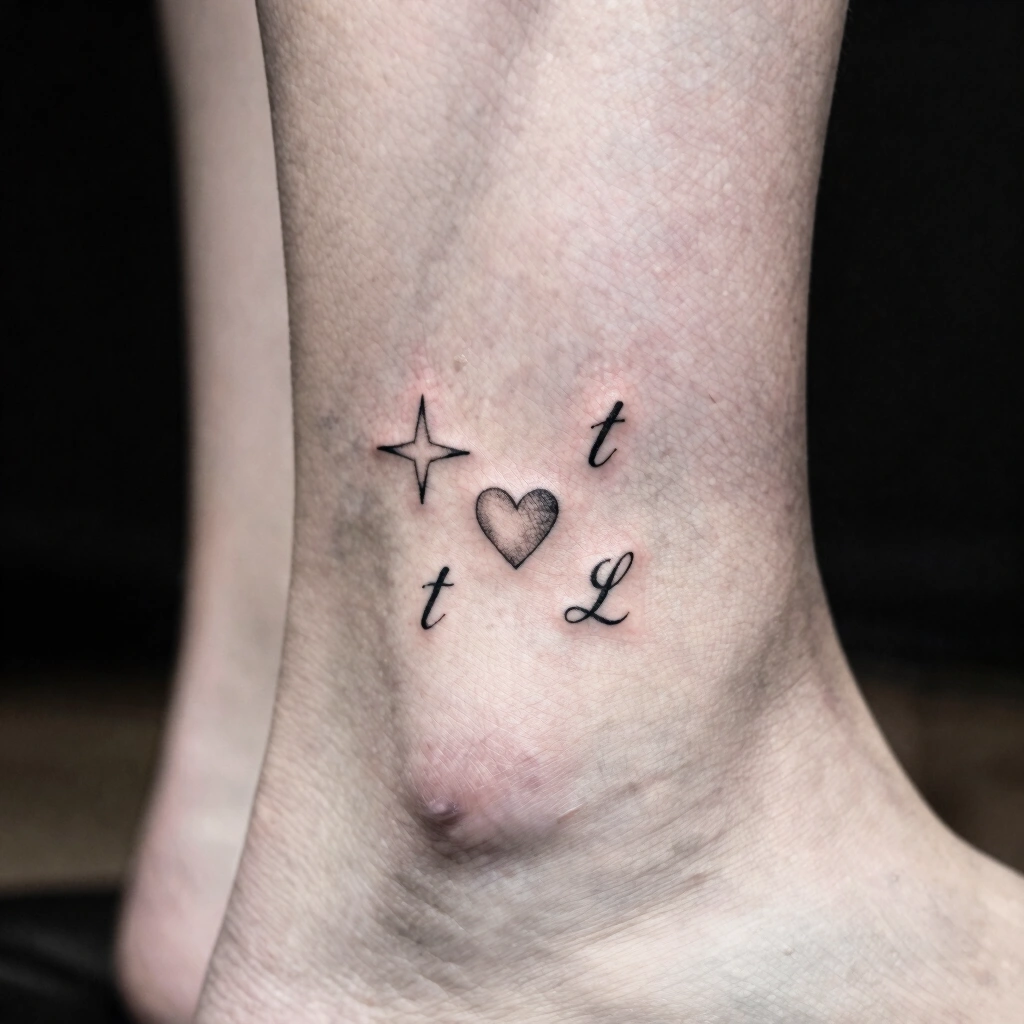
Rather than one design, this groups two or three small elements — a star, a small heart, an initial — together in a loose cluster, each under half an inch. Fine line or single needle both work here. Ankles see more wear from shoes and friction, which can slightly affect crisp linework over time, so ask your artist about placement relative to where footwear typically sits. Pain runs moderate to high right on the ankle bone itself. This is a solid choice for a low-commitment first tattoo since the small scale keeps cost and time low.
12. Botanical Rib Piece
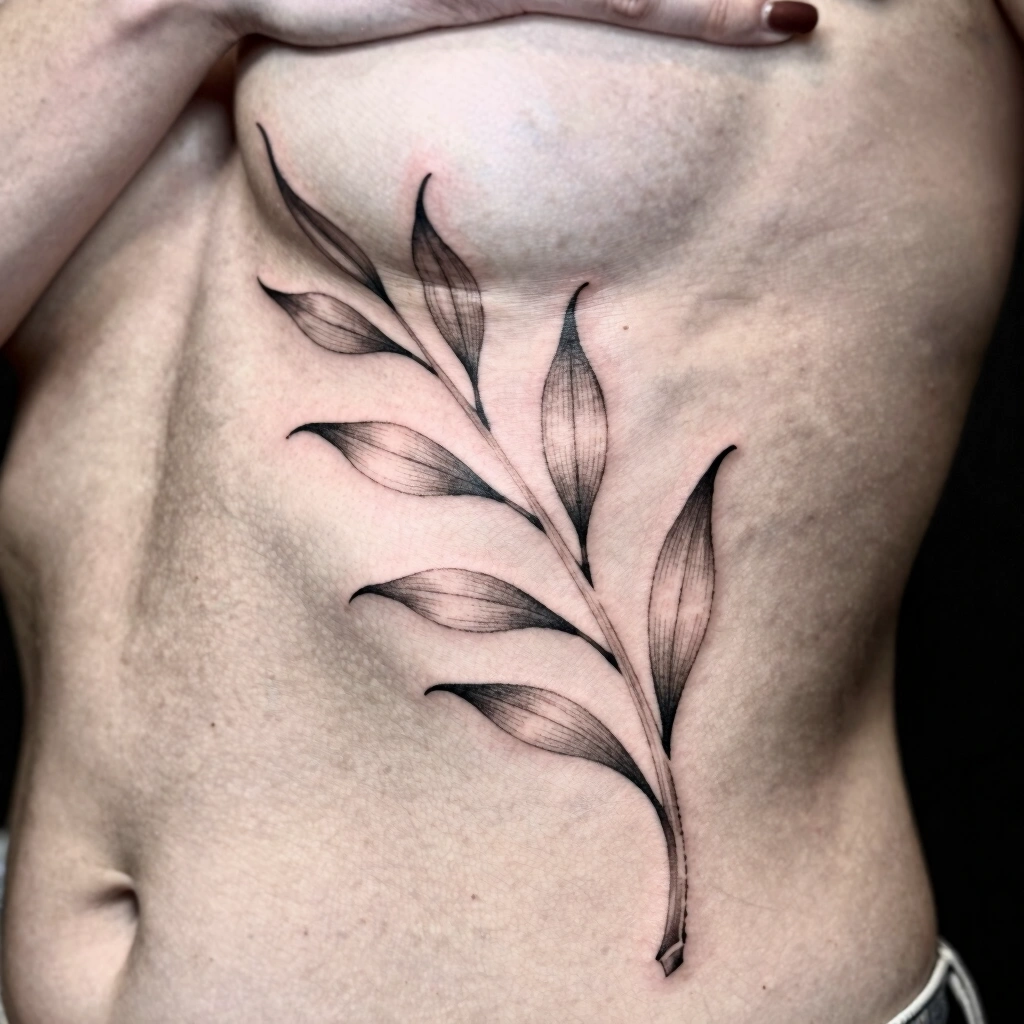
A larger single-stem or vine design running along the ribcage combines fine-line outlines with light shading for dimension. Ribs are consistently rated among the most painful placements due to thin skin, close bone, and the stretching/breathing motion during the session. Sizing here can go bigger, 4–6 inches, since the rib area offers a long vertical canvas. Healing takes about two to three weeks, and clothing friction is a real factor, so plan for loose shirts during recovery. This is a better second-or-third-tattoo choice than a true first, given the pain level, but it’s popular enough to mention here for readers who want a challenge.
13. Abstract Line Wave on the Forearm
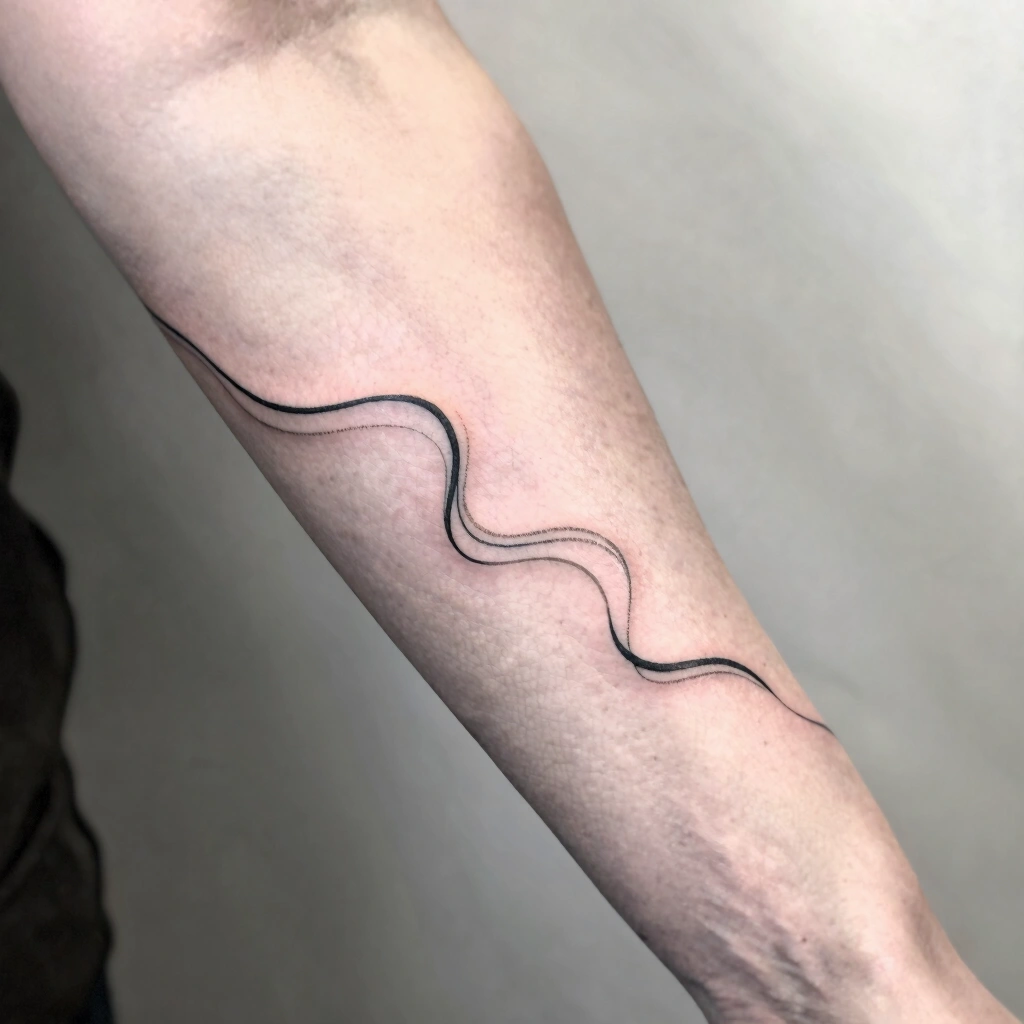
A single continuous wavy line, sometimes with subtle thickness variation, works as an understated forearm piece. It reads as modern and abstract without needing to symbolize anything specific — some people like that open-endedness. Sized 3–5 inches along the forearm’s length, this placement has moderate pain and heals in about two weeks. Ask your artist about line thickness variation, since a perfectly uniform line can look flat while subtle tapering adds visual interest.
14. Small Blackwork Insect or Botanical Silhouette
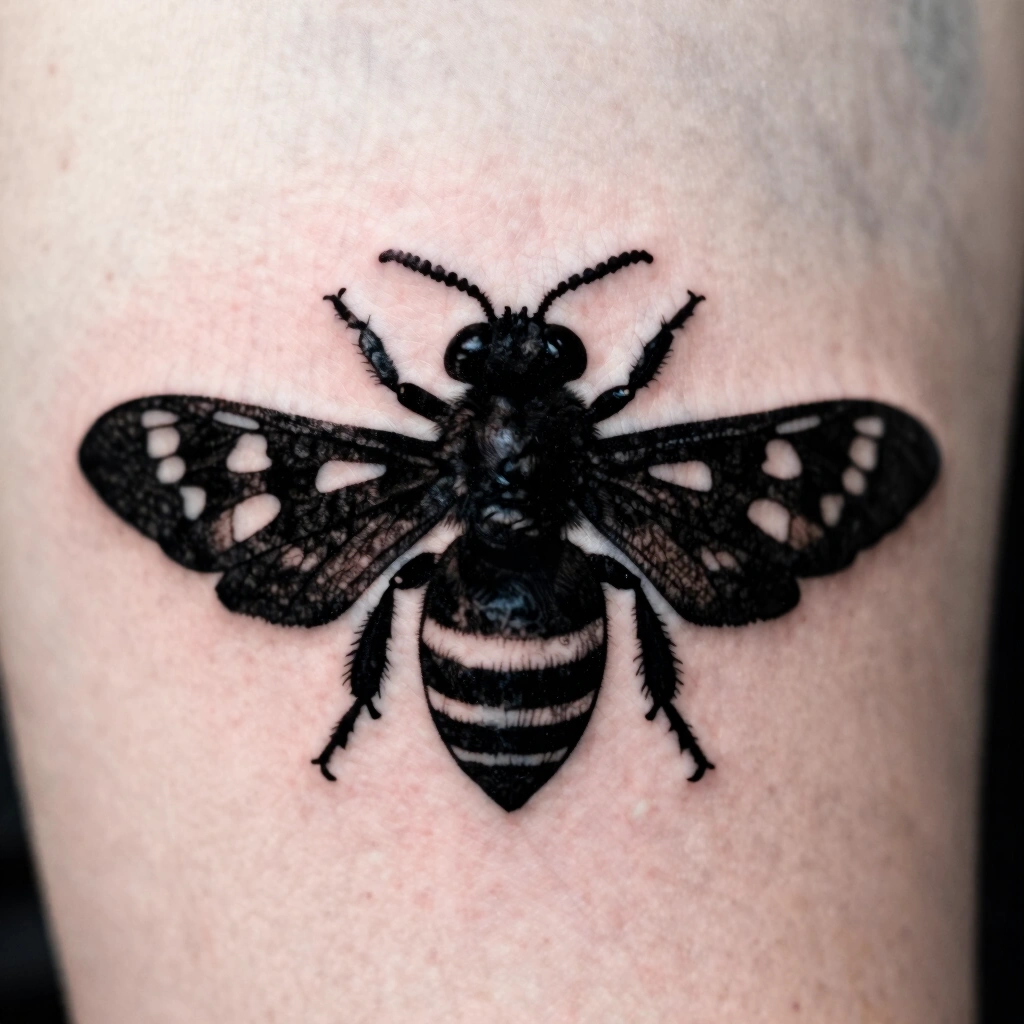
A solid black silhouette — a bee, a moth, a single leaf — filled completely rather than outlined, sized 1–2 inches. This differs from fine-line outline work because the entire shape is saturated black rather than just traced. Good placement includes the ankle, wrist, or back of the neck. Solid fills like this hold their shape well over time compared to fine detail work, making it a practical choice for long-term aging. Ask about linework cleanup at the edges — that’s where solid blackwork designs most often show early signs of fading first.
15. Custom Initial or Symbol for Matching Friend Tattoos
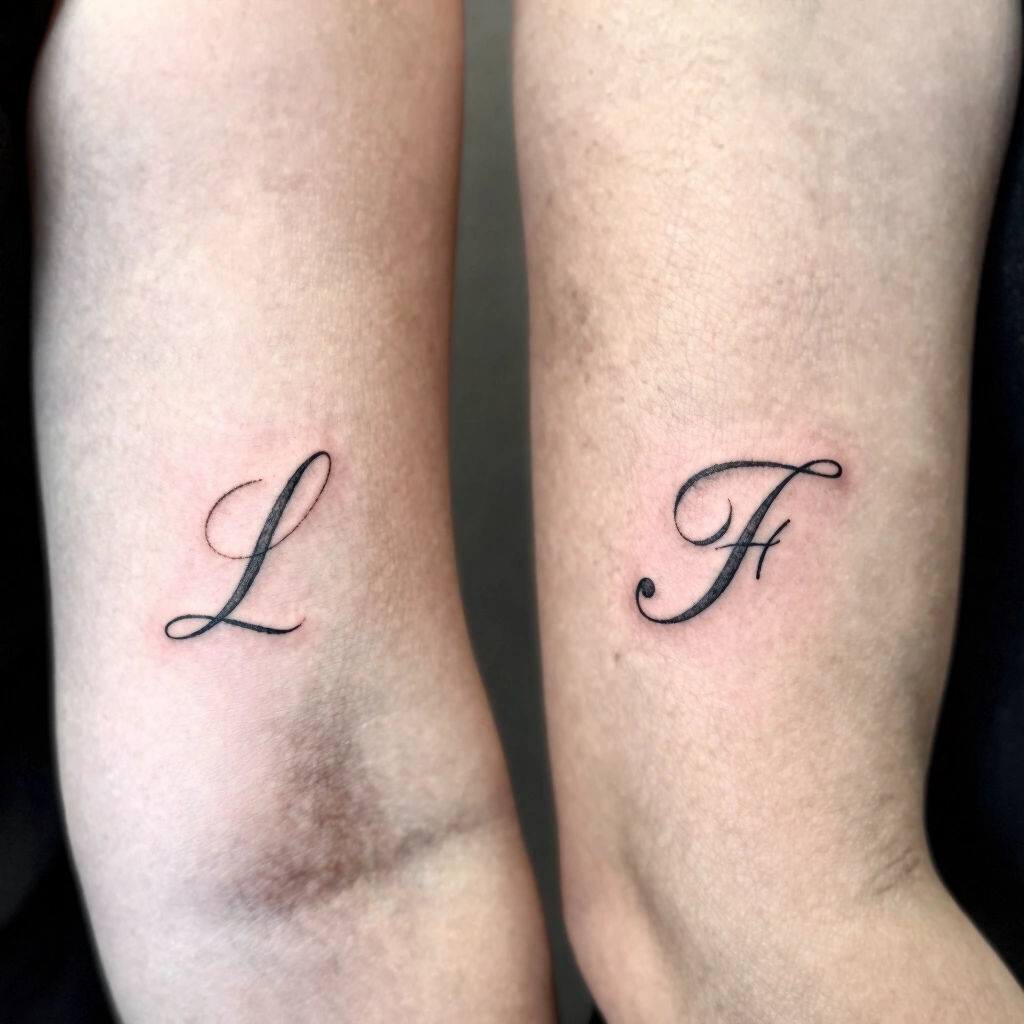
Matching tattoos between friends or sisters often use a shared small symbol or each other’s initials, done in fine line or single needle, sized under an inch. Popular spots include the inner forearm, behind the ear, or the ankle. Since the design is so small, detail has to be kept simple — intricate shading won’t hold up at this scale. Book consultations together if possible, and confirm both people are getting the design done by the same artist for consistency in line weight.
16. Fine-Line Portrait-Style Botanical on the Thigh
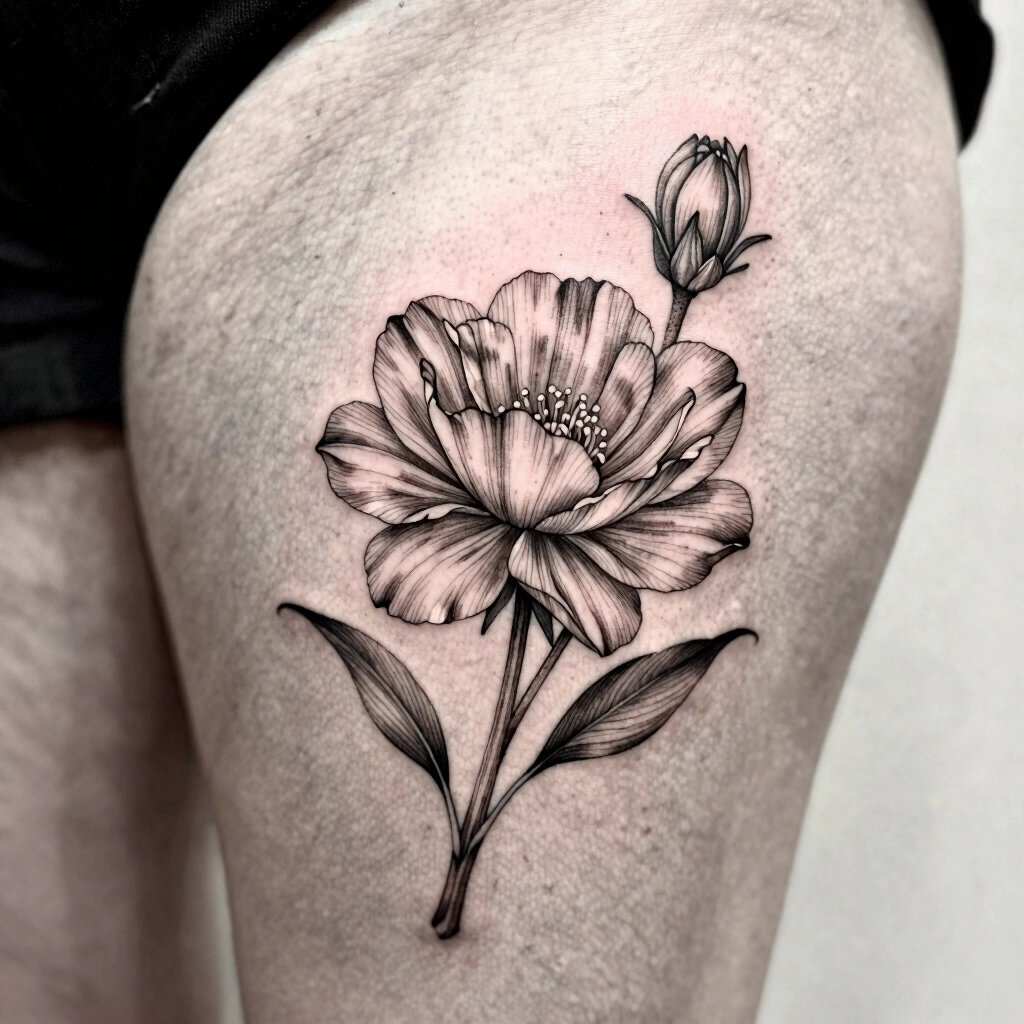
A more detailed botanical illustration — a full flower with layered petals — done in fine line with light shading for depth, placed on the outer or inner thigh. The thigh offers a larger flat area with more cushioning, so pain tends to be lower than rib or ankle placements. Sizing can go up to 4–6 inches here comfortably. This placement is easy to keep hidden for workplace reasons and offers plenty of room if you want to add onto the piece later.
Best Placement Ideas
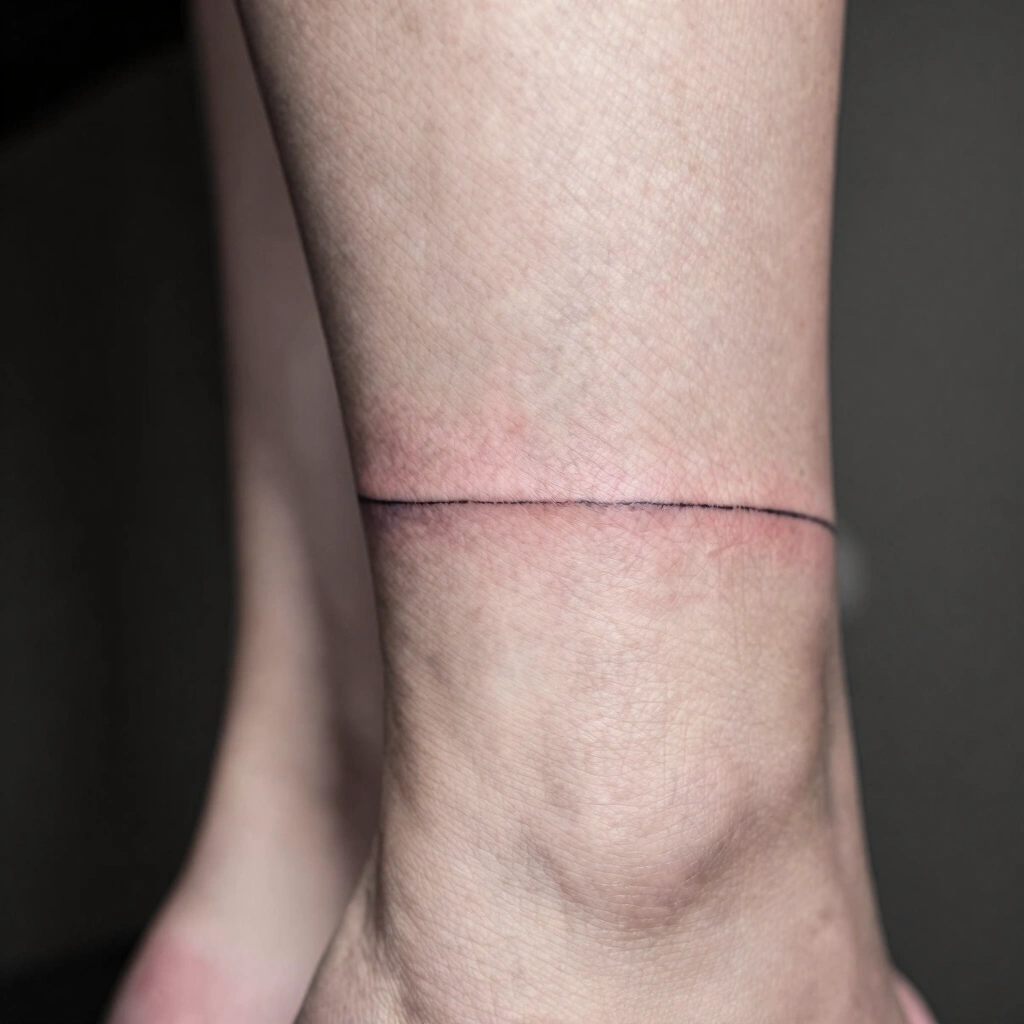
- Wrist or ankle — highly visible, moderate-to-high pain due to thin skin over bone, easy to show off but also easy to bump during healing
- Behind the ear — easy to hide with hair, sharper but brief pain, good for private symbolism
- Forearm — moderate pain, high visibility, good canvas size for detail work
- Ribs — higher pain and longer healing due to clothing friction, but great vertical canvas
- Shoulder or upper arm — lower pain due to more cushioning, easy to conceal with sleeves
- Thigh — lower pain, large flat area, very easy to conceal
- Collarbone — higher pain due to bone proximity, high visibility in certain outfits
Tips for Success
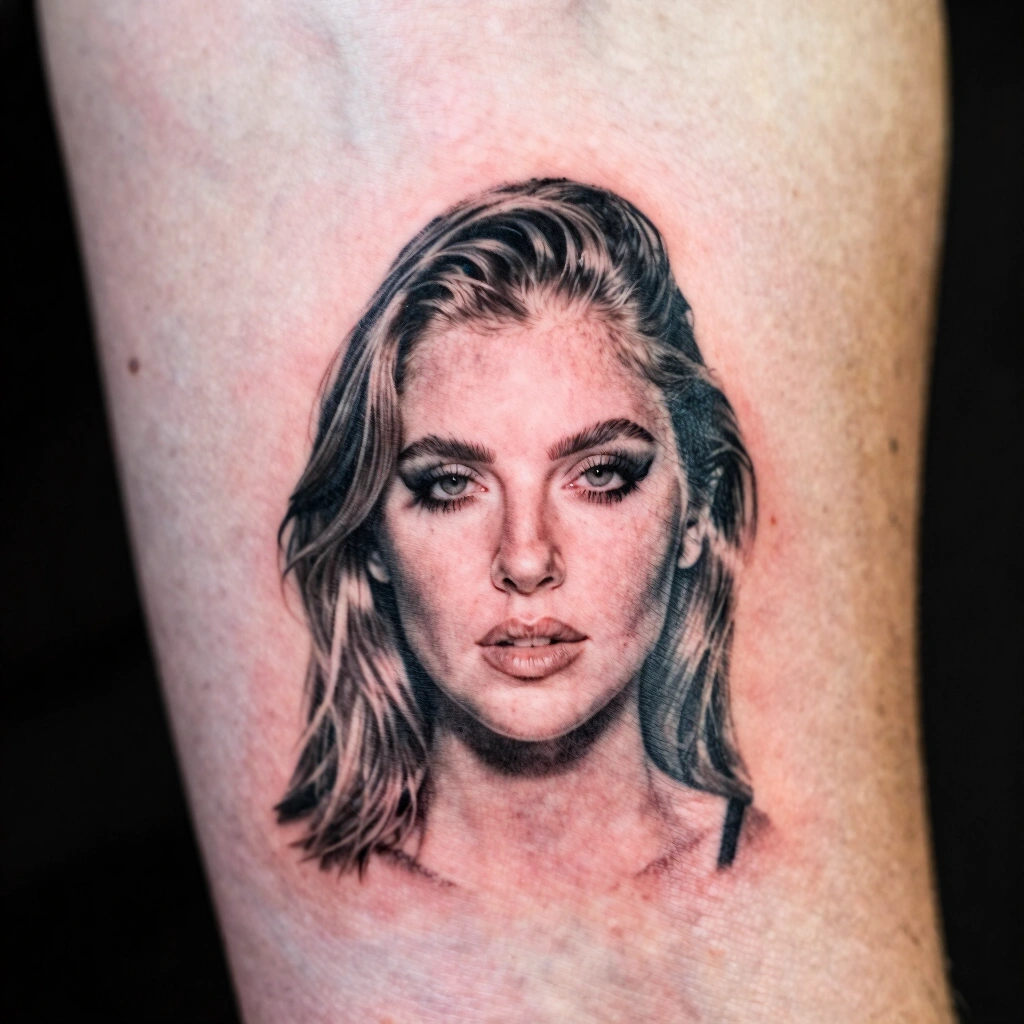
Look for an artist whose portfolio shows healed photos, not just fresh ink straight off the needle — fresh tattoos always look crisp, but healed results tell you how their linework and saturation actually hold up. Book a consultation before committing, and bring reference images along with a clear idea of size and placement. Ask specifically about needle type for fine detail work, and don’t be shy about asking to see examples of the exact style you want, whether that’s dotwork, blackwork, or watercolor. A good artist will talk you through realistic sizing rather than just agreeing to whatever you ask for.
Common Mistakes and How to Avoid Them
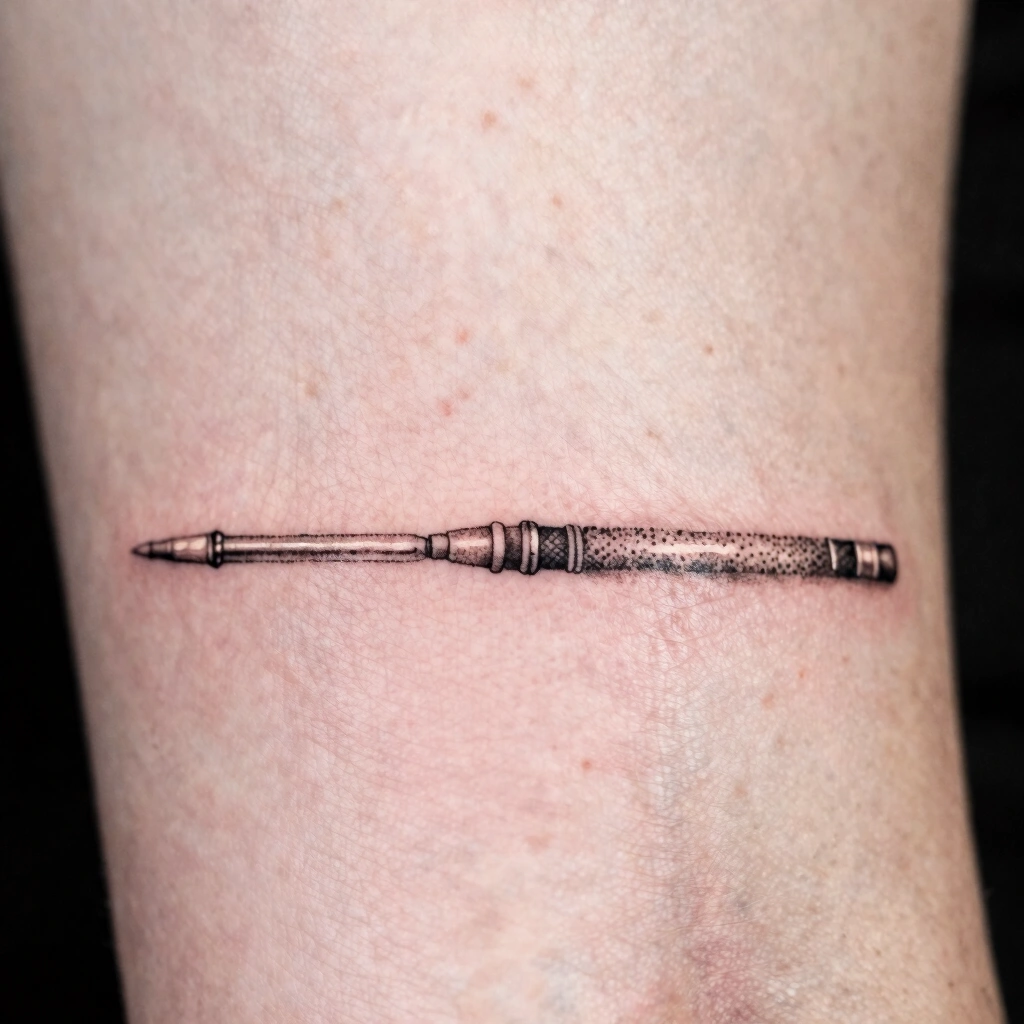
- Going too small for the detail level — intricate shading or dotwork needs enough space to hold up over time; shrinking a detailed design below an inch often causes it to blur within a few years
- Picking a bold placement for delicate linework — fine line on high-friction areas like the palm side of the wrist or the foot can fade faster
- Skipping aftercare instructions — not following your artist’s specific aftercare sheet is one of the most common reasons for patchy healing
- Copying a design exactly from Pinterest without personalizing it — consider asking your artist to adjust proportions or add a small custom element so it’s genuinely yours
Similar Variations
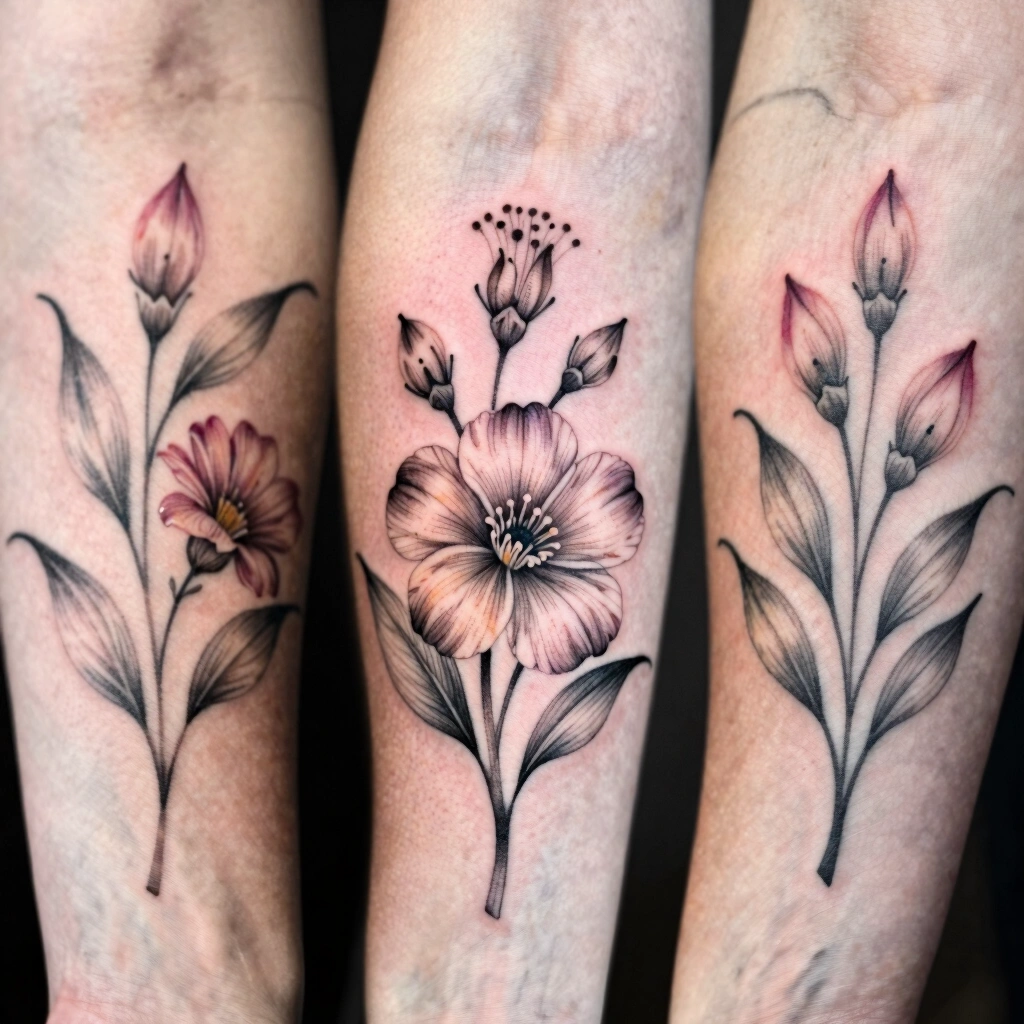
Nearly every idea above can be resized up for more visible detail or down for subtlety. Fine-line florals can be recolored into soft watercolor versions. Blackwork symbols can be combined with dotwork shading for added texture. Script can be paired with a small botanical accent. Think of these sixteen ideas as starting points, not fixed templates.
Aftercare Basics
General aftercare typically involves keeping the area clean, avoiding direct sun exposure, avoiding swimming or soaking for a couple of weeks, and not picking at any peeling skin. Always follow the specific aftercare instructions your artist gives you, since products and timelines can vary by studio. If you notice anything that concerns you during healing, consult a licensed dermatologist or your tattoo artist directly rather than guessing.
Quick FAQ
How much does a small first tattoo cost?
Small designs under 3 inches often fall in the $80–$250 range depending on the studio, location, and complexity, though custom pieces cost more than flash designs.
How painful is a first tattoo really?
Pain varies by individual and by placement — bony, thin-skin areas like ribs, wrists, and ankles tend to feel more intense than fleshier spots like the thigh or upper arm.
How long does healing take?
Most small tattoos heal on the surface within 10–14 days, though full skin healing underneath can take up to a month; individual healing time varies.
Will my tattoo fade or change over time?
Yes, to some degree — fine line and watercolor styles tend to soften faster than bold blackwork or traditional linework, which is why touch-ups every several years are common.
Final Thoughts
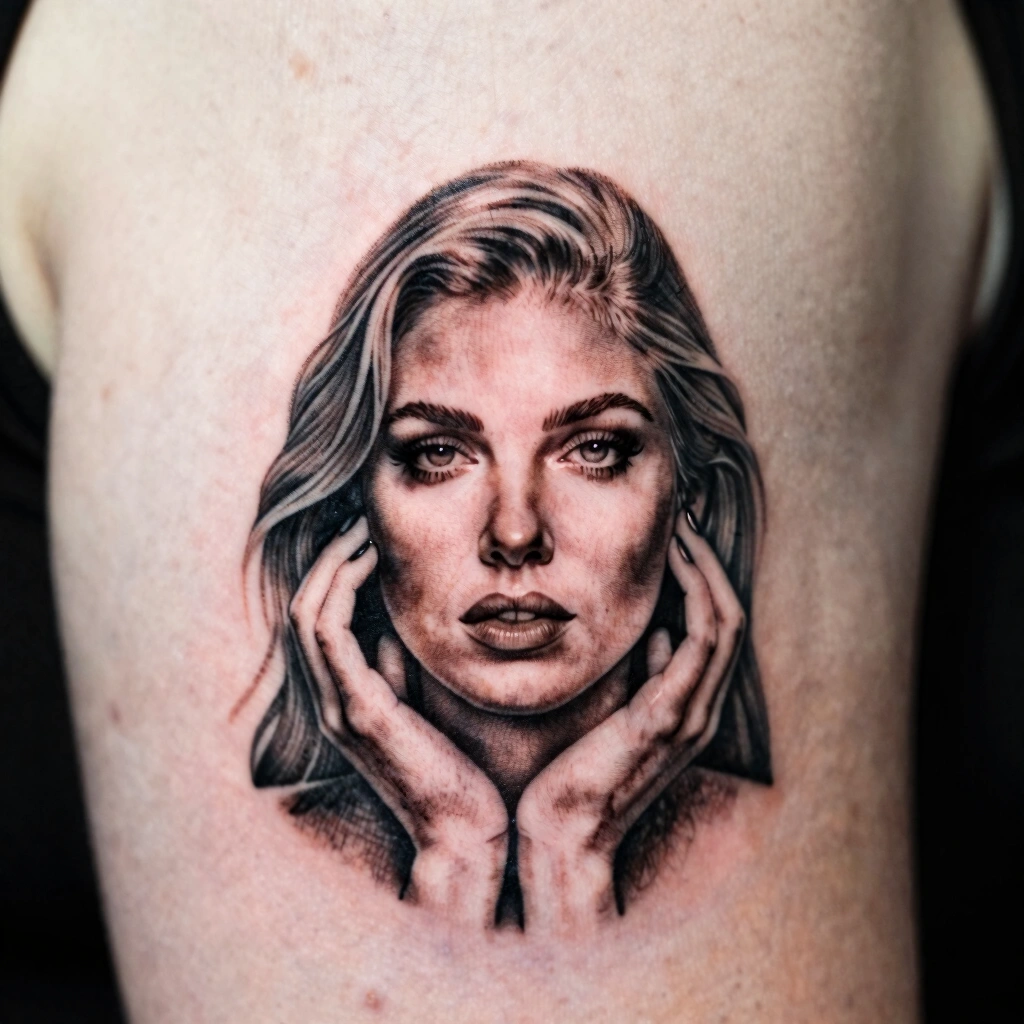
Choosing from these first tattoo ideas for women really comes down to matching the technique to your pain tolerance, lifestyle, and how much detail you want holding up years from now. Take your time picking an artist whose healed work you actually trust, ask direct questions during your consultation, and remember that pain, cost, and healing all vary from person to person — a licensed professional can walk you through what’s realistic for your skin and design. Whatever you choose, going in informed is what turns a first tattoo into one you’re still happy with a decade later.