17 Behind-the-Ear Tattoo Ideas: Small and Meaningful Designs Worth Considering
Nervous about picking a design you’ll regret in five years? That’s a fair worry, especially with a spot as visible—and as unforgiving of mistakes—as behind the ear. I’ve spent enough time in studios watching artists work on this exact placement to know what actually holds up over time and what tends to blur into a smudge after a few years. This guide skips the fluff and gets into the technical stuff that actually matters: line weight, healing time, placement geometry, and how to talk to your artist so you get what you actually want.
So what are the best behind-the-ear tattoo ideas? Fine-line florals, single-needle script, tiny dotwork stars, and minimalist blackwork symbols work best here, since the area’s thin skin holds delicate linework well but struggles with heavy shading or dense color saturation over time. Simple, low-detail designs under 1.5 inches age the most gracefully in this spot.
Stick around and I’ll walk you through placement tradeoffs, real pain expectations, cost ranges, how to brief your artist so the stencil actually matches your vision, and the mistakes I see people make constantly with this particular spot.
Why Behind-the-Ear Tattoos Work So Well for Small, Meaningful Designs

Behind the ear is one of the few spots on the body where subtlety is basically built in. Hair covers it when you want it hidden, and a simple flip or updo reveals it when you don’t. That dual nature makes it a favorite for people who want a tattoo with personal meaning but aren’t ready to advertise it at every job interview. The skin here is thin and close to the skull, which is great for fine, precise linework but not ideal for anything requiring heavy ink saturation or large-scale shading. Because of that, most successful designs in this zone lean toward simplicity: single needle lines, minimal dotwork (a technique using small dots instead of solid lines to build shape or texture), or clean blackwork (solid black linework or fill) rather than anything with gradients or watercolor blending, which tend to fade unevenly on this particular patch of skin.
Fine-Line Crescent Moon

A crescent moon done in fine line—meaning thin, single-pass needle strokes instead of thick outlines—reads as delicate without looking unfinished. Most artists keep the line weight between 0.3mm and 0.5mm here, which is thin enough to stay crisp but thick enough to survive the natural fading that happens over five to ten years. Placement usually sits right in the small hollow behind the earlobe, sized around half an inch to an inch. Because the skin behind the ear is thinner and closer to cartilage, expect a sharper, more concentrated sensation than you’d get on the arm or thigh—though pain tolerance varies a lot person to person. Bring a reference image with a slightly asymmetric crescent rather than a perfect geometric one; it tends to look more hand-drawn and less like clip art. This design works well for a first tattoo since it’s low commitment and easy to cover for work.
Minimalist Dotwork Star Cluster

Dotwork star clusters use a series of tiny puncture dots instead of continuous lines to build the shape of a constellation or scattered stars. It’s a slower technique for the artist, but it produces a soft, almost powdery texture that reads differently from bold blackwork. Three to five small dots or stars, spaced loosely, tend to look more natural than a tight, symmetrical grouping. Keep the whole cluster under an inch for this placement—larger dotwork here risks the dots blurring together as skin ages. Ask your artist specifically about needle grouping size (a 1-needle or 3-needle round liner keeps dots small and separated). Healing typically takes two to three weeks, and scratching during the peeling phase can distort dot placement permanently, so this design demands more aftercare discipline than a simple line.
Single-Needle Script Word

A short word or initial done in single-needle work means the artist uses one fine needle point rather than a grouped needle, producing an almost hair-thin line. This is the technique behind those whisper-quiet script tattoos you see tucked behind ears in photos. Because the letters are so fine, font choice matters enormously—avoid anything with serifs or thin connecting strokes, since those details are the first to blur as the tattoo settles into skin over the years. A single name, date abbreviation, or word under six letters works best at this size. Tell your artist you want it kept to single-needle rather than a 3-round liner, since some studios default to a slightly thicker line unless you ask. This is a popular matching tattoo option for siblings or close friends who want something meaningful without a big visual statement.
Tiny Blackwork Flower

Blackwork uses solid black fill rather than fine outlines or dot texture, giving a flower design bold, graphic contrast against the skin. A single-bloom flower—think a simple five-petal shape or a stylized daisy—holds its shape better over time than a multi-flower bouquet, which risks looking cramped in the small space behind the ear. Solid black ink also tends to hold saturation longer than gray-wash shading in this location, since the thinner skin here doesn’t retain subtle gray tones as well. Size should stay around 0.75 to 1.25 inches. Ask to see healed photos (not just fresh ink) in your artist’s portfolio before booking, since blackwork that looks crisp on day one can spread slightly as it settles—healed photos tell you the truth about how it’ll actually look at month three.
Negative Space Wave

Negative space tattooing uses the untouched skin itself as part of the design, letting a shape emerge from what’s left unfilled around solid ink. A wave design done this way might have a solid black band with a thin unfilled curve cutting through it, creating the wave shape from the gap rather than a drawn line. This technique demands a genuinely skilled hand, since uneven spacing or shaky application ruins the illusion fast. It suits medium skin tones well, though very light or very deep skin tones may want to discuss contrast expectations directly with the artist beforehand, since negative space relies on visible contrast between ink and skin. Keep this design under an inch and a half. This isn’t a great first-tattoo choice for a nervous beginner—it’s less forgiving of touch-ups than straightforward linework.
Fine-Line Botanical Sprig

A small sprig of leaves or a single stem, rendered in fine line, brings in a nature theme without requiring color or shading. Botanical linework typically follows the natural curve of the ear’s shape, angling the stem to flow with the head rather than sitting rigidly vertical. Ask your artist to sketch the design directly on your skin before tattooing (a common step called a stencil placement check) so you can see how it curves against your actual anatomy before the needle touches down. Size around one inch is typical. Botanical fine line tends to age well because there’s minimal shading to blur—just make sure the linework isn’t packed too tightly, since lines closer than a couple millimeters apart can blend together after a few years of natural skin aging.
Delicate Feather Outline

A feather done in soft fine-line work, sometimes with light dotwork shading along the spine of the feather for texture, reads as both decorative and symbolic without being on-the-nose about it. The trick with feathers in this tiny placement is restraint—skip the trailing “flying birds” addition unless you’re going bigger, since extra elements crowd the small canvas fast. A single feather angled diagonally behind the ear, roughly an inch long, keeps proportion in check. Because the design has more linear detail than a simple shape, expect slightly longer healing—closer to three weeks before it looks fully settled. This one photographs well for anyone who wants a tattoo that shows nicely with hair pulled back for special occasions but disappears easily otherwise.
Small Symbolic Arrow

An arrow, whether straight or slightly bent, is one of the simplest linework designs you can get, and simplicity is exactly why it holds up so well over time behind the ear. A bent arrow (sometimes read as symbolizing resilience) needs careful attention to the bend angle—too sharp and it reads as broken rather than intentional. Keep the line weight consistent throughout; a common mistake is tapering the ends so thin they fade into invisibility within a year or two. This is a solid choice for someone wanting their first tattoo, since it’s fast to apply (often under 20 minutes), relatively low on the pain scale for most people, and easy to size up later if you decide you want more ink in the area.
Fine-Line Heart Outline

A simple heart outline, done in fine line with no fill, is a classic for a reason—it’s quick, meaningful, and translates well at nearly any size. For this placement, keep it small, around half an inch, and slightly asymmetrical rather than a perfectly even shape, since hand-drawn irregularity tends to hold up better cosmetically than a computer-perfect outline once the skin settles. This is a frequent choice for matching tattoos between friends or family members. One practical tip: ask your artist to slightly thicken the line weight compared to a typical fine-line piece elsewhere on the body, since behind-the-ear skin can cause extremely thin lines to fade faster than the same design placed somewhere with thicker skin, like the forearm.
Blackwork Sun Symbol

A small sun, rendered in solid blackwork with simple triangular or straight-line rays, offers bold visual contrast in a tiny package. Unlike fine-line designs, blackwork’s solid ink fill tends to stay dark and defined for longer, making it a good pick for anyone who wants their tattoo to still look sharp a decade from now with minimal touch-up work. Keep the ray count low—six to eight simple lines around a solid center circle reads clearly even at three-quarters of an inch, while more elaborate ray patterns start looking cluttered at this scale. This design carries well for group or friendship tattoos representing warmth or positivity, and its boldness means it stays visible even through thinner hair, so factor that into your decision if full concealment matters to you.
Tiny Geometric Triangle

A single triangle or a small cluster of two or three, done in crisp fine-line geometry, appeals to anyone who wants something modern and symbol-forward rather than representational. Precision matters enormously here—even a slight wobble in a straight-line geometric shape is far more noticeable than the same flaw in an organic design like a flower. Ask your artist whether they use a ruler-guided stencil for geometric work; many skilled linework artists do, and it makes a real difference in how clean the final triangle looks. Size around half an inch per shape. This is a good “starter” tattoo for the placement since geometric shapes heal predictably and rarely require touch-ups if the initial linework was done cleanly.
Single-Line Wave or Mountain Silhouette

A continuous single line forming a simple wave crest or mountain peak silhouette is part of a broader “one-line tattoo” trend, where the entire design is completed without lifting the needle in a visually continuous path. It’s a striking effect when done well, but it requires an artist experienced specifically in continuous-line work, since any inconsistency in pressure or speed shows up clearly in a design this minimal. Keep the shape to one clear peak or wave rather than a repeating pattern, which can look busy at this small scale. This design ages reasonably well since there’s no shading to fade unevenly, just a single clean line to maintain.
Minimalist Infinity Symbol

The infinity symbol remains a steady choice for meaningful, low-key tattoos, and behind the ear is one of the better spots for it precisely because the design’s horizontal shape fits naturally into that curved space. Fine-line application, kept under an inch wide, avoids the “stretched out” look that happens when infinity symbols are sized too large for a small placement. A useful styling tip: ask your artist to incorporate a subtle variation, like a small star or initial nested into one loop, so the design feels personal rather than pulled straight from a flash sheet (a pre-drawn design board many studios keep for walk-in clients). This keeps the symbolism intact while making it uniquely yours.
Fine-Line Butterfly Silhouette

A butterfly done as a simple outline silhouette, without detailed wing patterning, keeps the design readable at small sizes where intricate line details would otherwise blur together. This is a popular choice for anyone marking a personal transformation or change. Stick to a symmetrical wing shape and avoid asking for tiny internal linework on the wings themselves—that level of detail rarely survives well at under an inch in this location. Healing typically runs two to three weeks, consistent with most fine-line work in this zone. It’s a solid pick for a first tattoo given its straightforward linework and shorter sitting time.
Small Roman Numerals
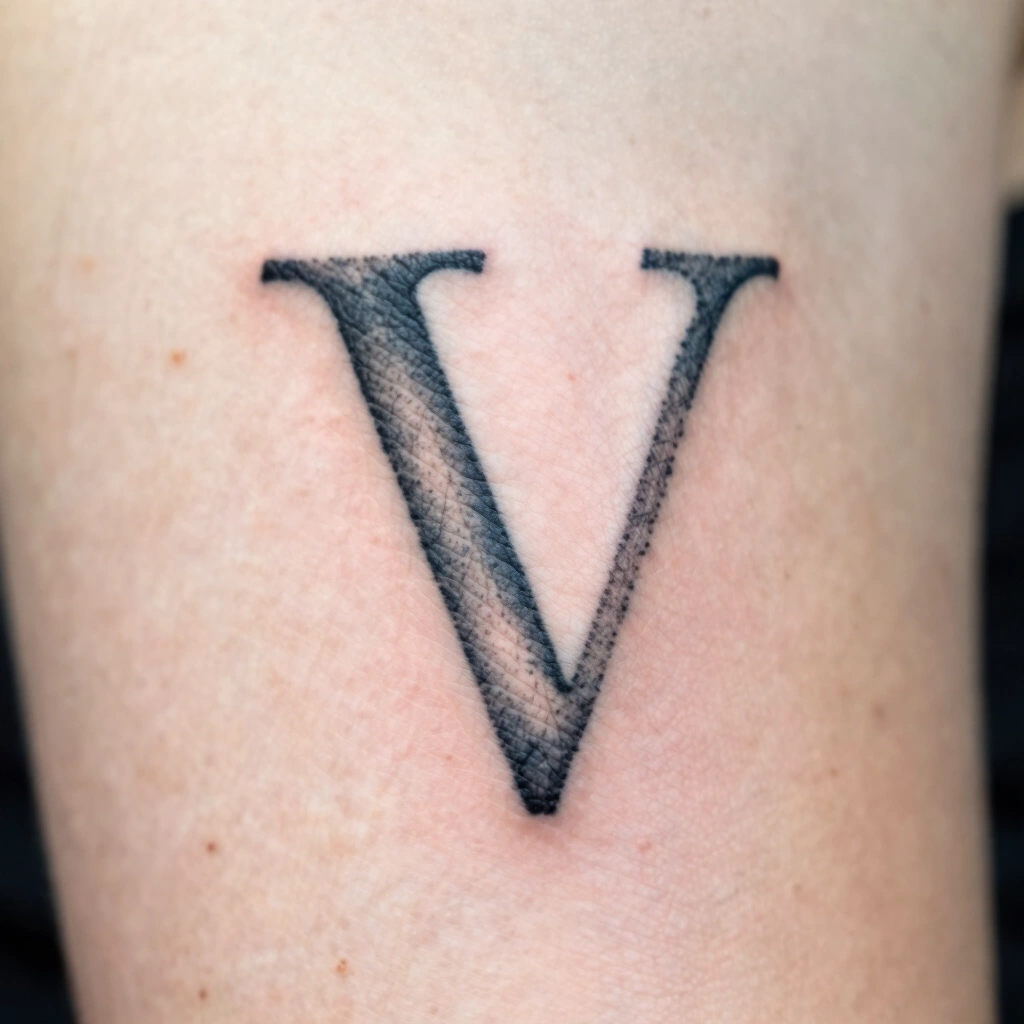
Roman numerals marking a meaningful date are a compact way to carry personal significance without any literal imagery. Vertical numeral stacks tend to fit the curved space behind the ear better than horizontal ones. Font choice is critical—thin serif-style numeral fonts look elegant in a reference photo but often blur at this scale, so a clean sans-serif style typically holds up better long term. Discuss this directly with your artist rather than just handing over a font you found online; an experienced fine-line specialist can adjust proportions specifically for how skin here stretches and settles.
Dotwork Mandala Fragment

Rather than a full mandala, which needs more space to read clearly, a small fragment—just one section of repeating dotwork patterning—captures the aesthetic without overwhelming the placement. This requires a genuinely steady, experienced hand with dotwork specifically, since the tiny, evenly spaced dots are unforgiving of shaky technique. Expect a longer sitting time than most designs on this list, even at a small size, because of the density of individual dots required. This design suits someone who already has other minimalist tattoos and wants a bit more visual texture without going bold or colorful.
Best Placement Ideas: Matching Design to Visibility and Pain

- Directly behind the earlobe — most concealable with hair down, moderate sensitivity, easiest for touch-ups
- Upper behind-ear curve near the skull — slightly more visible, tends to register higher on the pain scale for most people due to proximity to bone
- Lower nape-adjacent edge — good for larger designs that need to extend slightly past the ear itself, easier for the artist to access
- Inner ear fold — extremely subtle but a tricky angle for artists, better suited to very simple, small shapes
Tips for Success: Choosing the Right Artist and Booking Right

Look specifically for an artist whose portfolio shows multiple examples of the exact technique you want—fine line, dotwork, or blackwork—rather than a generalist who does one piece of everything. Healed photos matter more than fresh ones, since fresh tattoos always look sharper than they will in six months. At your consultation, bring at least two reference images and be upfront about your pain tolerance and any past tattoo experience. Ask directly about needle configuration, estimated sitting time, and whether a touch-up session is included in the price. A custom design tailored to your skin’s curve will usually look better long-term than an exact copy of a flash sheet design pulled from social media.
Common Mistakes and How to Avoid Them

- Going too small for the detail level — intricate linework or dense dotwork needs more space than people expect; oversimplify the design instead of shrinking it too far
- Ignoring the ear’s natural curve — a design drawn for a flat surface can look distorted once applied to curved skin behind the ear
- Skipping aftercare instructions — this area gets bumped by phones, glasses, and hair ties constantly, raising the risk of irritation
- Copying a design exactly — a small personal tweak (angle, added initial, adjusted line weight) makes the piece genuinely yours and avoids an identical-to-Pinterest look
Similar Variations Worth Considering

Nearly every design above can shift dramatically with small changes. A fine-line flower becomes bolder as blackwork; a single star becomes a small cluster with added dotwork shading; script can shrink to an initial or expand to a short phrase if you’re willing to go slightly larger. Color is rarely recommended in this specific placement since saturation doesn’t hold as evenly on thin skin here, but a single small accent dot in color is sometimes used sparingly by more experienced colorists.
Aftercare Basics

Keep the area clean and dry, follow the specific aftercare sheet your artist provides, and avoid direct contact with hair products, headphones, or tight hats while it heals. Most fine-line and dotwork designs in this location take two to three weeks to fully settle, though individual healing time varies. If you notice ongoing irritation beyond what your artist described as normal, consult a licensed dermatologist rather than guessing.
Quick FAQ

How much does a behind-the-ear tattoo typically cost?
Small designs in this category usually run between $60 and $200 depending on the studio, detail level, and whether it’s a custom design versus a flash sheet piece.
Is a behind-the-ear tattoo very painful?
Many people report this area as moderately sensitive due to thin skin and proximity to bone, though pain tolerance varies significantly from person to person.
How long does healing take?
Most simple linework or dotwork designs here settle within two to three weeks, though full healing can take longer depending on aftercare and individual skin.
Do these tattoos fade faster than other placements?
Fine details can soften over many years due to the thinner skin in this area, which is why simple linework tends to hold up better long-term than heavily shaded designs.
Behind-the-ear tattoos reward simplicity, and that’s really the whole takeaway here—small, clean linework, dotwork, or blackwork designs consistently age better in this spot than anything overly detailed or heavily shaded. Take your time picking both the design and the artist, ask the technical questions this guide walked through, and you’ll end up with a piece that still looks intentional years down the road, not just on day one.