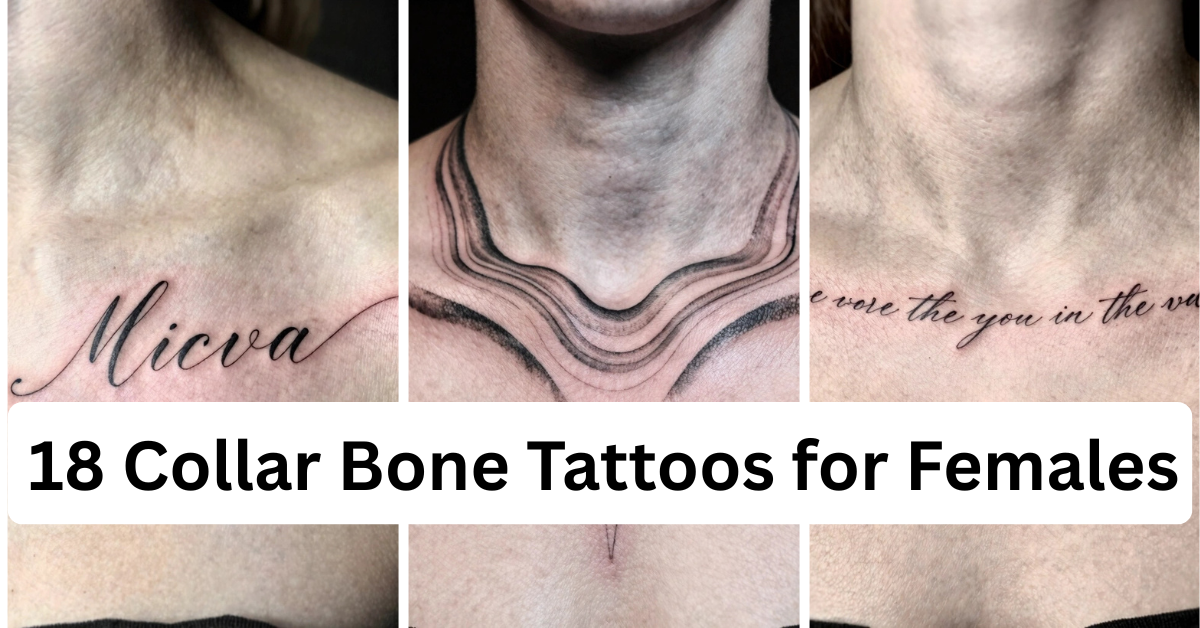
18 Collar Bone Tattoos for Females
Nervous about picking a collar bone design you’ll actually love in ten years, not just ten days? You’re not alone — this is one of the most requested placements in studios right now, and for good reason. It’s visible enough to enjoy, but easy enough to cover for a job interview or family dinner.
So what are the best collar bone tattoos for females? Fine-line florals, delicate script, and small symbolic designs work best here, since the flat, narrow canvas favors clean linework over heavy shading. Pieces under 3-4 inches tend to age better on this spot than large, dense designs.
Stick around, because I’m going to walk you through pain levels, healing timelines, what this placement actually costs, and how to brief your artist so you don’t end up with a stretched-out or lopsided version of what you pictured.
Why the Collar Bone Works So Well for Tattoos
The collar bone area gives you a flat, elongated strip of skin that reads beautifully whether the design sits horizontally along the bone or dips down toward the sternum. It’s also one of those rare spots that’s simultaneously private and public — hidden under a crew neck, on full display under a swimsuit strap. That flexibility is why so many women choose it for meaningful pieces they want to be able to reveal on their own terms. The skin here is generally thinner than on the arms or thighs, which affects both how the ink settles and how much it might sting during the session — more on that below for each design.
1. Fine-Line Floral Vine Along the Collar Bone
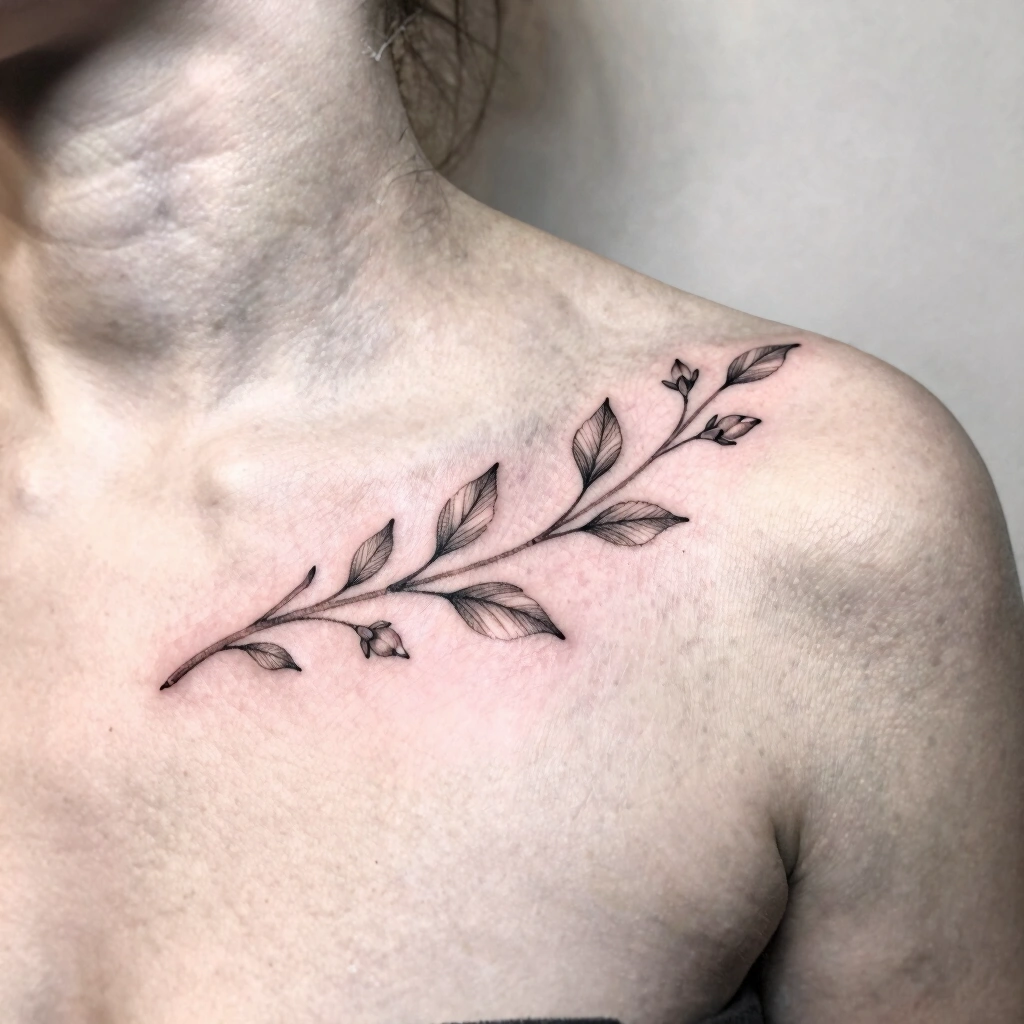
A single-needle vine with tiny leaves and buds tracing the length of the bone is one of the most requested collar bone designs, and it’s popular because thin, consistent linework mimics the natural curve of the body instead of fighting it. Artists typically use a 1-3 needle configuration for this level of detail, keeping shading minimal or nonexistent so the design stays crisp instead of muddying with age. Ideal size runs 3-5 inches, following the bone’s natural line rather than sitting as a standalone chunk.
Place it so the vine starts near the shoulder and tapers toward the sternum — this uses the body’s geometry instead of ignoring it. Skin over bone is thinner, so expect more sensitivity here than on fleshier areas like the outer arm; healing typically runs 10-14 days for a piece this size, though individual healing varies. Bring a photo of an actual vine or botanical illustration rather than a cartoon flower — it helps the artist translate real plant structure into clean linework. This design reads as polished at work and doesn’t scream for attention, making it a solid first-tattoo choice.
2. Delicate Script Quote Across Both Collar Bones
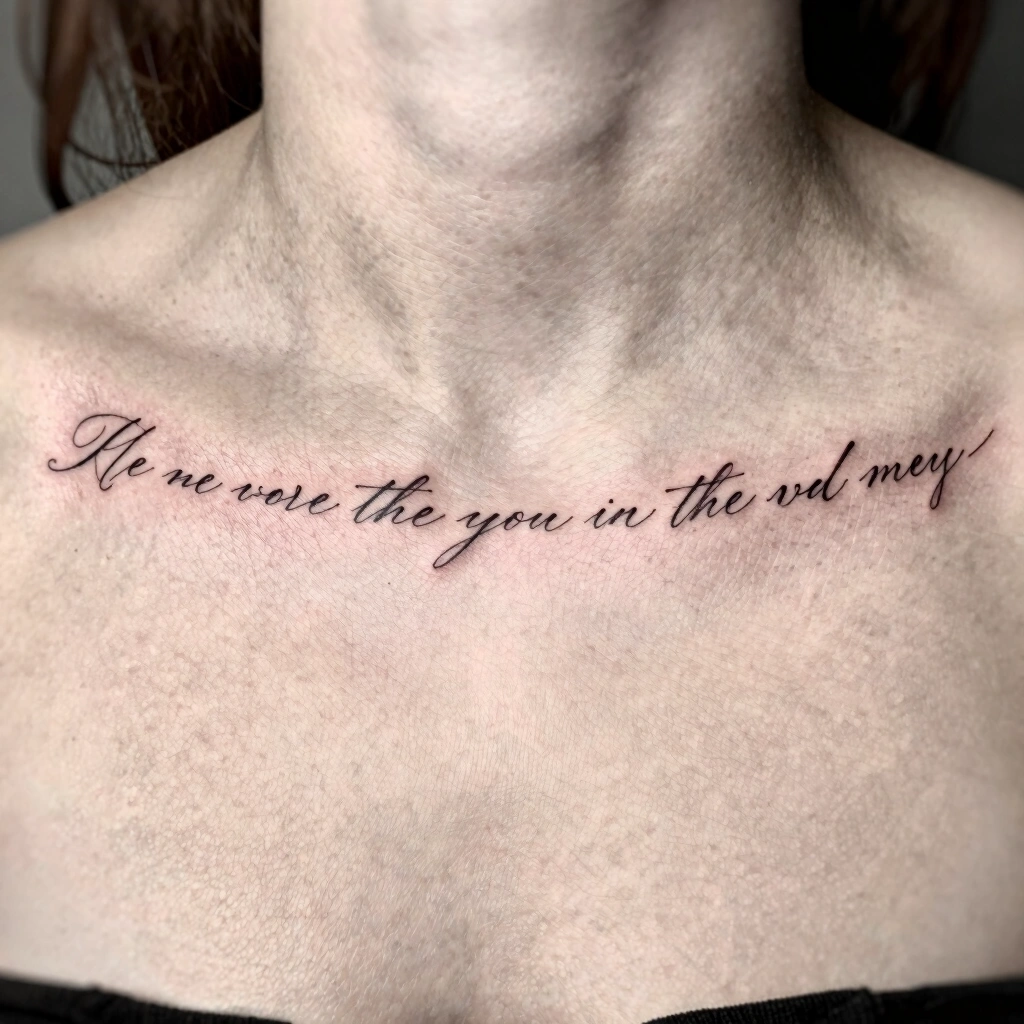
Small cursive text stretched across one or both collar bones is a classic for a reason — it turns a private mantra into something you glance at every time you catch your reflection. The technique here is single-needle lettering, usually kept under a half-inch in height so the words stay legible without overwhelming the space. Line weight needs to stay consistent throughout, which is why lettering specialists matter more than general artists for this one.
Placement should follow the bone’s slight curve, not cut straight across it, or the text can look stretched once swelling goes down. This spot tends to rank moderate-to-high on the discomfort scale because of thin skin and close proximity to bone. Ask your artist to write out your chosen phrase by hand first so you can check spacing and flow before it becomes permanent — fonts on a screen don’t always translate to skin. It’s a favorite for meaningful dates, names, or short quotes that carry weight but don’t need to be flashy.
3. Tiny Dotwork Star Cluster
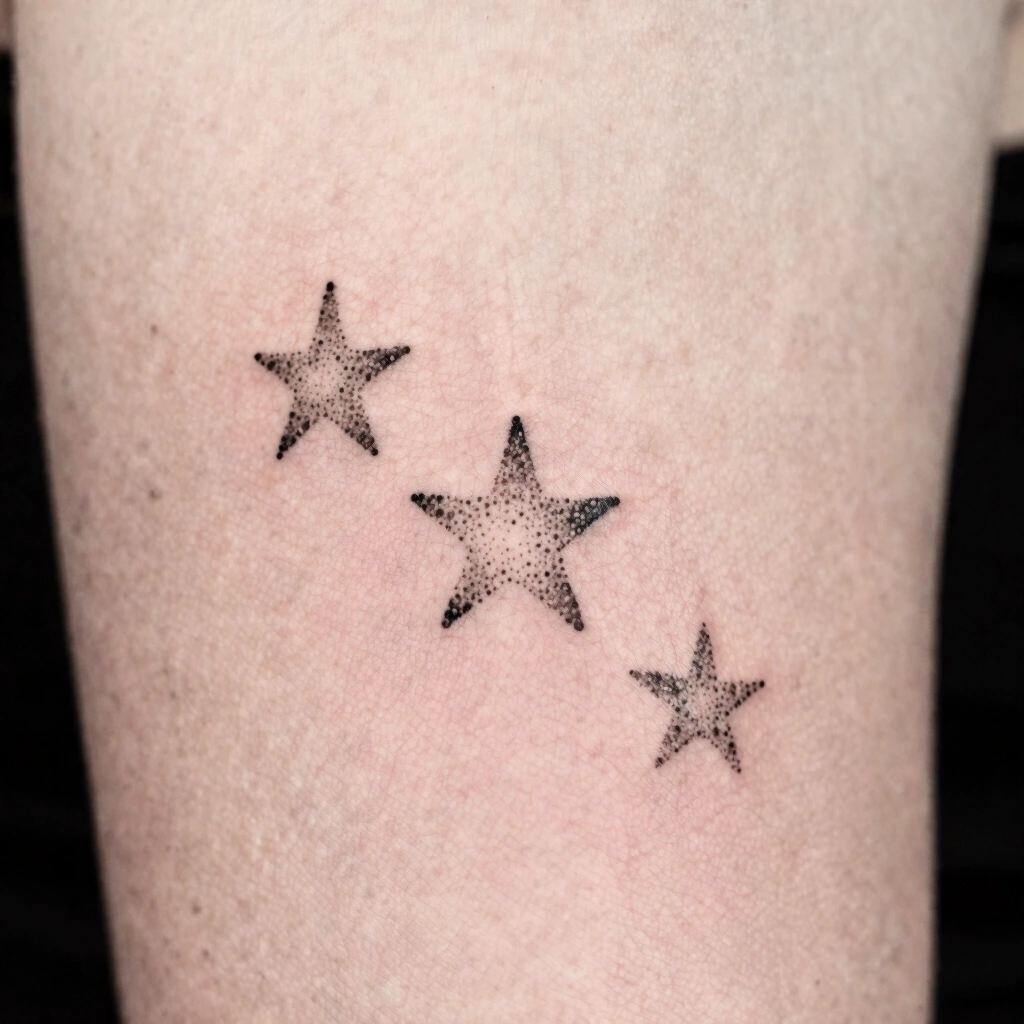
Dotwork uses tiny, repeated dots instead of solid lines to build shape and shading — think of it as pointillism for skin. A small cluster of stars near the collar bone gives dimension without the heaviness of solid blackwork, and the negative space (the untouched skin around the dots) does a lot of the visual work here. This design usually stays under 2 inches.
Because it’s dot-based rather than solid-line, healing can be slightly fussier — flaking during recovery can temporarily make dots look uneven before they settle, so don’t panic in week one. Discuss needle grouping with your artist; a tighter cluster creates denser shading, while spaced dots feel more delicate. This design suits people who want texture and depth without commitment to bold blackwork, and it ages gracefully in small sizes since there’s little linework to blur.
4. Bold Blackwork Sun or Moon Symbol
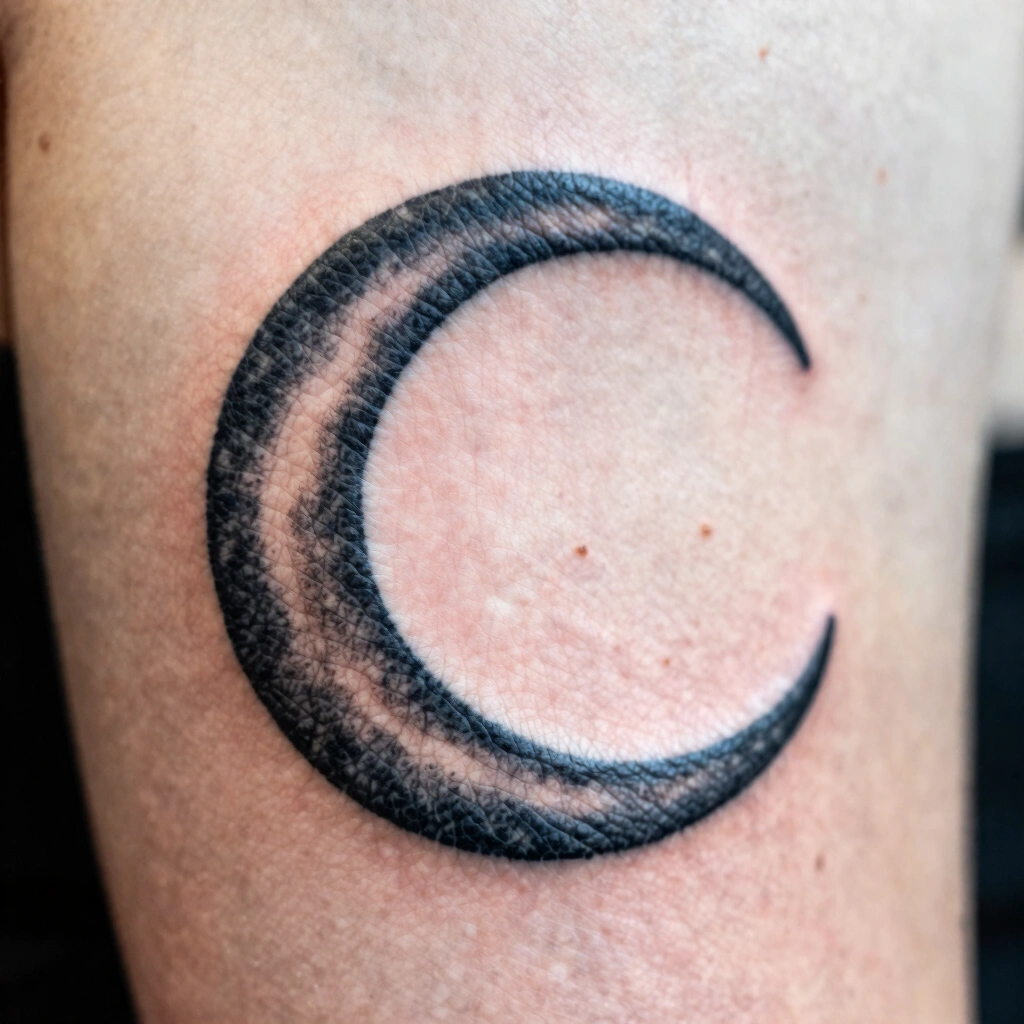
If fine line feels too fragile for your taste, a blackwork sun or crescent moon delivers serious visual weight. Blackwork means the design is filled with solid, saturated black ink rather than thin outlines, giving it a graphic, high-contrast look that holds up well over decades. This is a case where saturation matters — patchy fill looks unfinished, so it’s worth asking your artist about their packing technique (how evenly they lay down solid black).
A sun or moon sits nicely centered just below the collar bone dip, around 2-3 inches wide. Because it’s more ink-dense, healing runs slightly longer, often 2-3 weeks, and touch-ups are more common with bold blackwork than fine line. Expect moderate pain, similar to script, but sessions may run longer due to the fill work. This design is bolder and less office-friendly, so factor in visibility if your workplace has a conservative dress code.
5. Minimalist Single-Line Wave
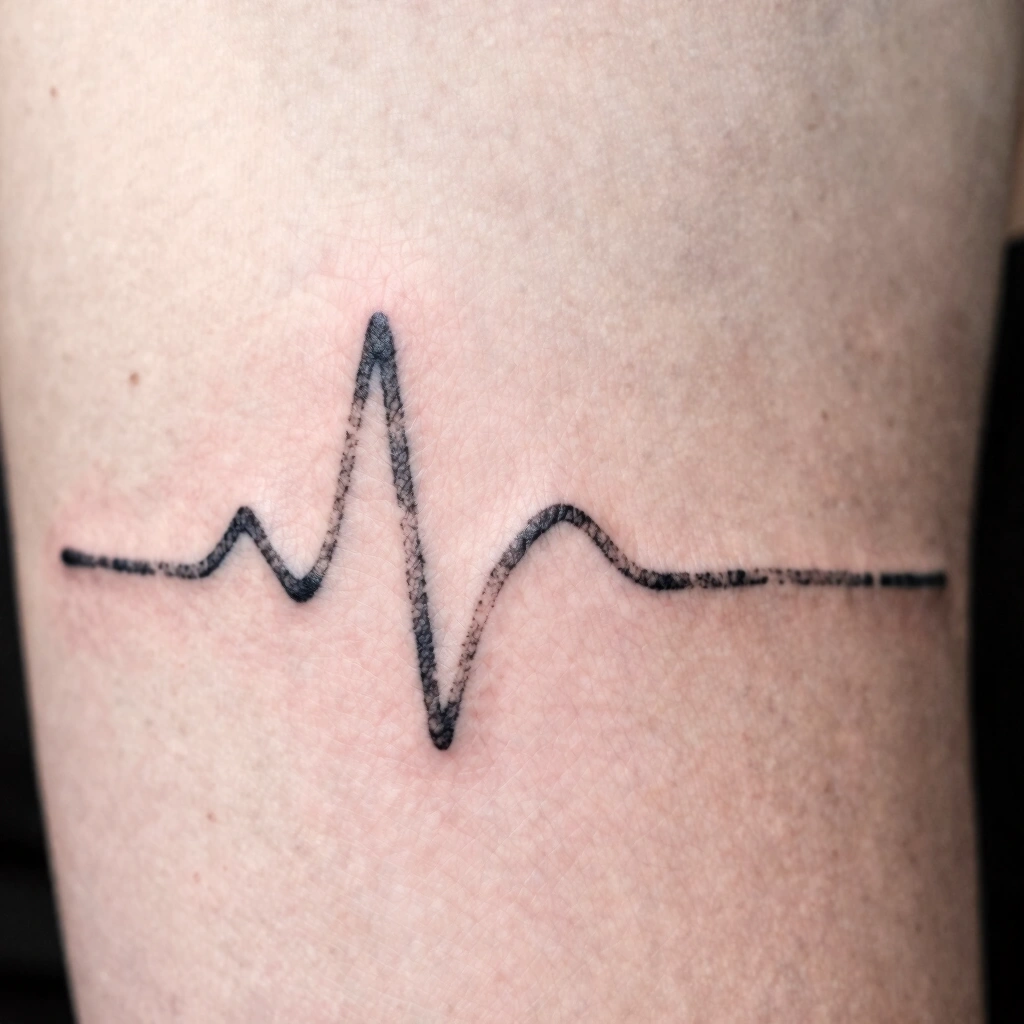
A continuous, unbroken single line that curves like a wave or heartbeat monitor is deceptively simple and deceptively hard to execute well — any wobble in the line is visible forever, so this demands a fine-line specialist with a steady hand. Typically 2-4 inches long, this design relies entirely on line weight consistency since there’s no shading to hide imperfections.
Ask to see healed (not just fresh) photos of an artist’s single-line work in their portfolio — fresh photos hide a lot of flaws that show up once swelling goes down. This spot handles single lines well because the flat bone doesn’t distort the curve as much as fleshier areas would over time. It’s an excellent first tattoo because it’s quick, relatively low-commitment, and easy to build onto later if you catch the tattoo bug.
6. Watercolor-Style Floral Splash
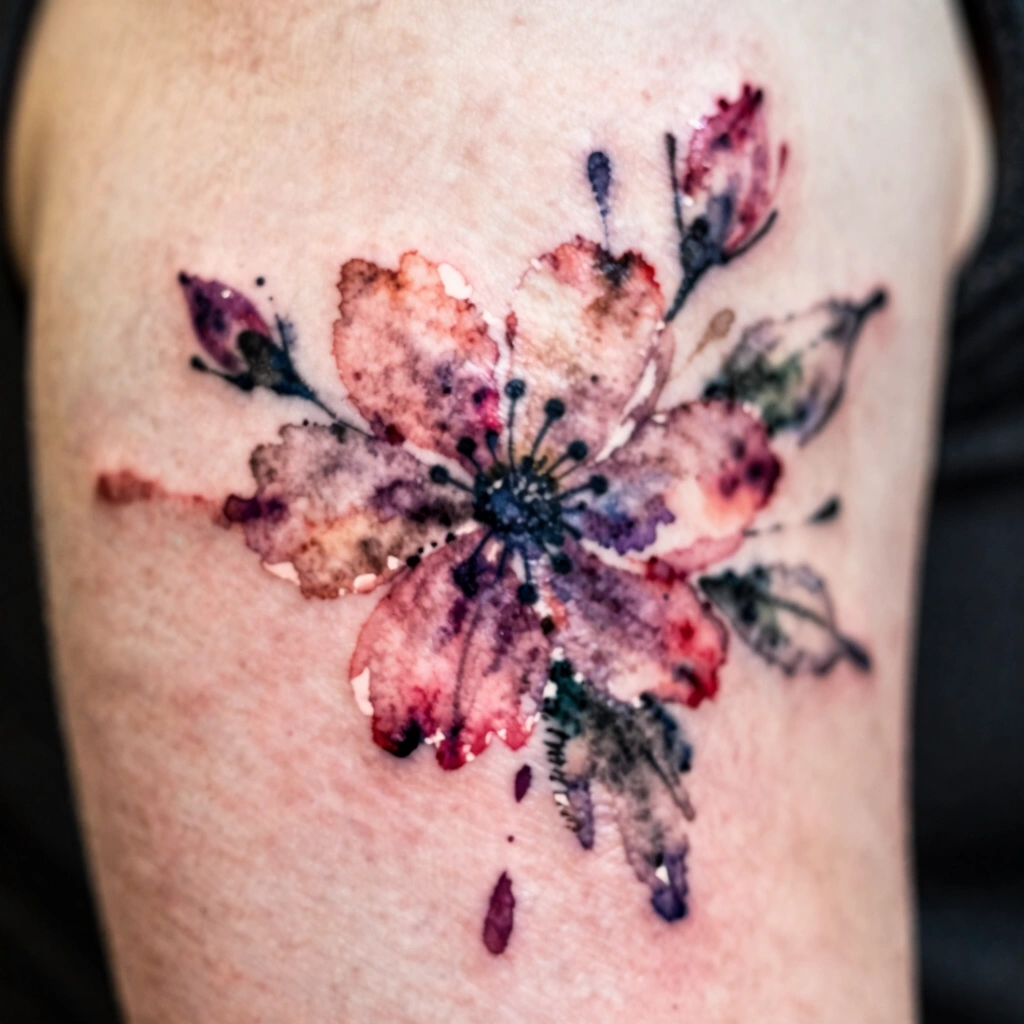
Watercolor tattoos mimic the soft, bleeding edges of a painted watercolor artwork using diluted ink and color blending rather than hard outlines. On the collar bone, a small floral splash in this style creates a soft, artistic look — but it’s worth knowing upfront that watercolor pieces without any black outline tend to fade and blur faster than linework, according to general tattoo industry consensus. Many artists now recommend a thin outline anchor to help the design hold its shape longer.
Keep this design to around 2-3 inches, since color saturation on small watercolor work can look muddy if too much detail is packed in. This is a higher-commitment piece in terms of touch-ups — plan on a possible refresh after several years. It’s a beautiful option for someone who wants a artistic, painterly feel and is comfortable with the maintenance tradeoff.
7. Small Custom Symbol or Sigil
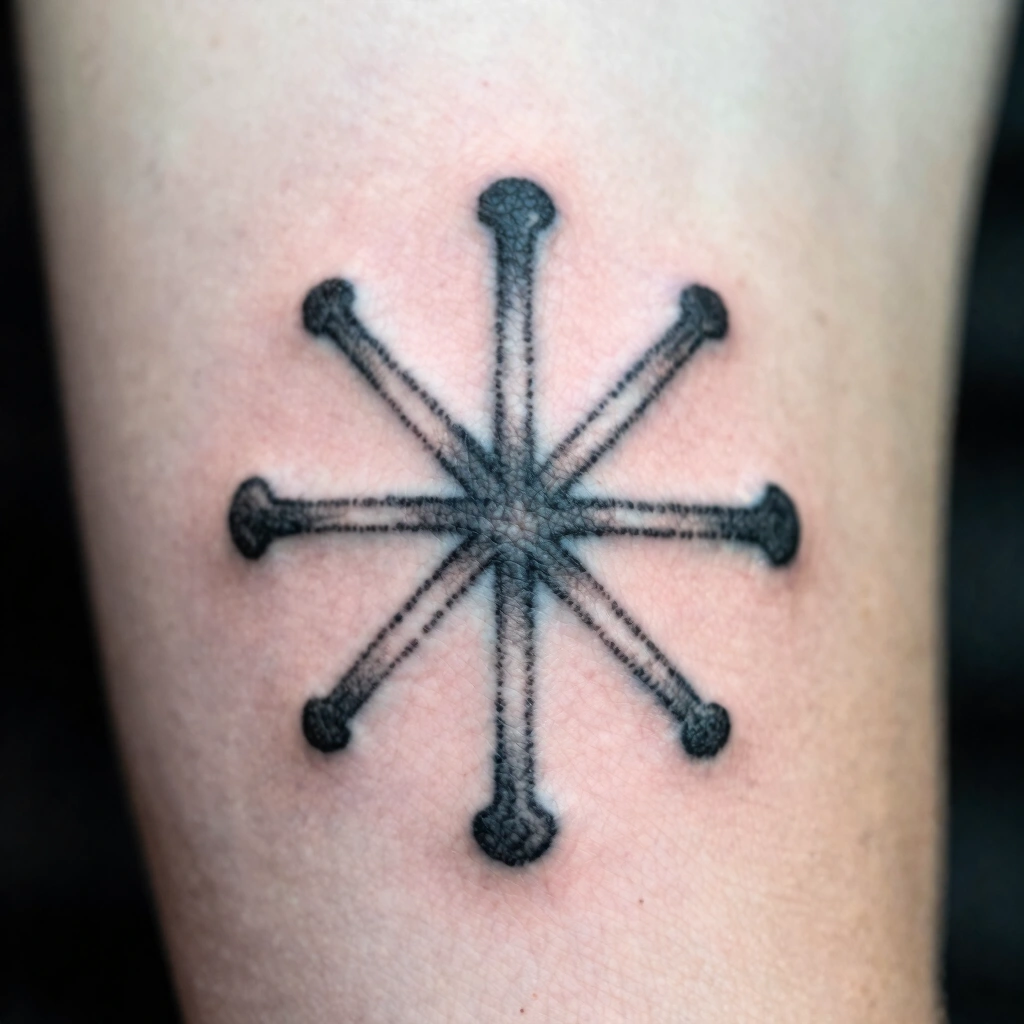
A custom-designed symbol — maybe representing a personal belief, family detail, or invented mark — works beautifully in fine-line or light blackwork on the collar bone because the flat canvas doesn’t distort geometric shapes the way a curved bicep might. This is a great candidate for a fully custom design rather than flash (pre-drawn designs artists keep on hand), since personal symbols usually need original composition work.
Bring sketches, even rough ones, to your consultation — a good custom artist can refine your idea rather than needing a finished concept. Size typically ranges 1-2 inches. Because it’s smaller and simpler, healing tends to run on the faster end, though this varies by individual and aftercare routine. This suits people who want deep personal meaning without a design anyone can immediately recognize or Google.
8. Matching Collar Bone Tattoos for Friends or Sisters
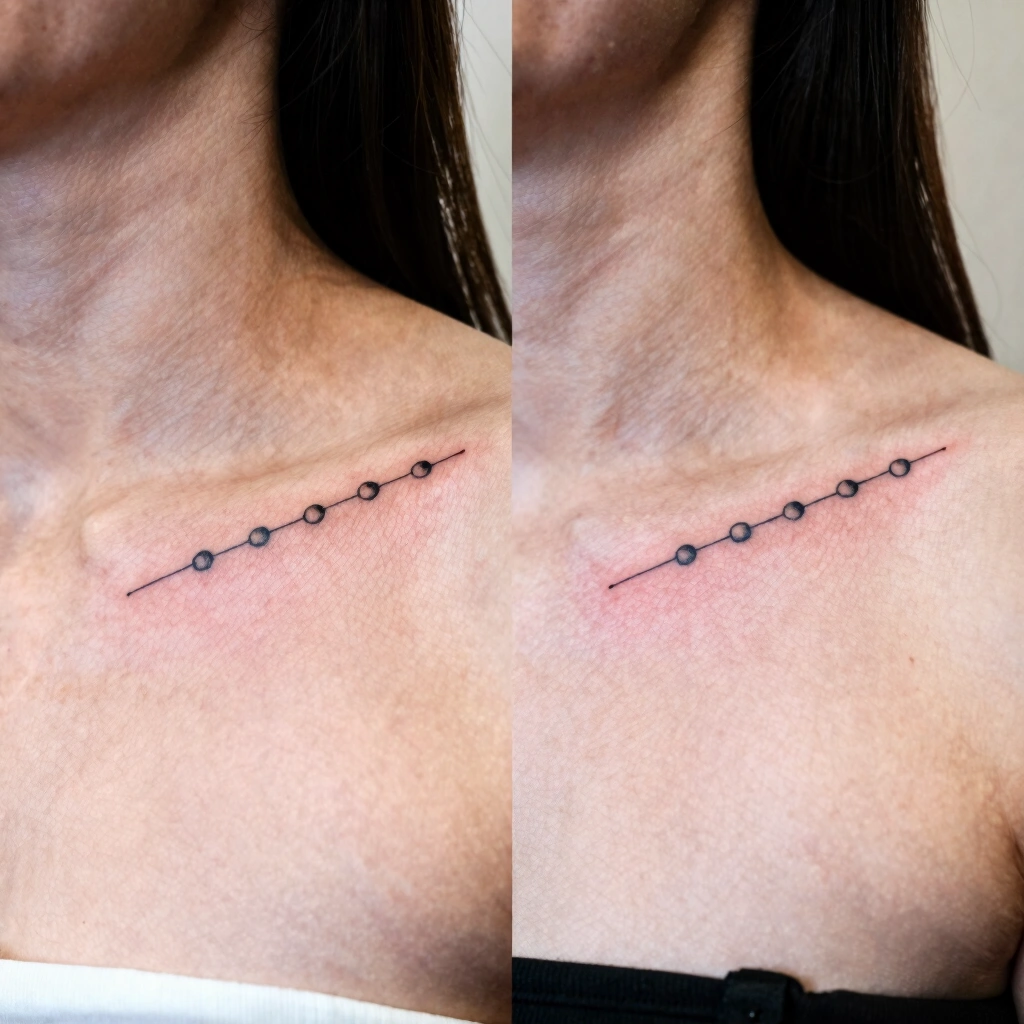
Matching tattoos placed identically on the collar bone create a nice visual echo when both people wear similar necklines — think tiny linework hearts, matching coordinates, or a shared symbol split into two halves. The technique should stay consistent between both pieces; mismatched needle sizes or line weights between two artists can make “matching” tattoos look noticeably different once healed.
If you’re getting matched with a friend at different studios, share reference photos with both artists ahead of time and specify exact dimensions. Keep matching designs under 2 inches for the cleanest, most consistent line work. This is a strong option for a first tattoo experience shared with someone else — it takes some of the nervousness out of the process.
9. Negative Space Crescent Design
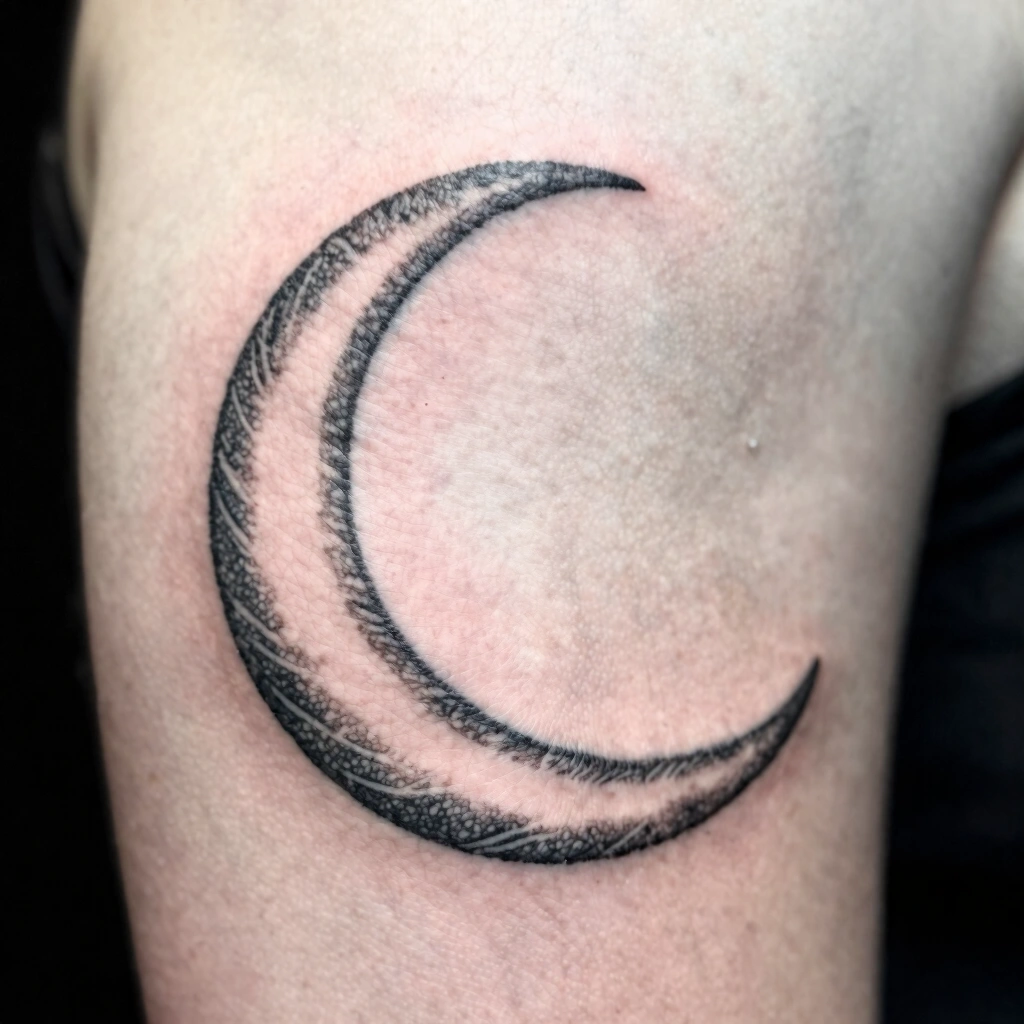
Negative space tattoos use the untouched, natural skin as part of the design rather than filling every inch with ink — a crescent moon outlined in black with the interior left blank often looks sharper than one solid black shape. This technique plays with contrast and requires precise, confident linework since the empty space needs clean borders to read correctly.
This works especially well on the collar bone’s smooth surface. Size around 1.5-2.5 inches keeps the negative space effect visible without looking like an unfinished sketch. Ask your artist specifically about outline thickness — too thin and it may fade unevenly over time; too thick and it loses the delicate look. This design offers a middle ground between minimalist and bold.
10. Fine-Line Bird or Feather
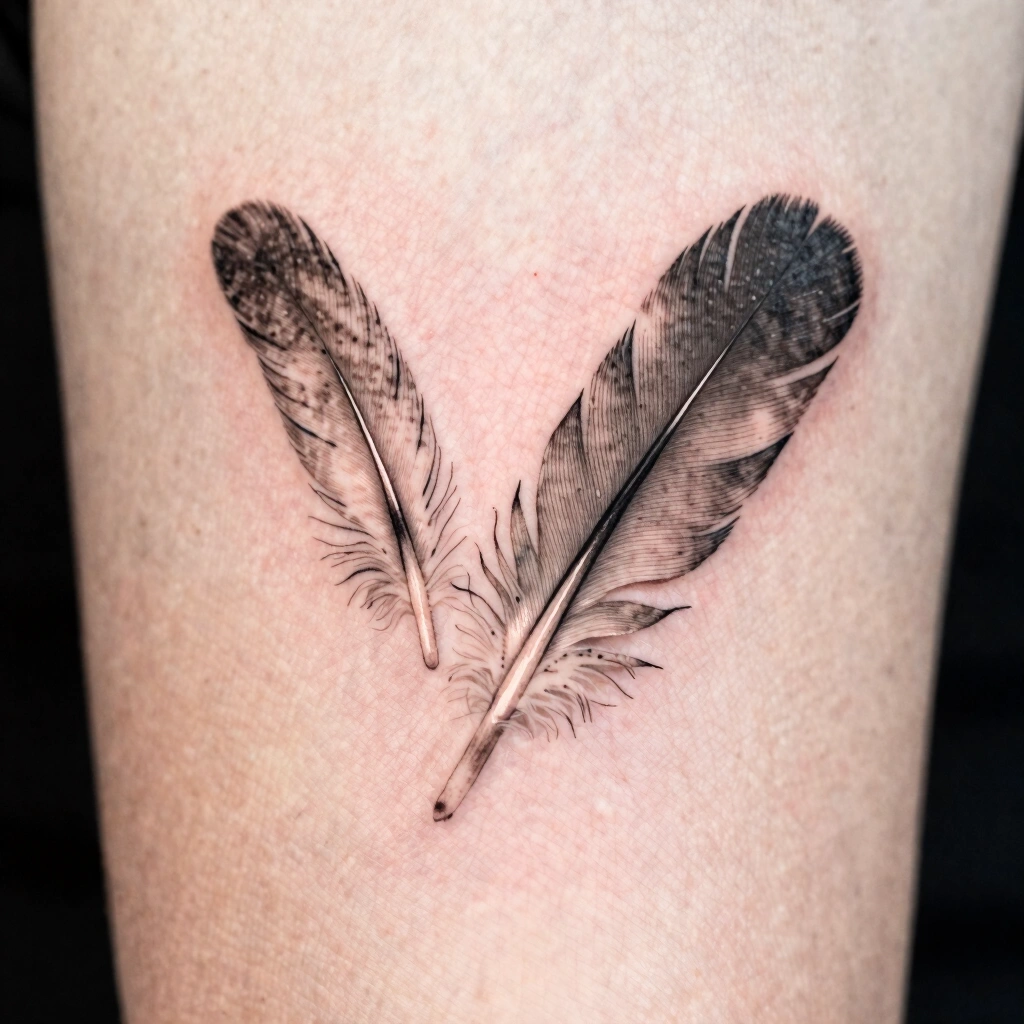
A small bird in flight or a single feather, rendered in fine, single-needle linework, is a longtime favorite for symbolizing freedom or a personal transition. Detail level matters here — too many fine feather lines packed into a small space can blur together after a few years, so simpler, more graphic feather shapes tend to age better than hyper-detailed ones.
Position it angled slightly along the bone’s natural slope, typically 2-3 inches. Ask your artist to simplify overly intricate reference designs for long-term clarity rather than copying an ultra-detailed illustration exactly. This piece transitions nicely into workwear and looks equally good peeking out from a tank top.
11. Tiny Constellation or Star Map
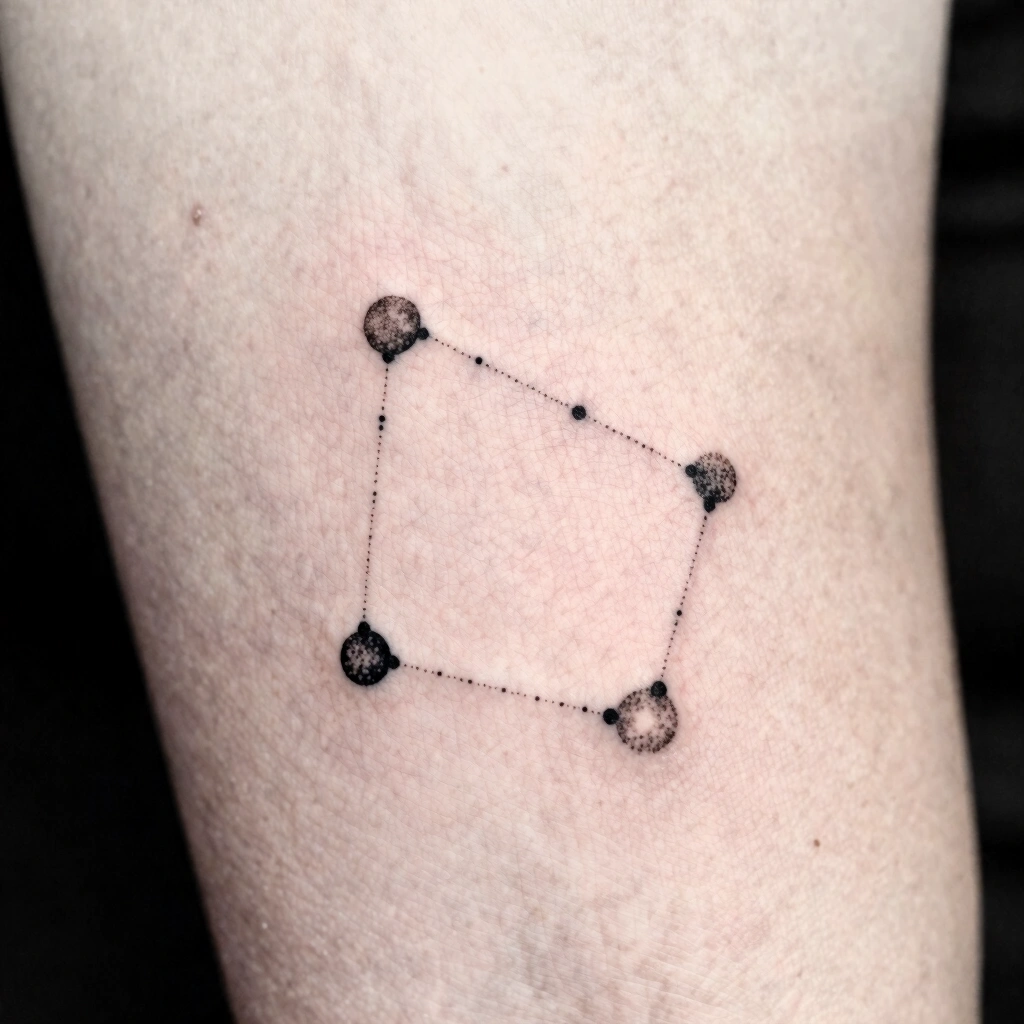
A personalized constellation — maybe marking a birth date or meaningful night — uses dotwork and fine straight lines to connect small dots into a star pattern. This design leans on negative space heavily, since the “stars” themselves are often just small single dots.
Keep constellations compact, under 2 inches, since overly spread-out star maps can look scattered rather than intentional on this narrow canvas. Bring the exact star arrangement (many astronomy apps let you screenshot a specific date’s sky) to your consultation so your artist can adapt it to fit the collar bone’s shape rather than distorting a generic star map to fit.
12. Bold Traditional-Style Small Anchor or Heart
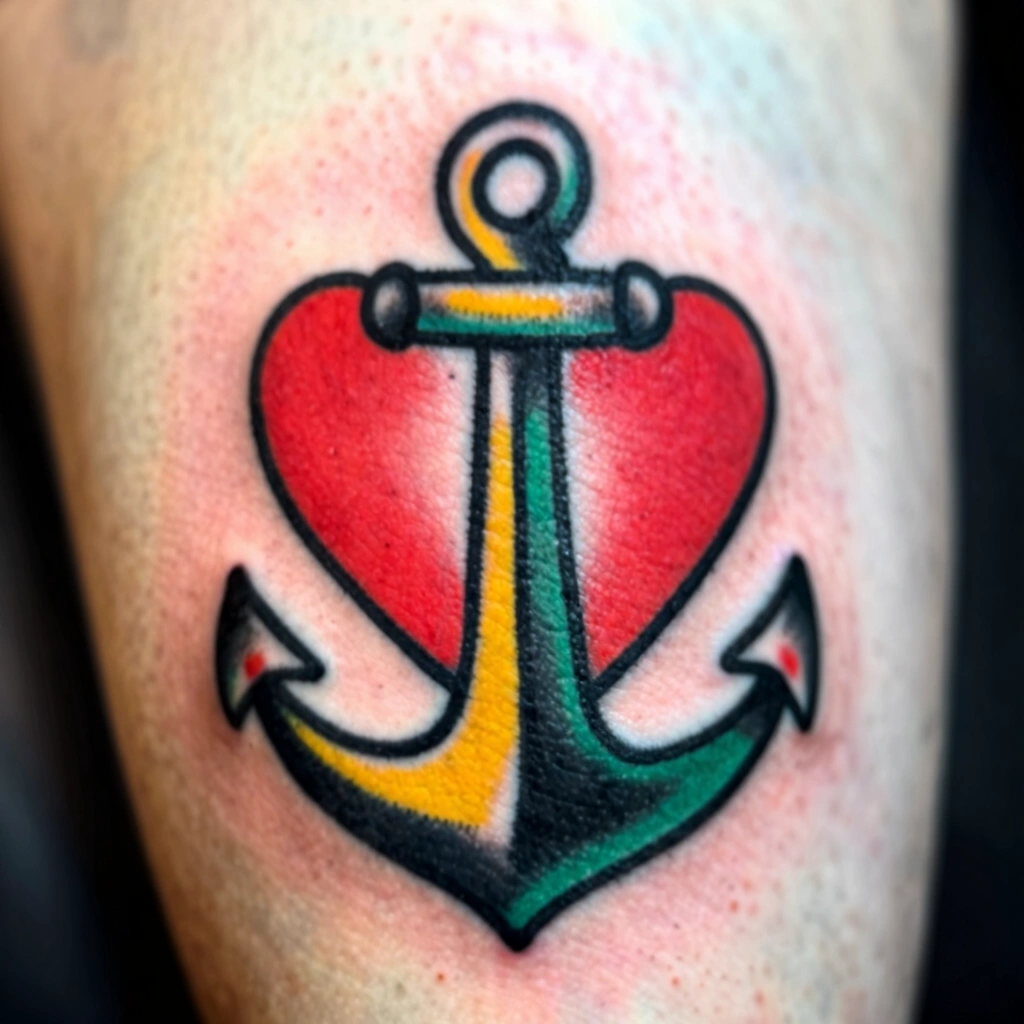
American traditional tattoo style uses bold black outlines, limited color palettes (often red, yellow, and green), and heavy saturation — a small anchor or heart in this style stands out dramatically against the flat collar bone canvas. Unlike fine-line work, traditional style is built to last; the thick lines and solid color fill hold up remarkably well over decades compared to delicate linework.
This design suits people who want something with more visual punch and don’t mind slightly longer healing due to the heavier ink saturation, generally 2-3 weeks. It’s a great option if you already have or plan to build a traditional-style collection elsewhere on your body.
13. Fine-Line Butterfly in Flight
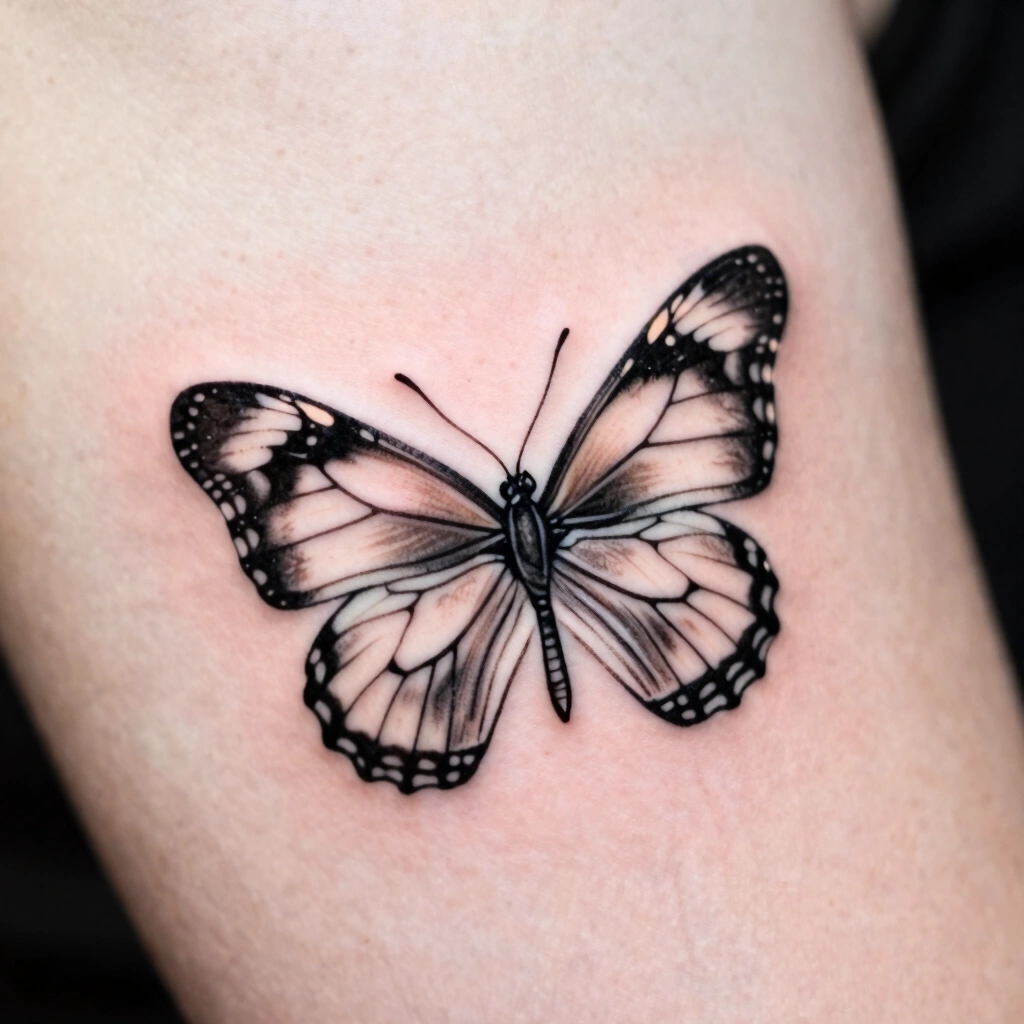
A small butterfly, rendered with thin continuous lines and minimal shading, captures movement without needing bold color or heavy ink. The wing detail should stay simple — overly intricate wing patterns in fine line often blur together within a few years as skin naturally changes.
Size around 2 inches works well positioned just off-center from the sternum notch. This is an approachable, classic choice for a first tattoo and photographs nicely for those who want visible ink on formal or semi-formal occasions.
14. Small Blackwork Geometric Shape
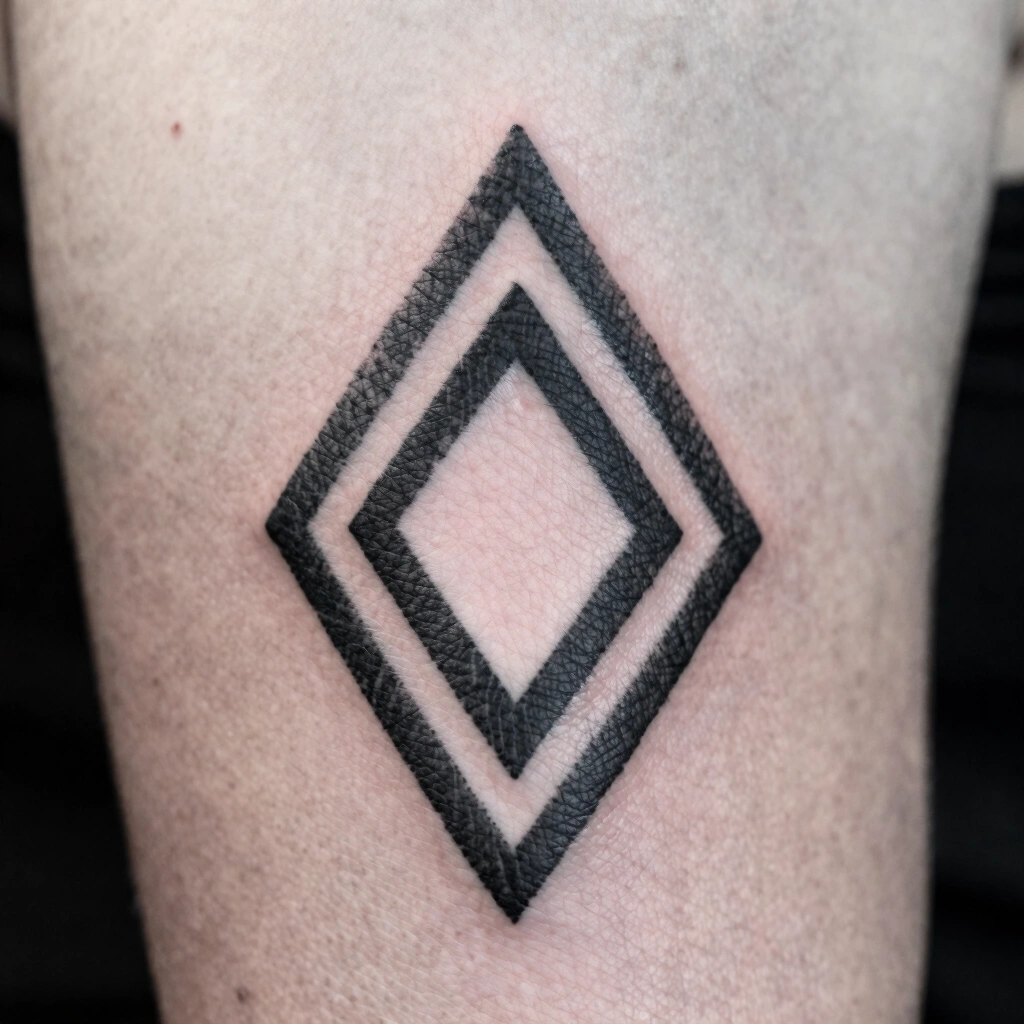
A simple triangle, diamond, or interlocking geometric pattern in solid blackwork brings a modern, graphic feel to the collar bone. Precision matters enormously here — any asymmetry in a geometric shape is far more noticeable than in an organic design like a flower.
Ask your artist about their stencil accuracy process; geometric work depends heavily on a precise stencil transfer before the actual tattooing begins. Keep it under 2 inches for the cleanest symmetry. This design suits people who want something modern and minimal without leaning into florals or script.
15. Custom Name or Initial in Script
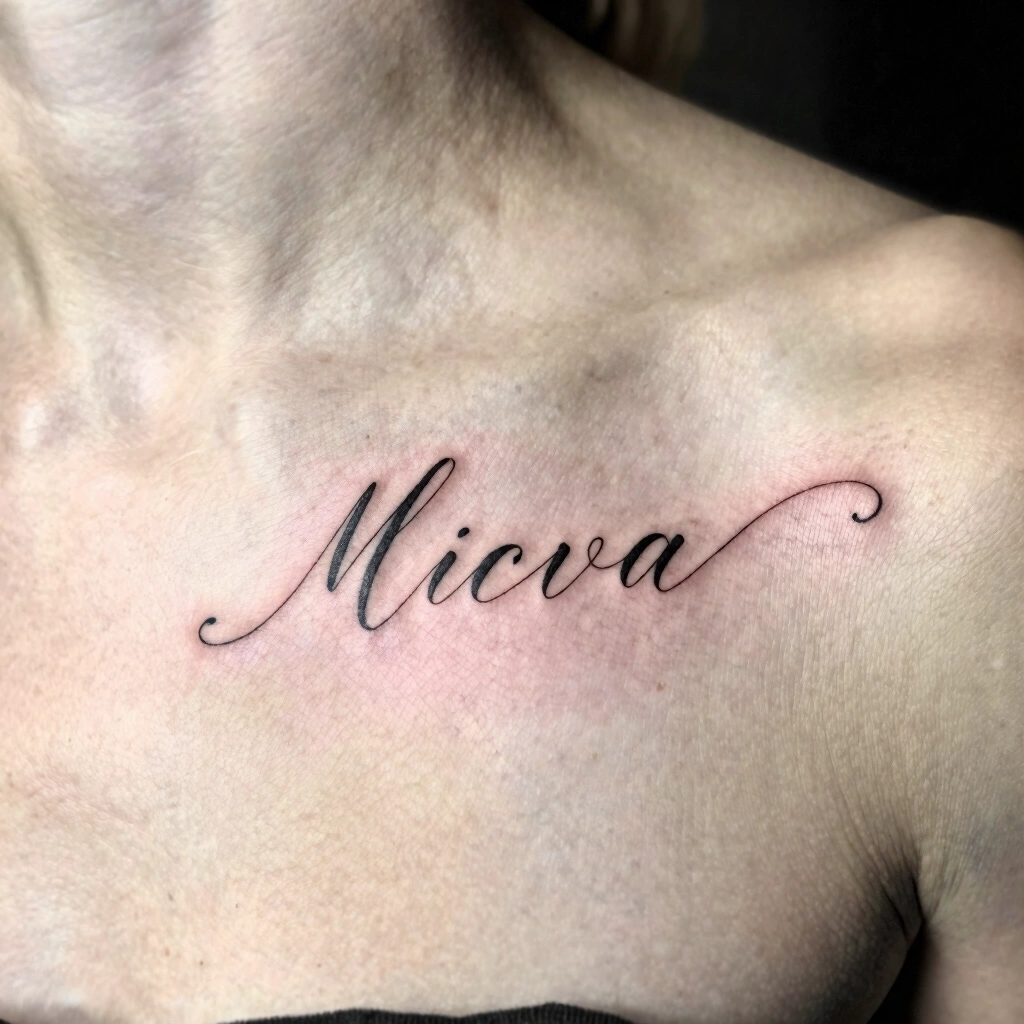
A small name, initial, or nickname in delicate script personalizes the collar bone with something instantly meaningful. Font choice matters as much as placement — overly thin, decorative fonts can lose legibility within a few years as fine lines soften slightly with age and sun exposure.
Discuss font weight with your artist; slightly bolder script tends to hold its shape longer than ultra-delicate calligraphy. This is one of the most requested first-tattoo styles because it’s personal, relatively quick, and easy to size small.
16. Fine-Line Sun with Rays
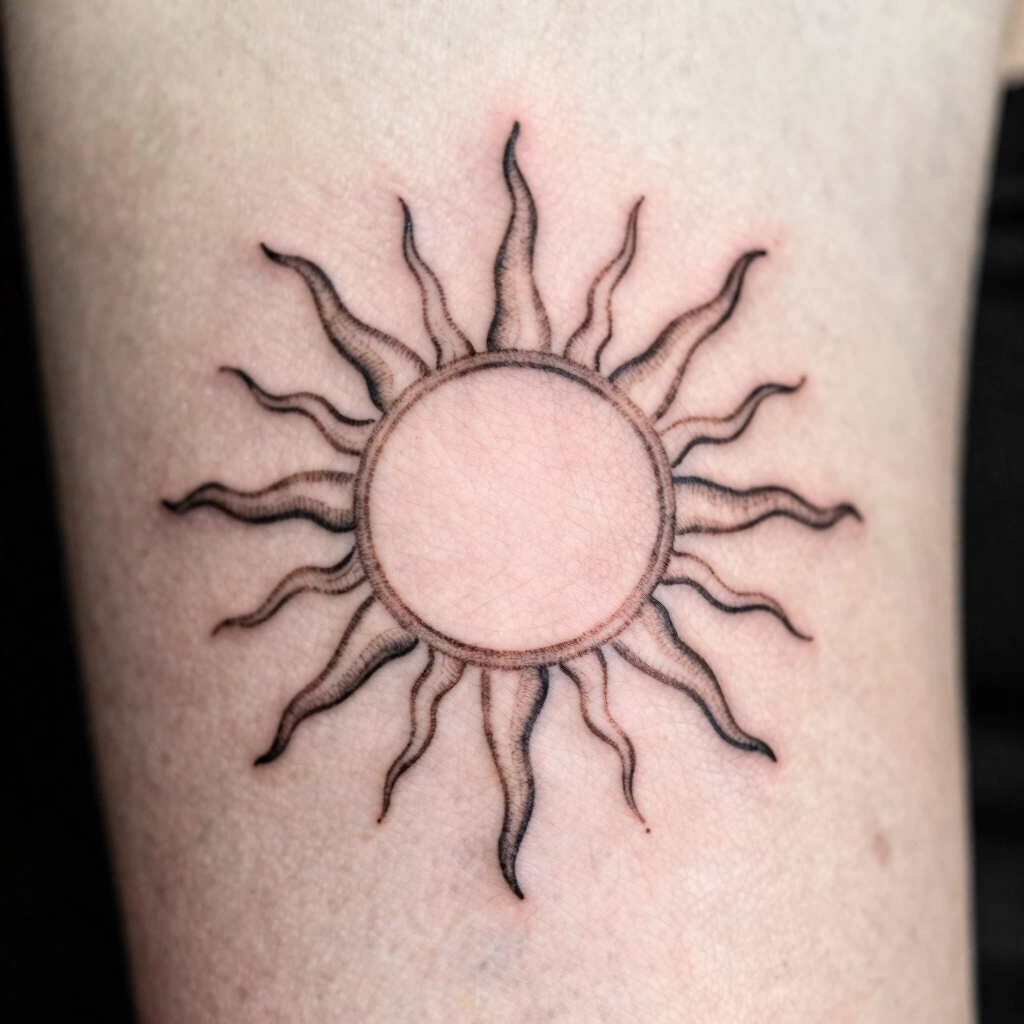
A small sun design, with thin linework rays extending outward, brings warmth and symbolism without heavy shading. Symmetry is key — uneven rays are one of the more common complaints with this design when done rushed.
Placement centered just below the collar bone dip, around 2 inches, works best. Ask to see the stencil placed on your skin before the artist starts — this lets you check ray symmetry while you can still adjust it.
17. Dotwork Mandala Fragment
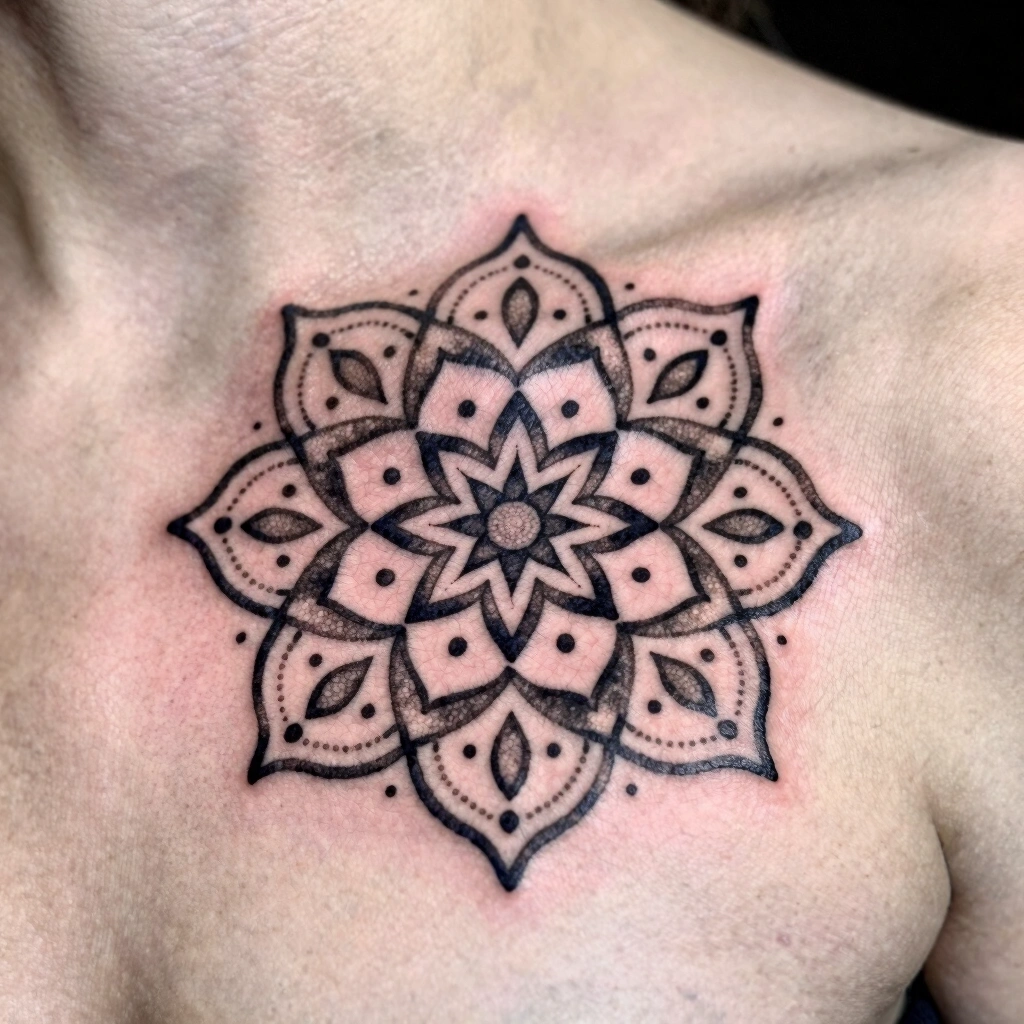
Rather than a full mandala (which needs more space than the collar bone offers), a fragment or partial mandala pattern in dotwork brings intricate texture to a small area. This requires patience from both artist and client, since dense dot patterns take longer per square inch than linework.
Keep this under 2.5 inches to avoid the pattern feeling cramped. This suits people drawn to intricate detail who understand the healing process may take slightly longer due to ink density.
18. Layered Collar Bone and Chest Piece
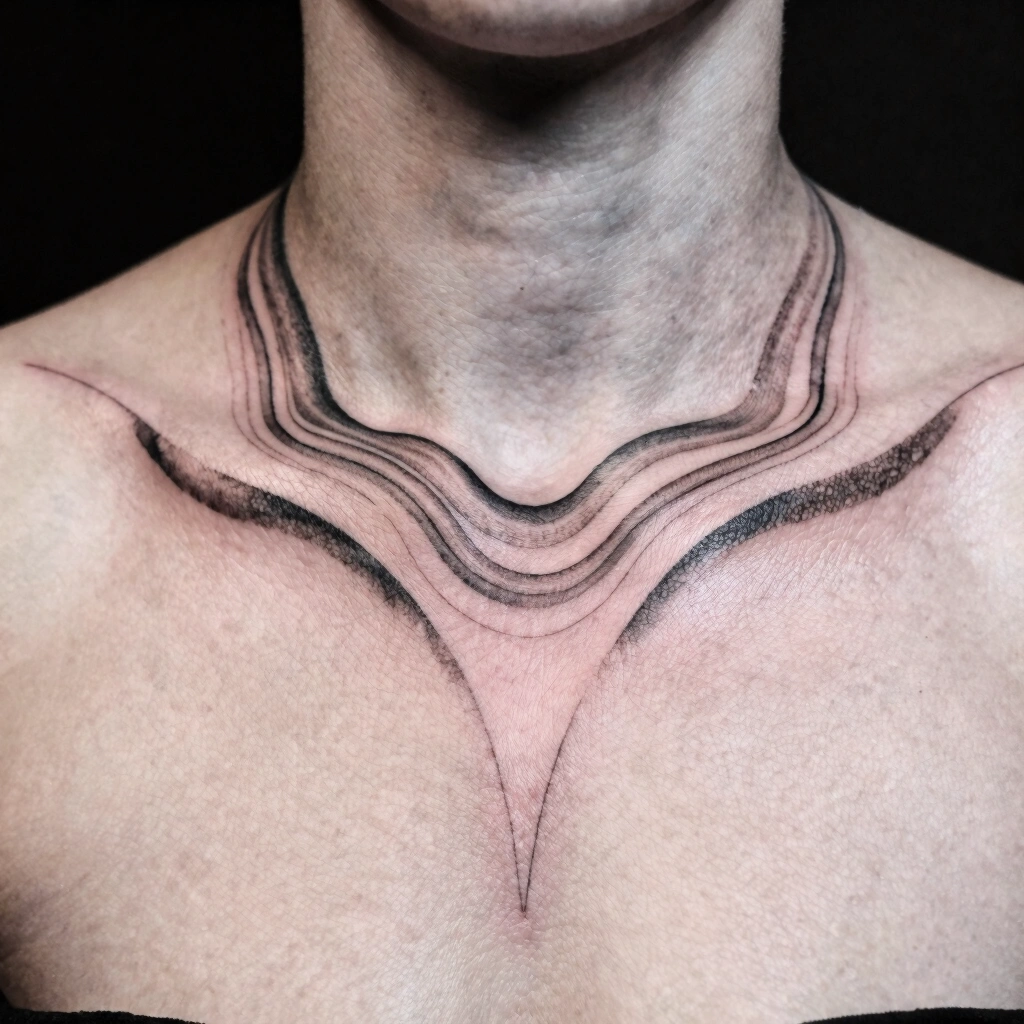
For those wanting to go bigger, a design that starts on the collar bone and flows down toward the chest combines multiple techniques — perhaps fine-line florals up top transitioning into light shading below. This is a significant commitment requiring a custom, planned-out session (or multiple sessions) rather than a walk-in booking.
This works best when you already have a smaller collar bone piece and want to expand it thoughtfully rather than starting with something this large as a first tattoo.
Best Placement Ideas
- Directly on the bone line — most visible, most likely to show under most necklines, generally more sensitive due to thin skin over bone
- Below the collar bone, toward the chest — slightly more coverage options, marginally less bony sensitivity
- Spanning both collar bones — highest visibility, best for symmetrical designs like matching florals or script
- Off to one side near the shoulder — easiest to conceal with regular clothing, good for first-timers testing visibility comfort
Tips for Success
Look for an artist whose portfolio shows multiple healed examples in the specific technique you want — fine line, dotwork, blackwork, whatever it is — not just fresh, glossy photos. Healed work tells you how their linework actually holds up. Bring reference images, but also be open when an artist suggests adjustments for your specific skin tone and texture; what looks great on one person’s skin may need tweaking for yours. Always ask about their sterilization process and single-use needle policy during your consultation, and don’t hesitate to ask how many similar pieces they’ve done recently.
Common Mistakes and How to Avoid Them
- Going too small for detailed designs — intricate mandalas or detailed feathers need more room to stay legible over years; simplify or size up
- Ignoring the bone’s natural curve — straight-line designs forced onto a curved area often look stretched once swelling subsides
- Skipping the aftercare routine — inconsistent care can affect how the design settles and heals
- Copying an exact reference photo — personalizing size, angle, or small details helps the piece fit your specific collar bone shape and avoids an oddly generic result
- Choosing a generalist artist for a specialist style — dotwork, fine line, and traditional each benefit from an artist who focuses heavily in that particular technique
Similar Variations
Nearly every design above can shift with size, color, or combination changes. A fine-line vine can become a blackwork silhouette version. A small script quote can be recolored with subtle single-tone shading instead of pure black. Matching friend tattoos can combine two different techniques (one fine line, one dotwork) while keeping the same symbol for a personalized-but-matching effect.
Aftercare Basics
Keep the tattoo clean and follow the specific written aftercare sheet your artist provides — this is the most reliable guidance since it accounts for their exact ink and technique. General dermatological consensus suggests keeping fresh tattoos out of direct sun, avoiding soaking in pools or baths during initial healing, and moisturizing lightly once the surface has closed. Everyone heals differently, so consult your artist or a licensed dermatologist if you notice anything that concerns you.
Quick FAQ
How much do collar bone tattoos typically cost?
Small designs under 2 inches often fall in the $80-$200 range depending on studio location and artist experience, while larger custom pieces can run several hundred dollars. Always ask for a quote during your consultation.
Does the collar bone hurt more than other spots?
Many people report this area feels more sensitive than fleshier spots like the outer arm, since skin sits closer to bone here. Pain tolerance varies significantly by individual, so take general comparisons as a rough guide only.
How long does healing take?
Small fine-line pieces often heal within 10-14 days on the surface, while denser blackwork or color pieces may take 2-3 weeks. Full healing underneath skin can take longer, and individual healing timelines vary.
Will the design fade or blur over time?
All tattoos change gradually with age and sun exposure. Fine-line and dotwork pieces tend to show softening sooner than bold blackwork or traditional style, so choose your technique based on how long you want crisp detail to last.
Finding the right one of these 18 collar bone tattoos for females really comes down to matching the technique to how much detail, visibility, and long-term maintenance you’re genuinely comfortable with. Take your time picking an artist whose healed portfolio backs up their style, ask every question that’s nagging you, and remember that a good consultation is never wasted time.