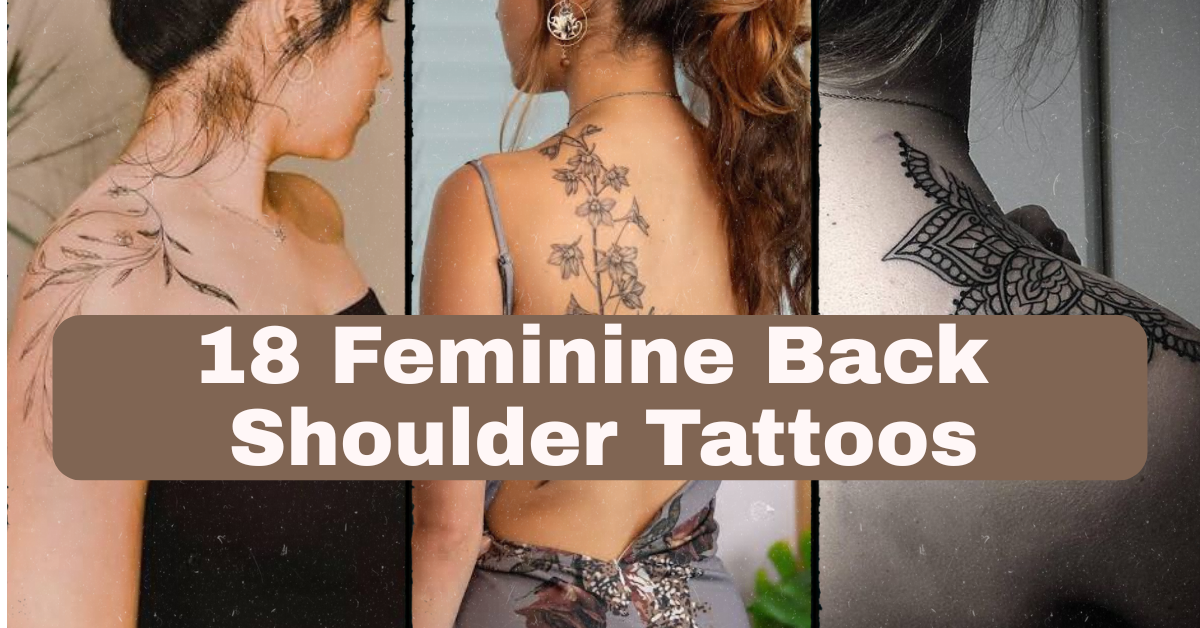
18 Feminine Back Shoulder Tattoos: A Real Guide to Design, Placement, and Pain
Feminine back shoulder tattoos have become one of the most requested styles at studios right now, and for good reason — this placement flatters delicate linework, hides easily under clothing, and ages better than people expect when the technique is chosen correctly.
So what are the best feminine back shoulder tattoo ideas? Fine-line florals, dotwork accents, and small blackwork clusters work especially well because the shoulder blade offers a flat, visible canvas that holds detail without much stretching or distortion over time. Curved designs that follow the natural line of the shoulder tend to age the most gracefully.
Stick around, because I’m going to walk you through placement tradeoffs, realistic pain levels, how to brief an artist so you don’t end up with a generic flash piece, and what actually happens to these designs on your skin five years down the road.
Why the Back Shoulder Works So Well for Feminine Designs
I’ve watched a lot of people agonize over placement, and the back shoulder keeps winning for a simple reason: it’s got real estate. There’s enough flat skin to let a fine-line artist work with confidence, but it’s also small enough that you’re not committing to a full sleeve. You can cover it in a tank top or show it off in a strappy dress. The natural curve of the shoulder blade also gives designs like vines, script, and florals a built-in flow — they follow the body instead of fighting it. That’s a compositional advantage a lot of other placements just don’t have.
Fine-Line Floral Vine Trailing Down the Shoulder Blade
This is the design I see requested most often, and it holds up because the linework stays thin and consistent — usually a 3RL or 5RL needle — which keeps the vine looking delicate rather than heavy. The stems curve naturally along the shoulder blade’s edge, with small leaves and one or two open blossoms breaking up the line. Best placed starting at the top of the shoulder and trailing three to five inches downward. Pain is moderate; skin over the shoulder blade has less padding than the upper arm, so expect a dull, scratchy sensation rather than sharp pain. Bring a reference photo showing vine direction, not just the flower style, so your artist can map it to your specific shoulder shape. Great for a first tattoo since it’s low-commitment and easy to size up later.
Delicate Butterfly in Single-Needle Linework

Single-needle work means the artist uses one very fine needle to create hairline-thin details — perfect for butterfly wing veins that would blur into mush with a thicker line. The wings usually stay unshaded, letting negative space (the untouched skin) do the visual work instead of solid ink. Two to three inches wide is ideal here; any smaller and the wing details start to close up as the skin heals. Expect this to sit right on the curve of the shoulder, slightly angled toward the back. Pain is mild to moderate. Ask your artist specifically about single-needle versus standard fine-line, since not every shop offers true single-needle work. This design suits workplace settings well because it reads as soft and small even when visible.
Blackwork Botanical Cluster
Blackwork uses solid black ink with confident, saturated fills rather than thin outlines, so this style has more visual weight than the fine-line pieces above. A botanical cluster — think overlapping leaves, a few solid-black petals, and small filler dots — creates contrast against skin tone in a way delicate linework can’t. This works best sized at three to four inches, positioned centrally on the shoulder blade where the fill has room to breathe. Healing takes slightly longer than fine-line pieces, often ten to fourteen days, because more ink saturation means more surface trauma to heal. Request a stencil preview before your session so you can check the black areas don’t look too heavy for your skin tone. Solid choice if you want something a first-tattoo fine-line piece can’t deliver: visible boldness without a huge time commitment.
Dotwork Mandala Accent

Dotwork builds shading and pattern entirely from small dots instead of solid lines or fills — it’s slower for the artist but produces a soft, almost textured gradient effect. A small mandala (a circular, symmetrical pattern) sitting near the top of the shoulder reads as intricate without needing bright color. Two to three inches in diameter is the sweet spot; smaller than that and the dot spacing gets too tight to read clearly once healed. This placement tends toward moderate pain since dotwork sessions run longer due to the repetitive needle work. Ask your artist how many passes the piece will need — dense dotwork sometimes requires a touch-up session about six weeks after initial healing. Popular for matching tattoos among friend groups since the geometric symmetry translates well at different sizes.
Script Quote Along the Shoulder Curve

Script tattoos live or die by spacing and letter weight, so this only works when an artist experienced in lettering maps the words to your specific shoulder curve before tattooing. A short phrase — five to eight words — in a thin script font follows the natural slope from the neckline outward. Keep it under four inches long so letters don’t distort as skin ages. This is one of the less painful shoulder placements since it usually sits on flatter skin away from the bone. Bring a printed mockup of the exact font and wording; script is one of the easiest designs to get wrong if the artist free-hands spacing on the day. Works well for meaningful dates or names since the format keeps things simple and legible for years.
Minimalist Constellation with Dot Stars

This design pairs thin connecting lines with small single dots representing stars, creating a scattered, airy look rather than a dense cluster. It works because negative space carries most of the composition — the skin between the dots matters as much as the ink itself. Best kept small, around two inches, and placed slightly off-center on the shoulder for a natural scattered effect. Minimal pain here since the needle work is light and quick. Ask your artist about dot consistency; uneven dot sizes are a common flaw with less experienced hands, so check their portfolio for close-up healed photos, not just fresh ink. A favorite for astrology-themed matching tattoos between siblings or best friends.
Watercolor-Style Floral Splash
Watercolor tattoos use diluted color saturation and soft, bleeding edges to mimic a painted look, often paired with fine-line floral outlines to anchor the shape. This is one of the higher-maintenance styles on this list — colored ink fades faster than black, and the soft edges can blur further with age, so expect a touch-up around the two-to-three-year mark. Three to four inches works well on the shoulder blade where there’s enough flat space for the color blend to sit evenly. Pain is comparable to blackwork since color passes add extra needle time. Discuss ink brand and color longevity with your artist directly, since fading rates vary a lot. Best for people who don’t mind future upkeep in exchange for a genuinely unique, painterly look.
Negative Space Crescent Moon with Florals
Negative space design uses the untouched skin as part of the image rather than filling every area with ink — here, a solid black crescent moon outline surrounds small floral linework left unshaded inside the curve. The contrast between the bold moon shape and delicate flowers is what makes this visually distinct. Two to three inches fits the shoulder well, ideally angled so the moon’s curve mirrors the shoulder blade’s natural line. Pain sits in the moderate range due to the solid black fill. Request to see healed (not fresh) examples of this artist’s negative space work, since poor technique causes the “empty” areas to fill in with scarring or blur over time. Great for anyone wanting symbolism without an overly literal image.
Fine-Line Bird in Flight
A single bird rendered in thin, continuous linework — usually one unbroken line for the body and separate short strokes for wing feathers — creates motion without needing shading. This reads as simple but requires a steady-handed artist since any wobble in the line is very visible at this weight. Two to three inches, placed slightly angled as if the bird is flying toward the neckline, gives the best sense of movement. Healing runs five to seven days typically for fine-line work this size. Pain is mild on the flatter parts of the shoulder blade. Bring reference images of wing position specifically, since “bird tattoo” as a search term returns wildly different silhouettes. Common choice for a first tattoo thanks to its low ink density and short session time.
Delicate Lace Pattern Overlay

Lace-style tattoos recreate fabric texture using fine dotwork and thin connecting lines to mimic the look of actual lace trim, often curving around the shoulder like a partial sleeve edge. This is technically demanding — the pattern needs consistent spacing to read as “lace” rather than random geometric shapes. Three to five inches gives enough room for the pattern to repeat convincingly. Expect moderate-to-longer session time since the dot density is high, which also means moderate pain from repeated needle contact in one area. Ask specifically for a stencil test on your skin before the session; lace patterns that look great on paper sometimes don’t translate at your specific size. Popular for those wanting something ornamental but still monochrome.
Small Symmetrical Mandala
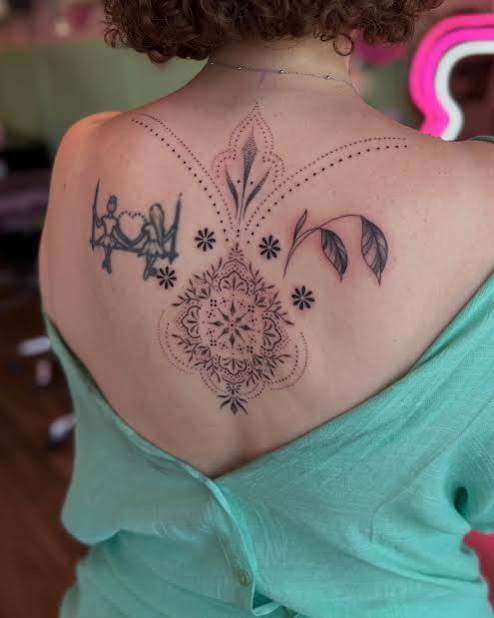
Unlike the dotwork mandala above, this version relies on clean fine lines and geometric precision rather than shading, giving it a crisper, more graphic look. Symmetry is everything here — even minor asymmetry becomes obvious in a circular design, so the artist typically uses a stencil with grid guides. One and a half to two and a half inches is standard, sitting just below the top of the shoulder. Pain is mild since there’s minimal fill work. Ask about the stencil transfer method your artist uses for symmetrical designs — a fresh, properly centered stencil matters more here than in almost any other style on this list. This ages well over time since thin geometric lines hold their shape better than shaded areas.
Single Rose with Fine Shading

A single rose combines fine-line outlining with light gray-wash shading (diluted black ink used for gradient effect) to create dimension without full color saturation. This gives the rose depth without the fading concerns that come with colored ink. Two to three inches suits the shoulder blade nicely, usually angled so the bloom faces slightly upward. Pain runs moderate due to the shading pass on top of the linework. Ask your artist whether they’re using gray-wash or a diluted black-and-gray technique, since the two produce slightly different aging results — gray-wash can soften faster over the years. A timeless choice that works equally well as a standalone piece or as an anchor for future additions nearby.
Trailing Vine with Leaves Down the Spine Side
This variation shifts the vine placement toward the spine-facing edge of the shoulder rather than the outer curve, creating a longer, narrower composition that works well for people who want something visible only with certain necklines. Thin, consistent linework with small leaf clusters keeps the design light rather than heavy. Four to six inches long, this piece has more healing area to manage, so expect seven to ten days of careful aftercare. Pain increases slightly near the spine due to thinner skin and less muscle padding. Specify the exact starting and ending points with your artist using a washable marker preview before the stencil goes on. Works well for layering with a future complementary piece on the opposite shoulder.
Abstract Line Art Feminine Silhouette
An abstract single-line silhouette — often a face profile or body curve rendered in one continuous fine line — has become popular for its minimalist, almost sketch-like quality. The entire design typically uses one consistent line weight with no shading, so the visual interest comes purely from the curve and negative space around it. Two to three inches fits well on the upper shoulder area. Pain is mild given the low ink density. Because this style depends entirely on line confidence, review your artist’s fine-line portfolio closely for shaky or uneven curves before booking. This design tends to divide opinion at work settings since it’s abstract enough to need context, so consider that if visibility matters to you professionally.
Fine-Line Bee or Dragonfly
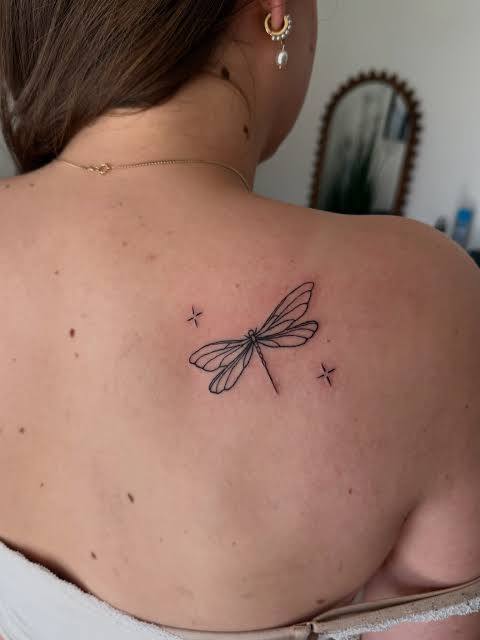
Small insect designs like bees or dragonflies work well in fine-line style because their natural symmetry gives the artist a built-in structure to follow, reducing the risk of an unbalanced result. Wing details are usually left as outline-only or lightly stippled with dotwork for subtle texture. One and a half to two inches is plenty for this design; going smaller risks losing wing vein details as skin heals and settles. Pain is mild to moderate depending on exact shoulder position. Ask your artist about wing vein density — too many fine lines packed into a small space can blur together after a few years. A common pick for nature-themed matching tattoos between family members.
Cluster of Wildflowers

A grouping of three to five different small flowers, rendered in fine-line with optional light shading, creates a fuller composition than a single floral piece while staying delicate overall. Varying flower sizes and slight overlaps give the cluster a natural, unplanned look rather than a stiff grid arrangement. Three to four inches across works best, centered on the shoulder blade. Healing time and pain are comparable to other fine-line pieces of similar size — generally mild to moderate. Bring a mood board rather than one single reference image, since combining multiple flower types benefits from an artist’s compositional input rather than a rigid copy-paste approach. This works particularly well as a custom design tied to specific meaningful flowers rather than generic flash art.
Delicate Feather with Dotwork Shading
A feather outline paired with dotwork shading along the spine of the feather creates a soft gradient effect without needing gray-wash or color. The dot density increases toward the base of the feather and tapers off near the tip, giving a natural fade. Two to three inches suits the shoulder curve well. Dotwork sessions tend to run a bit longer than pure linework, so expect moderate pain from the repetitive contact. Ask your artist to show you their dot gradient technique on past healed work specifically, since fresh tattoo photos don’t reveal how evenly dots settle into skin over time. A gentle, symbolic option often chosen to represent a personal milestone.
Ornamental Geometric Shoulder Cap

This is the boldest option on the list — a geometric pattern that wraps partially over the top of the shoulder like a small cap, combining straight fine lines with small blackwork triangles or dot clusters for contrast. Because it covers more surface area, typically four to six inches, this design commits to more visible placement and longer healing, often up to two weeks. Pain runs moderate to higher given the size and the bony curve of the shoulder itself. This isn’t a great first-tattoo choice for someone unsure about commitment, but it’s a strong option for a second or third piece once you know your pain tolerance. Discuss symmetry checkpoints with your artist mid-session, since larger geometric patterns benefit from a pause-and-check approach partway through.
Best Placement Ideas
Placement changes everything about how a design reads and how much it’ll hurt or need upkeep. Here’s how the shoulder area breaks down:
- Top of shoulder blade (visible in most tops): Higher visibility, moderate pain, easiest for the artist to access — good for statement pieces.
- Center of shoulder blade: Flattest skin, most forgiving for detailed linework, moderate healing time.
- Near the spine edge: Easier to conceal with clothing, slightly more sensitive due to thinner skin coverage.
- Curving toward the collarbone: More visible in off-shoulder or strappy outfits, generally milder pain since skin is thinner but less bony than the spine edge.
- Wrapping over the top of the shoulder: Highest visibility, more pain due to bone proximity, best reserved for smaller or simpler designs.
Tips for Success
Choosing the right artist matters more than choosing the “perfect” design off Pinterest. Look through a prospective artist’s portfolio specifically for healed photos, not just fresh ink shots — fresh tattoos always look sharper than they’ll settle. Check that their fine-line work stays crisp at the sizes you’re considering, since not every artist who’s great at bold traditional work is equally skilled at single-needle detail. At your consultation, bring reference images, be upfront about your pain tolerance and any skin sensitivities, and ask directly about their approach to stencil placement on curved areas like the shoulder blade. A good artist will adjust a design to fit your specific body rather than tattooing a flash sheet exactly as printed.
Common Mistakes and How to Avoid Them
- Going too small for detailed linework. Fine details like lace patterns or feather veins need enough surface area, or they blur together as the skin heals and settles over the following months.
- Ignoring how the design follows body movement. A design that looks great flat on paper can twist oddly on a curved, moving shoulder — always ask to see the stencil directly on your skin before committing.
- Skipping personalization. Copying a design exactly from social media without adjusting size or placement to your own shoulder shape often results in a piece that looks slightly “off.”
- Underestimating aftercare. Poor aftercare in the first two weeks is one of the most common causes of faded or blotchy healed results.
- Choosing an artist based on price alone. Cheaper isn’t always worse, but portfolio quality should always outweigh cost when it comes to detailed feminine linework.
Similar Variations
Nearly every design above can shift in mood with a few changes. Fine-line florals can go bolder as blackwork clusters, or softer as watercolor pieces, depending on how much color and saturation you want long-term. Small single motifs like the bird or bee can be combined into a larger cluster composition if you want more visual weight later without starting over. Mandala and geometric designs scale up easily into a shoulder cap if you decide you want more coverage down the road. Script pieces can be resized smaller and paired with a small floral accent for a more layered look. Because the shoulder blade offers real space to build on, most of these ideas work well as a starting piece with room to expand.
Aftercare Basics
General dermatological consensus supports keeping a fresh tattoo clean, moisturized, and out of direct sun during the initial healing period, though exact healing time varies by individual and by design size. Most artists recommend gentle washing with fragrance-free soap, light unscented moisturizer, and avoiding swimming or excessive sweating for the first two weeks. Avoid picking at any peeling skin, since this can pull ink out unevenly. Always follow the specific aftercare sheet given by your artist rather than generic advice found online, and reach out to your artist or a dermatologist if you notice unusual redness, swelling, or discharge beyond what’s typical for early healing.
Quick FAQ
How much do feminine back shoulder tattoos cost?
Cost depends on size, detail, and your artist’s hourly rate, but small fine-line pieces (two to three inches) typically run in the range of a shorter one-to-two hour session, while larger blackwork or geometric shoulder caps take longer and cost more. Always get a direct quote during consultation rather than relying on general estimates.
How painful is the back shoulder area?
Pain varies by individual, but the flatter center of the shoulder blade tends to be more tolerable than areas closer to bone, like the top of the shoulder or near the spine. General consensus among tattoo professionals is that this placement is moderate on the pain scale compared to more sensitive areas like ribs or hands.
How long does healing take?
Small fine-line pieces often heal within one to two weeks on the surface, though full healing beneath the skin can take longer. Larger or more saturated designs, like blackwork clusters, may take closer to two to three weeks. Individual healing time varies, so follow your artist’s specific timeline guidance.
Do these designs fade over time?
Black linework tends to hold up well over years with minimal fading if aftercare is followed properly, while color and watercolor-style pieces fade faster and often need a touch-up within a few years. A licensed artist can advise on realistic longevity for your specific design and skin type.
Final Thoughts
Feminine back shoulder tattoos work because the placement gives delicate techniques like fine-line, dotwork, and negative space room to actually shine — and because the shoulder blade’s natural curve does a lot of the compositional work for you. Whether you’re drawn to a simple trailing vine or a bolder geometric shoulder cap, the real key is matching the design’s technical demands to a placement and artist who can execute it well, not just picking whatever looks good in a single photo. Take your time, ask the right questions at your consultation, and you’ll end up with one of these feminine back shoulder tattoos that still looks sharp years from now.