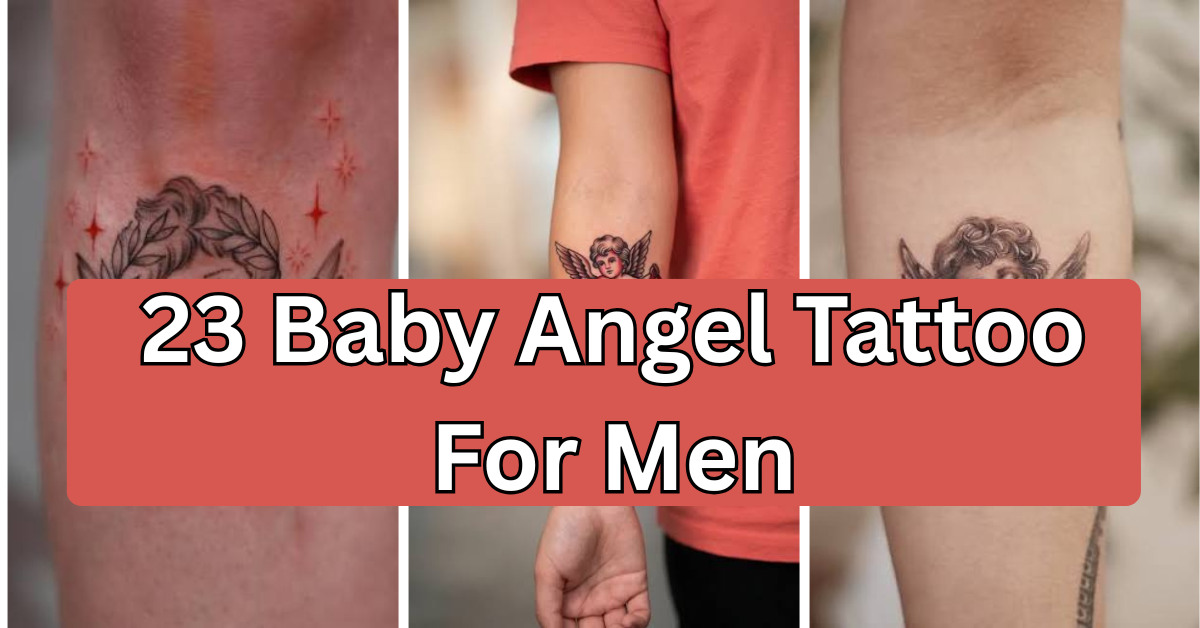
23 Baby Angel Tattoo Ideas for Men: Placement, Meaning, and What to Know Before You Book
Nervous about picking a baby angel tattoo that actually captures what you’re trying to say, whether that’s faith, protection, or remembering someone you love? That’s a real concern, and getting the technique and placement right matters just as much as picking the right design.
So what are the best baby angel tattoo ideas for men? Fine line and blackwork cherub designs on the forearm or upper arm work best, since these placements give enough flat space for facial detail and wing texture to heal cleanly and stay legible for years. Many men also choose these as memorial pieces, so a simple, well-proportioned design tends to age and read better than an overly busy one.
Stick around, because we’ll walk through placement tradeoffs, pain levels by body area, healing time, how to brief an artist on a design this personal, and the mistakes that can turn a meaningful tattoo into a disappointing one.
Why Baby Angel Tattoos Carry So Much Meaning
A baby angel design, often drawn as a small cherub with wings, sometimes with a halo or clouds, is one of the most requested symbolic tattoos among men, and the reasons behind it vary a lot. Some get one as a memorial for a child they’ve lost. Others choose it as a faith symbol, a guardian watching over them, or a marker of becoming a father. Because the meaning is usually deeply personal, the actual artwork needs to hold up visually and emotionally over decades, not just look good on day one. That’s why technique matters so much here. A soft, well-shaded cherub face reads very differently than a harsh, overly cartoonish one, and small changes in linework or shading style can shift the whole tone of the piece from lighthearted to solemn. Getting that balance right starts with understanding the range of styles available.
1. Fine-Line Cherub Face Portrait
This design focuses on just the cherub’s face and a small wing detail, done in thin, single needle linework with minimal or no shading. Single needle just means the artist uses one very fine needle tip, which allows for soft, delicate detail in the facial features without heavy black fill. Best placed on the forearm or upper arm where there’s enough flat space for facial proportions to read clearly. Keep the design at least two and a half inches so the features don’t blur together as it heals. Pain is generally mild to moderate depending on exact placement. Bring your artist a clear, well-lit reference image and ask them to simplify the facial detail slightly, overly intricate faces at small scale tend to soften with age. This suits both memorial and faith-based meanings. Full-body cherub designs take this concept further.
2. Full-Body Cherub with Wings
This depicts the entire cherub figure, wings extended, rather than just the face, giving the design more visual movement and space to fill. Linework here needs to stay consistent in weight throughout, since thin, wispy wing feathers next to thick outlined limbs can look unbalanced. Best on the upper arm or outer forearm where there’s enough length for the full figure to sit proportionally, generally four inches or larger. Pain runs moderate given the increased linework and session length. Ask your artist to sketch the full figure at actual size before stenciling, cherub proportions are easy to get slightly off if scaled too fast from a small reference. This works well as a centerpiece for men wanting a more detailed, standalone design. Blackwork versions take a bolder approach.
3. Bold Blackwork Cherub Silhouette

Blackwork means solid, heavily saturated black fill rather than fine outlines or soft shading, which gives this version serious visual weight and contrast. A cherub rendered as a solid black silhouette, wings and all, reads as bold and graphic rather than soft or delicate. This style needs a decent amount of space, generally three inches or more, so the silhouette shape stays clean. Best on the outer forearm or upper arm. Pain runs moderate to higher given the dense saturation and longer session time. Ask your artist about their solid fill technique specifically, uneven black saturation is one of the most common issues with this style. It ages well since solid black holds its depth longer than fine detail. Memorial-style angel and name combinations bring in personal tribute elements.
4. Memorial Cherub with Name Banner
This pairs a fine line or lightly shaded cherub with a small banner or script element beneath it, usually holding a name, date, or short phrase. The two elements need to be planned together from the start so the spacing and proportion feel balanced rather than like two separate tattoos stacked together. Best on the forearm where there’s enough vertical space for both the figure and the text. Pain is moderate depending on total size. Ask your artist to mock up the full composition on paper first, including exact lettering style, since font choice affects how well a name or date ages and stays legible. This is one of the more emotionally significant options here, and many men choose it specifically to honor a child they’ve lost. Realistic shaded angel babies add more depth.
5. Realistic Shaded Baby Angel Portrait
This uses black and grey shading, built through fine gradients rather than flat black fill, to create a softer, more lifelike rendering of a baby angel’s face and features. This is a technically demanding style, since realistic shading requires smooth transitions between light and dark areas to avoid looking patchy. Best sized four inches or larger on the upper arm or outer forearm to give the shading room to develop properly. Pain runs moderate to higher given the extended shading work. Ask to see portfolio pieces specifically showing black and grey realism, not just linework, before booking, this style separates experienced artists from beginners quickly. It’s a serious commitment in both session length and cost. Small minimalist wing-only designs simplify the concept significantly.
6. Minimalist Angel Wings Only
Rather than the full cherub figure, this design uses just a small pair of wings, sometimes with a tiny halo above them, to represent the same idea in a much simpler form. Fine line keeps the wings delicate even at small scale, usually under two inches. Best placed on the inner forearm, wrist, or behind the ear for a more subtle, private meaning. Pain varies by placement, bonier areas like the wrist tend to be more sensitive than the fleshier forearm. This is a strong first-tattoo option since it’s quick, low in detail, and heals fast. Ask your artist to keep the wing feather lines slightly thicker than you’d expect, very fine feather detail can blur together within a few years. Cloud and cherub combinations add environmental context.
7. Cherub Sitting on Clouds
This places a small cherub figure sitting or resting on a simple cloud shape, adding a sense of place and softness to the composition. Clouds are typically done with light shading or soft dotwork texture rather than solid fill, since a flat black cloud can look heavier than intended. Best on the forearm or upper arm with enough width, generally three to four inches, for both elements to sit comfortably. Pain is moderate given the combined shading and linework. Ask your artist how they’ll texture the clouds specifically, dotwork tends to hold up better over time than very light, uneven shading. This suits men wanting a gentler, more peaceful visual tone. Praying cherub designs bring in a devotional element.
8. Praying Cherub in Fine Line
This depicts a small cherub in a kneeling or praying pose, hands clasped, typically done in fine line with minimal shading to keep the pose and expression the visual focus. Proportion matters a lot here, since a praying pose relies on believable hand and head positioning to read clearly at tattoo scale. Best sized three inches or larger on the forearm or upper arm so the pose doesn’t get lost in overly small linework. Pain is mild to moderate. Ask your artist for a few pose reference sketches before committing, small changes in hand or head angle can significantly change how natural the pose looks. This design leans more toward faith and devotion than pure memorial symbolism, though it works for both. Guardian angel infant designs add a protective theme.
9. Guardian Angel Watching Over a Figure
This composition includes a small baby angel positioned above or beside another element, often a small figure, a heart, or a name, symbolizing protection or watching over someone. This requires careful spatial planning so the angel doesn’t visually overpower the second element. Best on the upper arm or outer forearm with enough space, generally four inches or more, for both parts of the composition. Pain runs moderate given the increased total linework. Ask your artist to plan the full layout together rather than adding elements piecemeal across separate sessions, spacing and scale need to be locked in from the start. This is a popular choice among new fathers as a protective symbol for their child. Small single-line cherub outlines simplify things dramatically.
10. Single-Line Cherub Outline
This strips the cherub down to one continuous, unbroken line forming the basic figure and wing shape, without any shading or dot texture. The appeal is in the restraint, a design that looks like it was drawn in one motion. Best kept small to medium, one and a half to three inches, on the forearm or wrist. Pain is generally mild given the minimal linework. This is an excellent first-tattoo choice since it’s quick, low in detail, and heals fast. Ask your artist to keep the line thickness slightly bolder than typical fine line work, since extremely thin single-line designs can soften noticeably within a few years. Dotwork cherub designs bring in texture without heavy shading.
11. Dotwork Cherub with Textured Wings
Dotwork means the entire shading effect is built from tiny individual dots rather than solid lines or flat fill, which creates a soft, textured look, especially effective for feathered wing detail. This technique needs real precision, since uneven dot spacing shows up clearly in wing texture. Best on the outer forearm or upper arm with three to five inches of space. Pain is moderate, and sessions can run long given the repetitive dot placement. Ask your artist how they plan to vary dot density across the wings, a gradual fade from dense to light reads more naturally than uniform dot spacing. This suits men wanting more visual texture than flat linework without moving into full blackwork. Cherub and rosary combinations bring religious symbolism together.
12. Cherub with Rosary Beads
This pairs a small cherub figure with a rosary or simple beaded chain wrapped nearby or beneath it, combining two recognizable faith symbols into one composition. The bead detail needs consistent spacing and size to read clearly rather than looking like a random cluster of dots. Best on the forearm with enough length, generally four inches or more, for both elements to sit proportionally. Pain is moderate given the combined detail. Ask your artist to space the beads slightly larger than you’d initially expect, very small beads tend to blur together within a few years. This design leans heavily into religious and devotional meaning. Twin cherub designs add a matching or sibling element.
13. Twin Cherub Design
This features two small cherubs positioned together, often facing each other or standing side by side, commonly chosen by men honoring twins, either as a memorial or a celebration of fatherhood. Proportion and spacing between the two figures matter a lot, since uneven sizing between them can look accidental rather than intentional. Best on the upper arm or forearm with enough width for both figures to have breathing room, generally four inches or more. Pain runs moderate given the increased total linework. Ask your artist to sketch both figures together as one composition rather than working on them separately, this keeps the proportions matched. This is one of the more specific and meaningful design choices on this list. Cherub with a heart accent brings in a classic symbolic pairing.
14. Cherub with Small Heart Accent
This adds a small heart shape, either held by the cherub or placed nearby, as a simple additional symbol of love or remembrance. The heart should stay secondary in size to the cherub itself so the composition doesn’t feel cluttered or competing for attention. Best on the forearm with three to four inches of space. Pain is mild to moderate depending on total size. Ask your artist about heart placement specifically, positioning it slightly below or beside the cherub usually reads more naturally than directly overlapping the figure. This is a versatile design that works for romantic, memorial, or general sentimental meanings depending on any accompanying text. Angel wing and cross combinations bring faith symbolism together.
15. Angel Wings with Cross Centerpiece
This combines a small cross with wings extending from either side, a classic faith symbol that doesn’t require a full cherub figure to convey meaning. Linework should stay bold enough on the cross itself to anchor the design, since thin crosses can get visually lost next to more detailed wing texture. Best on the forearm or upper arm with three to four inches of space. Pain is moderate. Ask your artist to finalize the cross proportions first before adding wing detail, this keeps the overall balance from skewing too heavily toward one element. This design works well for men wanting a faith-forward piece without a literal infant figure. Sleeping cherub designs bring a softer, quieter tone.
16. Sleeping Cherub Curled on a Cloud
This depicts a small cherub in a curled, sleeping position resting on a cloud, offering a softer, more peaceful visual tone than an active or praying pose. Shading here should stay light and gradual, since a sleeping pose relies on gentle, rounded linework rather than sharp angles. Best sized three inches or larger on the forearm or upper arm. Pain is mild to moderate. Ask your artist for a pose reference that shows natural curled proportions, this pose is easy to get slightly stiff-looking if rushed. This design is a common choice for memorial pieces specifically, since the peaceful imagery resonates for many people processing loss. Cherub silhouette behind bold text brings lettering into focus.
17. Cherub Silhouette Behind Bold Script Text

This places a solid black cherub silhouette behind or beside a name or short phrase in bold script lettering, making the text the primary focal point rather than the figure itself. Font choice matters enormously here, ask your artist to hand-letter a custom version rather than tracing a generic font, since custom lettering tends to hold up better as skin ages. Best on the forearm with enough length for both elements, generally four inches or more. Pain is moderate given the combined silhouette and lettering work. This is a strong option for men wanting the text, a name or date, to carry the primary meaning. Cherub with feather detail trailing off adds visual movement.
18. Cherub with Trailing Loose Feathers
This extends a few individual feathers away from the wing itself, as though they’re falling or trailing off, adding a sense of motion to an otherwise static composition. The trailing feathers work well in fine line or light dotwork, contrasting against a more solidly shaded main figure. Best on the outer forearm with four to five inches of space to let the trailing effect read clearly. Pain is moderate given the total linework involved. Ask your artist how they plan to taper the feather size as they trail away from the wing, a smooth size reduction looks more intentional than an abrupt stop. This design adds visual interest for men wanting something a bit more dynamic than a static figure. Small standalone halo designs simplify the symbolism even further.
19. Standalone Halo with Small Wings

This reduces the design down to just a simple halo shape with two small wings beneath it, implying the angel without depicting a full figure at all. This is one of the most minimal options on this list, usually under two inches, and works well in fine line. Best placed on the wrist, forearm, or behind the ear for a subtle, private meaning. Pain varies by placement, with bonier areas generally more sensitive. This is an excellent low-commitment option for men wanting the symbolism without a detailed figural piece. Ask your artist to keep the halo slightly oval rather than a perfect circle, it tends to read more naturally at this small scale. Cherub with sun rays adds a brighter visual tone.
20. Cherub Surrounded by Sun Rays
This positions a small cherub at the center of radiating linework resembling sun rays, giving the composition a brighter, more uplifting feel compared to cloud or night sky backdrops. The rays should stay evenly spaced and consistent in length, since uneven radial lines are noticeable in this kind of symmetrical layout. Best on the upper arm or forearm with four inches or more of space. Pain is moderate given the total linework. Ask your artist how many rays they recommend for your specific size, too many thin rays at small scale tend to blur together over time. This design suits men wanting a more hopeful, celebratory tone rather than a somber one. Cherub with clock or hourglass elements bring in a sense of time.
21. Cherub with Clock or Hourglass Detail
This pairs a small cherub with a clock face or hourglass, often symbolizing a specific moment in time, a birth, a loss, or a milestone. The clock or hourglass needs precise, even linework, since mechanical shapes like this show imperfections more obviously than organic ones. Best on the forearm with four to five inches of space for both elements. Pain is moderate to higher given the increased detail and session length. Ask your artist whether you want the time frozen at a specific moment, some men request the clock hands set to a meaningful time or date. This is a deeply personal design choice best planned thoroughly before booking. Cherub in negative space brings a more artistic technique into play.
22. Cherub Rendered in Negative Space
Negative space tattooing uses untouched skin as part of the actual design, so instead of the entire figure being solid black lines, some sections are defined by what’s left unshaded around black fill. A cherub using this technique creates a striking, almost sculptural look with real visual depth. This requires an experienced hand, since the artist has to plan the blank sections as carefully as the inked ones. Best on the outer forearm or upper arm with three inches or more of space. Pain is comparable to standard blackwork in the shaded sections. Ask specifically to see portfolio pieces showing negative space work before booking, this technique separates skilled artists from beginners quickly. Full memorial composition designs bring everything together as a final option.
23. Full Memorial Composition with Cherub, Name, and Date
This combines a cherub figure, a name in custom script, and a date, arranged as one cohesive composition rather than separate elements placed together. This is the most involved option on this list and benefits from careful planning across the full layout before any linework begins. Best on the upper arm or forearm with enough space, generally five inches or more, for all three elements to sit clearly without crowding. Pain runs moderate to higher given the total session length. Ask your artist for a complete stencil preview showing the full composition together, adjusting spacing and proportion is much easier before the first line goes in. This is a serious, deeply personal commitment many men choose specifically to honor a child they’ve lost. That wraps our full list of twenty-three baby angel tattoo ideas.
Best Placement Ideas
- Outer forearm: flat, stable surface, good visibility, ideal for larger or more detailed compositions
- Upper arm: easier to conceal with a sleeve, strong option for larger memorial pieces or future sleeve planning
- Inner wrist: high visibility, more sensitive due to thin skin, best for small minimalist designs
- Behind the ear: very private, small-scale only, generally more sensitive given thin skin and less padding
- Chest, near the heart: deeply symbolic placement for memorial pieces, more sensitive due to proximity to bone
Tips for Success
Choosing the right artist matters even more with a design this personal. Look through an artist’s portfolio specifically for cherub, religious, or memorial work, since this style relies on soft shading and proportion skills that not every artist specializes in equally. Check that facial features and proportions look consistent and natural across multiple portfolio pieces, not just their single best photo. Bring clear reference images to your consultation, and if the piece involves a name or date, write out the exact spelling and formatting so nothing gets miscommunicated. Ask about their experience with lettering if your design includes text, mismatched font style between the figure and the text is a common visual misstep. Finally, confirm licensing and sterilization practices, a reputable studio will answer this without hesitation.
Common Mistakes and How to Avoid Them
- Sizing a detailed cherub too small: facial features and wing texture need enough space to stay legible as the tattoo ages
- Choosing a high-movement placement for detailed shading: joints and creases can distort fine gradients over time
- Skipping proper aftercare: shaded or dotwork pieces especially need consistent care through the full healing window
- Copying a reference design exactly without personalizing it: small adjustments in pose, name, or added elements keep a memorial piece feeling specific to your story
- Rushing a deeply personal design: take time in the consultation phase, especially for memorial pieces, rather than booking the first available appointment
Similar Variations
Most of these designs can be resized larger for a bolder statement or smaller for something more private. A blackwork silhouette can be softened into a dotwork or fine line version, a black and grey realistic portrait can later incorporate a small color accent as a touch-up, and a single cherub can expand into a fuller composition with text or additional symbols over time. Wing-only designs can also be extended into a full figure later if you want to start smaller and build toward something bigger.
Aftercare Basics
General aftercare typically involves keeping the area clean, avoiding direct sun exposure, and avoiding soaking the tattoo in water such as pools or baths during the initial healing window. Avoid picking at any peeling skin, since this can affect how the ink settles. Every studio provides its own specific aftercare sheet, and you should always follow your individual artist’s instructions over generic advice, since techniques and products vary by studio. If you notice unusual redness, swelling, or irritation beyond normal healing, consult a licensed dermatologist or your artist promptly. Pain tolerance and healing experiences vary significantly by individual, and this article isn’t a substitute for professional medical guidance.
Quick FAQ
How much do baby angel tattoos typically cost? Cost varies widely based on size and detail level, but small fine line or single-line designs often start in the low hundreds, while larger realistic or memorial compositions with lettering can run considerably higher. Always get a direct quote from your chosen artist rather than relying on general estimates.
Are baby angel tattoos painful? Pain depends heavily on placement and technique, with bonier areas like the wrist or behind the ear tending to be more sensitive than the forearm or upper arm. Shaded or dotwork designs also tend to feel more intense than simple linework given the longer session time.
How long does healing take? Smaller fine line designs often heal on the surface within about two weeks, while larger shaded or dotwork pieces can take three to four weeks to fully settle. Full depth and clarity can continue developing for a few weeks beyond that.
Will the design fade or need touch-ups over time? Like any tattoo, fine detail and shading can soften somewhat over the years, especially with sun exposure. Bolder linework and solid black fill tend to hold up longer, and many people choose to schedule an occasional touch-up to keep a meaningful piece looking sharp.
Final Thoughts
Finding the right baby angel tattoo really comes down to matching the technique, fine line, blackwork, dotwork, or realistic shading, to the meaning you’re trying to carry and the placement that fits your life. None of these twenty-three ideas are one-size-fits-all, and that’s really the point, the best design is the one that actually reflects your story, whether that’s faith, fatherhood, or remembering someone you love.
Take your time finding an artist whose portfolio genuinely shows strength in this style, ask the questions we covered, and trust that a little extra planning now helps ensure a piece this meaningful is one you’ll be glad you got for the rest of your life.