15 Finger Tattoos For Women
Nervous about picking a finger tattoo you might regret in five years? You’re asking the right question at the right time, because fingers are one of the trickiest, most honest canvases in tattooing — they show fast fading, they hurt more than most people expect, and they need real technical skill to look good long-term.
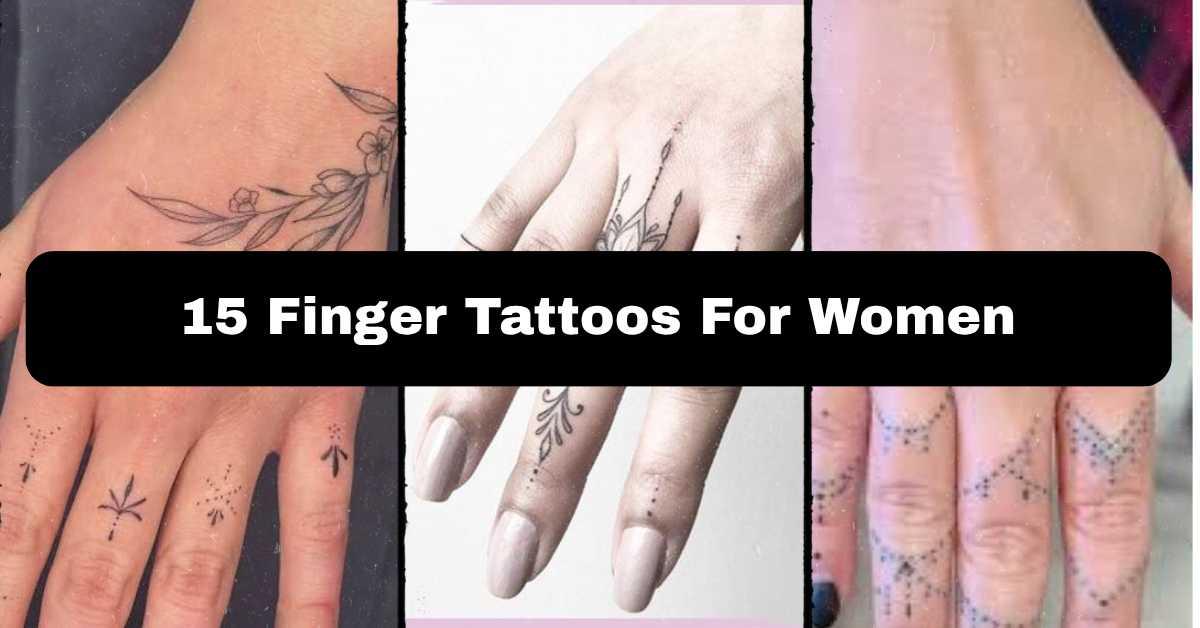
So what are the best finger tattoos for women? Fine-line single-needle designs — tiny initials, dot chains, thin bands, and delicate botanical outlines under half an inch — hold up best on fingers, since they avoid heavy shading that blurs quickly on this high-movement, fast-shedding skin. Simple linework consistently outlasts anything with color or dense saturation here.
Stick around, because I’m going to walk you through fifteen specific finger tattoo ideas, plus the placement tradeoffs, realistic pain levels, healing timelines, and the exact questions you should ask an artist before you sit down in the chair.
Why Finger Tattoos Are Their Own Category
Finger tattoos aren’t just small versions of regular tattoos — they behave differently on the skin, and any artist who’s worked on hands will tell you that. Fingers have thin skin, minimal fat padding, and constant friction from washing hands, typing, and gripping things all day. That combination means ink has a harder time settling into the deeper skin layer where it stays put long-term, which is why bold, heavily saturated designs often blur or fade faster here than they would on a thigh or upper arm. This category works best when you lean into that limitation instead of fighting it. Thin, precise linework, small dotwork clusters, and negative space (unmarked skin used intentionally as part of the design) all play to the strengths of finger skin rather than against them. Below are fifteen ideas built around that reality, not around what merely looks nice on Pinterest.
Fine-Line Single Needle Initials
A single letter or two initials, done with a single-needle technique, is one of the most requested finger tattoos for a reason — it’s personal, quick to execute, and reads clearly at a tiny scale. The line weight should stay thin and consistent, ideally under 0.3mm, since thicker strokes tend to spread and blur into a smudge within a few years. Best placement is the side of the finger or just below the knuckle, where skin is flatter and less prone to stretching. Keep the design under half an inch. Healing typically takes 10 to 14 days, though flaking and light fading during the first month is normal on fingers specifically. Bring your artist a printed font reference rather than a verbal description — it removes guesswork. Pain here tends to run moderate to sharp, since there’s little tissue between skin and bone. It’s a solid first-tattoo option if you want something quiet and workplace-friendly.
Minimalist Dotwork Dot Chain
Dotwork uses tiny individual puncture points instead of continuous lines to build a pattern, and on fingers, a simple dot chain running along the side or top of the finger creates a subtle, jewelry-like effect. This works because dots don’t rely on unbroken lines holding their shape — even with some natural softening over time, a dot chain still reads as intentional rather than blurry. Three to seven dots, evenly spaced, is the sweet spot; more than that starts competing with the finger’s natural creases. Placement along the finger’s length ages better than dots placed directly over a knuckle joint, which stretches constantly. Ask your artist about spacing consistency before booking — uneven dot spacing is one of the most common finger tattoo complaints. Pain is generally sharp but brief, since each point is quick. This design suits matching tattoos well, since it’s easy to replicate closely across different finger sizes.
Delicate Botanical Vine Wrap
A thin vine or single stem wrapping partway around the finger uses fine-line technique to suggest movement without heavy detail. The trick is restraint — a few small leaf shapes with minimal shading, rather than trying to cram a full floral illustration onto a couple centimeters of skin. Shading, if used at all, should be light stippling (small dots creating soft gradients) rather than solid black fill, which tends to look muddy at this scale within a year or two. Best placement is wrapping around the side of the finger between joints, avoiding the knuckle crease where detail distorts fastest. Bring a botanical reference photo and ask specifically for “reduced detail for scale” so your artist simplifies it appropriately. Healing runs about two weeks. This is a popular choice for people who want something feminine and nature-inspired without looking overly literal, and it transitions naturally into the next idea, which strips detail back even further.
Negative Space Band Tattoo

Negative space tattooing uses the untouched skin itself as part of the visual design, rather than filling every bit of the area with ink. On fingers, this often looks like a thin black band with a small gap or line left unshaded, creating a subtle ring-like illusion. It’s a striking option because it relies on contrast and precision rather than detail, which suits finger skin’s limitations well. Placement works best on the lower half of the finger, away from constant knuckle bending. Keep the black portion no wider than 3-4mm to avoid it reading as a solid smudge later. Ask your artist about line crispness in their portfolio specifically for finger work, since negative space demands very clean edges. Pain tends to be moderate, similar to other linear finger designs. This style ages into something more architectural over time and works well for people who want a bold look without heavy color or shading.
Tiny Blackwork Moon Phase
Blackwork refers to tattoos using solid black ink for bold, high-contrast shapes, and a small moon phase design (crescent, half, or full) is a popular symbolic option for fingers. The key technical detail here is saturation — solid blackwork needs even, consistent ink density, or it heals looking patchy rather than solid. Because fingers shed ink faster than fleshier areas, a solo artist experienced in finger blackwork will often go over the design twice in one sitting to improve saturation retention. Best placement is the side or top of the finger, sized no larger than a fingernail. Healing takes about two weeks, with some fading expected within the first year — this is worth discussing honestly with your artist beforehand. Pain is on the higher end for finger tattoos, since blackwork requires more passes. This design carries clear symbolic meaning around cycles and change, appealing to people who want something quiet but meaningful.
Fine-Line Arrow Tattoo
An arrow is one of the simplest finger tattoo shapes, and that simplicity is exactly why it works — fewer lines mean less that can blur or distort as the tattoo settles and ages. A single straight shaft with a small triangular or angled tip, done in fine-line technique, reads clearly even at under an inch. Placement along the length of the finger, rather than across a joint, keeps the arrow’s straight lines from warping when you bend your hand. Ask your artist to slightly thicken the line at the very center if you’re concerned about long-term fading, since the thinnest points fade first. Healing is typically 10-14 days. Pain runs light to moderate, since the design requires minimal shading. It’s a common choice for symbolic “moving forward” meanings and works nicely as a matching tattoo between friends or family members, which leads naturally into more matching-style options.
Matching Symbol Tattoos for Friends
Matching finger tattoos between friends or sisters usually work best as small, simple single-needle symbols — a tiny heart outline, a plus sign, a small star, or a shared initial. The technical priority here is consistency: both people should get the same line weight and size, which means booking with the same artist in the same sitting whenever possible, rather than two different artists interpreting the design separately. Placement should match on the same finger for both people if the meaning depends on that mirroring. Keep the design under half an inch to preserve crisp detail on both hands. Healing time and pain level are consistent with other fine-line finger tattoos, roughly two weeks with moderate discomfort. This category solves a specific desire — visible connection without a large, permanent statement piece — and works well for a first tattoo since the emotional support of doing it together often outweighs nervousness about the process.
Script Word Tattoo
A single word in a fine cursive or print script is one of the more challenging finger tattoo requests, purely because lettering has thin connecting strokes that are especially prone to blurring on fast-healing finger skin. If you want script, keep the word short — three to six letters — and ask your artist about letter spacing specifically, since letters placed too close together often merge into an unreadable blob within a couple years. Best placement is along the flatter side of the finger rather than across the knuckle. Size should never go below what your artist recommends for legibility; shrinking script too small is one of the most common regret-driven touch-up requests in finger tattoo studios. Healing takes about two weeks. Pain is moderate. This design suits people wanting a meaningful word or name visible in everyday life, though it’s worth being honest that script tattoos on fingers need touch-ups more often than most other styles here.
Small Heart Outline Tattoo
A heart outline, done in thin, even fine-line work with no fill, is a classic finger tattoo that ages better than a solid-filled heart specifically because there’s no large area of ink that can blotch or fade unevenly. Keep the outline simple — a rounded, symmetrical shape rather than an overly stylized one, since asymmetry becomes more noticeable as lines soften slightly over the following years. Placement on the side of the finger or just above the base works well and avoids constant knuckle-crease stress. Bring a simple, uncluttered reference image; overly detailed heart designs (shaded, layered, or with add-ons like small wings) rarely translate well at finger scale. Healing runs the standard two weeks for this category. Pain is light to moderate. It’s an easy, low-commitment first tattoo and pairs well with matching-tattoo requests, which brings us to a design built around a similar idea but pointed at the sky instead.
Star Constellation Dotwork
Using dotwork to map out a small constellation — three to six connected dots representing real stars — combines the personal meaning of astrology with a technique that holds up well on fingers. Because each point is a distinct puncture rather than a continuous line, minor softening over time doesn’t compromise the design’s readability the way it might with linework. The connecting lines, if included, should stay extremely thin. Best placement is along the top or side of the finger, keeping the full pattern under an inch. Ask your artist to reference your actual birth chart or a specific constellation image rather than a generic star cluster, so the piece stays meaningful and accurate. Healing takes about two weeks, and pain is sharp but brief per point, similar to other dotwork designs. This is a strong pick for people who want subtle symbolism tied to a real date or person, and it transitions well into other geometric, meaning-based finger designs.
Wedding Ring Finger Band
A thin geometric band tattoo, usually done in blackwork or fine-line style, has become a real alternative or companion to a wedding ring for some women. The technical challenge is evenness — the band needs to wrap the finger at a completely consistent width, which requires an artist experienced specifically in finger and ring-area work, since this spot flexes constantly with hand movement. Ask to see portfolio examples of ring-finger bands specifically, not just general finger tattoos, before booking. Keep the design simple: a solid line, a row of small dots, or a thin geometric pattern all hold up better than intricate detail in this heavily-used skin area. Healing can run slightly longer here, up to three weeks, due to constant hand use. Pain tends to be moderate to high. This is a meaningful, permanent alternative for people who want symbolism without traditional jewelry, though it’s worth discussing touch-up frequency honestly with your artist upfront.
Tiny Flower Bud
Rather than a full flower, a single closed bud with one or two small leaf lines keeps detail minimal enough to survive finger skin’s fading tendencies. Fine-line technique with little to no shading is the right approach — any attempt at gradient shading on something this small usually reads as a smudge within a year. Best placement is the side of the finger between joints, sized around a quarter inch. Bring a simplified line-drawing reference rather than a photo of a real flower, since photos push artists toward more detail than finger skin can hold long-term. Healing is roughly two weeks. Pain is light to moderate. This design is popular as a subtle, feminine first tattoo and works well as part of a small collection across multiple fingers, spaced out over separate sessions rather than all at once, which helps manage overall discomfort and cost.
Fine-Line Wave or Mountain Line Tattoo
A single continuous line forming a small wave curve or mountain peak silhouette is a minimalist design that relies entirely on clean linework rather than shading or color. Because it’s one unbroken line, consistency in pressure and depth throughout the tattoo is critical — ask your artist how they handle line consistency on curved finger surfaces, since fingers aren’t flat and lines can distort slightly around the sides. Best placement is along the top of the finger where the surface is most even. Keep it small, under half an inch, to avoid the line needing to bend awkwardly around the finger’s curve. Healing takes about two weeks. Pain runs light to moderate. This design suits nature lovers or anyone wanting a quiet symbolic nod to travel, calm, or personal growth, and it ages gracefully since there’s no shading to fade unevenly over time.
Zodiac Symbol Fine Line
A small zodiac glyph, done in thin, precise linework, is a compact way to carry personal symbolism without needing text or a large image. Most zodiac symbols are simple geometric shapes, which naturally suits the finger’s small canvas and the fine-line technique’s strengths. Placement on the side or top of the finger works well; avoid wrapping the symbol around a knuckle, since the bending motion distorts angular shapes faster than curved ones. Bring a clean vector-style reference image rather than a hand-drawn version, so your artist has a precise shape to work from. Healing takes the standard two weeks for this category. Pain is light to moderate depending on the symbol’s complexity. This design works well as a solo first tattoo or as part of a matching set among friends who share different signs, and it leads naturally into the last idea on this list — a slightly more detailed nature-based option.
Dainty Butterfly Silhouette
A small butterfly outline, without the vein-like detail lines often used on larger versions, is the right approach for finger placement. The wings should be simplified into clean, symmetrical shapes rather than intricate patterns, since fine interior detail tends to blur together on finger skin faster than on other body areas. A thin fine-line outline with little to no shading holds up best. Placement on the side of the finger, sized under an inch total, keeps the shape from distorting around the finger’s curve. Ask your artist to simplify the wing shape specifically for finger scale rather than shrinking a full-detail butterfly design down, which is one of the most common finger tattoo mistakes. Healing takes about two weeks. Pain is light to moderate. This design suits transformation symbolism and works nicely as a subtle, versatile first tattoo for most workplace settings.
Fine Line vs. Blackwork: Knowing the Difference
Before you book anything, it helps to actually understand the two techniques that dominate this list, since they behave very differently on finger skin long-term.
Fine line — Uses a single needle or very small needle grouping to create thin, delicate lines with minimal shading. Best for detailed small designs, script, and outlines. Fades into a slightly softer, thinner version of itself over several years.
Blackwork — Uses solid, saturated black ink to fill in bold shapes with strong contrast. Best for symbolic shapes, bands, and silhouettes that need to stay visually strong. Requires more skin trauma to achieve solid saturation, which generally means a higher pain level and sometimes a touch-up session down the line.
Dotwork — Builds an image or pattern from individual puncture points rather than continuous lines. Ages differently than fine line since softening happens point by point rather than along a stroke, often preserving the pattern’s overall shape longer.
Best Placement Ideas
- Side of the finger — Good visibility, flatter surface for detail, moderate pain, easier to conceal with rings if needed.
- Top of the finger (between joints) — High visibility, best for symmetrical shapes, but faster fading due to constant bending nearby.
- Below the knuckle — Slightly less visible day-to-day, holds detail a bit longer since there’s less joint movement directly on the design.
- Wrapping around the finger (band style) — Bold visual impact, but higher maintenance and more prone to uneven fading over time.
- Directly on the knuckle — Highest pain level and fastest fading; generally not recommended for detailed designs.
Tips for Success
Choosing the right artist matters more for finger tattoos than almost any other placement, because the margin for error is so small. Look specifically for a portfolio with healed finger tattoo photos, not just fresh ones — healed work tells you how their linework actually holds up, which fresh photos can’t show you. Ask directly whether they specialize in fine-line or small-scale custom design work, since not every skilled tattoo artist has finger-specific experience. Bring simplified reference images rather than complex photos, and be open when they suggest scaling down detail — that advice usually comes from experience with what actually survives on this skin. Whether you go with a walk-in flash design (a pre-drawn design ready to go) or a fully custom piece, confirm the stencil placement on your actual finger before the needle touches down, since finger proportions vary a lot from person to person.
Common Mistakes and How to Avoid Them
- Going too small for the detail level — If a design has multiple elements, it needs enough size to keep lines from merging together as they heal.
- Placing detailed designs directly over knuckles — Constant bending distorts linework here faster than almost anywhere else on the body.
- Skipping aftercare instructions — Fingers are touched and washed constantly, which makes following your artist’s aftercare sheet especially important.
- Copying a design exactly from a photo without adjusting it for your finger size — What looks balanced on someone else’s hand may not translate directly to yours.
- Choosing an artist based on general portfolio quality alone — Ask specifically about their finger tattoo experience, since it’s a genuinely different skill set.
Similar Variations
Almost every design on this list can shift in feel with small changes. A fine-line heart outline becomes bolder as a small blackwork-filled heart. A dot chain can be recolored with a single muted tone instead of black for a softer look, though colored ink on fingers fades faster than black and needs more honest expectations about touch-ups. Several small designs — a star, a dot, a tiny initial — can be combined across multiple fingers for a curated, collected look rather than one larger piece. Bands and negative space designs can be paired together on the same finger for a more layered geometric effect. Talk through these options with your artist during a consultation rather than deciding everything from a single reference photo.
Aftercare Basics
General aftercare guidance for finger tattoos includes keeping the area clean, avoiding excessive soaking in water for the first couple of weeks, and applying whatever specific ointment or lotion your artist recommends on their aftercare sheet. Because hands are washed frequently and exposed to friction throughout the day, some fading and touch-up needs are common with finger tattoos specifically, more so than with most other placements. Avoid picking at peeling skin, and keep the area out of direct sun exposure while it heals. This is general information, not medical advice — always follow the specific aftercare instructions given by your artist, and check with a licensed dermatologist if you notice anything that seems outside normal healing.
Quick FAQ
How much do finger tattoos usually cost?
Pricing varies widely by studio and location, but small finger tattoos often fall into a shop’s minimum charge range, commonly somewhere between $50 and $150 for a single simple design. Custom or multi-finger sets cost more.
Do finger tattoos hurt more than other placements?
Generally, yes. Fingers have thin skin and sit close to bone with little padding, so most people report a sharper, more noticeable sensation compared to fleshier areas like the upper arm. Pain tolerance varies by individual.
How long do finger tattoos take to heal?
Most finger tattoos heal within two to three weeks, though the visible surface may look healed before the deeper skin layers are fully settled. Healing time can vary based on placement and individual skin.
Do finger tattoos fade faster than tattoos elsewhere?
Yes, typically. Frequent hand washing, sun exposure, and constant movement all contribute to faster fading on fingers compared to less-used areas of the body, which is why many finger tattoos need touch-ups sooner than tattoos elsewhere.
Finding the right finger tattoo really comes down to matching a simple, well-executed design to a placement that respects how much your hands move and show wear every single day. The fifteen ideas here all lean into fine lines, dotwork, or clean blackwork specifically because those techniques age more honestly on finger skin than anything heavily detailed or shaded.
Take your time, talk openly with a licensed professional about pain, healing, and realistic touch-up expectations, and don’t be afraid to simplify a design if that’s what keeps it looking sharp for years. Whatever you choose from this list of finger tattoos for women, the right artist and a little patience will get you there.