24 Tiny Tattoo Ideas With Meaning: Small Designs, Big Symbolism
Nervous about picking a design you’ll regret in five years? That’s actually a smart worry to have, because a lot of people rush into tiny tattoos thinking “it’s small, so it’s low-risk” — and then end up with a blurry blob of ink two years later. I’ve spent enough time in studios watching consultations and touch-up appointments to know that tiny tattoos with meaning require just as much thought as big pieces, sometimes more, because there’s less room for error.
So what are the best tiny tattoo ideas with meaning? Fine-line symbols, minimalist single-needle icons, and small blackwork designs under two inches work best because they hold their shape over time, heal predictably, and carry personal significance without demanding constant upkeep. The strongest choices pair simple linework with a story you actually connect to.
Stick around, because I’m covering placement tradeoffs, real pain expectations, what these designs cost, and exactly how to brief an artist so your two-inch idea doesn’t turn into a two-inch smudge.
Why Small, Symbolic Tattoos Work So Well
Tiny tattoos aren’t just “big tattoos, but less.” They’re their own category with their own rules. When a design is small, line weight (how thick or thin each stroke is) matters enormously — thin lines can blur together if they’re too close, and heavy shading can turn muddy in a space smaller than a postage stamp. That’s why the designs below lean on clean linework, smart negative space (the un-inked skin that becomes part of the design), and symbolism that doesn’t need six inches to read clearly. A good tiny tattoo says something in a whisper instead of a shout, and that’s exactly the point.
Fine-Line Constellation Tattoo
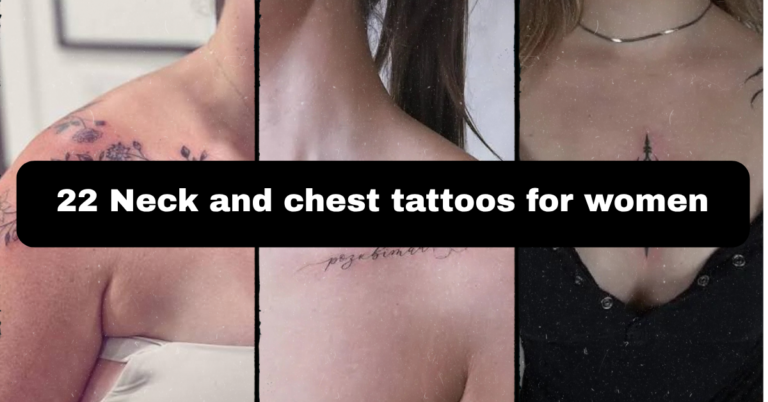
A fine-line constellation uses thin, single-needle dots and connecting strokes to map out a specific star pattern — often tied to a birth month, a loved one, or a meaningful date. The line weight here should stay under 0.3mm to keep the stars looking crisp instead of smeared. This design works beautifully on the forearm, collarbone, or behind the ear, sized around 1.5 to 2.5 inches. Skin with visible texture, like knuckles or elbows, isn’t ideal since fine dots can distort. Healing typically takes 10 to 14 days. Bring your artist an actual star chart from your birth date, not a generic constellation image. Bony areas like the collarbone tend to be more sensitive, so expect a sharper sting there than on fleshier spots. Next up, a design that plays with what’s not inked.
Negative Space Moon Phases
Negative space designs use the untouched skin itself as part of the artwork, and moon phase tattoos are a favorite because the crescents rely on clean curves of bare skin bordered by solid blackwork. This looks sharp on the inner arm, ankle, or ribcage, usually spanning 2 to 4 inches across a row of phases. The trick is contrast — this style shows up more clearly on lighter skin tones, though a skilled blackwork artist can adjust line thickness to keep definition on any tone. Healing runs about two weeks since the solid black sections take slightly longer to settle. Ask your artist to sketch the stencil freehand on your skin first so the curve matches your body’s shape. Ribs are notoriously tender, so brace yourself if you pick that spot. If moons feel too cosmic, the next idea brings things down to something more personal.
Tiny Script Word Tattoo
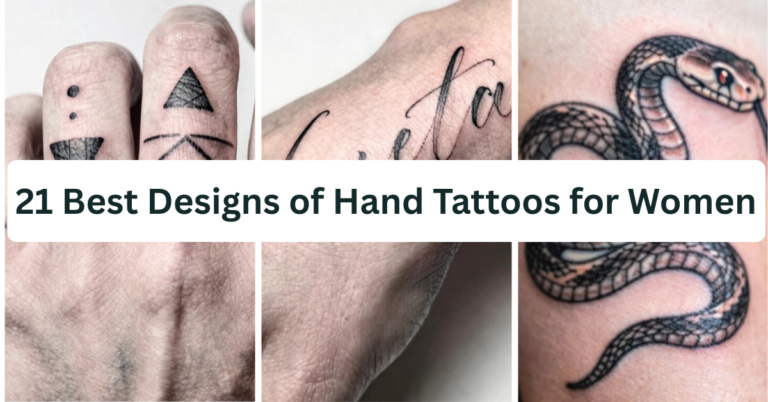
A single word in a delicate script uses fine-line technique with slight variation in stroke thickness to mimic handwriting. Popular choices include a name, a mantra, or a word in another language. Keep it under 3 inches wide and stick to wrists, ribs, or the side of the foot. Cursive script with tiny loops doesn’t age well on textured or frequently-bent skin like fingers — the ink tends to spread slightly over years, blurring thin serifs. Ask your artist whether they recommend a slightly bolder stroke specifically because your placement bends a lot. Wrist tattoos sting more due to thin skin over bone, but healing is quick, around 10 days. This is a favorite first-tattoo choice because it’s low commitment and easy to hide with a sleeve for work. From words, let’s move to symbols with religious or spiritual weight.
Small Blackwork Cross
A small blackwork cross relies on bold, solid lines rather than fine detail, making it one of the more durable tiny tattoo styles since thick blackwork resists fading better than thin lines over the decades. Common sizes run half an inch to 1.5 inches, placed on the wrist, behind the ear, or upper back. Because the design is simple, it’s incredibly beginner-friendly and heals in about two weeks. If you want it to last decades without needing a touch-up, ask your artist to avoid overly thin crossbars — a little extra thickness now prevents a faded, patchy look later. Behind-the-ear placement is discreet for workplaces with strict tattoo policies, though that spot has thin skin and can be surprisingly sharp. Speaking of subtle symbolism, here’s one rooted in nature instead of faith.
Single-Needle Wildflower
This design uses a single needle technique, meaning the artist works with one fine point instead of a grouped needle, producing delicate, almost sketch-like botanical lines. A small wildflower with a thin stem suits the ankle, inner wrist, or shoulder blade, typically 1 to 2 inches tall. Avoid stacking too much shading detail into a design this size, since single-needle work already reads as light and airy. Ask to see healed photos (not just fresh ink) in your artist’s portfolio, since single-needle work can fade faster if the artist doesn’t work at consistent depth. Ankles see a lot of friction from socks and shoes, which can accelerate fading, so factor that into your placement choice. If you love botanical symbolism but want more weight to the design, try the next idea.
Small Dotwork Mandala
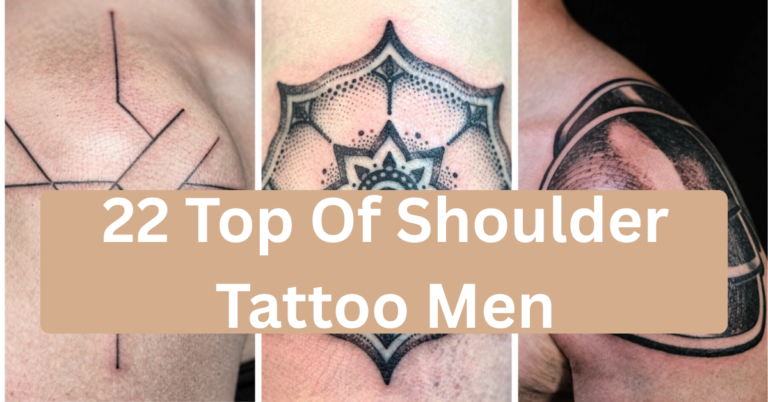
Dotwork uses tiny individual dots, built up in patterns, to create texture and shading without solid lines. A mini mandala using this technique can look intricate even at 2 inches, especially on the wrist, spine, or back of the neck. Because dotwork requires precise spacing, a shaky or rushed artist can turn a clean pattern into a smudged mess — this is a technique where portfolio review really matters. Ask specifically how many dotwork pieces they’ve done at this small a scale, since dotwork shrinks less gracefully than plain linework. Healing takes about two weeks, and the spine/neck area has thinner skin, so expect more sensitivity there. This design ages well if done with consistent dot density, unlike sloppy versions that blur into gray patches after a few years. Now let’s talk about a classic minimalist icon.
Minimalist Heart Outline
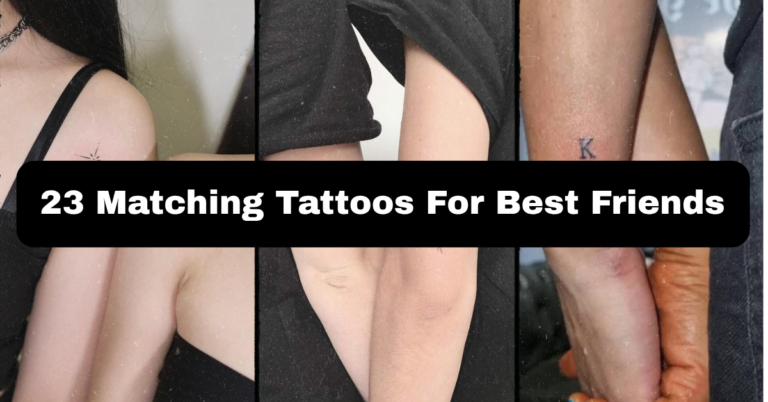
Nothing new conceptually, but the execution matters — a minimalist heart outline uses a single continuous fine line, no shading, no fill, just a clean geometric shape. It’s ideal for matching tattoos among friends or family since it’s simple enough to replicate identically across different people’s skin. Best placed on the finger, wrist, or behind the ear at under an inch. Simple line work like this ages better than shaded designs at tiny sizes because there’s less ink to blur or fade unevenly. Bring a printed reference with exact proportions if you want your matching set to look identical — free-handing it can lead to noticeable size differences between friends. Finger placement heals slower, often three weeks, due to constant hand movement and washing. Let’s shift to something with a more personal, symbolic root.
Tiny Roman Numeral Date
Roman numerals in fine-line script mark a birth date, anniversary, or meaningful day using clean vertical and horizontal strokes. This works well vertically along the ribs, forearm, or spine, typically under 2 inches long. Numerals are more forgiving than script text since there are fewer curves to blur, making this a solid choice for a first tattoo. Double-check your numeral conversion before your appointment — this is one of the most common tiny tattoo mistakes, and it’s permanent once inked. Rib placement is one of the more painful spots due to thin skin over bone, so mentally prepare for that session. Numerals hold up well over 10+ years if the line weight is consistent throughout. Next, an icon with global, cross-cultural meaning.
Small Lotus Flower
A lotus in fine-line or light blackwork style symbolizes growth and resilience across several cultures, and its layered petals give an artist room to play with subtle negative space between each layer. Best kept to 1.5–2.5 inches on the ankle, shoulder, or lower back. If you want the petals to stay crisp instead of merging into a blob, ask your artist to slightly increase spacing between petal lines — a common fix for tiny floral designs. Lower back healing runs about two weeks, and this spot is moderately sensitive but generally tolerable. This design suits both first-timers and people adding onto an existing small-tattoo collection. From florals, here’s a design rooted in the ocean.
Tiny Wave Line Tattoo
A single wavy line, sometimes doubled, represents water, calm, or a connection to the ocean. It’s about as minimal as tattoos get — one continuous fine line, no shading, often under an inch. This suits the wrist, finger, or ankle and is extremely quick to tattoo, often under 15 minutes, which also keeps cost low. Ask your artist to slightly vary the wave’s amplitude by hand instead of using a perfectly symmetrical stencil — it reads as more natural and less clip-art. Pain is minimal given the short session time. This design is popular for matching sibling or friend sets since it’s easy to replicate consistently. Let’s move to a bolder animal symbol.
Small Blackwork Wolf Silhouette
A wolf silhouette in solid blackwork uses bold negative space to define the ears, snout, and outline rather than internal detail. Best at 2 to 3 inches on the forearm or calf, this design holds up remarkably well over decades because solid black blocks resist the fading that plagues fine detail. Ask your artist to slightly thicken the outline at the edges specifically for longevity, since thin edges on solid shapes are the first part to blur with age. Calf placement is fairly low on the pain scale for most people. This design suits those wanting visible symbolism without needing constant touch-ups. Here’s a quieter option next.
Fine-Line Feather
A single feather in fine-line style uses delicate, slightly curved strokes to mimic individual barbs, often symbolizing freedom or remembrance. Ideal at 1.5–2 inches on the collarbone, ribs, or behind the shoulder. Because the barbs are thin and closely spaced, ask your artist about needle grouping — a liner needle with fewer points keeps the barbs distinct instead of merging after a few years. Collarbone sessions tend to sting due to the bone right under the skin. This is a common memorial tattoo choice and ages decently if the artist avoids overly tight spacing. Next, a design for the science-minded.
Tiny Sound Wave Tattoo
This design turns an actual voice memo, heartbeat recording, or song clip into a printed waveform, then tattoos it in fine, evenly spaced vertical lines. Best on the forearm or ribs at 2–4 inches wide. Bring the actual audio file’s waveform image to your consultation — artists can trace real audio data instead of guessing at spacing. This is one of the more literal “meaning” tattoos since it’s tied to a specific real sound. Forearm placement is relatively low-pain and heals in about 10 days. It’s a great conversation piece without shouting for attention. Moving on to a celestial classic.
Small Sun and Moon Duo
Placed as a matching pair — often one on each wrist or one per person in a duo tattoo — this design balances a simple sun (dot with radiating lines) against a crescent moon in fine-line or light blackwork. Keep each element under an inch for clean proportions. This is a favorite for couples or best friends wanting a matching set without matching entire sentences. Ask your artist to slightly offset the sun’s rays in length — uniform rays can look stiff at this scale. Wrist placement stings due to thin skin, but heals within two weeks. Next, an insect symbol with more depth than people expect.
Small Dotwork Bee
A bee rendered in dotwork uses shading built from dot density to suggest the wings and body without a single solid fill. This is trickier than it looks — the wings need lighter dot density than the body to create contrast. Size around 1.5 to 2 inches, placed on the shoulder or ankle. Ask to see your artist’s dotwork healed (not just fresh) since uneven dot spacing is one of the more common tiny-tattoo mistakes and shows up clearly after healing. This symbolizes community, hard work, or personal resilience depending on the wearer. Shoulder placement is generally low-pain. From insects, here’s a botanical alternative with sharper lines.
Tiny Arrow Tattoo
An arrow in fine-line style, sometimes broken in the middle, symbolizes moving forward despite setbacks. Simple geometry means this design ages exceptionally well — straight lines blur less than curves. Best under 2 inches on the forearm, ankle, or spine. Ask your artist to keep the arrowhead slightly bolder than the shaft; it helps the shape stay legible as lines soften slightly with age over the years. Spine placement is one of the more sensitive areas due to thin skin over vertebrae. Great first-tattoo option given its simplicity and short session time.
Small Fine-Line Bird in Flight
A single bird, wings spread, in one continuous fine line represents freedom or a loved one who’s passed. Best at 1–2 inches on the collarbone, ribs, or ankle. Because it’s one unbroken line, ask your artist about consistent needle depth — inconsistent depth is what causes patchy fading in line-only designs. This suits workplaces with visible-tattoo restrictions since it hides easily under a sleeve. Collarbone sessions run moderate on the pain scale.
Tiny Anchor Tattoo
A small anchor in bold blackwork symbolizes stability, often chosen after a major life change. Solid linework at this size holds up well long-term. Best at 1.5 inches on the wrist or calf. Ask your artist to avoid overly fine rope detailing on the anchor’s crossbar — too much tiny detail on a small anchor tends to blur within a few years.
Small Semicolon Tattoo
A widely recognized mental health awareness symbol, done in fine-line or bold blackwork, usually under an inch on the wrist or behind the ear. Keep the curve of the semicolon smooth — a shaky freehand curve is one of the most noticeable flaws in a design this simple. Wrist placement stings but heals fast.
Tiny Compass Rose
A simplified compass with four to eight points in fine-line style, symbolizing guidance or travel. Best at 2 inches on the forearm or shoulder. Ask your artist to keep point lengths even — asymmetry is more noticeable in geometric designs than organic ones like flowers.
Small Infinity Symbol With Names
An infinity loop incorporating tiny initials or a name within the line, done in fine-line script. Best under 2 inches on the wrist or ribcage. Bring a written example of exactly how you want the name integrated — this avoids miscommunication about placement within the loop.
Tiny Mountain Range Silhouette
A row of simple mountain peaks in solid blackwork, symbolizing challenges overcome. Best at 1.5–2.5 inches on the forearm or ankle. Bold, simple shapes like this resist fading better than fine detail, making it a solid long-term choice.
Small Fine-Line Butterfly
A butterfly using thin, symmetrical wing outlines with minimal or no internal shading, symbolizing transformation. Best at 1.5 to 2 inches on the shoulder, ankle, or wrist. Ask your artist to keep both wings visually balanced — asymmetry is more obvious in symmetrical creatures than in abstract shapes.
Definition List: Fine Line vs. Blackwork vs. Dotwork
- Fine line: Created with a single, thin needle for delicate, low-saturation strokes. Best for minimalist, sketch-style designs but softens faster over time than bolder styles.
- Blackwork: Uses solid, saturated black fill and bold outlines. Holds up longer on skin because there’s more ink deposited per area.
- Dotwork: Built from individual dots to create shading or texture without solid lines or fill. Requires a highly precise, steady-handed artist since uneven spacing is visible after healing.
Best Placement Ideas
- Wrist: highly visible, moderate pain due to thin skin over bone, easy to conceal with a watch or sleeve
- Behind the ear: very discreet, thin skin means sharper pain, harder for the artist to see clearly while working
- Ankle: low visibility in most workplaces, moderate pain, higher fading risk from sock/shoe friction
- Ribs: easy to hide, notably more painful due to bone proximity, longer healing due to clothing friction
- Collarbone: semi-visible, sharp pain due to bone, heals relatively fast
- Forearm: easy for the artist to work on, moderate pain, simple to show or hide with sleeves
Tips for Success
Choose an artist whose portfolio shows multiple healed photos of small-scale work, not just fresh ink — fresh tattoos always look sharper than they will in six months. Book a consultation and bring reference images plus a rough size in inches, not just “small.” Ask directly about needle type for fine detail work, and don’t be afraid to ask how many similarly-sized pieces they’ve completed. A specialist in fine-line or dotwork work will usually have a dedicated section of their portfolio for it — if they don’t, that’s worth asking about directly.
Common Mistakes and How to Avoid Them
- Sizing a highly detailed design too small, causing lines to merge within a couple of years
- Choosing a bendy, high-friction placement (fingers, inner elbow) for delicate linework that needs stability to age well
- Skipping the artist’s specific aftercare sheet in favor of generic internet advice
- Copying a design exactly from a photo without adjusting proportions for your own skin and body shape
- Not asking about touch-up policy before booking, then being surprised by extra costs later
Similar Variations
Nearly every design above can be resized up for more detail room, rendered in a different technique (a fine-line flower can become a dotwork or blackwork version), or combined into a small cluster instead of a standalone piece. Matching sets often use the same design in different fine-line weights to distinguish individuals while keeping the shared symbolism.
Aftercare Basics
General dermatological consensus recommends keeping a new tattoo clean, moisturized, and out of direct sun during healing. Avoid soaking it in pools or baths until fully healed, and don’t pick at any peeling skin. Always follow the specific aftercare sheet your artist provides, since products and timelines can vary slightly by studio. If you notice unusual redness, swelling, or discharge beyond normal healing, consult a licensed dermatologist or your artist promptly.
Quick FAQ
How much do tiny tattoos with meaning usually cost?
Most small designs range from $50 to $200 depending on detail level, studio location, and whether it’s a flash design (pre-drawn) versus a fully custom piece.
Do tiny tattoos hurt less than big ones?
Session length is shorter, which helps, but pain depends more on placement than size — bony, thin-skin areas hurt more regardless of how small the design is.
How long does healing take?
Most small tattoos heal within 10 to 14 days on the surface, though full healing underneath can take up to a month. This varies by individual.
Will a tiny tattoo fade faster than a bigger one?
Fine-line and dotwork styles at small sizes tend to soften sooner than bold blackwork, simply because there’s less ink saturation to begin with.
Pain tolerance, healing speed, and how ink settles long-term vary from person to person, so it’s worth a real conversation with a licensed, experienced artist before you commit to a placement or style.
Finding the right tiny tattoo isn’t about scrolling until something looks cute — it’s about matching the technique, placement, and size to a story that actually matters to you. Whether you land on fine-line constellations or a bold blackwork wolf, the goal is a design that still makes sense to you a decade from now. That’s really what good tiny tattoo ideas with meaning are all about.