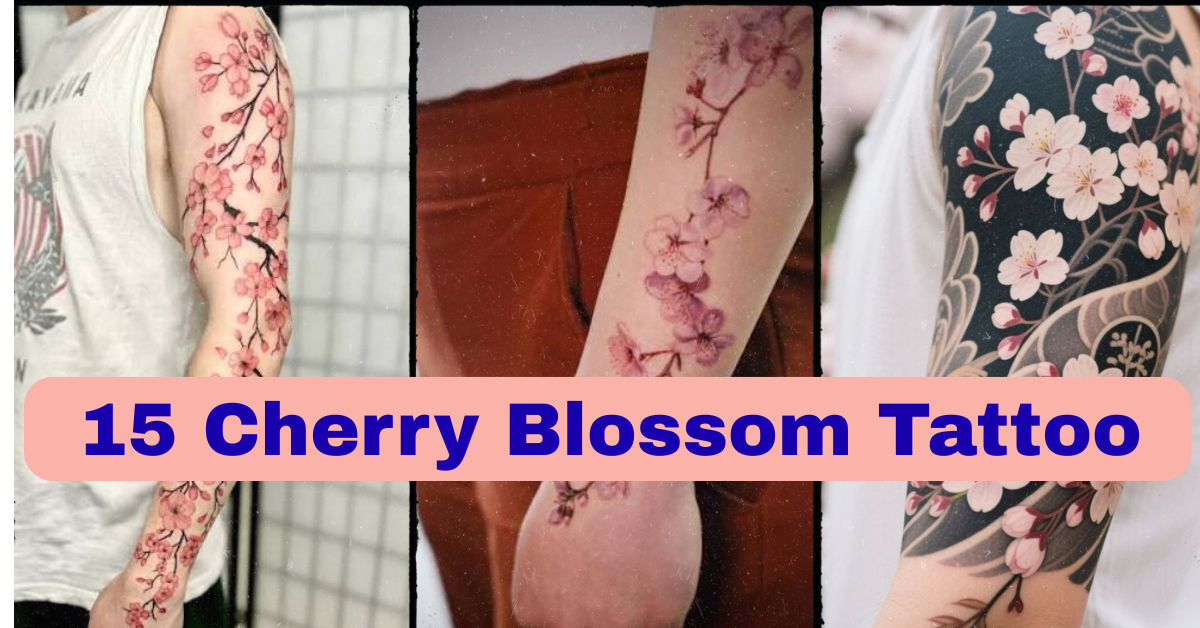
15 Cherry Blossom Tattoo Ideas That Actually Hold Up on Skin
Nervous about picking a cherry blossom tattoo design you might regret in a few years? You’re not alone, and honestly, that hesitation is a good sign — it means you’re thinking past the Pinterest board and into real life.
So what are the best cherry blossom tattoo ideas? Fine-line branches, blackwork silhouettes, dotwork clusters, and negative-space petals all work well because cherry blossoms have simple, recognizable shapes that translate cleanly into almost any tattoo technique. The key is matching the style to your skin tone, pain tolerance, and how much detail you want to still see clearly in ten years.
Stick around, because I’m going to walk you through placement tradeoffs, what these designs actually feel like to sit through, rough cost ranges, how to brief your artist so you don’t end up with a design that ages badly, and the mistakes I see people make over and over at the shop.
Why Cherry Blossom Designs Work So Well as Tattoos
Cherry blossoms have been a tattoo staple for decades, and it’s not just because they’re pretty. The flower’s five-petal structure and short blooming season carry built-in symbolism — beauty, change, and the idea that nothing lasts forever, which resonates with people marking a transition in their life. Technically, the shape is forgiving. A single blossom is basically five simple curves, which means it can be rendered in fine line, bold traditional linework, or loose watercolor without losing its identity. That versatility is why you’ll see it done as a tiny wrist tattoo and as a full sleeve with equal success.
1. Fine-Line Single Branch Cherry Blossom
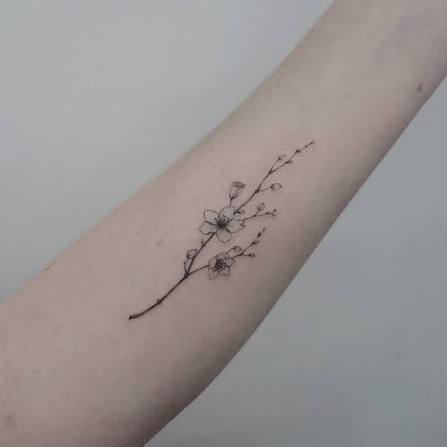
This is the design most first-timers gravitate toward. A single branch with three to five blossoms is rendered in thin, consistent linework — usually done with a single needle for crisp, delicate detail. There’s little to no shading, just clean outlines and maybe a few dot accents for texture. It works beautifully on the forearm, ankle, or collarbone, and looks best kept between two and five inches so the linework doesn’t blur as it settles into skin. Fine line tends to soften slightly over 10+ years, so ask your artist about slightly thicker line weight than you think you want. Pain-wise, fleshier placements like the outer forearm are more tolerable than bony spots like the ankle. It’s office-friendly, low commitment, and a solid first tattoo. From here, some people build outward into a fuller branch.
2. Watercolor Cherry Blossom Wash
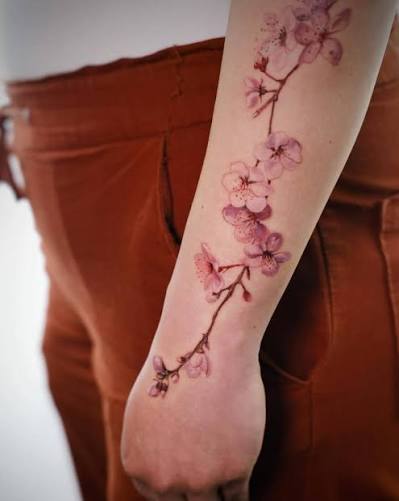
Watercolor-style cherry blossoms use soft color blending — usually pinks, corals, and light purples — layered behind or around solid linework to mimic a painted look. There’s no black outline holding the color in, which gives it a loose, artistic feel, but also means it needs a skilled colorist who understands saturation and pigment behavior under skin. Best placed on the shoulder, upper back, or thigh where there’s room for the color to breathe. Expect a longer healing time, around three to four weeks, since color work irritates skin more than simple linework. Bring high-resolution reference images, not just a single blurry Pinterest screenshot. Watercolor tattoos also fade faster than solid black work, so budget for a touch-up around the five-year mark. It’s a bolder statement piece, less workplace-subtle, more of a personal art collection choice.
3. Blackwork Cherry Blossom Silhouette
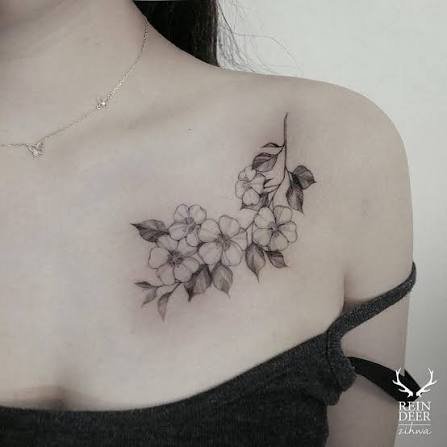
Blackwork strips the flower down to solid black shapes — no color, no fine detail, just bold negative space and confident silhouettes. This ages remarkably well because solid black holds its saturation longer than fine lines or color. It reads well from a distance, making it a strong choice for the upper arm, calf, or side of the ribs. Because the ink coverage is dense, healing takes about two to three weeks with more noticeable scabbing than lighter styles. Ask your artist about their approach to negative space — the untouched skin between petals is what gives the design its shape, so precision matters more than you’d think. Rib and sternum placements are notably more painful due to thin skin over bone. This style suits people who want a graphic, tattoo-forward look rather than something delicate.
4. Dotwork Cherry Blossom Cluster
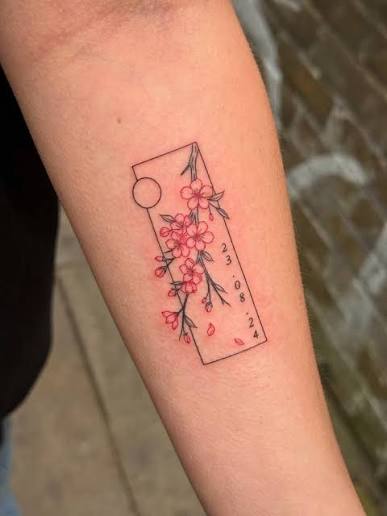
Dotwork builds the entire image out of tiny individual dots instead of solid lines or fills, creating a soft, textured gradient effect. For cherry blossoms, this often means shading the petals with dot density instead of solid black, giving a stippled, almost sketch-like appearance. It’s a slower, more meticulous technique, so expect a longer session and a higher price for the same size compared to simple linework. Great for the shoulder blade or upper thigh where there’s flat space for the dot pattern to sit evenly. Healing runs similar to fine line, about two weeks, though dotwork can look slightly patchy mid-heal before settling. Ask specifically for “dotwork shading” in your consultation so the artist doesn’t default to traditional gray-wash shading instead. This technique rewards patience and suits someone who wants texture without full color saturation.
5. Negative Space Cherry Blossom
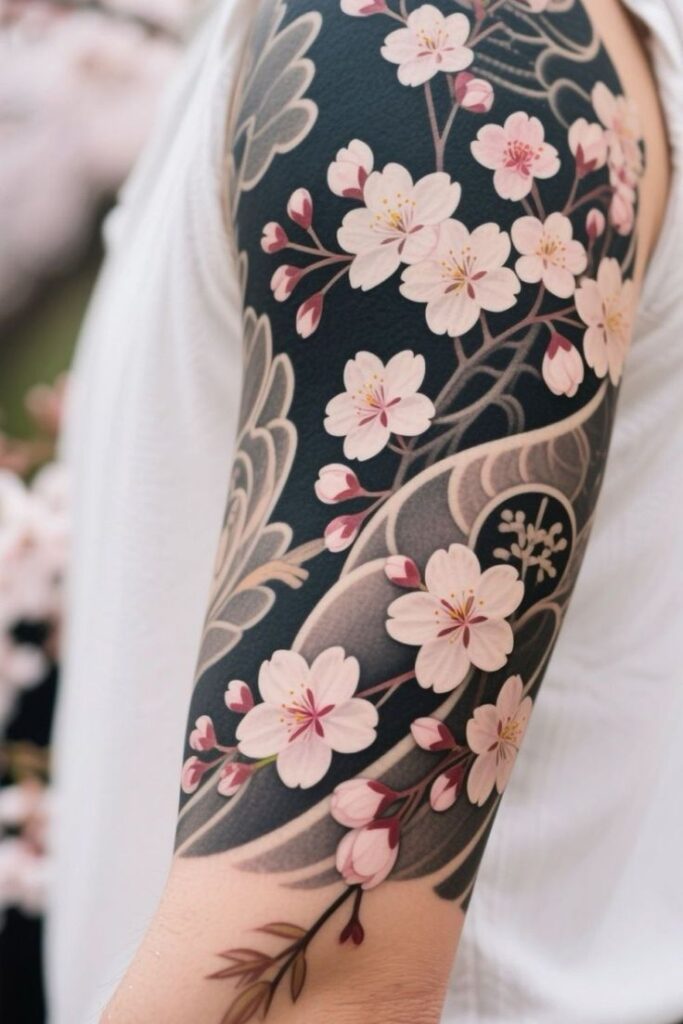
Negative space designs use the untouched, natural skin tone as part of the image instead of filling every shape with ink. A cherry blossom done this way might have solid black background with pale, unshaded petal outlines cut out of it — a striking reversal of the usual approach. This works best on lighter, evenly-toned skin since contrast is everything here; darker skin tones can absolutely do it, but the artist needs real experience adjusting negative space work for deeper pigment. Good placements include the forearm and calf, sized at least four inches so the cut-out detail doesn’t muddy. Healing takes two to three weeks, similar to blackwork. This is a striking option if you want something that doesn’t look like everyone else’s flower tattoo.
6. Full Sleeve Cherry Blossom Tree
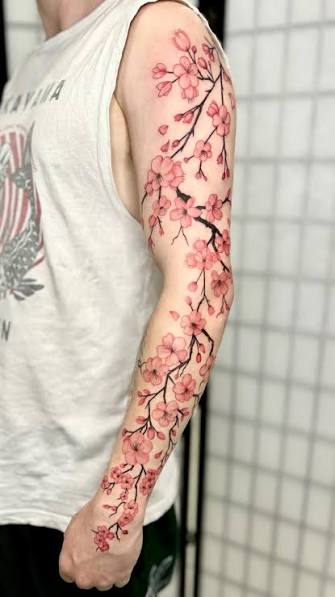
A full sleeve treatment turns the cherry blossom into a sprawling tree with a trunk, branches, and dozens of blossoms in varying shading depths — some solid, some dotwork, some fine line accents for smaller buds. This is a serious, multi-session commitment, often five to fifteen hours total, done across several appointments. It suits the upper arm down to the elbow or wrist, depending on how far you want it to run. Because of the size and shading variety, healing is done in stages, and total settling can take a full month or more. Bring a full mood board covering line weight, color (if any), and specific branch flow you like, since this is 100% custom work, not a flash design. Sleeves are the least workplace-subtle option on this list, so think about dress code before booking. It’s a strong choice if you want a centerpiece tattoo rather than an accent piece.
7. Minimalist Single Petal Tattoo
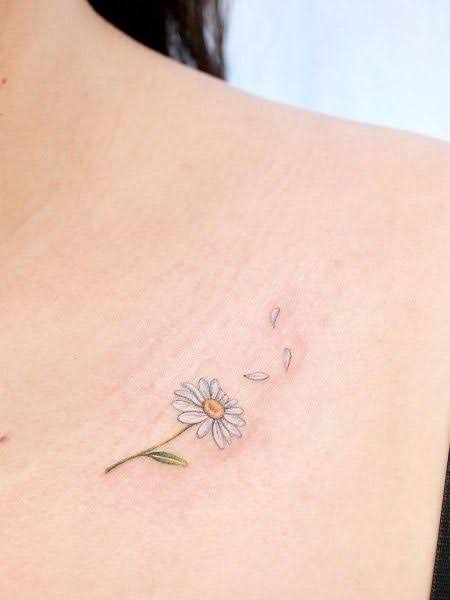
Sometimes less really is more. A single falling petal, no bigger than a fingernail, done in fine line with zero shading, is about as low-commitment as tattoos get. It’s usually placed behind the ear, on the finger, or at the nape of the neck. Because it’s so small, detail can blur within a few years, so ask your artist to keep the line weight slightly thicker than a typical fine-line piece to preserve legibility long-term. Pain is minimal on fleshier spots but sharper behind the ear or on fingers due to thin skin and less padding. Healing is quick, often under two weeks. This is a favorite for people wanting a subtle, easily hidden tattoo, and it’s an easy addition to a matching tattoo pact with a friend.
8. Cherry Blossom and Koi Fish Combo
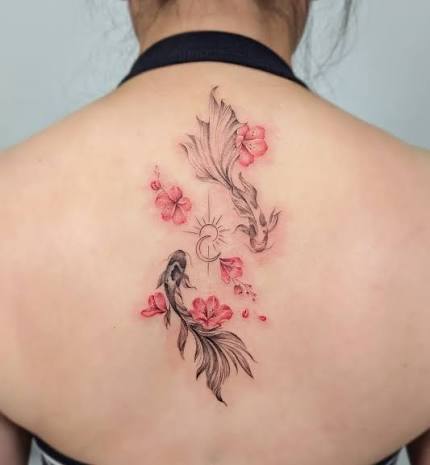
Pairing a cherry blossom branch with a koi fish is a classic Japanese-inspired combination, typically done in a bold traditional style with thick outlines, solid color fills, and defined shading for scale texture and petal depth. This piece needs real space — think forearm, thigh, or back panel — starting around six inches to let both elements read clearly. Because of the color saturation and detail level, healing runs three to four weeks, and touch-ups every several years help keep colors vibrant as skin ages and sun exposure fades pigment. Ask your artist about their traditional Japanese portfolio specifically, since this style has its own compositional rules around flow and negative space. It’s a bigger financial and time investment, but it delivers serious visual impact and symbolic weight, combining resilience with beauty.
9. Cherry Blossom Branch Wrapping the Wrist or Ankle
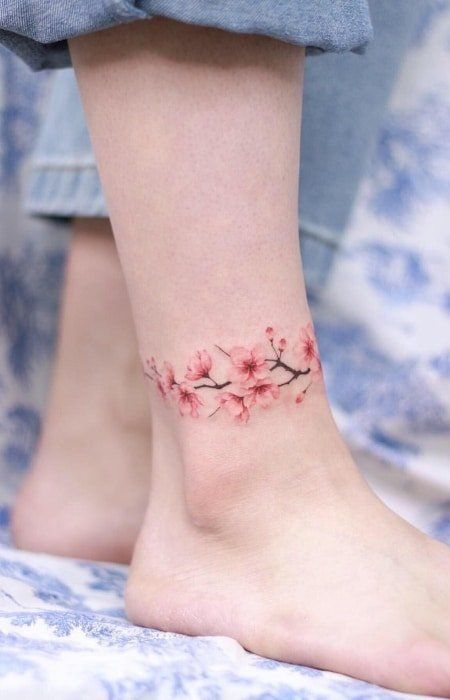
A branch that wraps partially or fully around the wrist or ankle uses the body’s natural curve to create movement, usually in fine line or light dotwork. This placement is popular but comes with a caveat: wrist and ankle skin sees more friction from clothing and movement, which can accelerate fading compared to flatter areas like the shoulder. Keep the design under three inches wide so it doesn’t look cramped as it wraps. Healing typically takes two weeks, though ankle placements can take slightly longer due to lower circulation and more friction from socks and shoes. Bony areas like these tend to be more sensitive during the session, so mentally prepare for a sharper sensation than fleshier spots. It’s a great matching-tattoo option since it’s easy to keep consistent in size between two people.
10. Falling Petals Trail
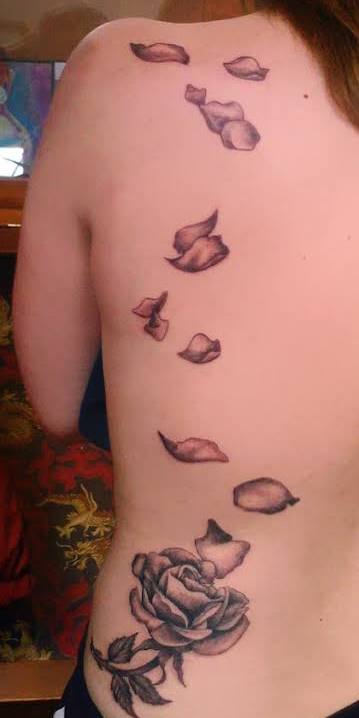
Instead of a full branch, this design scatters three to six individual petals in a diagonal trail, usually fine line with small dot accents for texture, no heavy shading. It plays with negative space by leaving gaps between petals rather than clustering them. This works well along the collarbone, down the side of the ribs, or trailing along the spine. Because it’s spread across a larger area with small individual elements, ask your artist about consistent spacing during the stencil stage — uneven gaps are one of the more common complaints with scattered designs. Rib and spine placements rate higher on the pain scale due to thin skin over bone. Healing is usually under two weeks per petal cluster if done in one sitting. This design suits people who want something interpretive rather than a literal flower shape.
11. Cherry Blossom With Japanese Calligraphy
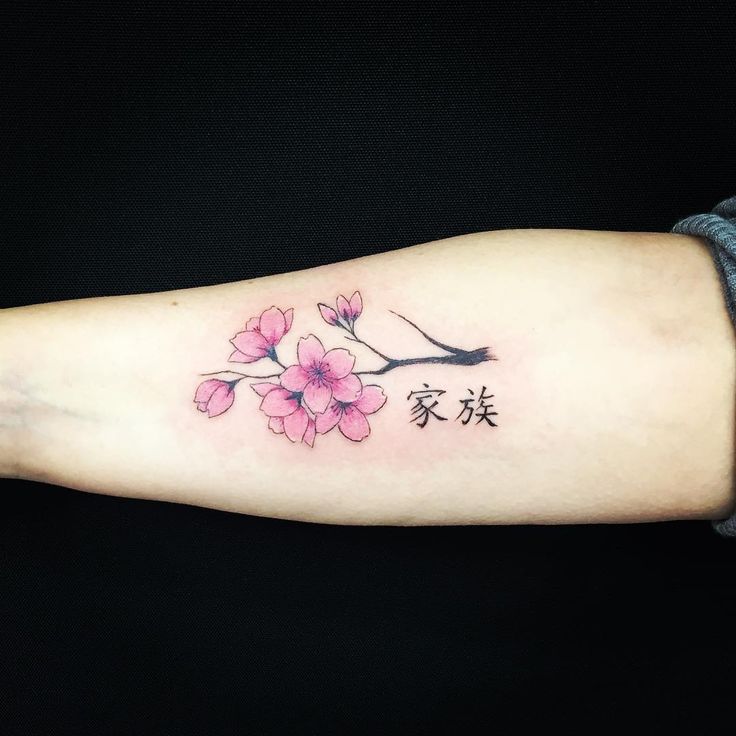
Combining a blossom with a kanji character or short phrase adds a personal, symbolic layer, typically rendered in bold blackwork for the script and fine line or light shading for the flower. Placement matters a lot here — vertical space like the spine or forearm suits vertical script, while a horizontal placement like the collarbone needs a redesigned layout. A critical tip: work with an artist who can verify translation accuracy or consult a native speaker, since mistranslated or oddly-phrased script tattoos are a well-known regret category. Healing takes about two to three weeks depending on shading depth. Pain varies by placement, but spine and sternum rate higher. This design suits someone looking for a meaningful, story-driven piece rather than a purely decorative one.
12. Cherry Blossom Behind-the-Ear Micro Tattoo
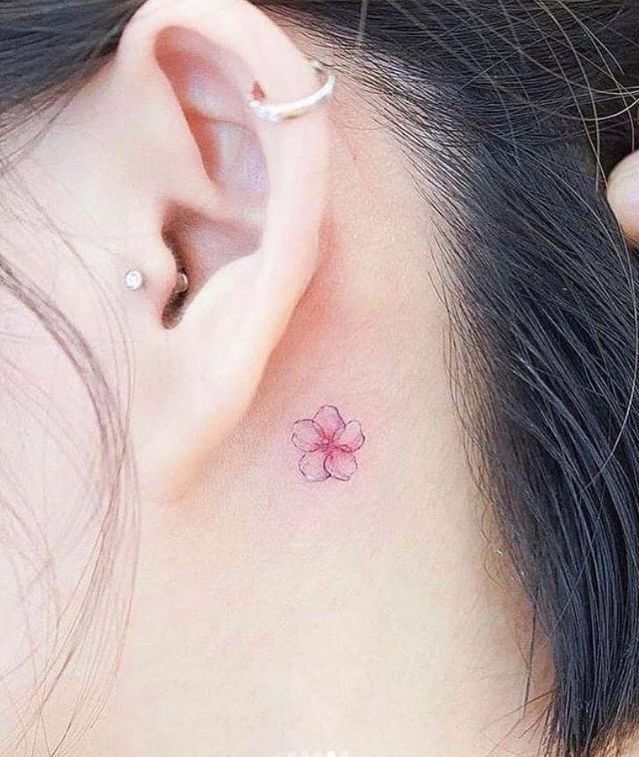
A tiny, single-blossom design behind the ear is about as discreet as tattoos get, usually done in fine line with a single needle for maximum precision at small scale. Because the skin here is thin and close to cartilage, this placement rates as more sensitive than most, and sessions are quick, often under twenty minutes. Keep the design under an inch to avoid overcrowding the space. Healing takes one to two weeks, and hair can occasionally get in the way of aftercare, so ask your artist about keeping hair pulled back during initial healing. This is an easy-to-hide option for workplaces with strict visible-tattoo policies, and a popular pick for first tattoos or subtle matching designs among friends.
13. Bold Traditional Neo-Japanese Cherry Blossom
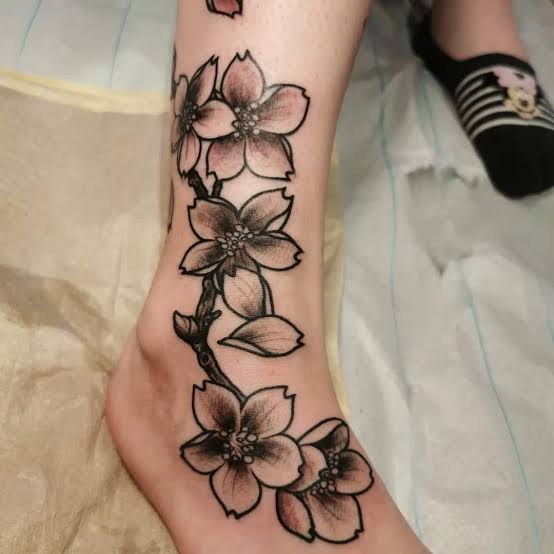
This style leans into thick, confident outlines, solid color fills in deep pink and red tones, and heavier black shading for depth — closer to classic American traditional but styled with Japanese floral motifs. It holds up exceptionally well over decades because bold lines and solid saturation resist the blurring that fine line experiences with age. Best suited to larger canvases: upper arm, thigh, or back. Expect a longer healing window, close to a month, given the ink density. This is a great option if you’re worried about longevity and don’t mind a bolder, less delicate look. Ask to see healed photos, not just fresh ink, in your artist’s portfolio to judge how their traditional work actually settles.
14. Cherry Blossom Rib Cage Cascade
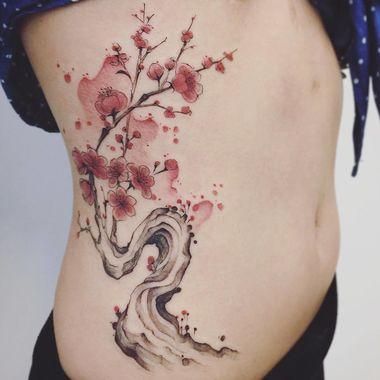
A cascading cluster of blossoms flowing down the rib cage combines fine line branches with dotwork shading for a layered, three-dimensional look. Ribs are consistently ranked among the more painful placements due to thin skin, close bone, and the stretching sensation with each breath. Sessions are often broken into shorter sittings for this reason. Size-wise, four to eight inches gives enough room for the cascade effect without cramming petals. Healing takes around three weeks, and clothing friction can complicate the process, so loose, breathable clothing is worth planning ahead for. This placement suits people prioritizing a private, easily-covered piece with real visual complexity for when it is shown.
15. Matching Cherry Blossom Tattoos for Friends or Family
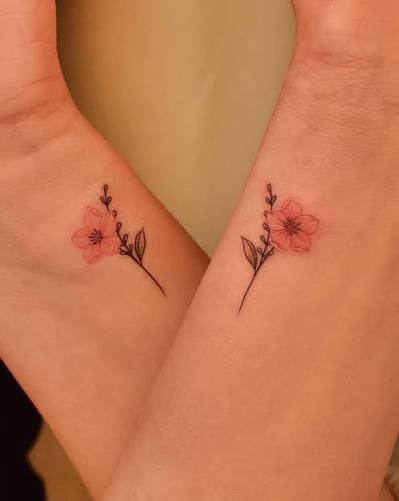
Matching tattoos work best when each person gets a slightly varied piece from the same base design — say, one full branch and one single blossom — done in the same fine-line or dotwork style for visual consistency. Small placements like the wrist, ankle, or finger keep cost and pain manageable for a group booking. Bring one unified reference image to the consultation so the artist can adapt scale per person while keeping line weight and style matched. Healing time lines up with whatever technique is chosen, generally one to three weeks. This is a low-pressure way to mark a shared bond without needing to agree on a huge, permanent design.
Best Placement Ideas
- Wrist or ankle — highly visible, moderate pain, faster fading due to friction
- Behind the ear — very discreet, higher pain due to thin skin, minimal maintenance
- Forearm — easy to show or cover, moderate pain, ages well long-term
- Ribs or sternum — private placement, notably higher pain, longer healing due to clothing contact
- Shoulder or upper back — great for larger pieces, moderate pain, holds detail well over time
- Thigh or calf — flexible sizing, lower pain on fleshier areas, good for bold color work
Tips for Success
Look for an artist whose portfolio shows healed photos, not just fresh ink — swelling and initial vibrancy hide a lot of flaws that show up weeks later. Ask directly about their experience with the specific technique you want, whether that’s fine line, dotwork, or bold traditional, since these require different needle setups and hand control. Bring reference images that show line weight and shading style you like, not just the subject matter. A short consultation before booking, even for a walk-in flash piece, helps confirm the artist understands your vision and can advise honestly on sizing for your chosen placement.
Common Mistakes and How to Avoid Them
- Going too small for the detail level — fine dotwork or multi-petal clusters need enough space to stay legible as they age
- Ignoring how the placement affects the design’s flow — a design built for a flat back doesn’t automatically work wrapped around a wrist
- Skipping the aftercare instructions — general aftercare habits affect how well the finished tattoo settles
- Copying a design exactly from social media — small personal tweaks make it yours and avoid the “I’ve seen this exact tattoo before” feeling
- Choosing an artist based on price alone rather than portfolio fit for this specific style
Similar Variations
Nearly every design above can be resized down for a minimalist version or scaled up into a full panel piece. Fine-line branches can gain color for a softer, painted feel, or lose color entirely for a stark blackwork version. Dotwork shading can be swapped for smooth gradient shading if you prefer a less textured look. Combining two ideas — say, a falling petal trail with a small kanji accent — is common and gives a more personal result than a single flash design pulled straight from a shop wall.
Aftercare Basics
General tattoo aftercare typically involves keeping the area clean, avoiding sun exposure and swimming while healing, and using a fragrance-free moisturizer as recommended by your artist. Healing time and skin reaction vary from person to person, so always follow the specific aftercare sheet your artist provides rather than generic advice found online. If you notice unusual redness, swelling, or irritation beyond normal healing, consult a licensed dermatologist or your artist promptly.
Quick FAQ
How much does a cherry blossom tattoo cost?
Small fine-line pieces often start around $80–$200, while larger custom work like sleeves or rib cascades can run several hundred to over a thousand dollars depending on size, color, and session count.
Do cherry blossom tattoos hurt a lot?
Pain varies by placement and individual tolerance — fleshier areas like the forearm or thigh are generally more comfortable than bony spots like the ribs, wrist, or behind the ear.
How long does healing take?
Simple fine-line designs often heal within one to two weeks, while larger color or dotwork pieces can take three to four weeks to fully settle.
Will the design fade or blur over time?
All tattoos soften somewhat with age and sun exposure; bold linework and solid blackwork tend to hold their shape longer than very fine, delicate lines.
Cherry blossom tattoos remain popular for good reason — the shape adapts to almost any technique, size, or placement without losing its meaning. Whatever direction you choose, take the time to find an artist whose portfolio matches the specific style you want, ask real questions at your consultation, and treat aftercare seriously so your cherry blossom tattoo looks as good in ten years as it does the day you get it.