21 Pen Tattoo Ideas Doodles On Hand: A Practical Guide Before You Book
Nervous about walking into a studio with nothing but a vague idea and a Pinterest folder? You’re not alone, and honestly, that’s a smart place to start being careful. This guide breaks down real pen tattoo ideas doodles on hand designs with the technical details, placement advice, and honest tradeoffs that most roundup articles skip entirely.
So what are the best pen tattoo ideas doodles on hand? Fine-line doodles like tiny stars, squiggles, smiley faces, and single-line flowers work best on the hand because they use minimal shading and thin needles, which age more predictably on a high-movement area. Simple, uncluttered linework also holds up better than dense shading when skin stretches and sheds over the years.
Beyond the 21 ideas themselves, I’ll walk you through where these designs age well versus where they blur, what pain level to expect on different parts of the hand, roughly what you’ll pay, and how to brief an artist so you don’t end up with a stencil that looked great on paper but wrong on skin.
Why Doodle-Style Hand Tattoos Work So Well
Hand tattoos have a reputation for being risky, and that reputation is partly earned — hands see constant sun, soap, friction, and stretching. But that’s exactly why the doodle aesthetic fits so well here. Doodle tattoos lean on single needle work, light line weight, and minimal or no shading, which means there’s less ink sitting in the skin to blur or migrate over time. A thick, heavily shaded traditional piece might struggle on the hand’s thin skin, but a quick pen-style sketch of a star or a wave reads clearly for years. This category also suits people who want something personal-looking, almost like they doodled it themselves during a boring class, rather than something that screams “flash tattoo off the wall.”
Fine-Line Wave Doodle
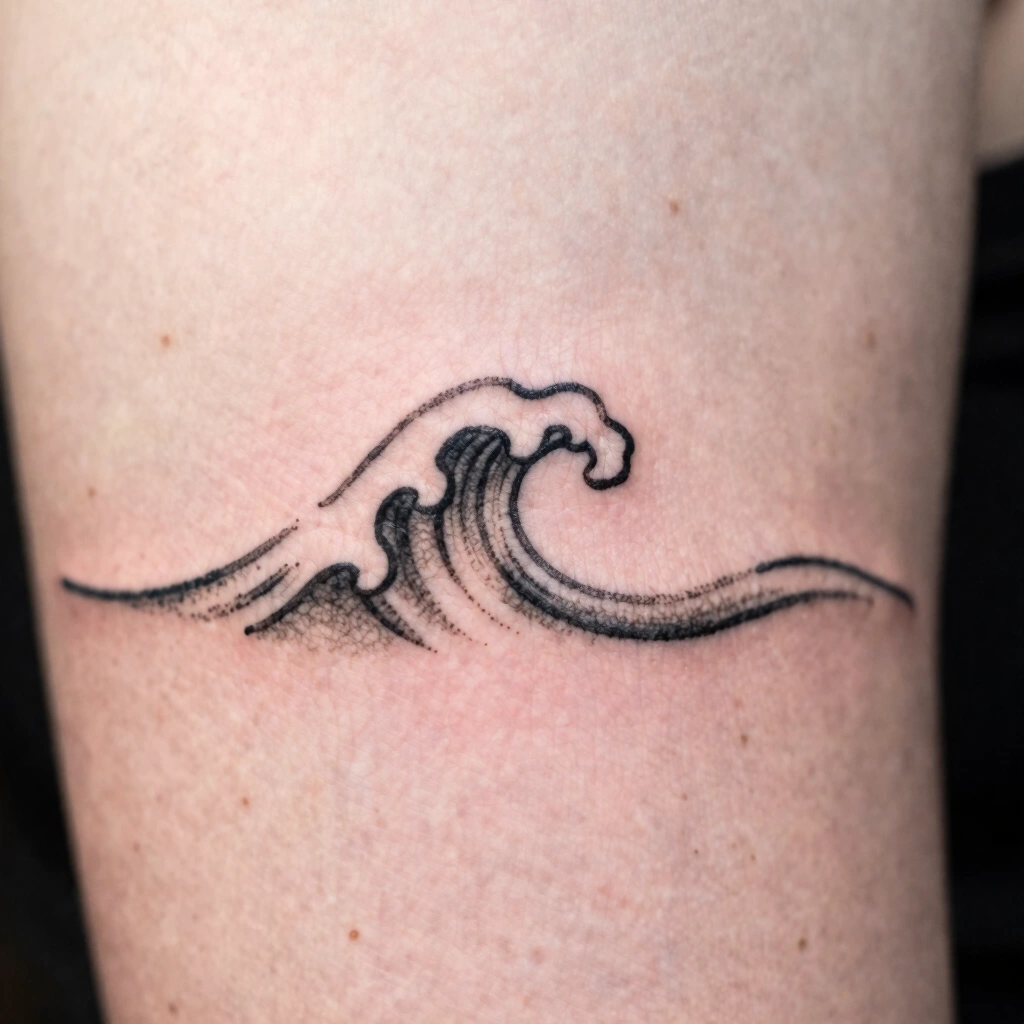
A simple wave doodle — the kind you’d absentmindedly sketch in a notebook margin — translates beautifully into a fine-line tattoo. The artist uses a single continuous stroke, usually with a 3RL or similar thin needle, keeping the line weight consistent throughout so it doesn’t look shaky once healed. There’s no shading here; the appeal is entirely in the clean, confident curve.
This works great along the side of the hand or wrapping around a finger. Keep it under two inches so the line stays crisp instead of stretching into a blur. Bony areas like the side of the hand and finger joints tend to be more sensitive, so expect a sharper pinch than you’d get on the forearm. Healing typically runs 10-14 days for a design this small. It’s a solid first-tattoo option since it’s low commitment, and it photographs well for matching friend tattoos.
Bring a hand-drawn reference rather than a printed font so
the artist can match your natural line quality.
Next, let’s look at a design that plays with negative space instead of just line weight.
Single-Needle Star Cluster
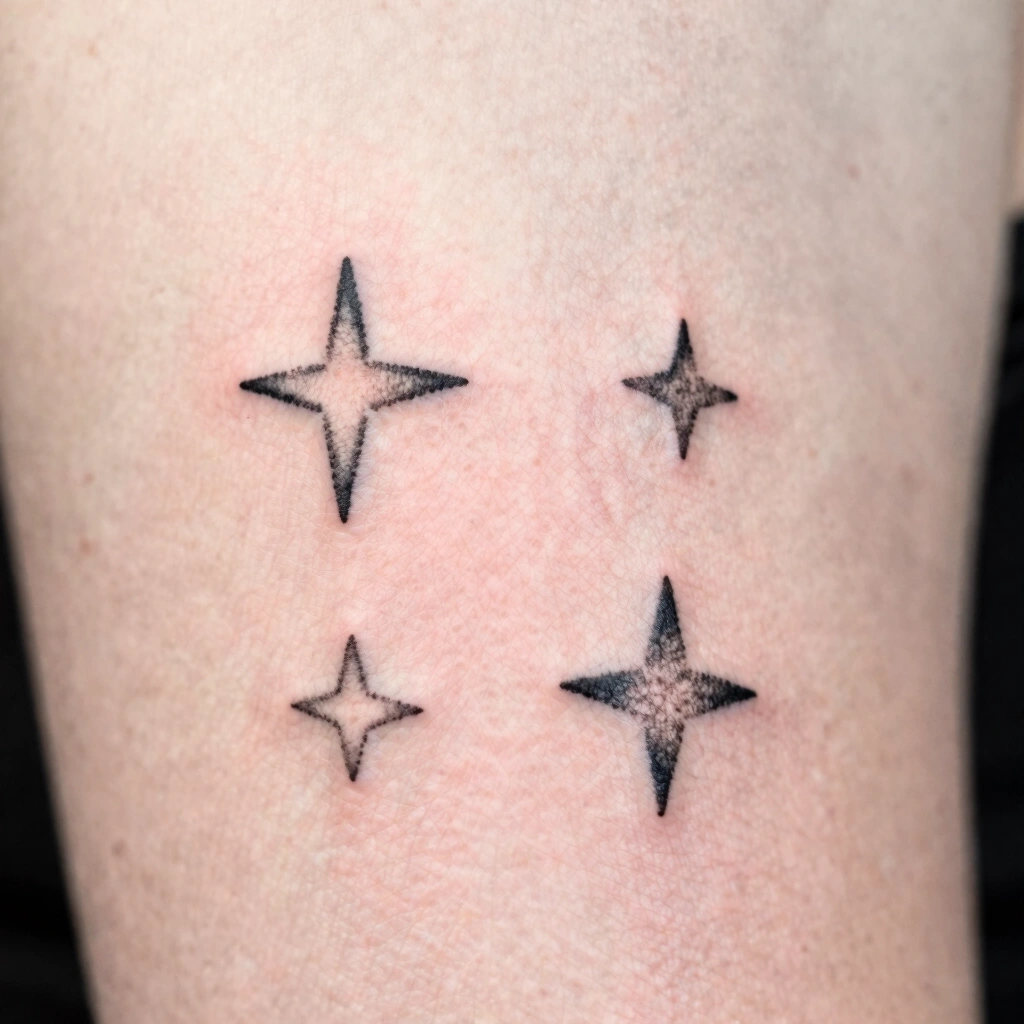
A cluster of three to five small stars, scattered rather than lined up symmetrically, gives a playful, doodle-like energy that a single perfectly centered star can’t match. Artists typically use single needle technique here, meaning one very fine point creates thin, delicate lines with almost no width variation. Some artists add tiny dot accents between the stars using dotwork — a technique built from tiny stippled dots instead of solid lines — to suggest a little sparkle without adding real shading.
Placement on the back of the hand or near the wrist bone works well because the scattered composition fills irregular space naturally. Keep individual stars around a quarter-inch; smaller than that and the points tend to fade into indistinct blobs after a few years. The back of the hand has thinner skin over bone, so discomfort is often more noticeable than on fleshier spots like the inner forearm.
This design ages fairly well since there’s minimal ink density, though touch-ups after 5-7 years aren’t unusual to keep the points sharp.
Now let’s move into a bolder technique for readers who want more visual weight.
Blackwork Sun Doodle
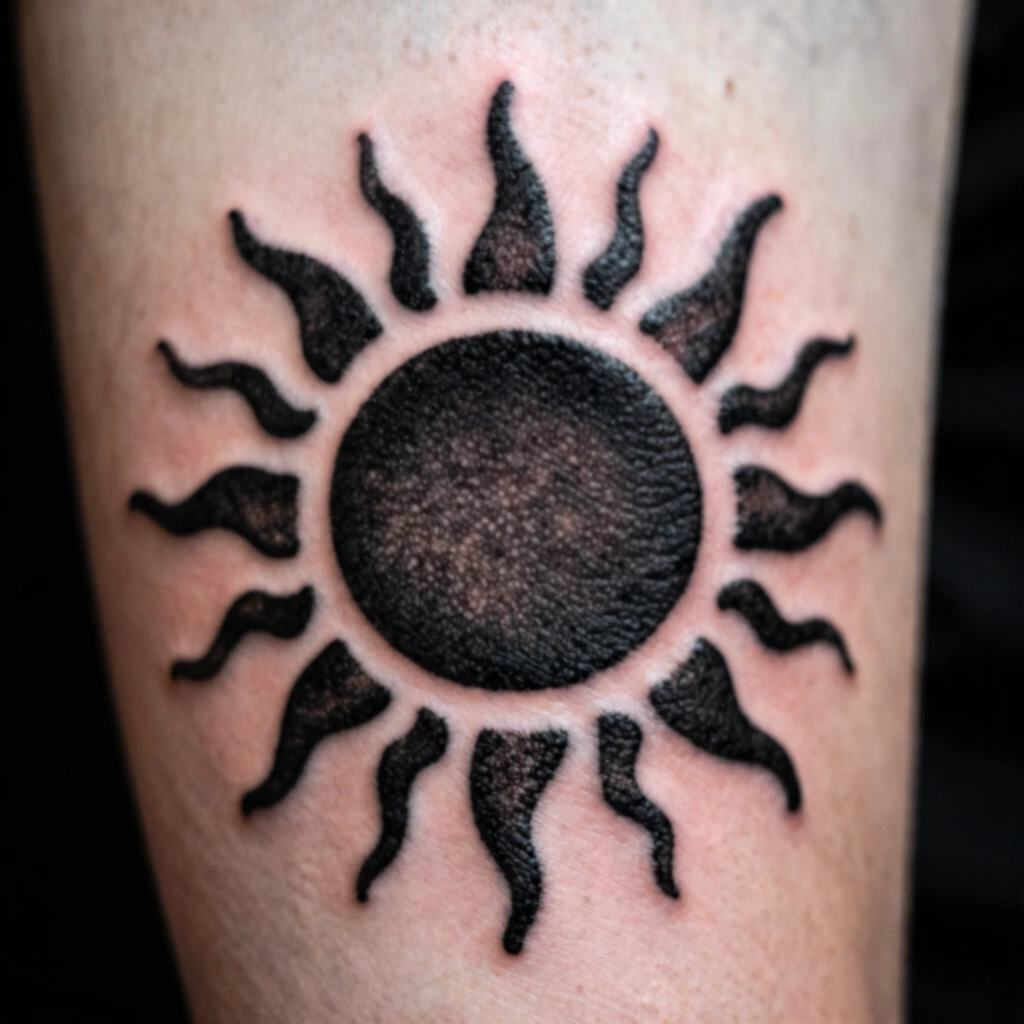
Unlike the delicate fine-line pieces above, a blackwork sun doodle uses solid black fill for the center with short, slightly irregular rays radiating outward — irregularity is the point, since it mimics an actual hand-drawn doodle rather than a stamped icon. Blackwork refers to any tattoo built from solid, saturated black ink rather than gray shading or color, and it holds its saturation longer than fine-line work because there’s more ink in the skin.
This design suits the back of the hand or the space between thumb and wrist. Because of the solid fill, size matters more here — go too small and the rays merge into a black smudge within a couple of years. Aim for at least 1.5 inches across. Solid black areas over bony hand terrain can feel more intense during the session compared to fleshier spots.
This isn’t the most workplace-discreet option since it’s visually bold, so consider that
if your job has a conservative dress code.
From bold and solid, let’s shift to something delicate and expressive again.
Minimalist Smiley Face Doodle
A small smiley face, hand-drawn style with slightly uneven eyes and a wobbly curved mouth, is one of the more requested doodle tattoos precisely because it looks intentionally imperfect. Artists achieve this with thin, single-pass linework and zero shading — the charm is in the sketch-like irregularity, not precision.
Place it on a finger, the side of the hand, or near the wrist for a subtle, easy-to-hide option. Keep it under an inch; smiley faces rely on simple shapes, so shrinking them too much risks the features blurring into an unreadable dot pattern after healing. Finger placements tend to be more sensitive and also fade faster due to constant washing and friction, so some artists recommend expecting a touch-up within a couple of years for finger placements specifically. This is a popular matching-tattoo choice for friend groups since it’s cheap, quick, and low commitment.
Let’s look at a nature-inspired doodle that uses dotwork shading for texture.
Dotwork Flower Doodle
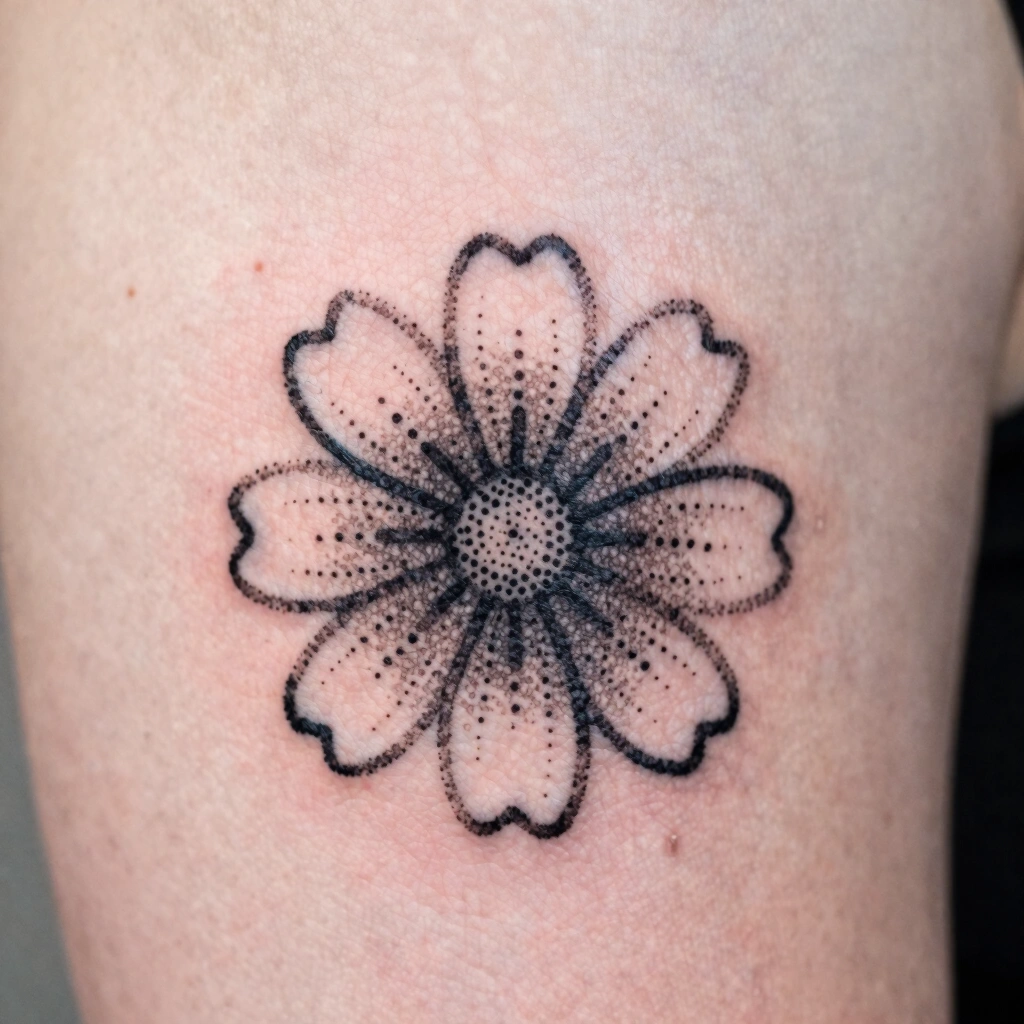
A small flower rendered in dotwork — built entirely from stippled dots rather than solid lines — gives a soft, textured look that differs noticeably from a typical fine-line floral outline. The petals might have a thin linear outline with dot-shading inside to suggest gentle gradient without using gray wash shading.
This design works nicely on the wrist or the side of the hand where there’s a bit more flat surface for the dot pattern to sit evenly. Aim for at least 1.5 inches so individual petals have room for the dot texture to read clearly; too small and the dots merge into a solid gray blob over time. Dotwork sessions can take longer than simple linework since the artist is working point by point, and that repetitive motion can feel more fatiguing on sensitive hand skin. Ask your artist about needle grouping for dotwork — a tighter grouping creates denser, more even texture.
Next, a design built on a single unbroken line.
Continuous Line Heart
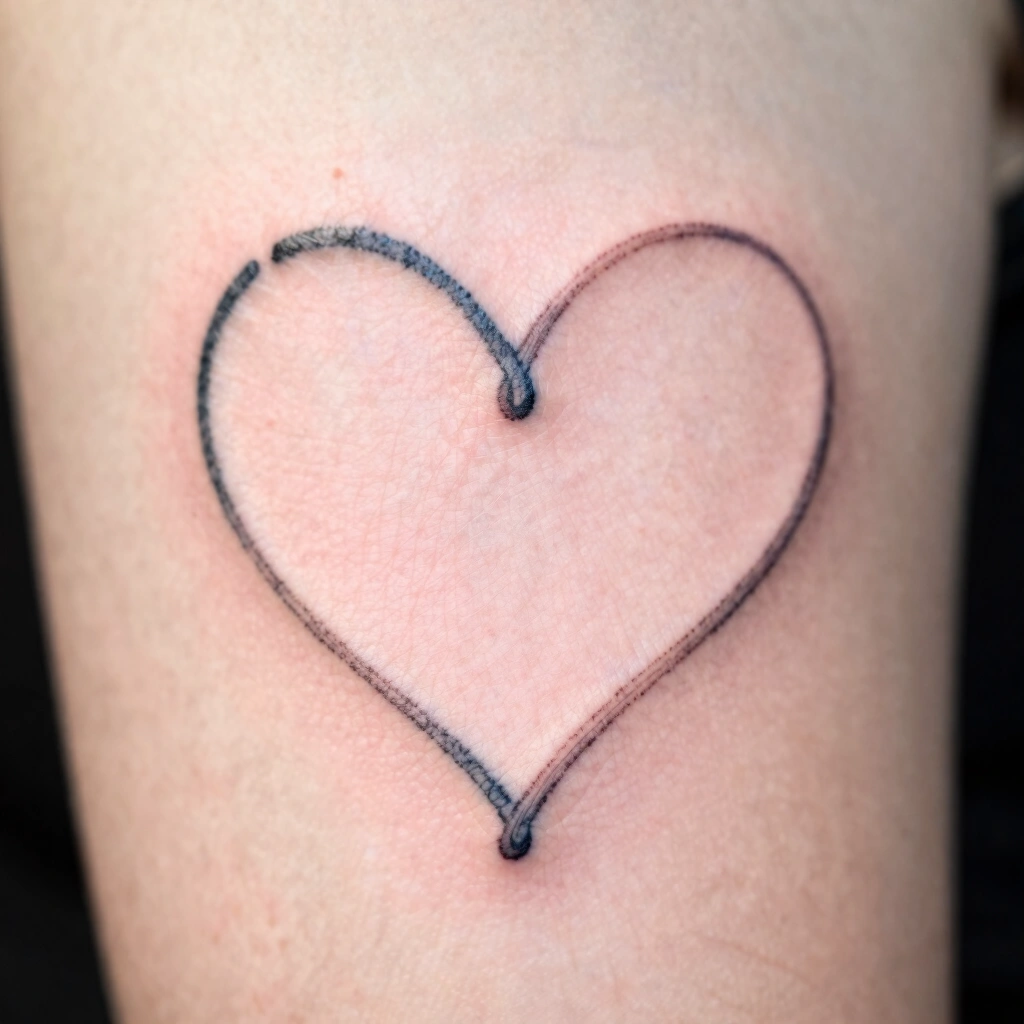
This design uses one unbroken line to form a heart shape, often with a slightly imperfect, hand-sketched quality rather than a geometrically perfect symbol. The technique is straightforward fine-line work, but the skill lies in the artist maintaining even pressure and consistent width across the entire continuous stroke.
Wrist and finger placements are popular for this one, and it holds up well small — even at under an inch — because there’s no shading to blur. This is an especially common choice for matching tattoos between couples or best friends. Finger and wrist placements sit over bone and tendon, so the sensation is often described as sharper and more tapping-like than a fleshy area. Bring a single reference image rather than several conflicting ones, and ask the artist to sketch the line freehand on your skin first so you can approve the exact curve before it’s inked.
Moving from a solid shape to something looser and more abstract.
Scribble Cloud Design
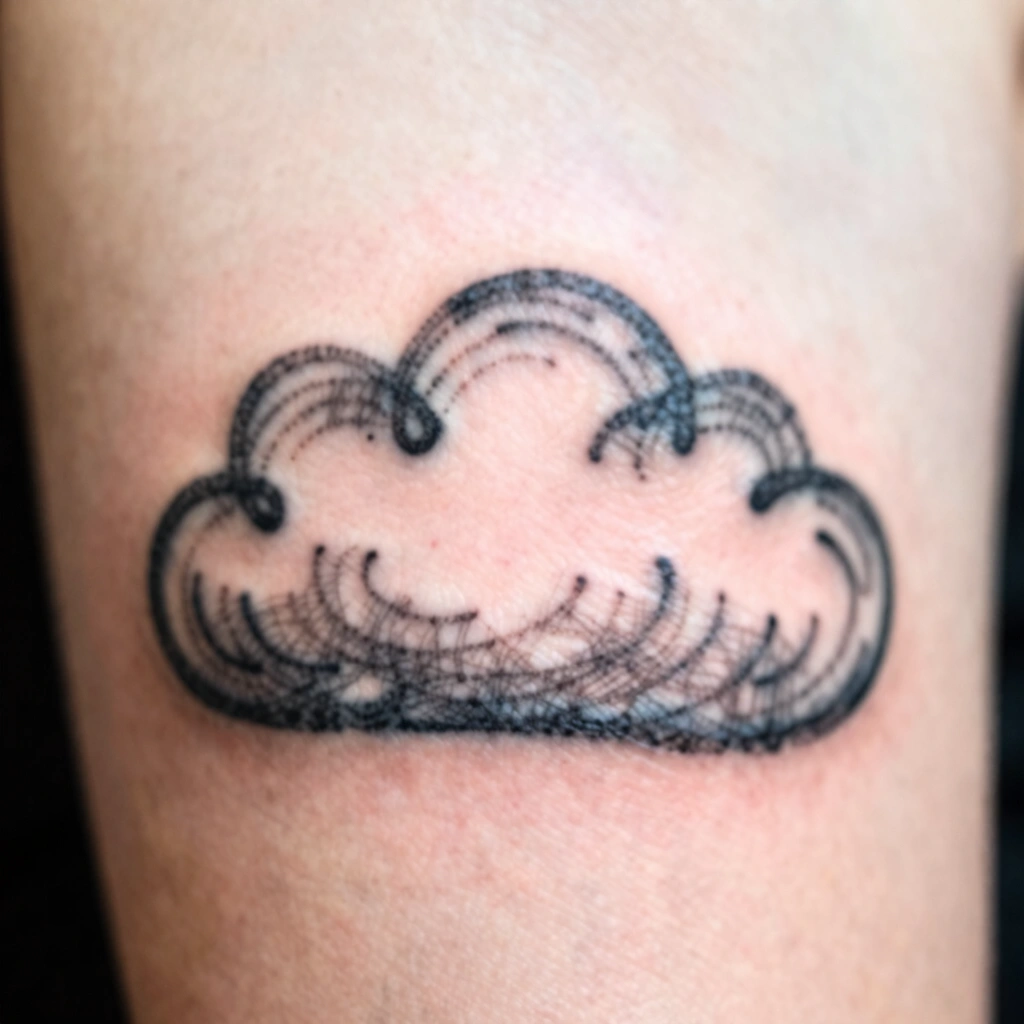
A loose, scribbled cloud — think quick ballpoint pen doodling rather than a crisp cartoon cloud — uses varied line direction and slightly overlapping strokes to mimic that casual, sketched-in-a-notebook feel. This is trickier than it looks; the artist needs restraint to keep it looking intentional rather than messy.
Best placed on the back of the hand or forearm-adjacent area near the wrist where there’s room for the loose scribble to breathe. Keep it around 2 inches minimum since scribble-style work needs space or it collapses into a solid smudge. This design tends to age fine because the “messy” line quality actually hides minor ink spread better than a perfectly clean shape would. It’s a good choice if you want something conversation-starting but not overly symbolic.
Let’s look at a sharper, more graphic doodle next.
Fine-Line Lightning Bolt
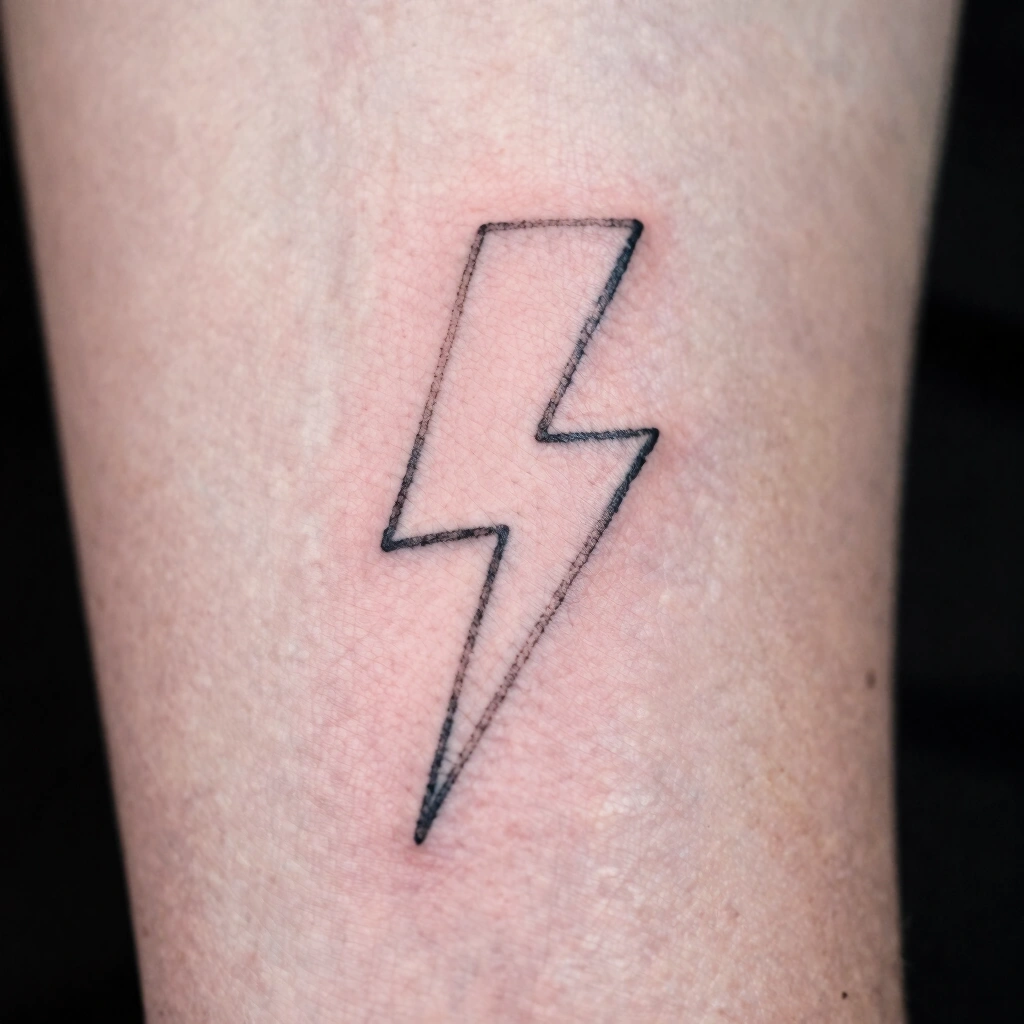
A small jagged lightning bolt in fine-line style is one of the simplest doodle tattoos to execute well, since it’s essentially a few connected straight lines. The visual interest comes from asymmetry — real hand-drawn bolts are never perfectly symmetrical, and a good artist will keep that slight irregularity.
This works well on fingers or the side of the hand, staying under an inch without losing clarity since the shape is simple geometric lines rather than detailed curves. Pain here is generally moderate to sharp given the thin skin over knuckles and finger bones. It’s workplace-friendly if placed on the side of the hand where sleeves or a slight hand position can cover it. This design ages exceptionally well for its size precisely because there’s no shading to spread or blur.
From geometric simplicity, let’s move to something with more visual depth.
Doodle-Style Eye
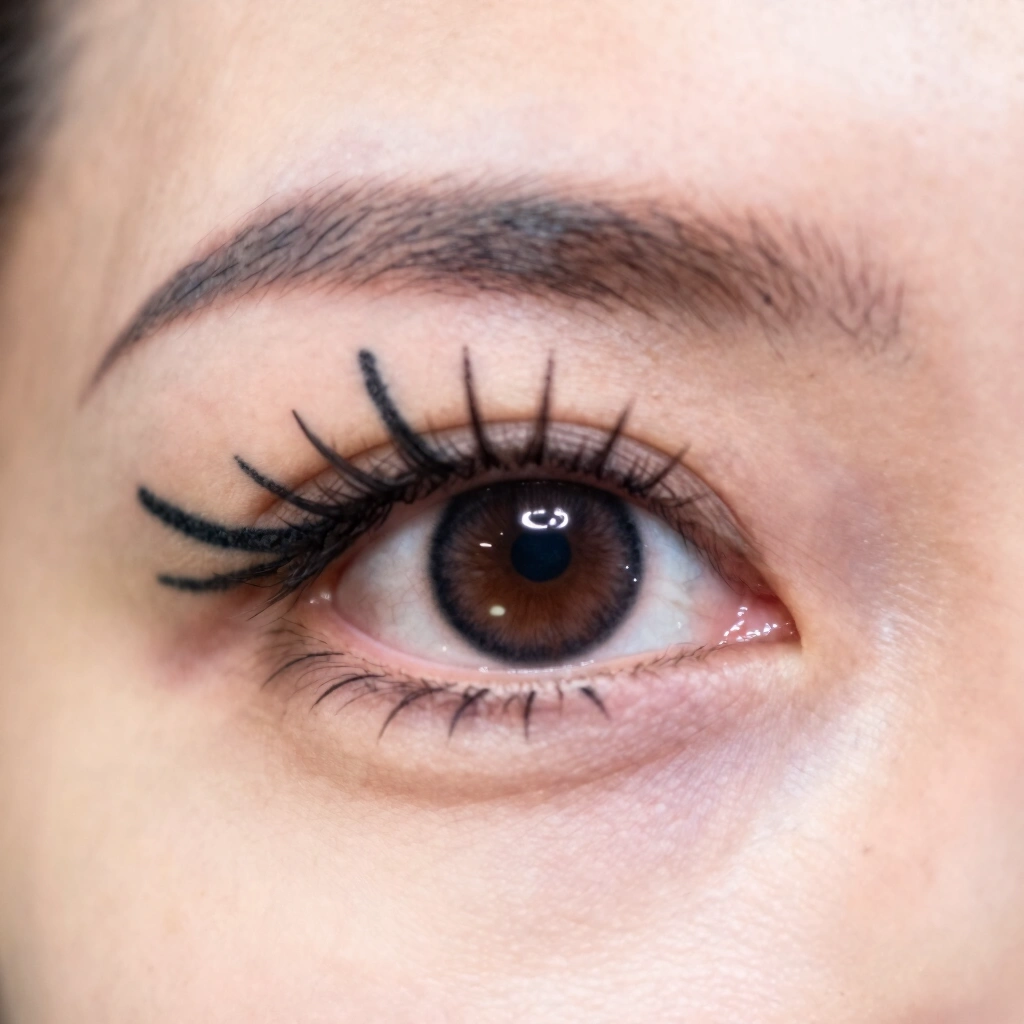
An eye doodle, often stylized with a single lash line and a simple circular pupil, brings symbolic weight without needing color or heavy shading. Artists typically render this in fine-line or light blackwork, keeping the lash lines thin and the pupil either solid black or left as a small unshaded circle for a negative space effect — meaning the untouched skin itself becomes part of the design.
Place this on the back of the hand or wrist for visibility, or the inner wrist for something more private. Size should stay around 1 to 1.5 inches; smaller risks the lash details blurring into the pupil within a few years. This spot tends to be moderately sensitive. It’s a popular symbolic tattoo choice for protection or intuition themes, so if that meaning matters to you, mention it to your artist so they can adjust proportions to keep the symbolism clear rather than purely decorative.
Next, a squiggle-based design that’s about as low-commitment as doodle tattoos get.
Abstract Squiggle Line
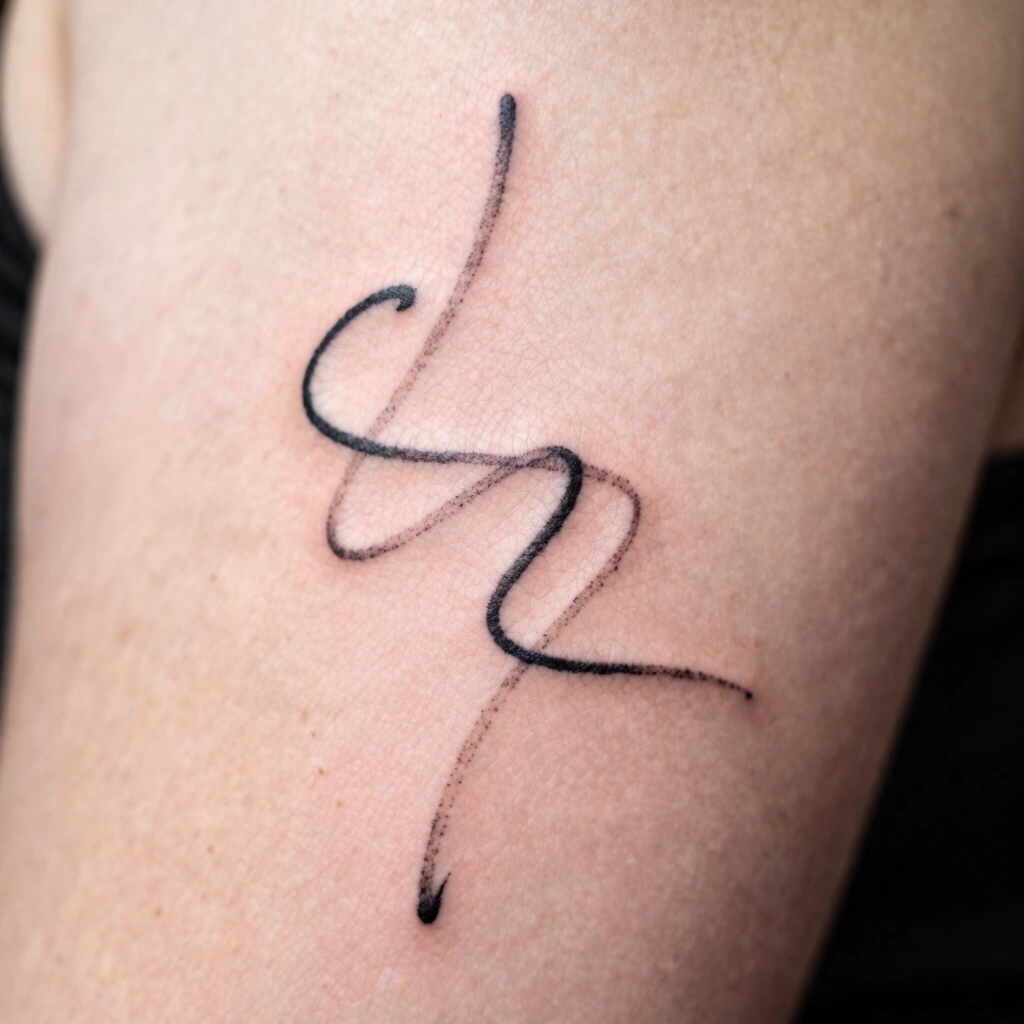
Sometimes the simplest doodle is just a wandering squiggly line with no particular shape or meaning — the kind of mark you’d make testing a pen. As a tattoo, this uses thin, consistent fine-line work, and the appeal is purely aesthetic and personal rather than symbolic.
This design is incredibly flexible for placement — fingers, wrist, side of hand, anywhere with a bit of length. Because it’s just a line, size isn’t as critical as with shaped designs, though under an inch tends to read as a small imperfection rather than an intentional mark, so aim for at least 1.5 inches of visible squiggle. Pain is generally on the milder end for linework, though location still matters. This is arguably the lowest-commitment tattoo on this list and a solid choice for a genuine first tattoo since mistakes in execution are less noticeable than with detailed shapes.
Now let’s cover a nature doodle with more shape complexity.
Tiny Star Constellation
Unlike the scattered star cluster mentioned earlier, a constellation design connects small stars with thin straight lines, mimicking an actual star chart. This requires more planning from the artist since spacing between dots and lines needs to stay proportional or the connecting lines look randomly placed once healed.
Back of the hand or wrist both work, but give this one at least 2 inches of space so the connecting lines don’t crowd together. This is a popular meaningful tattoo choice — some people use real constellations tied to birthdates or loved ones — so bring the specific star pattern you want rather than a generic zodiac stencil if personal meaning matters to you. Expect moderate sensitivity given typical hand placements. Because the lines are thin and spaced out, this design tends to age better than dense cluster patterns.
Let’s shift toward something with a bit of shading variation.
Fine-Line Butterfly Doodle
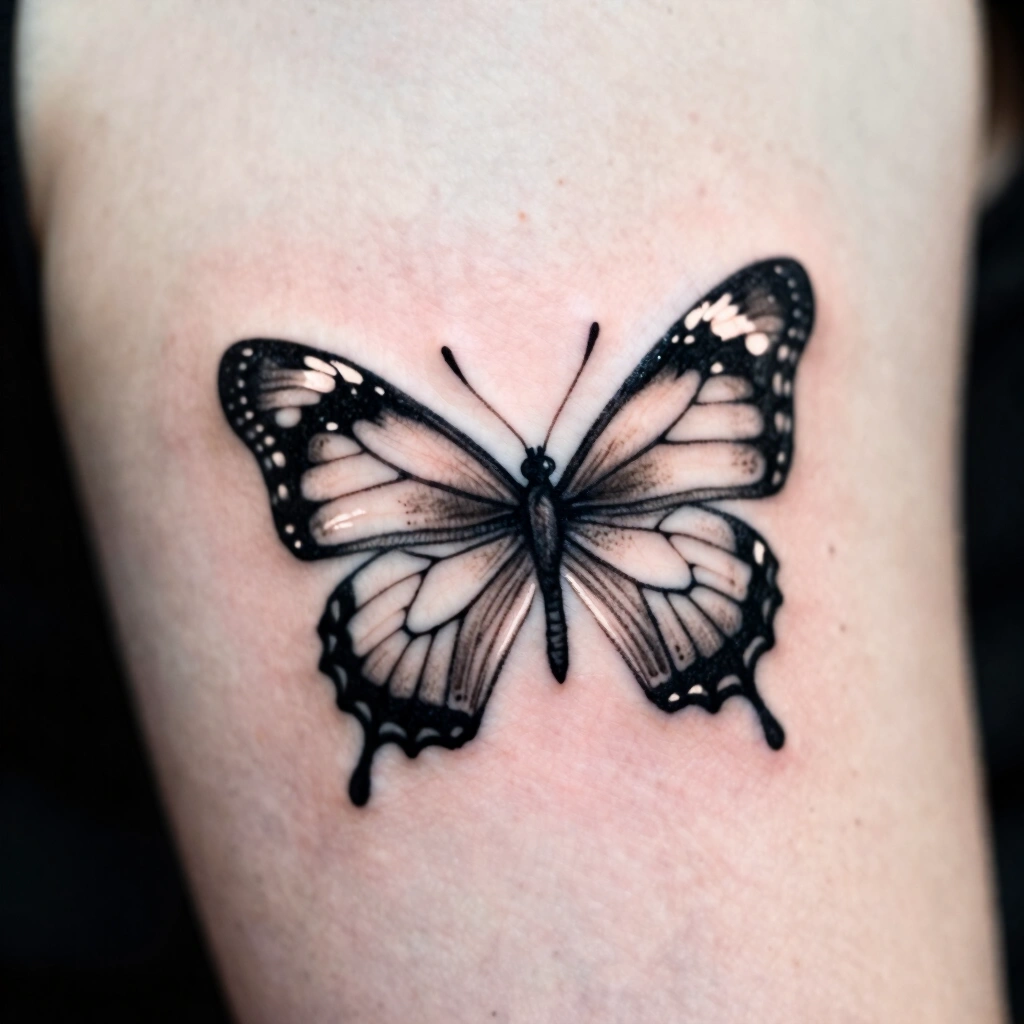
A small butterfly in doodle style skips the usual detailed vein-work seen in realistic butterfly tattoos, instead using simple curved outlines for the wings with maybe one or two thin interior lines for suggestion rather than detail. This keeps the design light and quick to execute while still being recognizably a butterfly.
Wrist and finger placements both work, though keep it under 1.5 inches since overly detailed wing patterns don’t hold up at hand-tattoo scale over time — simpler is genuinely better here. Expect a sharper sensation on finger placements specifically. This design suits both first-timers and those adding to an existing collection of small hand pieces. If you want it to look intentionally sketchy rather than cartoonish, tell your artist you want “single-pass linework with no double-tracing” so they don’t go back over lines to make them heavier.
Now, a fungi-themed doodle that’s grown popular in recent years.
Doodle Mushroom
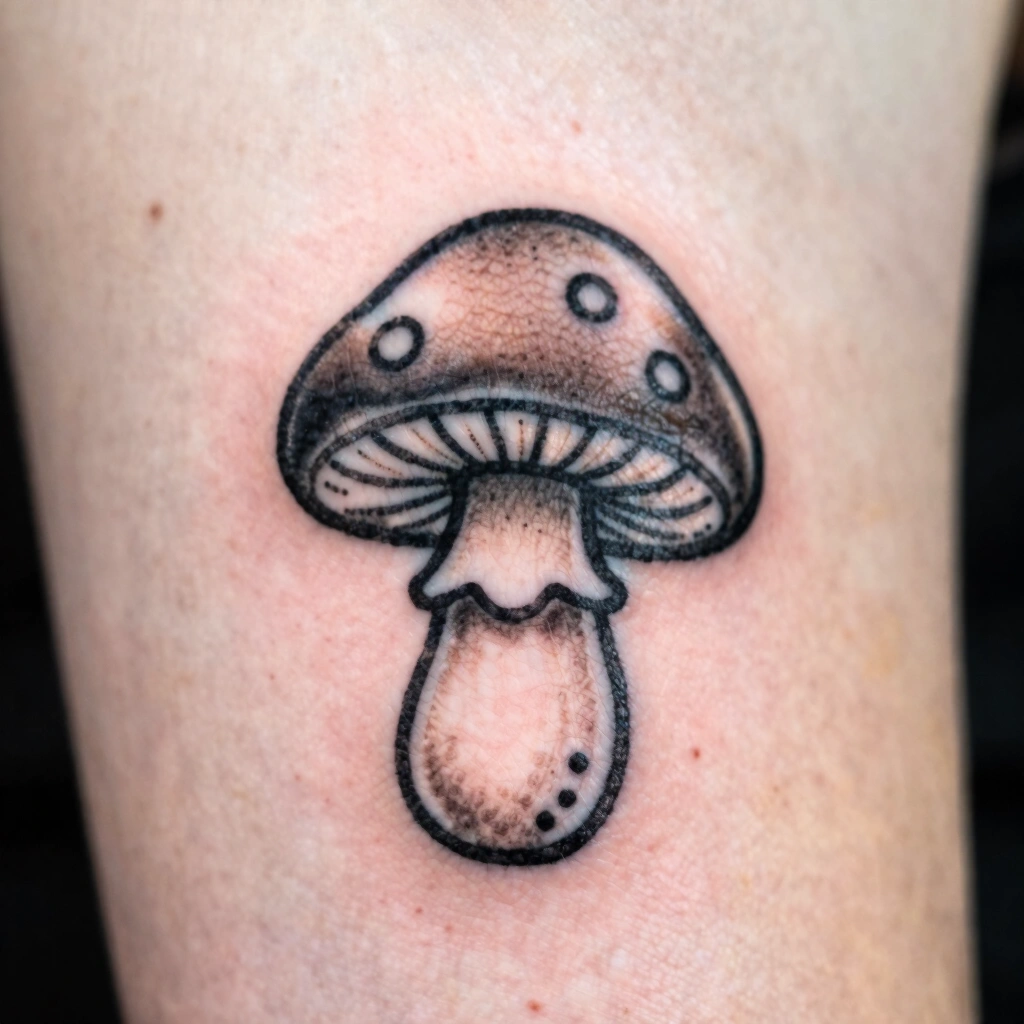
A small mushroom doodle, often drawn with a slightly tilted cap and a few dot or line details underneath for the gills, has become a common small tattoo request. Most versions use fine-line work for the outline with optional light dotwork for texture on the cap.
This sits nicely on the side of the hand or wrist at around 1 to 1.5 inches. Skin texture matters more than usual here — if you have visible veins or texture on the back of your hand, ask your artist whether that specific spot will hold fine detail well, since some areas distort small shapes more than others. Healing typically takes about two weeks on the hand given the frequent washing this area gets. This is a fun, low-symbolism option if you just want something whimsical rather than deeply meaningful.
Let’s move to a more elongated design suited to fingers.
Fine-Line Flower Stem
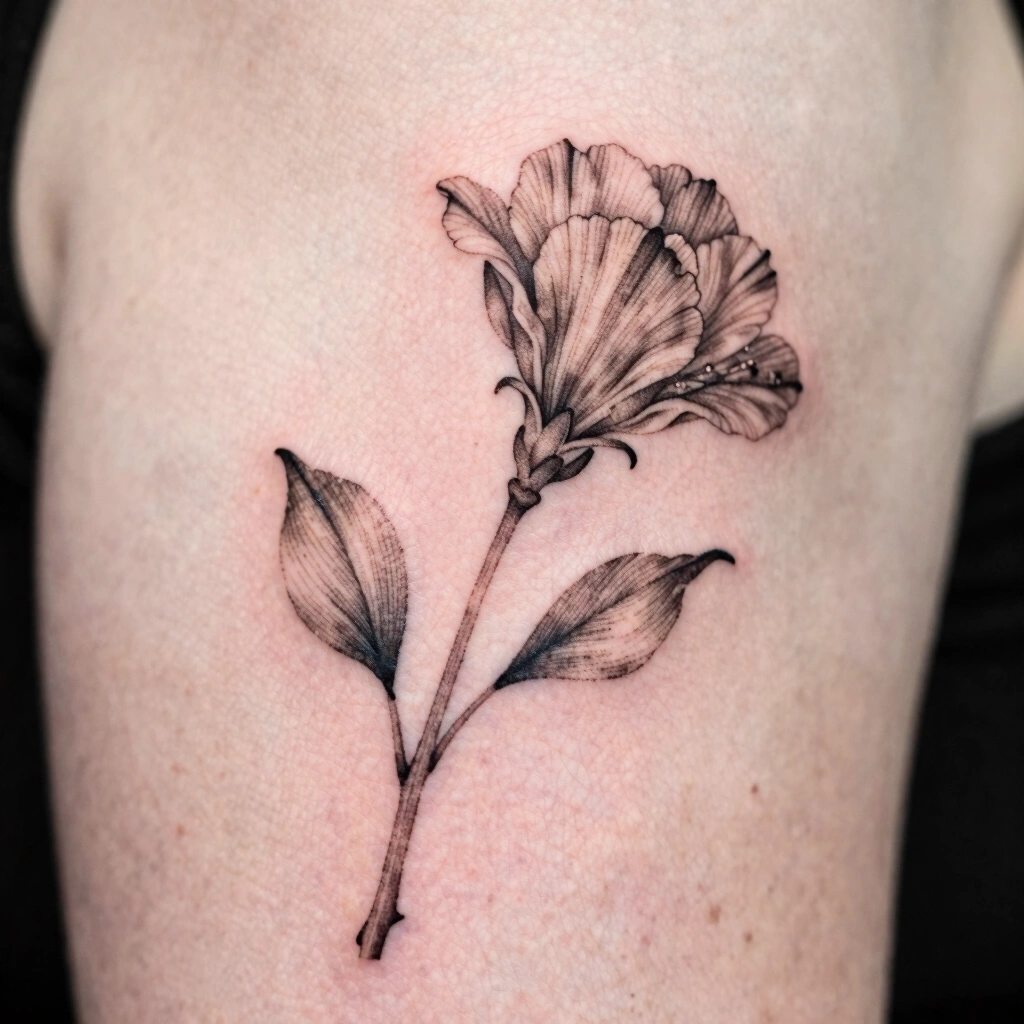
Rather than a full bloom, this design is just a single stem with one or two small leaves and maybe one simple flower head at the top, rendered entirely in thin, unshaded linework. The elongated shape suits narrow hand real estate better than a wide, detailed floral piece would.
This works especially well running along a finger or up the side of the hand toward the wrist. Length can run 1.5 to 3 inches depending on placement, but keep the leaf and petal shapes simple — this isn’t the design to ask for realistic shading on. Fingers see a lot of contact throughout the day, so fading and touch-ups are more common here than on flatter parts of the hand. This is a nice option if you want something floral but don’t want the visual weight of a full traditional flower tattoo.
From botanical to symbolic, here’s a classic doodle revived in fine-line form.
Single Needle Peace Sign
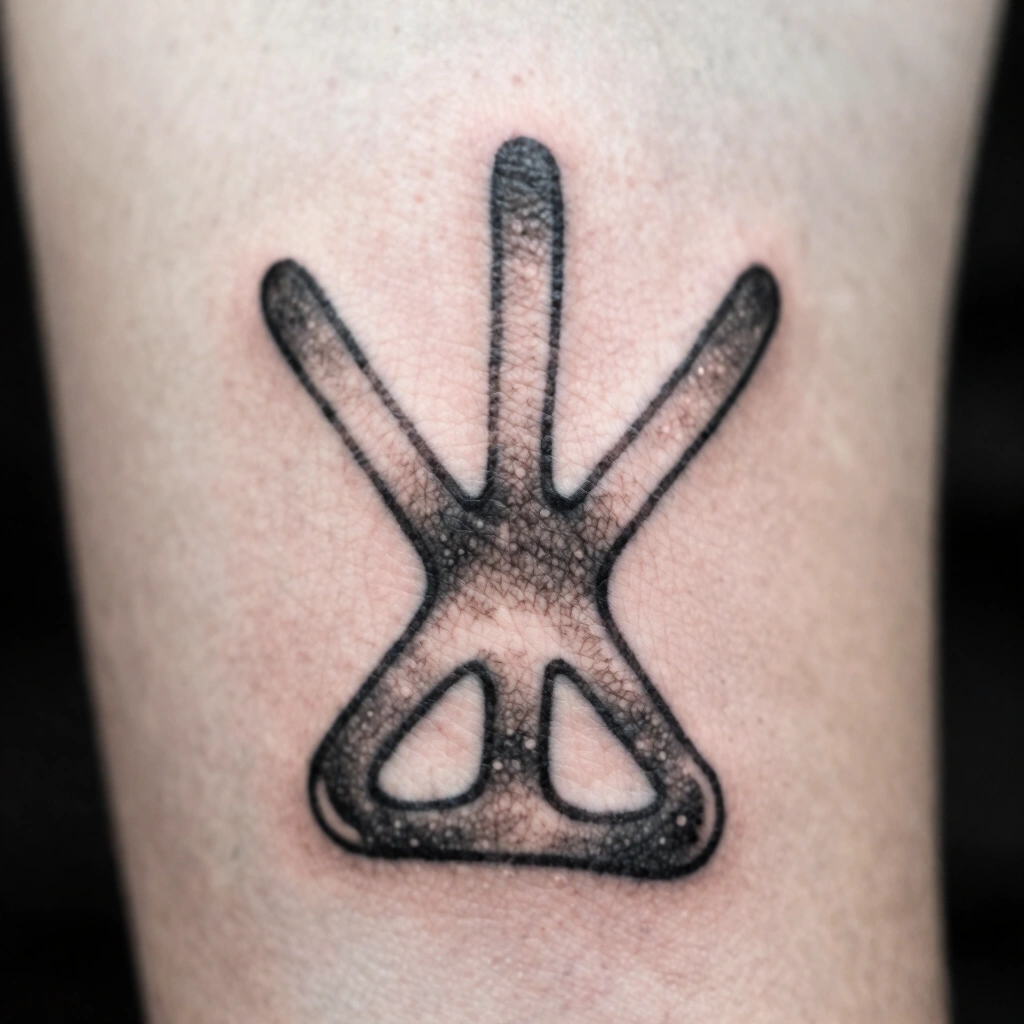
The peace sign doodle is about as recognizable as symbols get, and rendering it in single needle technique keeps it feeling personal rather than like clip art. The circle and internal lines are kept thin and slightly uneven, again leaning into that hand-doodled aesthetic rather than a perfectly measured geometric shape.
Back of the hand or wrist placements both suit this well at around 1 to 1.5 inches. Because it’s a simple, recognizable shape, sizing down further than that risks the internal lines merging with the outer circle over time. This is a common choice for matching friend or sibling tattoos since the symbol needs no real explanation. Pain tends to run moderate on typical hand placements. If you want a more custom feel, ask your artist to slightly vary the line thickness rather than keeping it perfectly uniform — that small imperfection is what sells the doodle look.
Next, a directional doodle with more graphic punch.
Blackwork Arrow
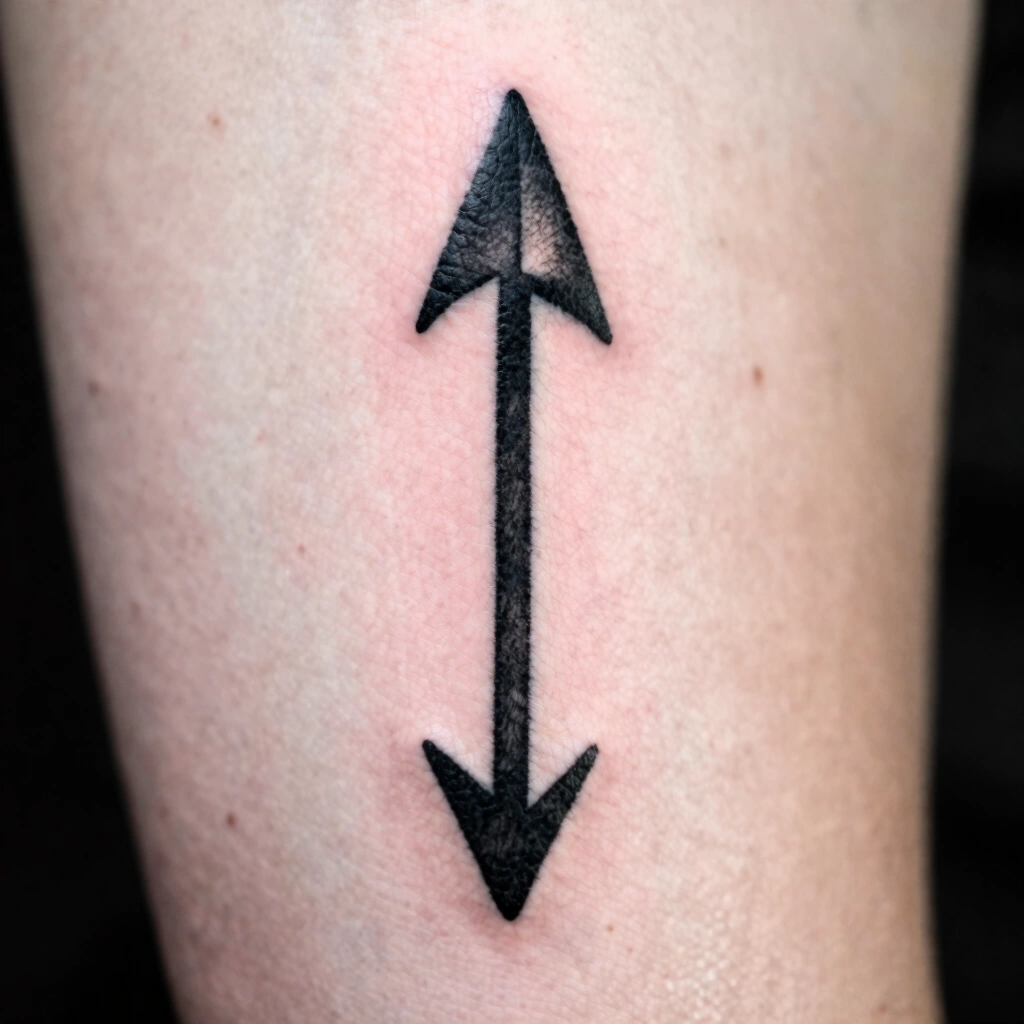
A simple arrow, solid black and slightly bent rather than perfectly straight, is a classic doodle motif that translates well into blackwork. The solid fill holds its shape better long-term than a thin outline-only arrow would, since there’s no interior negative space to blur.
This suits the side of the hand or the length of a finger, running 1 to 2 inches. Because of the solid black saturation, this design tends to stay sharp and dark for years with minimal fading compared to lighter fine-line work. Expect a more intense sensation on finger placements given the thin skin over bone there. This is a solid choice for someone who wants something masculine-leaning and simple without needing shading or color.
Now for a design that brings a bit of personality and humor.
Doodle-Style Bee
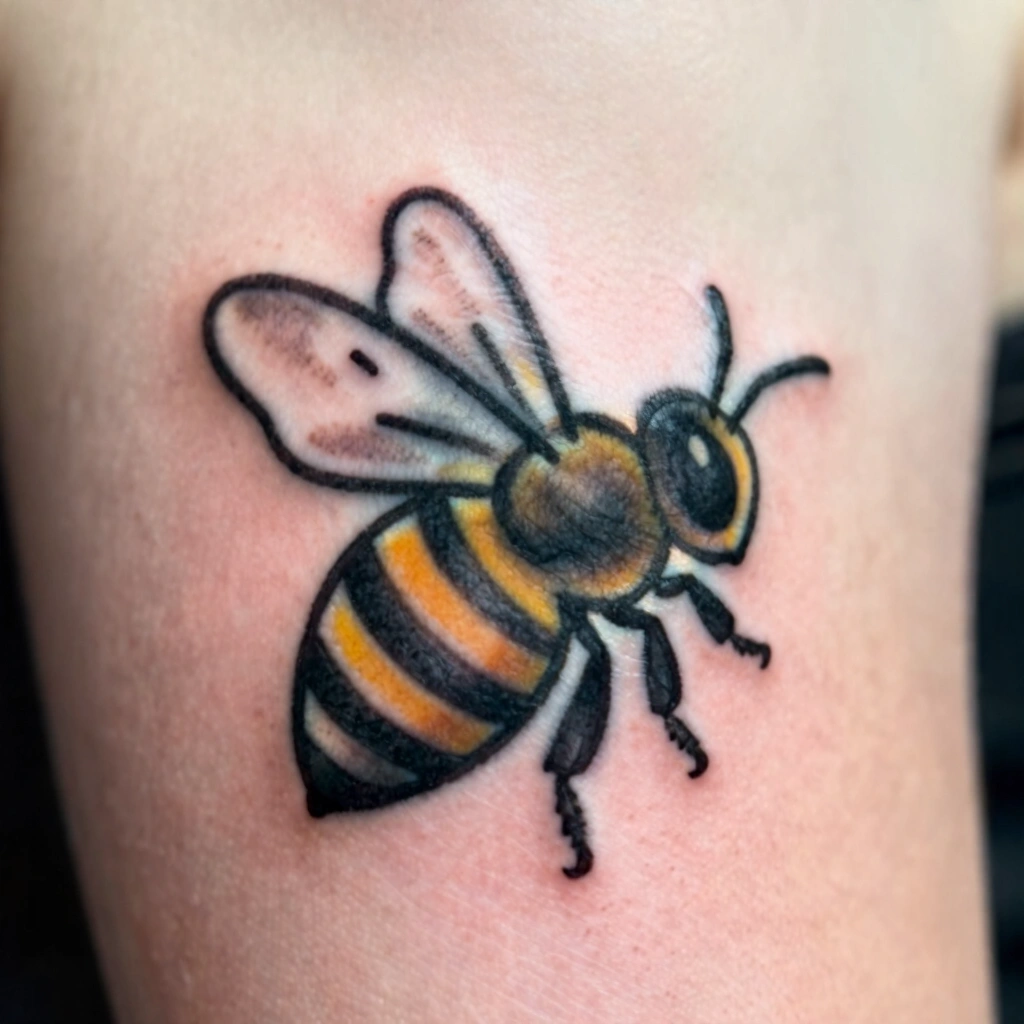
A small bee, drawn with rounded wing shapes and simple horizontal stripe lines across the body, works well as a doodle tattoo because bees have a naturally simple, recognizable silhouette. Most versions use fine-line work for the outline with light blackwork fill for the stripes rather than full color, which keeps healing more predictable on hand skin.
Wrist or back-of-hand placement works nicely at around 1 to 1.5 inches. Skip color saturation on this one unless you’re prepared for more noticeable fading — colored ink on hands tends to lose vibrancy faster than black ink due to constant sun and washing. This is a cheerful, low-stakes design good for first tattoos or as an addition to a small cluster of doodles on the same hand.
Let’s close out the shape-based doodles with a celestial favorite.
Fine-Line Crescent Moon
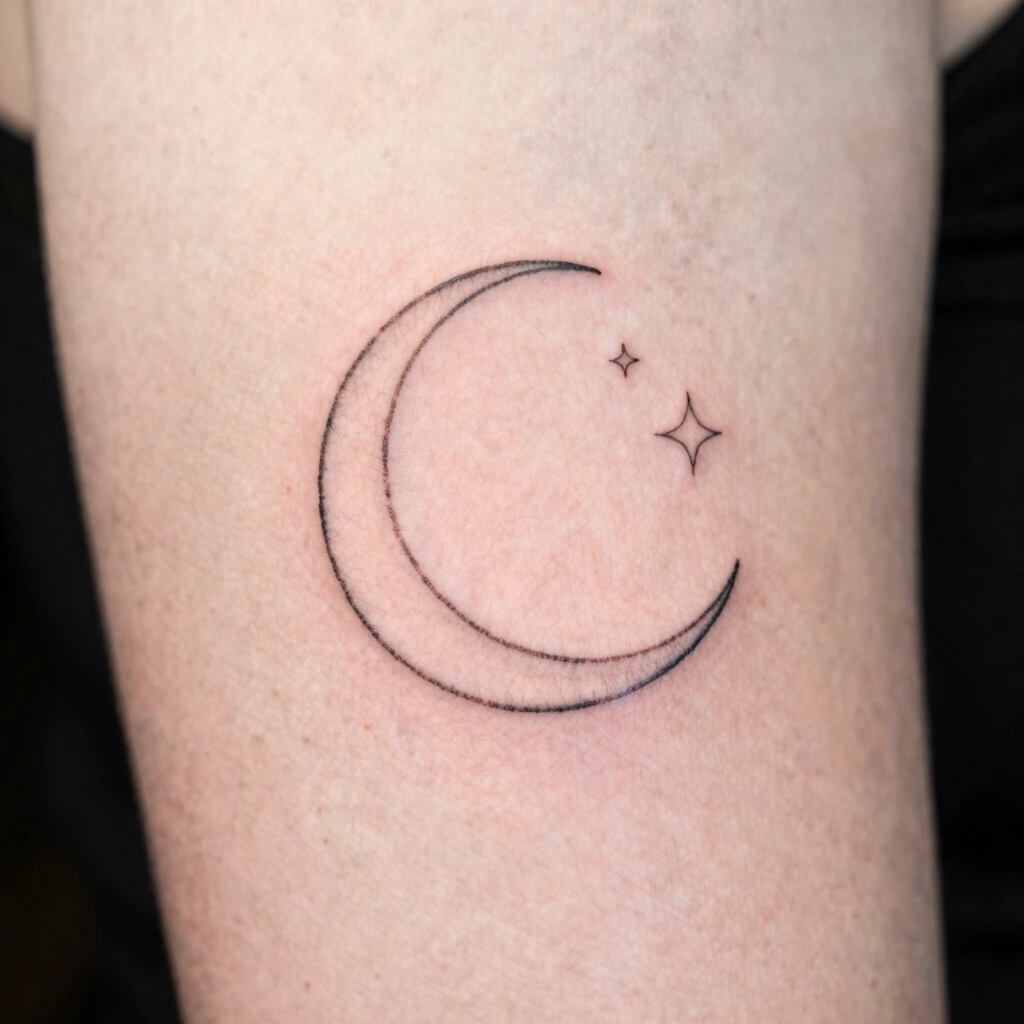
A simple crescent moon, rendered as a thin curved line with maybe a few small star doodles nearby, is one of the most requested minimalist hand tattoos for good reason — it’s simple, quick, and holds up well at small sizes. The technique is straightforward fine-line work with no shading needed since the crescent shape itself is the entire design.
This works on the wrist, finger, or back of hand at around half an inch to one inch. Because the shape is just a curved line, it ages better than most detailed designs even at very small sizes. This is a favorite for matching tattoos between family members or friends, and it’s genuinely one of the more workplace-discreet options on this list given how small and simple it can be kept.
Finally, let’s cover a word-based doodle to round out the list.
Scribble Text or Word Doodle
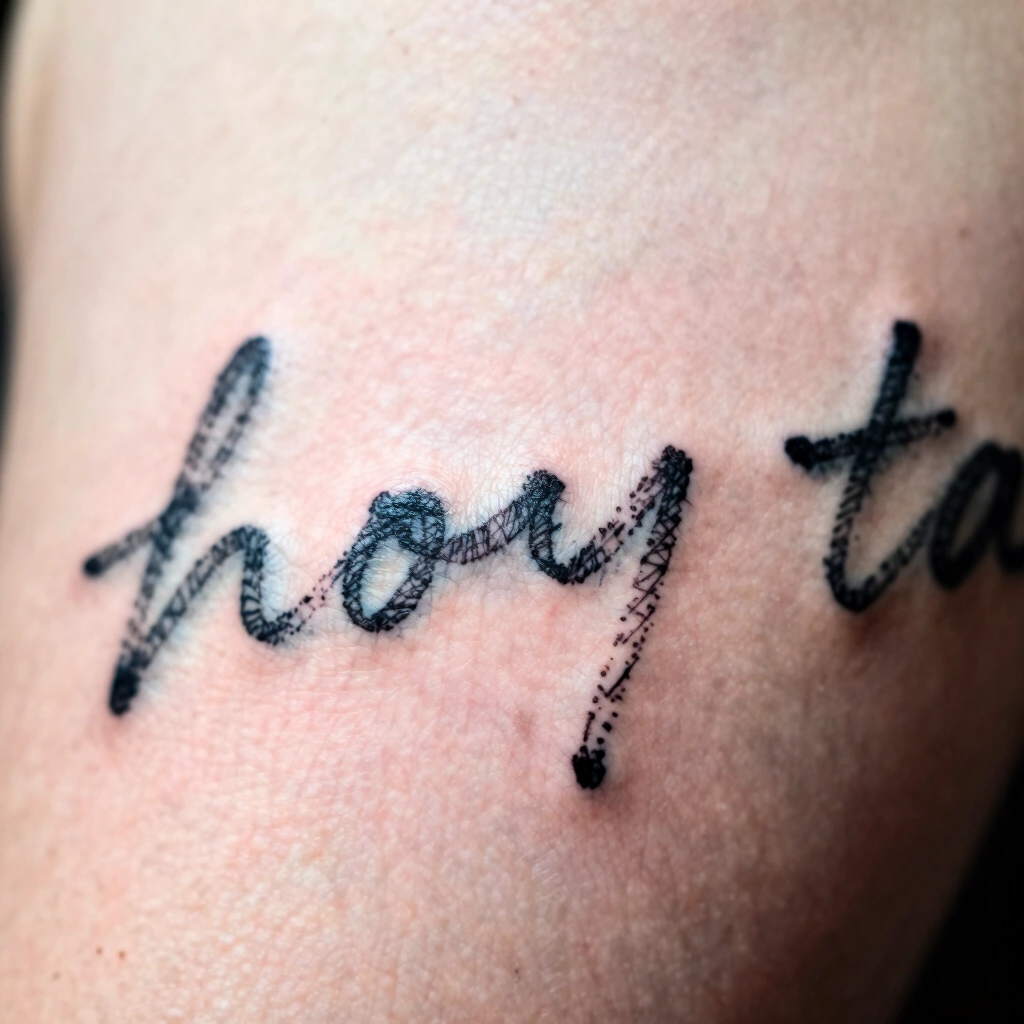
A single short word, written in your own handwriting style or a casual, uneven script, gives a deeply personal doodle tattoo since it essentially replicates your own pen strokes on skin. Artists trace directly from a handwriting sample using fine-line technique, keeping line weight thin and consistent to preserve legibility.
Place this along the side of the hand or wrist where there’s a straight run of skin for the word to sit evenly. Length depends on the word, but keep letters at least a quarter-inch tall or they risk blurring into illegibility within a few years — this is one of the more common mistakes with script tattoos generally. Bring an actual handwriting sample, not a printed font, if personal authenticity matters to you. This is a meaningful, low-visual-noise option that ages reasonably well if letter size is respected.
Best Placement Ideas
- Side of the hand — good visibility balance, moderate pain, decent healing since it sees less direct friction than fingers
- Back of the hand — highly visible, thinner skin means sharper sensation, faster fading due to sun exposure
- Wrist (inner or outer) — flexible for hiding or showing, generally moderate pain, popular for matching tattoos
- Fingers — highest visibility per square inch, typically the most sensitive spot, highest likelihood of needing a touch-up within a couple of years due to constant washing and friction
Tips for Success
Look for an artist whose portfolio shows consistent line weight across multiple healed photos, not just fresh ink — healed work tells you how their linework actually holds up. Ask specifically to see hand tattoos in their portfolio since hand skin behaves differently than forearm or thigh skin. Bring reference images that show line thickness and style, not just subject matter, and be upfront about your pain tolerance and any skin conditions. If you’re deciding between a walk-in flash design off the studio wall versus a custom design, know that custom work usually costs more and takes longer to schedule but gives you more control over sizing and placement details specific to your hand shape.
Common Mistakes and How to Avoid Them
- Sizing a detailed doodle too small, causing lines to blur together within a few years
- Choosing a placement that fights the design’s shape, like cramming a wide design onto a narrow finger
- Skipping the aftercare instructions given by your artist because the tattoo “looks small and simple”
- Copying a design exactly from an image without adjusting proportions for your specific hand shape and size
- Not asking about touch-up policy before booking, especially for finger and hand placements that fade faster
Similar Variations
Nearly every design above can be resized up for more visual impact or down for subtlety, combined with a second small doodle nearby to build a cluster look, or shifted from pure black linework into a single small color accent for a bit more personality. A star cluster and a crescent moon, for instance, pair naturally into one small celestial-themed grouping across the back of the hand.
Aftercare Basics
General dermatological consensus recommends keeping a fresh tattoo clean, avoiding excessive soaking or scrubbing, and applying a thin layer of fragrance-free moisturizer as your skin heals. Hands get washed constantly, so expect to reapply moisturizer more often than you would for a tattoo on the torso or thigh. Always follow the specific aftercare sheet your artist gives you, since products and timelines can vary slightly by studio, and check in with a licensed professional or dermatologist if you notice anything that seems outside normal healing.
Quick FAQ
How much does a small doodle tattoo on the hand cost?
Prices vary widely by studio and location, but small, simple designs like these often fall into a shop’s minimum charge range, commonly somewhere between $50 and $150 depending on detail and region.
Does it hurt more on the hand than other body parts?
Pain tolerance varies by individual, but hands generally rank as more sensitive than fleshier areas like the forearm or thigh due to thin skin over bone. Fingers and knuckles tend to be reported as the sharpest spots.
How long does healing take?
Small hand tattoos typically take around two to three weeks to heal on the surface, though full settling can take longer. Hands heal a bit differently than other areas since they’re washed and used constantly.
Will a simple doodle tattoo fade quickly?
Fine-line and blackwork doodles generally hold up well if sized appropriately, but hands do see more sun and washing than covered body parts, so some fading and the occasional touch-up is normal over several years.
Whether you’re drawn to a scribbled cloud or a tiny constellation, the right pen tattoo ideas doodles on hand design comes down to matching simple, well-weighted linework to a placement that respects how much your hands move and wash throughout the day. Talk through sizing, pain expectations, and aftercare with a licensed professional before you book, and you’ll walk out with a doodle that still looks sharp years down the road.