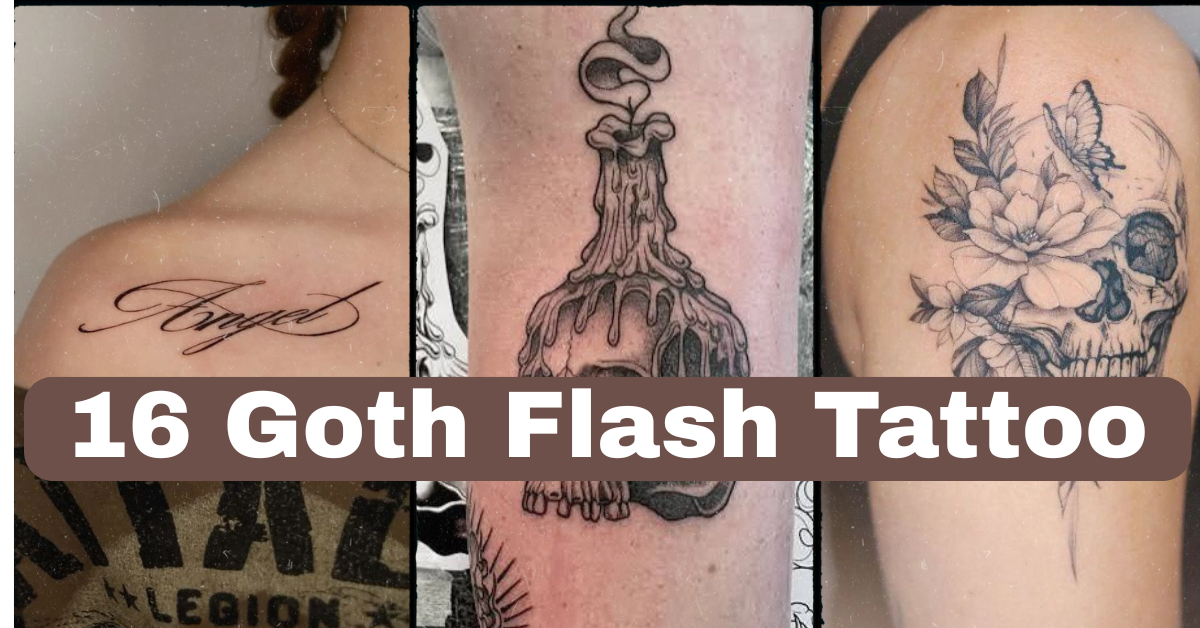
16 Goth Flash Tattoo Ideas That Actually Hold Up on Skin
Nervous about picking a goth flash tattoo design you’ll still love in ten years, not just ten days? That fear is normal, and honestly, it’s a smart one to have before you sit in a chair for two hours.
So what are the best goth flash tattoo ideas? Blackwork bats, dotwork skulls, fine-line spiders, and bold traditional daggers top the list because they’re built from techniques that age well — solid black holds up, dotwork shading stays textured, and simple line work doesn’t blur into a smudge after a decade on skin.
Stick around, because I’m going to walk you through placement choices, realistic pain levels, what these designs cost, and exactly how to brief an artist so you don’t end up with a stencil that looked great in the flash sheet binder but wrong on your arm.
Why Goth Flash Works So Well as a Tattoo Style
Flash tattoos are pre-drawn designs an artist has ready to go — no custom consultation required, which makes them faster to book and usually cheaper than a fully custom piece. Goth flash specifically leans on high-contrast blackwork (solid black fill), dotwork (tiny dots built up into shading or texture), and bold traditional linework (thick, confident outlines associated with old-school American tattooing). These techniques were built for longevity. Solid black ink doesn’t fade into patchy gray the way lighter gray-wash shading sometimes can, and thick lines stay crisp longer than hairline fine work. If you want a tattoo that still reads clearly at 60, goth flash’s bold visual language is doing you a favor, even if that’s not why you picked it.
Blackwork Spider Web Flash
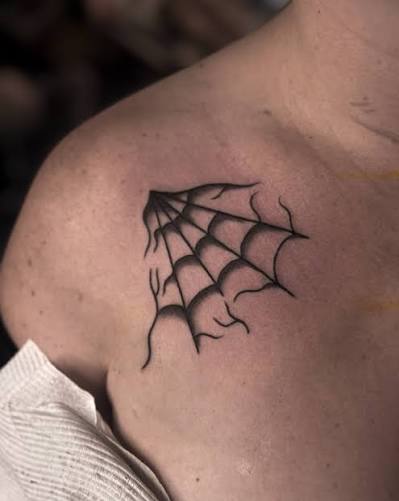
This design uses solid black fill and continuous linework radiating outward in a web pattern, usually anchored at a joint like the elbow or shoulder so the web appears to “wrap” naturally around the body’s curve. The lines are typically medium-to-thick weight so they don’t fade into illegible fuzz after a few years. Best placement is the elbow, shoulder cap, or back of the hand, where the joint’s natural lines complement the web’s radial structure. Keep it 3 to 5 inches for the detail to survive healing. Bony areas like elbows and hands tend to be more sensitive during the session. Bring a photo reference of the exact web density you want — sparse versus tightly packed changes the whole mood. This one suits people who want something graphic and visible, less so if you need to keep ink hidden at work.
Dotwork Moth Design
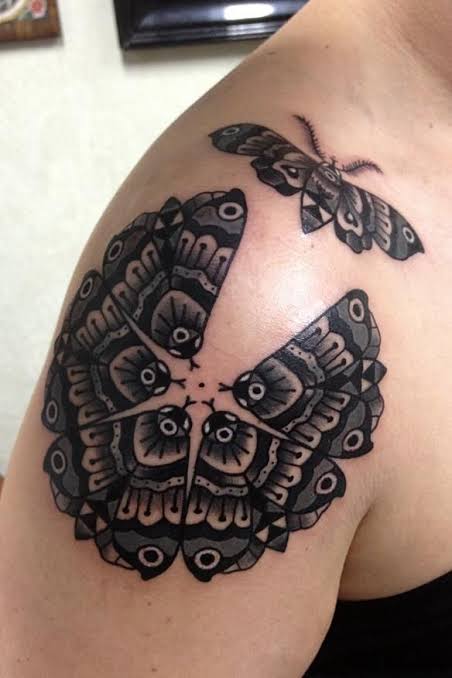
Dotwork builds an image entirely from small dots instead of solid lines or fill, creating a soft, almost powdery gradient that reads as shading without using gray wash. A moth rendered this way typically has bold blackwork antennae and body with dotwork wings for texture and depth. This technique demands a steady, experienced hand — ask specifically if your artist has dotwork experience, since uneven dot spacing looks patchy once healed. Ideal placement is the forearm, shoulder blade, or thigh, areas with enough flat space for the gradient to breathe. Aim for at least 4 inches; dotwork shrinks detail more than blackwork does at small sizes. Healing takes roughly two to three weeks, and flatter body areas heal more evenly than curved ones. This design works beautifully as a statement piece but isn’t ideal for a first tattoo given the technical demand on the artist.
Fine-Line Gothic Cross
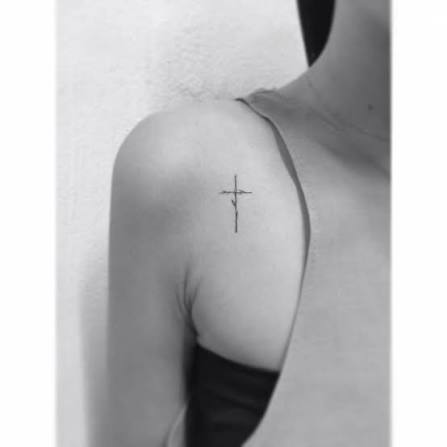
Fine-line work uses a thinner needle configuration to create delicate, low-saturation linework instead of bold traditional’s thick strokes. A fine-line gothic cross keeps the ornate details — filigree, small thorns, subtle shading — without the heaviness of solid blackwork. This makes it a strong choice for a first tattoo since it’s smaller, quicker, and generally reads as less intense visually. Best placement is the wrist, forearm, or behind the ear for subtlety, or the collarbone if you want it slightly more visible. Keep size between 1.5 and 3 inches since fine lines can blur together if packed too small. Wrist and rib placements tend to be more sensitive due to thin skin over bone. Ask your artist about single-needle technique specifically, since that’s what keeps lines crisp rather than shaky. Note that fine-line tattoos statistically fade faster over 10+ years than bold blackwork, so plan on an occasional touch-up.
Bold Traditional Bat Flash
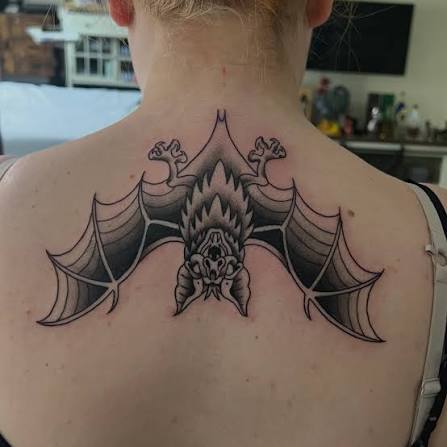
This is classic American traditional style: thick black outlines, minimal shading, and a limited but saturated color palette (usually just black, or black with a single accent color like deep red). A bat rendered this way has a graphic, almost logo-like quality — wings spread, solid black body, no fussy detail work. It’s built to be seen from across a room and to still look sharp decades from now, which is the whole point of traditional style. Best placement is the upper arm, calf, or chest, anywhere with enough flat space for the wingspan. Go at least 3 inches wide; anything smaller loses the bold line weight’s visual punch. Fleshy areas like the upper arm or calf are generally more tolerable than bony spots. This is a great “starter goth tattoo” if you want maximum visual impact with lower long-term fading risk.
Single-Needle Skull with Roses
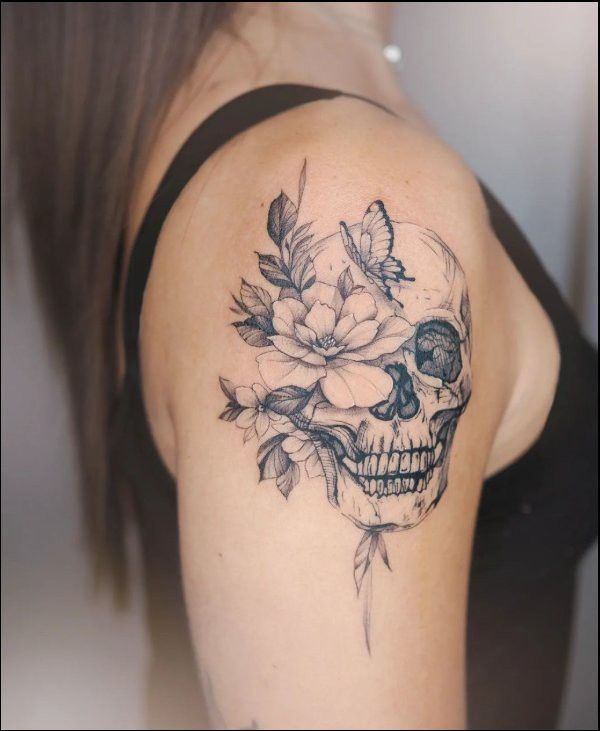
Single-needle refers to using one tattoo needle instead of a grouped needle configuration, producing extremely fine, almost pen-drawn detail. A skull-and-roses piece in this technique looks like an ink illustration rather than a traditional tattoo — delicate petal outlines, subtle cross-hatching for shading, very low saturation. This is a striking option but comes with a tradeoff: single-needle work fades and blurs faster than bolder styles, especially on areas that see friction or sun exposure. Best placement is the inner forearm, upper back, or thigh, away from hands and feet where detail degrades quickest. Size should be at least 3 inches to keep the rose detail legible after healing. Ask to see healed photos (not just fresh ink) in the artist’s portfolio before booking this style. It’s a gorgeous choice for someone who already has a tattoo and wants something more intricate for their second or third piece.
Negative Space Crescent Moon
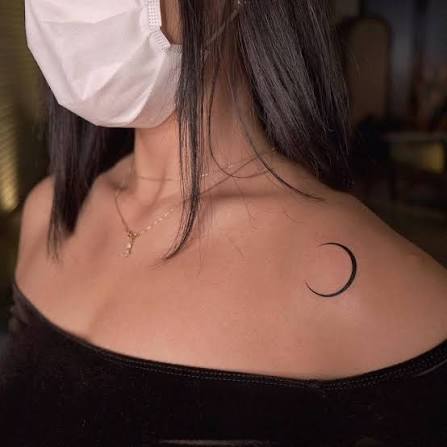
Negative space tattooing uses the untouched, natural skin tone as part of the design instead of filling every area with ink — here, a crescent moon might be defined by a solid black circle with an unshaded moon shape “cut out” of it. This creates striking contrast and a sense of depth other techniques can’t replicate. It requires precise linework so the negative space reads clearly rather than looking like an unfinished tattoo. Best placement is the forearm, upper arm, or shoulder blade, flat areas that let the contrast sit clean. Keep it 2 to 4 inches; too small and the negative space collapses into a blob. Note that this technique can look different depending on skin tone — ask your artist how contrast will read on your specific skin before committing. This is a lower-pain option relative to dense blackwork since less total ink surface is involved.
Blackwork Raven Silhouette
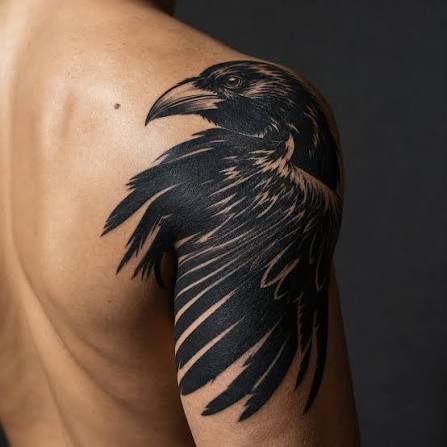
A raven rendered in pure blackwork is essentially a solid black silhouette with sharp negative-space detailing for feather texture and beak definition. There’s no gradient here — just confident, saturated black against skin, which is part of why it reads so graphically from a distance. Best placement is the shoulder, upper back, or side of the calf, anywhere with a flat curve that lets the wing shape sit naturally. A 4 to 6 inch size lets feather detail actually show; smaller versions often lose the silhouette’s shape. Fleshy areas heal a bit easier than bony ones for large solid-fill pieces like this. Bring reference images showing wing position (spread versus folded) since that changes the whole composition. This design works well for group or matching tattoos among friends who each pick a different bird pose.
Dotwork Ouija Planchette
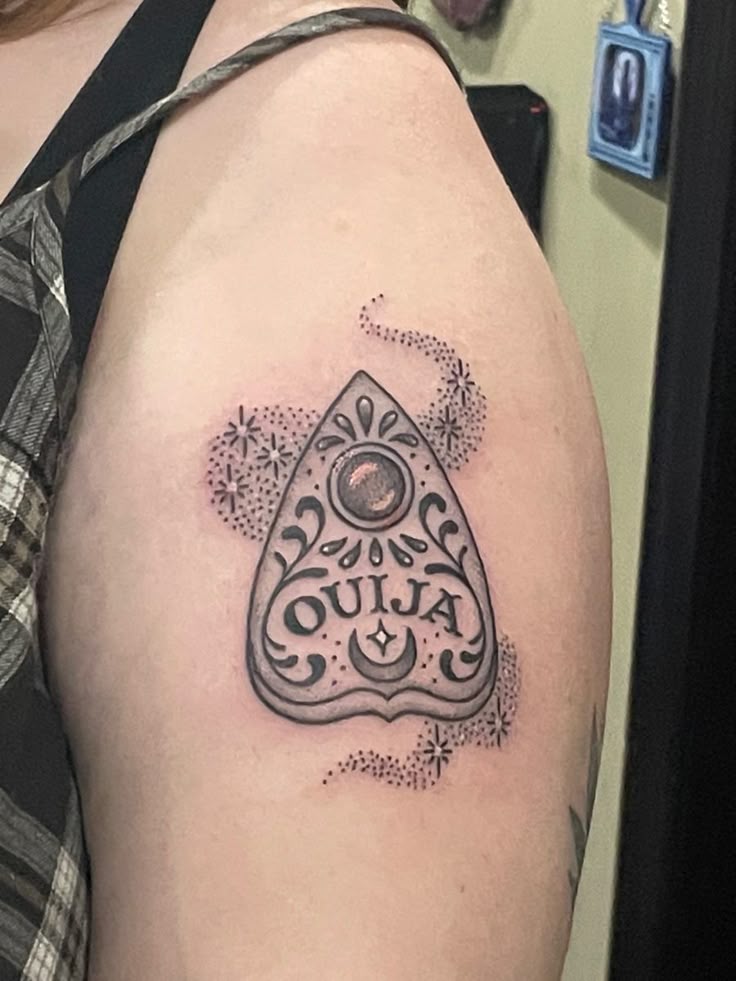
This design uses dotwork’s stippled shading to render a planchette (the pointer piece from a spirit board) with a worn, almost etched texture rather than flat black fill. The dot density is heaviest at the edges and lighter toward the center, mimicking how light hits an engraved object. This is a technically demanding piece — ask your artist directly how many dotwork pieces they’ve completed and to see three or more healed examples. Best placement is the forearm or thigh, flat real estate that keeps the dot gradient even. Size should stay above 3.5 inches since dotwork detail is unforgiving at small scale. Expect a longer session than blackwork equivalents since dot placement takes more time than solid fill. This piece carries specific symbolic weight for some people, so it’s worth sitting with the idea for a while before booking, not just picking it off a flash sheet impulsively.
Fine-Line Gothic Lettering
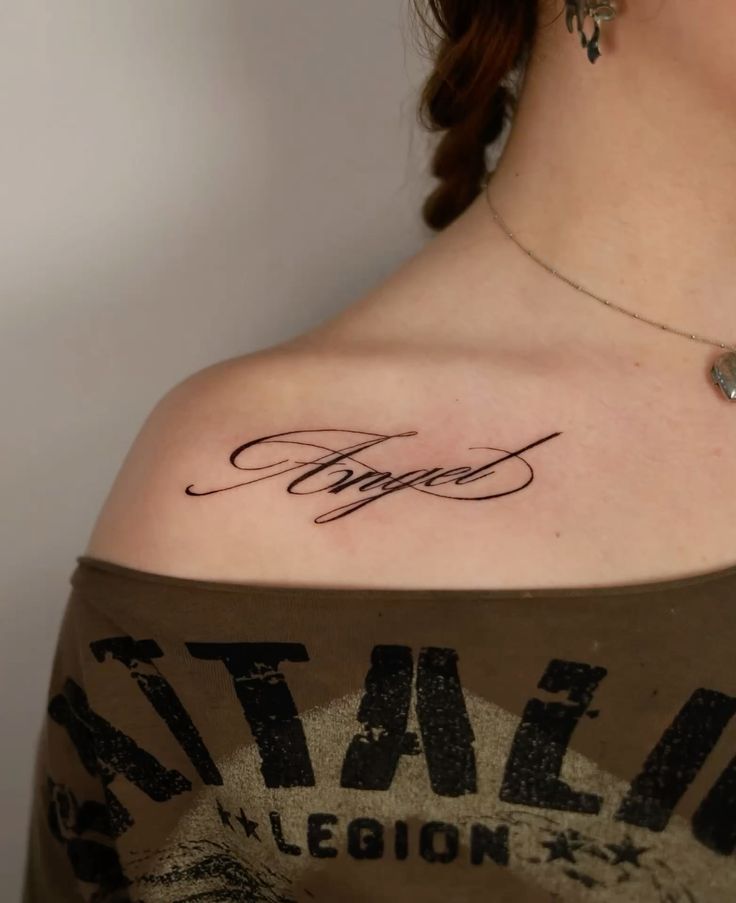
Fine-line script uses thin, single-needle strokes to render a word or phrase in a blackletter or gothic typeface, keeping the ornate serifs and sharp angles that define the style. Because lettering has zero shading to hide behind, line consistency matters enormously here — wobbly linework is much more visible in text than in an illustration. Best placement is the forearm, ribs, or collarbone, areas with minimal movement and flat skin. Keep letters at least half an inch tall; smaller text often blurs into illegibility within a few years. Rib placement tends to be notably more sensitive due to thin skin and proximity to bone. Bring a printed mockup of your exact wording and spacing, since last-minute font changes at the appointment lead to rushed, uneven results. This is a popular matching-tattoo choice for friend groups who want the same word in each person’s own placement.
Bold Traditional Coffin Flash
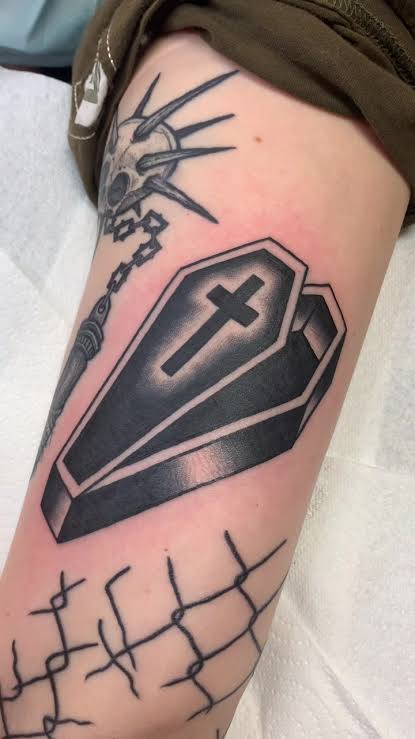
Bold traditional coffins use thick outlines and flat, saturated black or deep purple fill, often paired with simple linear detailing like cross motifs or draped fabric folds. The style intentionally avoids fine detail in favor of a strong, immediately readable silhouette — this is a design meant to be recognized at a glance, not studied up close. Best placement is the upper arm, thigh, or chest, anywhere with flat space matching the coffin’s rectangular shape. A 4-inch minimum keeps proportions from looking cramped. Fleshy areas generally tolerate the solid fill work better than bony ones. This is a strong choice for a first tattoo if you want something clearly “goth” without ambiguity, and it photographs well for anyone who wants visible ink.
Blackwork Thorned Rose
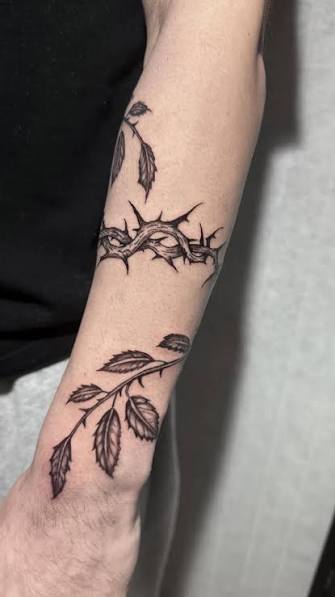
This version strips the rose down to bold blackwork petals with sharp, angular thorn details instead of realistic shading, giving it a more graphic, almost woodcut quality compared to traditional color roses. Petal edges are defined with confident line weight rather than soft gradients, which is part of what makes blackwork age so well. Best placement is the ankle, wrist, or upper arm, though ankle placement demands more touch-up maintenance due to shoe friction and sun exposure. Keep the design at least 3 inches to preserve thorn detail. Ankle and wrist areas tend to rank higher on the sensitivity scale. Ask your artist whether they recommend a slightly heavier line weight for your specific skin type, since some skin holds fine linework better than others. This design pairs well as a smaller matching tattoo between partners or friends.
Single-Needle Bat Wing Detail
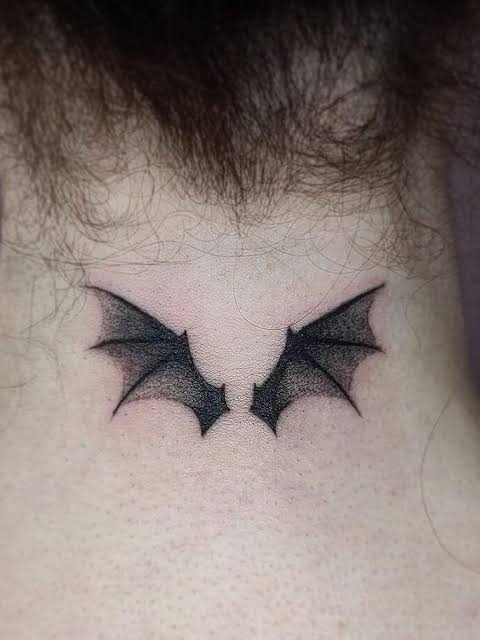
Rather than a full bat silhouette, this design isolates a single detailed wing using single-needle technique for delicate vein linework and subtle stippled shading. It’s a more understated nod to goth aesthetics — recognizable without being a full, bold statement piece. Best placement is behind the ear, along the ribs, or on the ankle bone, small discreet spots that suit the design’s scale. Keep it under 2 inches for these placements to look proportionate. Behind-the-ear and rib placements are known for higher discomfort due to thin skin and nerve density. This is a solid pick for a first tattoo if you want something quiet, symbolic, and low-commitment, but talk to your artist about expected fading timelines since fine detail at small scale is the first thing to blur.
Dotwork Skull with Candle
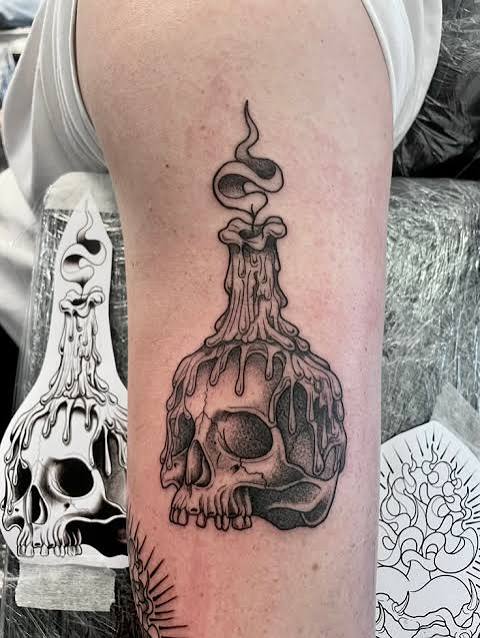
This piece combines a dotwork skull (soft-gradient shading built from dot density) with a bold blackwork candle flame for contrast between textures. The interplay between stippled shading and solid fill gives the piece more visual depth than either technique alone. Best placement is the forearm or upper arm, wide flat spaces that let both textures sit clearly without cramping. Aim for 4 inches minimum since dotwork gradients need room to actually gradient. Expect a longer sitting than a same-sized bold traditional piece, since stippling takes more time per square inch. This design works well as a statement piece for someone getting their second or third tattoo who’s comfortable with a longer session and wants more nuance than flat blackwork offers alone.
Fine-Line Spider and Web Combo
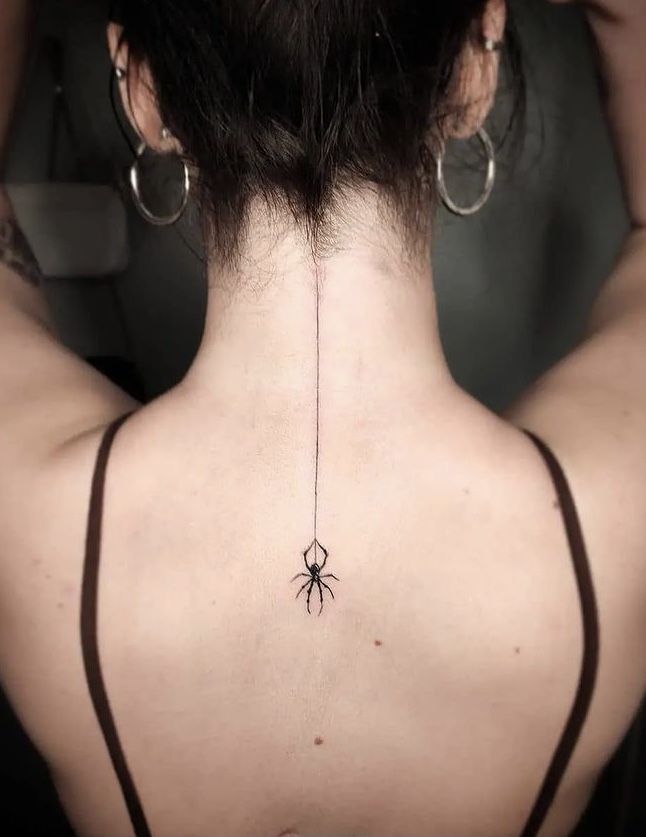
This pairs a fine-line spider — delicate legs rendered in thin single-needle strokes — with a sparse, minimal web rather than the dense blackwork version covered earlier. The overall effect is airy and understated rather than graphic and bold. Best placement is the collarbone, ankle, or behind the ear, small areas suited to fine detail. Keep it under 3 inches; fine-line detail doesn’t scale up as cleanly as bold linework does. Collarbone placement tends to rank moderately on the sensitivity scale due to thin skin over bone. This is a good workplace-friendly option since it reads as delicate rather than overtly goth from a distance, useful if you need to keep visible ink minimal in professional settings.
Bold Traditional Snake and Dagger
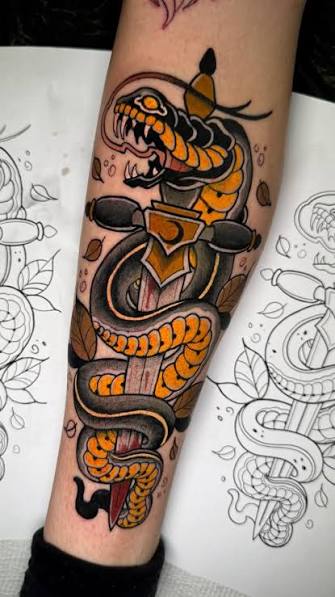
A classic pairing: a coiled snake wrapped around a dagger, rendered in thick outlines with flat, saturated color fill (commonly black and deep red). This is one of the most enduring flash designs in tattoo history because the bold composition and high-contrast color hold their shape remarkably well over decades. Best placement is the forearm or calf, giving the coiled composition enough length to read clearly. A 5-inch minimum size keeps the dagger’s proportions from looking squeezed. Forearm and calf placements are generally more tolerable than bony spots like the wrist. This is an excellent choice if you want a tattoo that visibly ages well and holds its saturation, since traditional-style color technique is specifically built for longevity.
Blackwork Gothic Cathedral Window

This design mimics the shape of an arched cathedral window using bold blackwork linework for the frame and finer detail work for the “glass” segments inside. It’s more architectural and geometric than the other designs on this list, relying on symmetry and negative space rather than any single central image. Best placement is the upper back, ribs, or thigh, areas with enough vertical space for the arched shape to read proportionally. Keep it at least 5 inches tall to preserve the internal segment detail. Rib placement in particular tends to be more uncomfortable due to thin skin and less padding. This piece works best as a larger, more considered tattoo rather than a first-timer’s impulse pick, given its size and the session length involved.
Best Placement Ideas
- Forearm — high visibility, moderate healing ease, good for both bold and fine-line detail
- Upper arm/shoulder — easy to cover for work, tolerates larger bold traditional pieces well
- Ribs — highly discreet but ranks among the more uncomfortable spots, longer healing due to movement and clothing friction
- Wrist — very visible, bony area tends to be more sensitive, best for smaller fine-line designs
- Ankle — easy to hide with socks or shoes, but higher touch-up needs due to friction and sun exposure
- Behind the ear — extremely discreet, small canvas only, generally more sensitive due to thin skin
Tips for Success
Look for an artist whose portfolio shows the specific technique you want — dotwork, blackwork, fine-line, or bold traditional — not just general tattooing. Ask to see healed photos, not only fresh ink, since healed results tell you how lines and shading actually hold up. Bring reference images and be specific about size, placement, and line weight rather than saying “something like this but goth.” A good consultation includes questions about your skin type, aftercare routine, and whether the design needs resizing for your chosen spot. Walk-in flash bookings work fine for smaller, simpler pieces; anything with custom sizing or personalization is worth a scheduled custom consultation instead.
Common Mistakes and How to Avoid Them
- Sizing too small for the detail level — dotwork and fine-line especially need enough space to hold their shading over time
- Choosing a placement that fights the design’s shape — a wide-wingspan bat crammed onto a narrow wrist rarely looks right
- Skipping aftercare instructions — every artist gives a specific sheet; follow theirs over generic internet advice
- Copying a flash design exactly without adjusting for your body — a good artist will tweak proportions to fit your specific placement and skin
- Not asking about touch-ups upfront — fine detail almost always needs a touch-up appointment within the first year
Similar Variations
Nearly every design above can be resized, recolored, or combined. A bold traditional bat can shrink into a fine-line version for a subtler feel, or a blackwork raven can be redrawn in dotwork for softer shading. Combining two smaller designs — say, the fine-line spider with the gothic lettering — into one placement is common for people who want personal symbolism rather than a straight flash copy. Adding a single accent color (deep red, dark purple) to an otherwise black-and-gray piece is another easy way to personalize a stock design without changing its core composition.
Aftercare Basics
Follow the specific aftercare sheet your artist gives you — that’s the most reliable source of information for your exact tattoo. General, widely accepted points include keeping the area clean, avoiding direct sun exposure while healing, not picking at peeling skin, and avoiding swimming pools or soaking the area for the first couple of weeks. Healing time varies by placement, design density, and individual factors, but most flash-sized pieces settle within two to three weeks on the surface, with full healing taking longer underneath. If you notice anything that seems unusual, check with a licensed professional or dermatologist rather than guessing.
Quick FAQ
How much does a goth flash tattoo cost?
Most flash pieces run anywhere from $80 to $300 depending on size, detail, and studio location, though larger dotwork or custom-resized pieces can cost more. Always ask for a quote during consultation rather than assuming a flat shop rate.
Does a goth flash tattoo hurt more than other styles?
Pain varies by placement and individual tolerance more than by style itself, though dense blackwork and larger dotwork pieces involve longer sessions, which can add to overall discomfort. Bony areas like ribs, wrists, and ankles tend to be more sensitive than fleshy ones.
How long does healing take?
Surface healing for most flash-sized tattoos takes about two to three weeks, though this varies by individual and placement. Following your artist’s specific aftercare instructions matters more than any general timeline.
Will fine-line or dotwork fade faster than bold blackwork?
Generally, yes — thinner lines and lighter dot-based shading tend to soften over time faster than solid, saturated blackwork. This isn’t a guarantee for every case, but it’s a common enough pattern that many artists recommend planning for an occasional touch-up with these techniques.
Final Thoughts
Goth flash tattoos work because they lean on techniques — bold traditional, blackwork, dotwork, fine-line — that have been tested on skin for decades, not just on Instagram. Whatever design pulls you in, take the time to match it with the right placement, size, and an artist who can show you healed work in that exact style. A little research now saves you a lot of regret later, and honestly, that’s the whole point of sitting down with a goth flash tattoo idea in the first place.