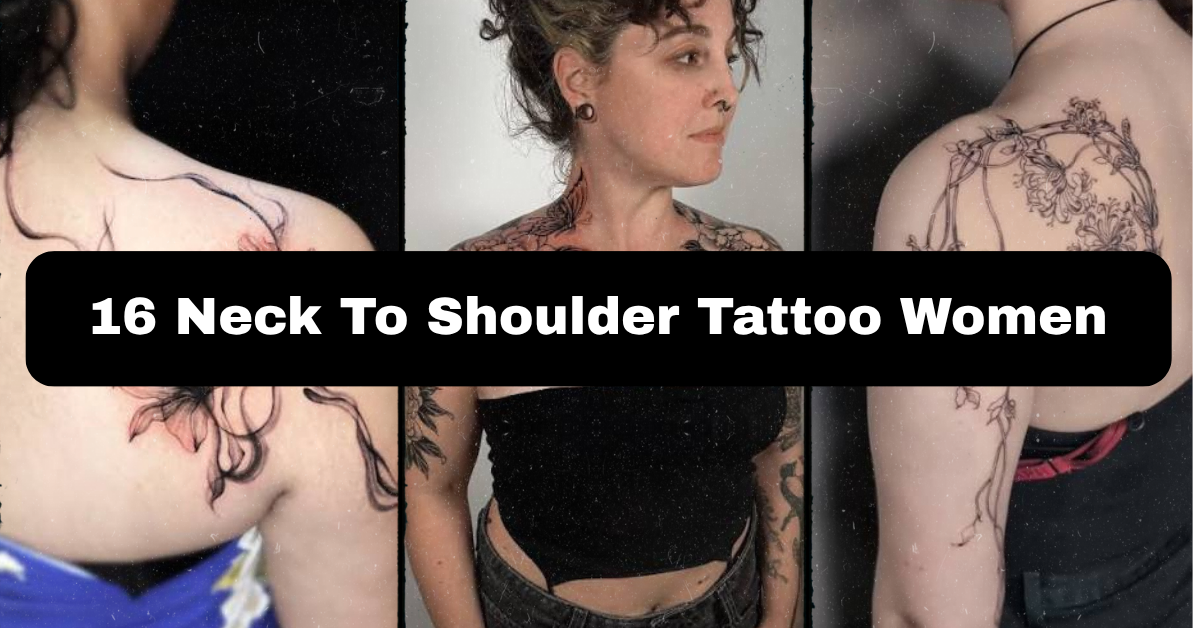
16 Neck To Shoulder Tattoo Women Ideas That Actually Hold Up Over Time
Nervous about picking a neck to shoulder tattoo you might regret in five years? You’re not alone, and honestly, that hesitation is smart. This piece pulls from real studio conversations, actual healing timelines, and technique-specific details that most design roundups skip entirely.
So what are the best neck to shoulder tattoo ideas for women? Fine-line florals, blackwork collar pieces, and dotwork shoulder caps work best because they follow the body’s natural curve, age gracefully on skin, and give artists room to blend shading without the design looking blown out later. Placement geometry matters just as much as the design itself here.
Stick around, because I’m covering pain levels by exact spot, realistic healing windows, what this style of tattoo actually costs, and how to brief your artist so you don’t end up with a stencil that doesn’t fit your frame.
Why the Neck-To-Shoulder Area Works So Well for Bold, Flowing Designs
This stretch of the body isn’t flat. It curves, dips at the collarbone, and slopes down the shoulder cap, which sounds like a challenge but is actually a gift for a skilled artist. Designs that follow that natural line — vines, drapery, script that arcs instead of runs straight — end up looking intentional instead of slapped on. Skin here also tends to stay more visible over the years since it’s rarely stretched by weight change the way stomachs or thighs are, so fine detail holds its shape longer. That said, this zone mixes soft tissue near the collarbone with tighter skin over the shoulder joint, and that affects both pain and how ink settles.
1. Fine-Line Floral Vine Along the Collarbone
A thin vine of small flowers tracing the collarbone uses single-needle line work, meaning the artist uses one very fine needle point instead of a grouped needle, producing a delicate, almost pen-drawn line. There’s usually no shading, just clean outlines with maybe a few solid-fill petals for contrast. This placement sits directly over bone, so expect a sharper, more attention-grabbing sensation than fleshier spots — most people describe it as uncomfortable rather than unbearable. Healing typically runs 10 to 14 days for surface peeling. Bring a photo of an actual vine or botanical illustration, not just a cartoon flower, so your artist can adapt real growth patterns. This works great as a first tattoo since it’s low commitment and easy to keep small. Next up, a bolder take on the same idea.
2. Bold Blackwork Shoulder Cap
Instead of thin lines, this design uses solid black fill — thick, confident shapes like geometric wings, sun rays, or an abstract mandala pattern wrapping over the top of the shoulder. Blackwork relies on heavy saturation, meaning the artist packs the ink densely so it reads as one solid tone rather than a sketch. Expect more discomfort here since the shoulder cap has less padding, and solid fill work means repeated passes over the same skin. Healing runs longer, often 2 to 3 weeks, because of the ink density. Ask your artist about their blackwork portfolio specifically, since fill consistency separates a good blackwork piece from a patchy one. This design covers well at work with a t-shirt sleeve, making it office-friendly.
3. Dotwork Mandala Transitioning Into the Shoulder
Dotwork builds an image from thousands of tiny dots instead of continuous lines, creating a soft, textured gradient that looks almost like stippled pencil art. A mandala or geometric pattern using this technique can start small near the neck and fade outward in dot density as it reaches the shoulder, creating a built-in ombre effect without a single drop of color. This is slower to tattoo than linework, so sessions run longer, and the repetitive needle contact can feel more like a dull vibration than sharp pain. Healing takes about 2 weeks. Request a stencil test on paper first, since dot spacing is hard to judge from a screen. This suits someone who wants intricate detail without the boldness of solid blackwork.
4. Delicate Script Wrapping the Shoulder
Cursive script that curves from the base of the neck down over the shoulder uses fine-line technique again, but the challenge here is letter spacing on a moving, curved surface. A skilled letterer will “map” the words to your specific shoulder shape before tattooing so the text doesn’t warp when you move your arm. Pain here sits in the moderate range since it crosses both bony and fleshier areas. Healing is quick, generally under 2 weeks, since it’s just outline work. Always ask to see your artist’s freehand lettering samples, not just fonts pulled from a computer, since hand-lettered script ages better and looks less generic. This is a popular matching-tattoo choice for sisters or close friends.
5. Watercolor-Style Floral Burst
This design mimics loose, blended paint strokes using diluted color saturation and soft edges instead of hard outlines. It’s visually striking but worth knowing upfront: watercolor-style tattoos rely heavily on color retention, and color ink historically fades faster than black ink according to general dermatological consensus. Placing it on the shoulder, where skin sees regular sun exposure in tank tops, means diligent sunscreen use matters more here than almost anywhere else on the body. Pain is moderate to high given the color saturation passes required. Healing runs 2 to 3 weeks. Ask your artist directly how they expect the piece to look in 5 years, not just on day one.
6. Negative Space Geometric Pattern

Negative space tattooing uses the untouched, natural skin as part of the design instead of filling every inch with ink. Think a geometric shape where the black ink forms the border and a crisp unfilled diamond or triangle sits in the middle, letting your actual skin tone become the “color.” This creates a striking, modern look across the shoulder blade area. It requires a precise, steady-handed artist because any wobble in the surrounding line ruins the illusion. Pain is comparable to standard blackwork. This design ages well on lighter skin tones where the contrast stays crisp, though it still reads beautifully on deeper skin tones with slightly thicker outlines for visibility.
7. Small Symbolic Icon at the Base of the Neck
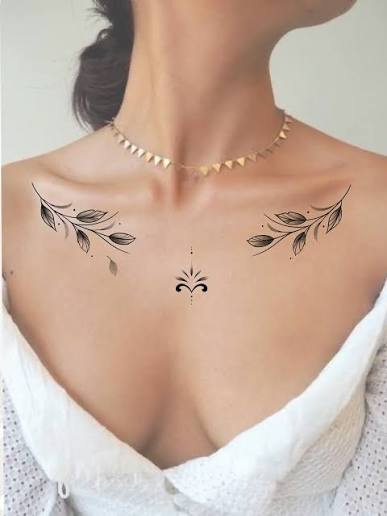
A tiny symbol — a moon, an arrow, an infinity loop — sitting right where the neck meets the shoulder is one of the most low-commitment options on this list. Fine-line or single-needle work keeps it subtle, usually under an inch, and healing wraps up in about 10 days. This spot is genuinely one of the more sensitive areas we’re covering, since it’s close to nerve-dense skin and bone, so brace yourself for a sharper sensation during the session. It’s easily hidden by most collars and hairstyles, making it ideal for workplaces with visible-tattoo restrictions. Bring a simple, high-contrast reference image so the artist can simplify it further if needed.
8. Bold Traditional-Style Rose Over the Shoulder
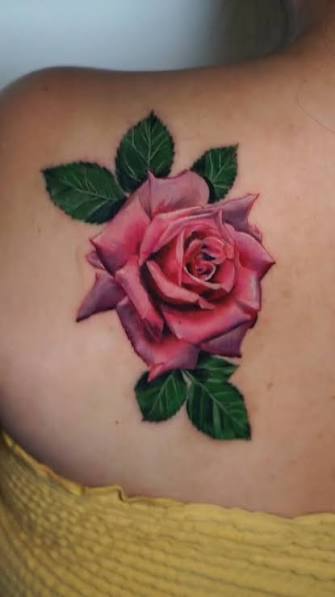
Traditional tattooing uses thick, confident outlines, limited but saturated color (usually red, black, and yellow), and minimal fine detail compared to realism work. A classic rose in this style sitting on the shoulder cap reads as timeless rather than trendy, and thick lines like these genuinely hold up better over decades than delicate fine-line work, which can blur as skin ages. Pain sits in the moderate-to-high range due to color fill. Healing takes roughly 2 weeks. If you love the vintage tattoo aesthetic, ask specifically for an “American traditional” reference so your artist knows to keep the linework bold rather than softened.
9. Fine-Line Feather Trailing Down the Shoulder
A single feather starting near the neck and trailing in fine, wispy lines down toward the upper arm plays with movement and negative space simultaneously — some barbs fully inked, others just suggested with a broken line. This design tests an artist’s control since thin, tapering lines are unforgiving of shaky technique. Expect mild to moderate discomfort depending on how far it stretches toward the more padded upper arm. Healing runs about 10 to 14 days. This piece transitions beautifully into sleeve-style work later if you want to build onto it, so mention that intention during your consultation.
10. Dotwork and Linework Combination Snake
Combining dotwork shading with clean linework outlines gives a snake design real depth and texture — think solid black-line scales along the spine of the snake with dot-shaded gradients giving the body dimension. Wrapping it from the neck down over the shoulder plays with the body’s natural curve, echoing how a real snake would coil. This is a longer, detail-heavy session, so plan for extended sitting time and moderate pain throughout. Healing takes about 2 to 3 weeks given the mixed technique. Bring reference images showing both the scale pattern and the shading style you want blended.
11. Minimalist Single-Line Mountain or Wave
A continuous, unbroken line forming a small mountain range or ocean wave sits nicely just below the collarbone or curling over the shoulder edge. This single-needle style is quick to tattoo, heals fast (about 10 days), and causes comparatively lower discomfort since there’s no shading or repeated passes. It’s an excellent first-tattoo choice for someone who wants meaning without heavy visual weight. Ask your artist to keep line thickness consistent throughout, since single-line work shows every inconsistency clearly once healed.
12. Bold Blackwork Sun or Celestial Design
A solid black sun, complete with thick triangular rays, spreading from the base of the neck across the shoulder makes a strong visual statement without needing color. This falls under bold blackwork, so expect longer healing (2 to 3 weeks) and more discomfort than fine-line alternatives due to the dense ink saturation. It photographs and reads well from a distance, which matters if visibility and impact are priorities for you. This design is a strong match for someone transitioning from a smaller starter tattoo into their first larger, bolder piece.
13. Fine-Line Butterfly or Moth Cluster
A small cluster of butterflies or moths in varying sizes, using delicate single-needle outlines with minimal or no shading, creates a scattered, natural-looking pattern across the collarbone and shoulder. This design is highly customizable in placement density — some people prefer them clustered tightly near the neck, others spread further toward the shoulder. Pain is generally moderate. Healing takes about 10 to 14 days. This is one of the most popular matching or “sister” tattoo choices, since each person’s cluster can vary slightly while still looking cohesive.
14. Realism-Inspired Small Portrait or Nature Scene
Realism tattooing uses fine gradients, careful shading, and sometimes very tiny dot or line work to mimic photographic detail — think a small bird, a detailed leaf, or a miniature landscape. This is genuinely one of the harder styles to execute well in a small space, so size matters enormously here; going too small sacrifices the detail that makes realism work in the first place. Expect moderate to high discomfort due to shading density and longer session times. Healing runs 2 to 3 weeks. This isn’t typically a first-tattoo pick, since it demands a specialized, experienced realism artist and a bigger budget.
15. Abstract Linework Constellation
Thin lines connecting small dots to mimic a star constellation pattern spreads elegantly across the shoulder and up toward the neck, using single-needle technique with almost no shading. It’s understated, meaningful if tied to a birth month or significant date, and heals relatively fast at around 10 days. Pain is on the lower end for this list since there’s minimal ink density involved. This is an easy design to personalize by mapping a specific real constellation rather than a generic star pattern, so ask your artist if they can source accurate star-chart references.
16. Bold Lettering Paired With Small Botanical Accent
Combining a short bold word or name with a small flower or leaf accent gives this design layered meaning without becoming visually busy. The lettering typically uses thicker linework for legibility and longevity, while the botanical accent stays fine-line for contrast. Placement usually runs from the collarbone curving slightly up toward the neck. Pain is moderate given the mixed techniques and bony placement. Healing takes about 2 weeks. This combination style works well as a meaningful piece that still reads as intentionally designed rather than two unrelated tattoos stuck together.
Best Placement Ideas
- Collarbone — highly visible, moderate-to-high pain due to bone proximity, easy to show off or cover with a collar
- Base of the neck — more sensitive, best for smaller designs, harder to hide at work
- Top of the shoulder (cap) — moderate pain, good for bolder or larger pieces, covers easily with sleeves
- Shoulder blade edge — slightly less sensitive, good for wrap-around or larger compositions
- Front shoulder toward the arm — lower pain, ideal for pieces you may want to extend into a sleeve later
Tips for Success
Look for an artist whose portfolio shows consistent line weight and clean healed photos, not just fresh ink shots, since fresh tattoos always look sharp before the settling process. Ask specifically to see multiple examples in the exact style you want — fine-line, blackwork, dotwork, whatever it is — rather than a general portfolio. Bring 2 to 3 reference images instead of one, since this gives your artist room to combine elements rather than copy a single image exactly. During your consultation, ask about their stencil process, expected session length, and whether the piece will need a touch-up appointment down the line, since many detailed designs do.
Common Mistakes and How to Avoid Them
- Going too small for detailed styles — realism and dotwork need enough space to hold their gradients; shrinking them too much muddies the detail within a few years
- Ignoring body curvature — a design drawn for flat reference paper needs to be adapted to your actual collarbone or shoulder curve, or it will look distorted once healed
- Skipping the aftercare instructions — every artist’s aftercare sheet varies slightly; following a generic internet guide instead of theirs can affect how the final piece settles
- Copying a design exactly — a stencil pulled straight from social media without personalizing size, placement, or small details often looks like a copy rather than something that’s genuinely yours
Similar Variations
Nearly every idea on this list can shift in size, from a small 2-inch accent to a larger wrap-around shoulder piece. Fine-line designs can gain subtle color, like a soft blush pink for florals, without turning into a full watercolor piece. Blackwork pieces can incorporate small negative-space cutouts for added dimension. Dotwork can be layered underneath linework for shading depth. If you love a design here but want it smaller for a first tattoo, ask your artist to simplify rather than just shrink it, since fine details often blur together at reduced scale.
Aftercare Basics
General aftercare typically involves keeping the area clean, avoiding direct sun exposure, skipping swimming pools or soaking baths during initial healing, and avoiding tight clothing that rubs against the fresh tattoo. Always follow the specific aftercare sheet your artist provides, since products and timelines can vary between studios. If you notice unusual redness, prolonged swelling, or anything that seems off beyond normal healing, consult a licensed dermatologist or your tattoo artist directly rather than guessing based on internet advice.
Quick FAQ
How much does a neck to shoulder tattoo cost?
Pricing varies widely by artist experience, size, and technique, but expect anywhere from $150 for a small fine-line accent to $800 or more for a detailed, larger blackwork or realism shoulder piece. Custom designs generally cost more than flash tattoo options pulled from an artist’s existing sheet.
Does this placement hurt more than other spots?
Areas closer to the neck and collarbone tend to feel more sensitive due to thinner skin and bone proximity, while the shoulder cap and upper arm are generally more tolerable. Pain tolerance is individual, though, so what feels sharp to one person might feel manageable to another.
How long does healing take?
Most designs in this list heal within 10 days to 3 weeks depending on size and ink density, with bolder blackwork and color pieces taking longer than fine-line work. Full healing beneath the surface can take longer than the surface appears to suggest.
Will this fade or need touch-ups over time?
Fine-line and color work generally show fading sooner than bold, thick-lined designs, according to general dermatological consensus on skin aging and ink retention. Many people schedule a touch-up appointment within a few years to keep detailed pieces looking sharp.
Final Thoughts
Choosing a neck to shoulder tattoo is really about matching the design’s technical demands to a placement that can actually support it long-term. Whether you’re drawn to a delicate fine-line vine or a bold blackwork sun, the real difference between a tattoo that ages well and one that blurs into a smudge in a decade comes down to line weight, saturation, and picking an artist who understands how your specific skin and shoulder shape will hold that ink. Take your time, talk through the details, and don’t rush the consultation — a well-planned neck to shoulder tattoo is worth the extra week of research.